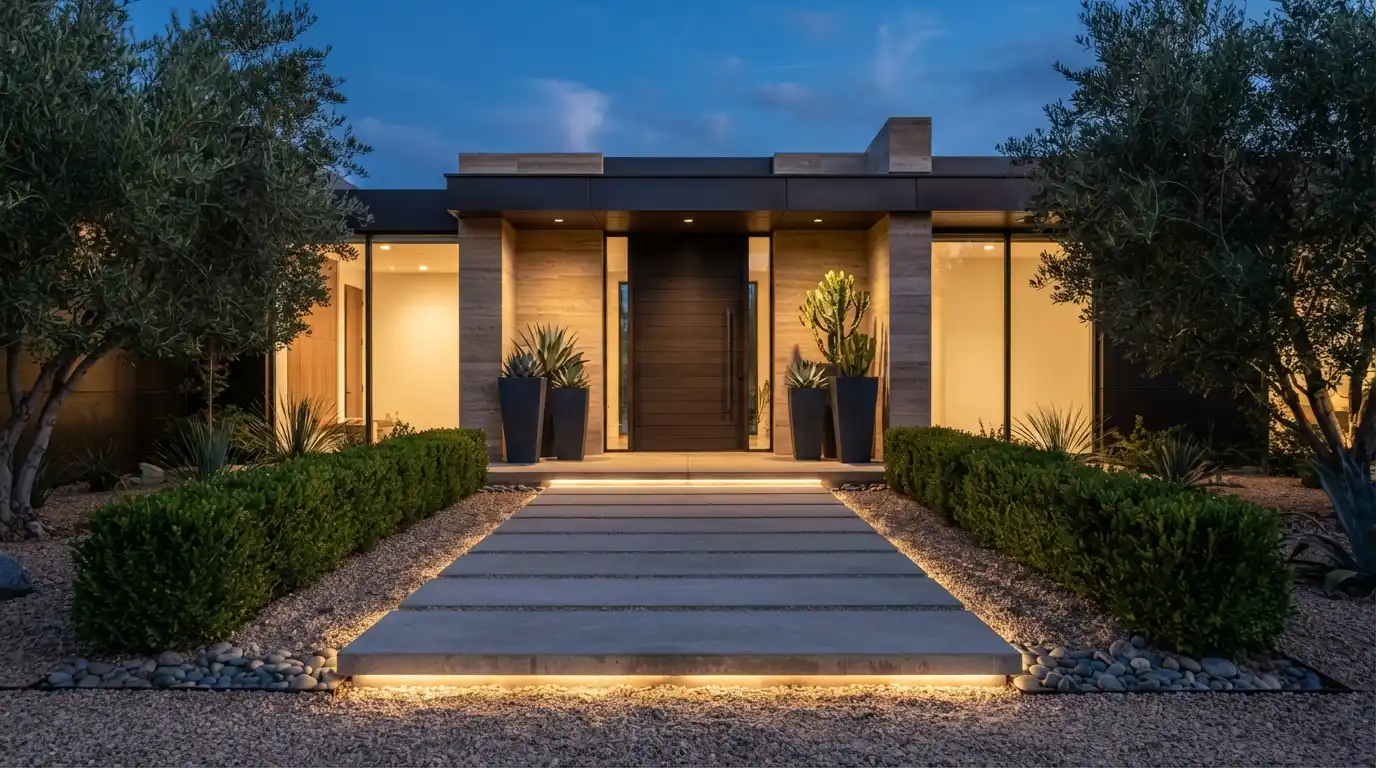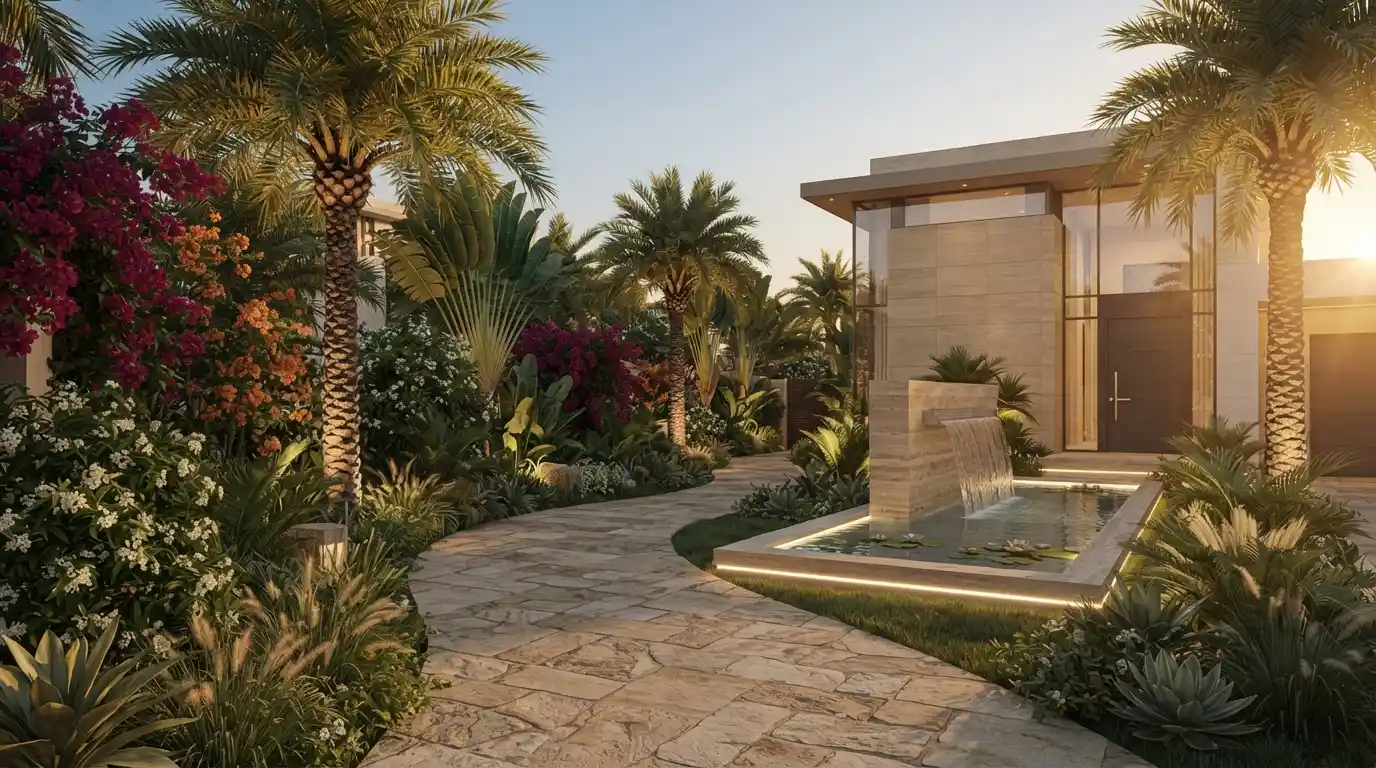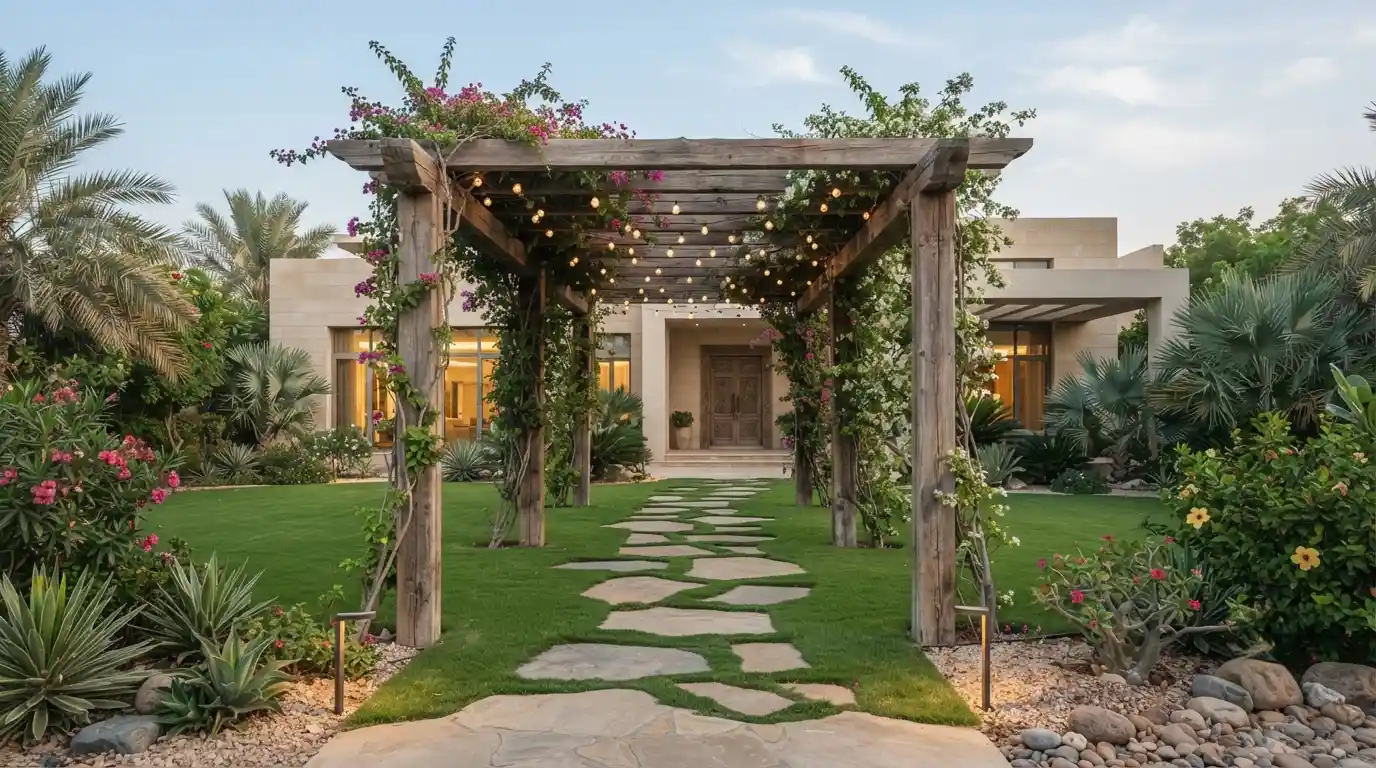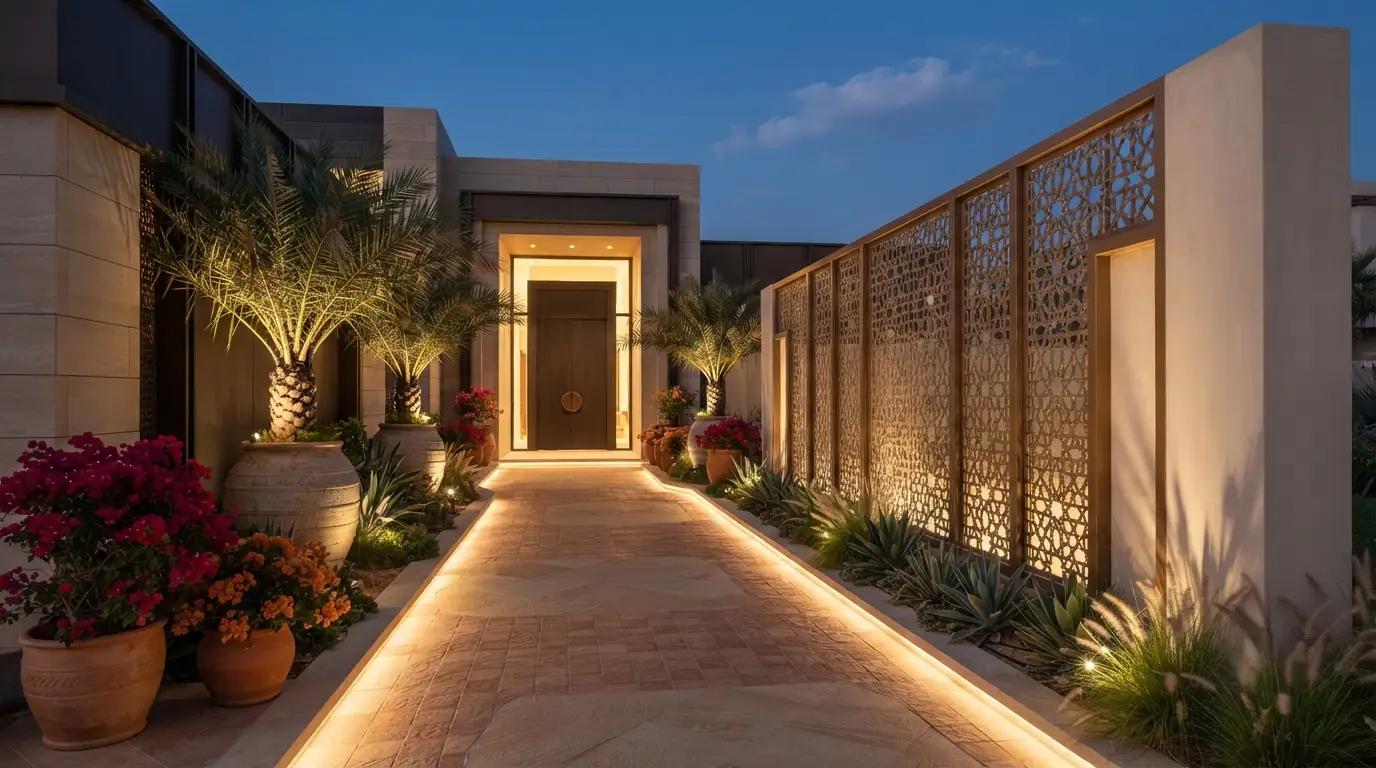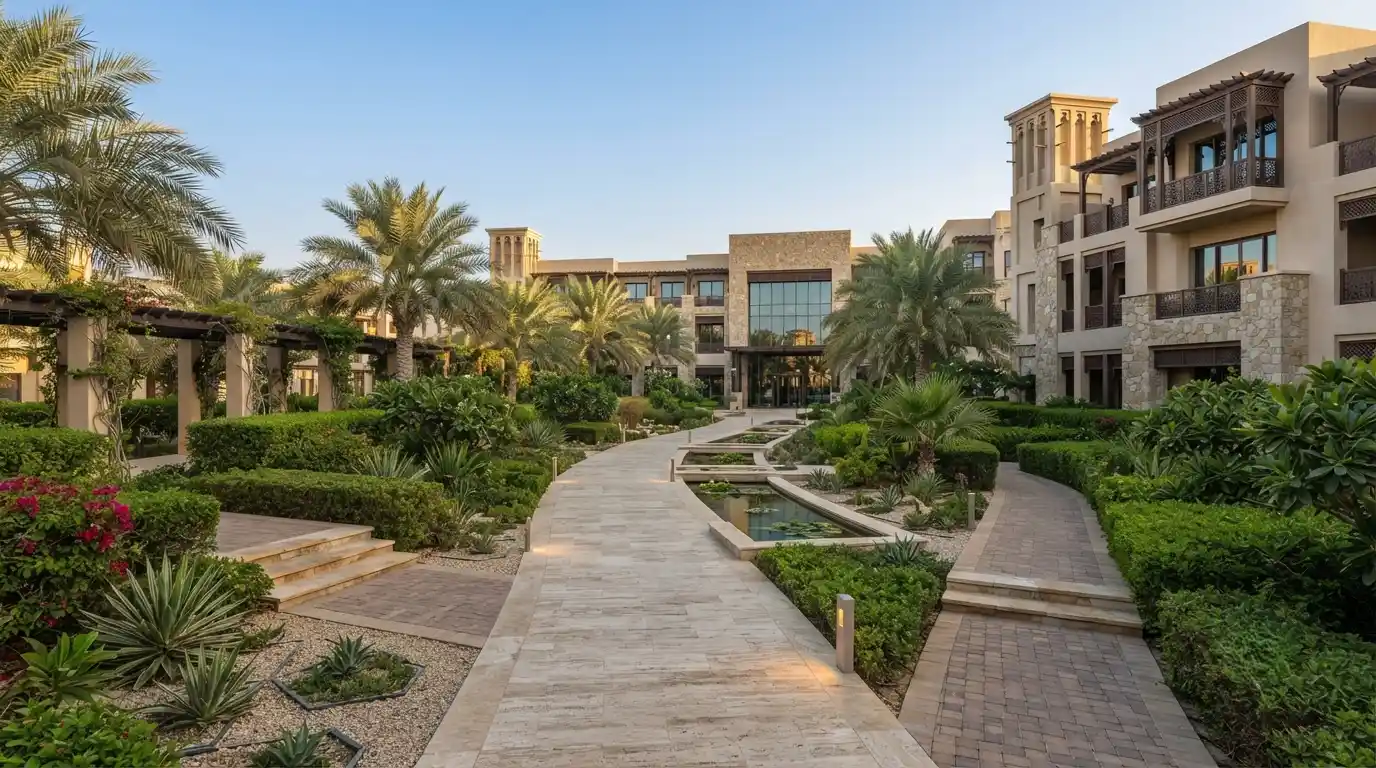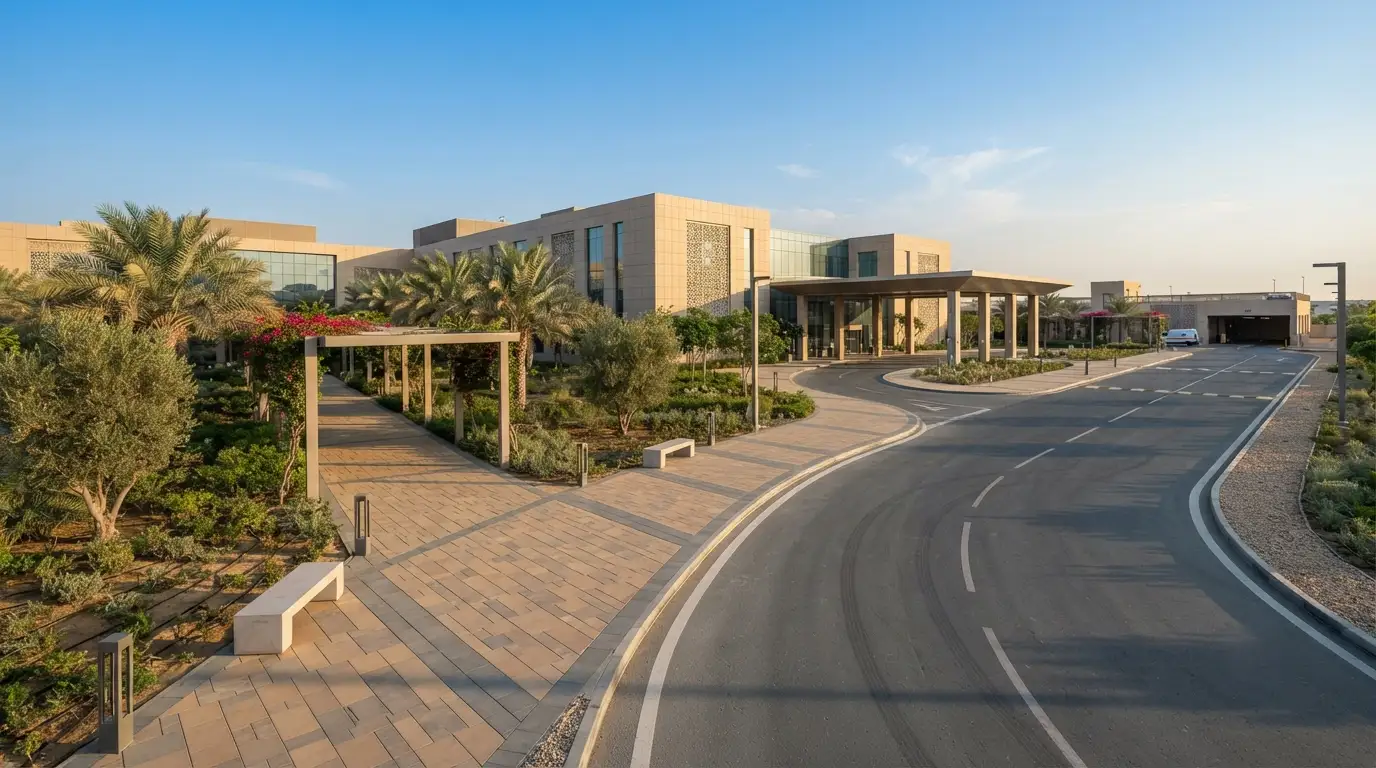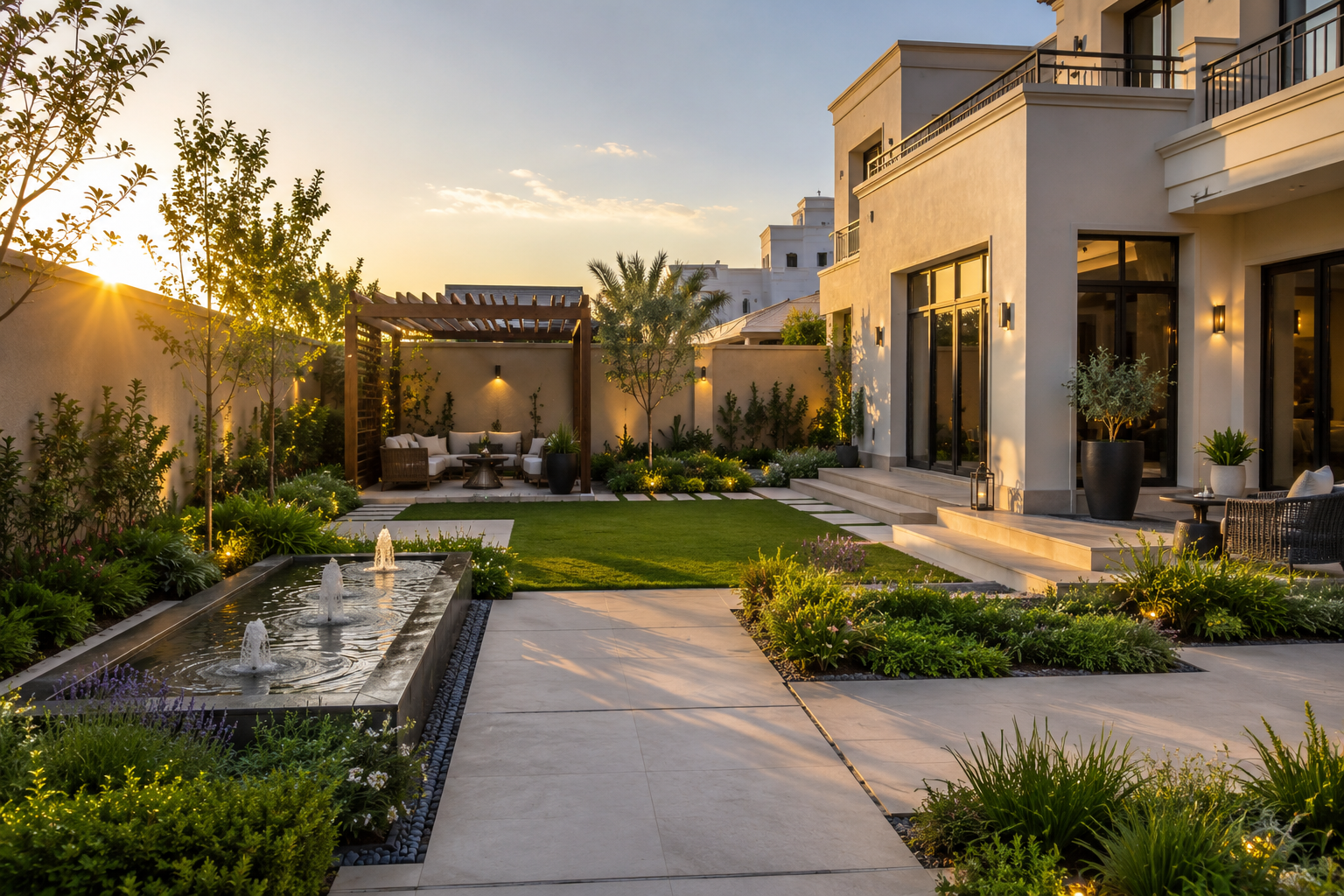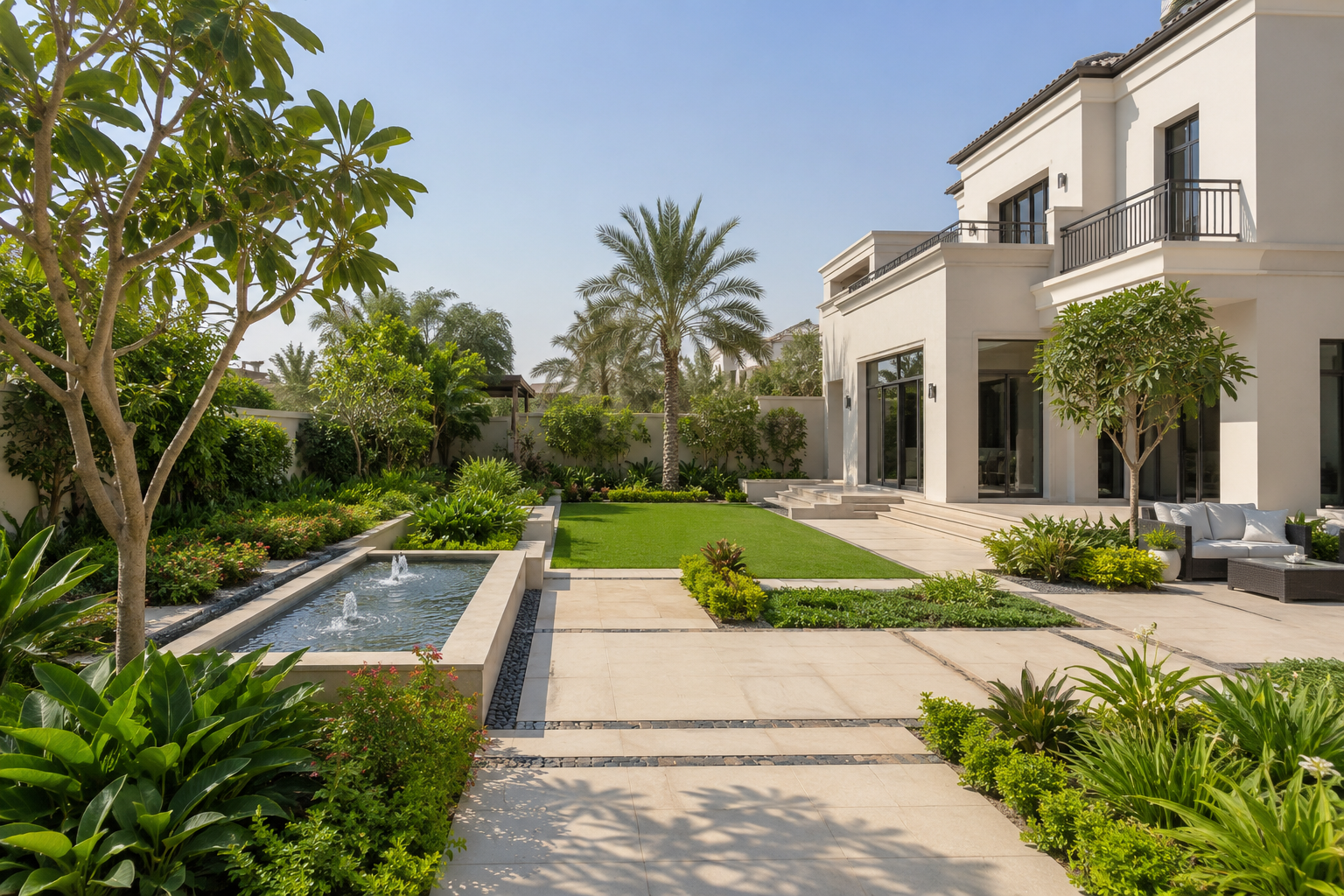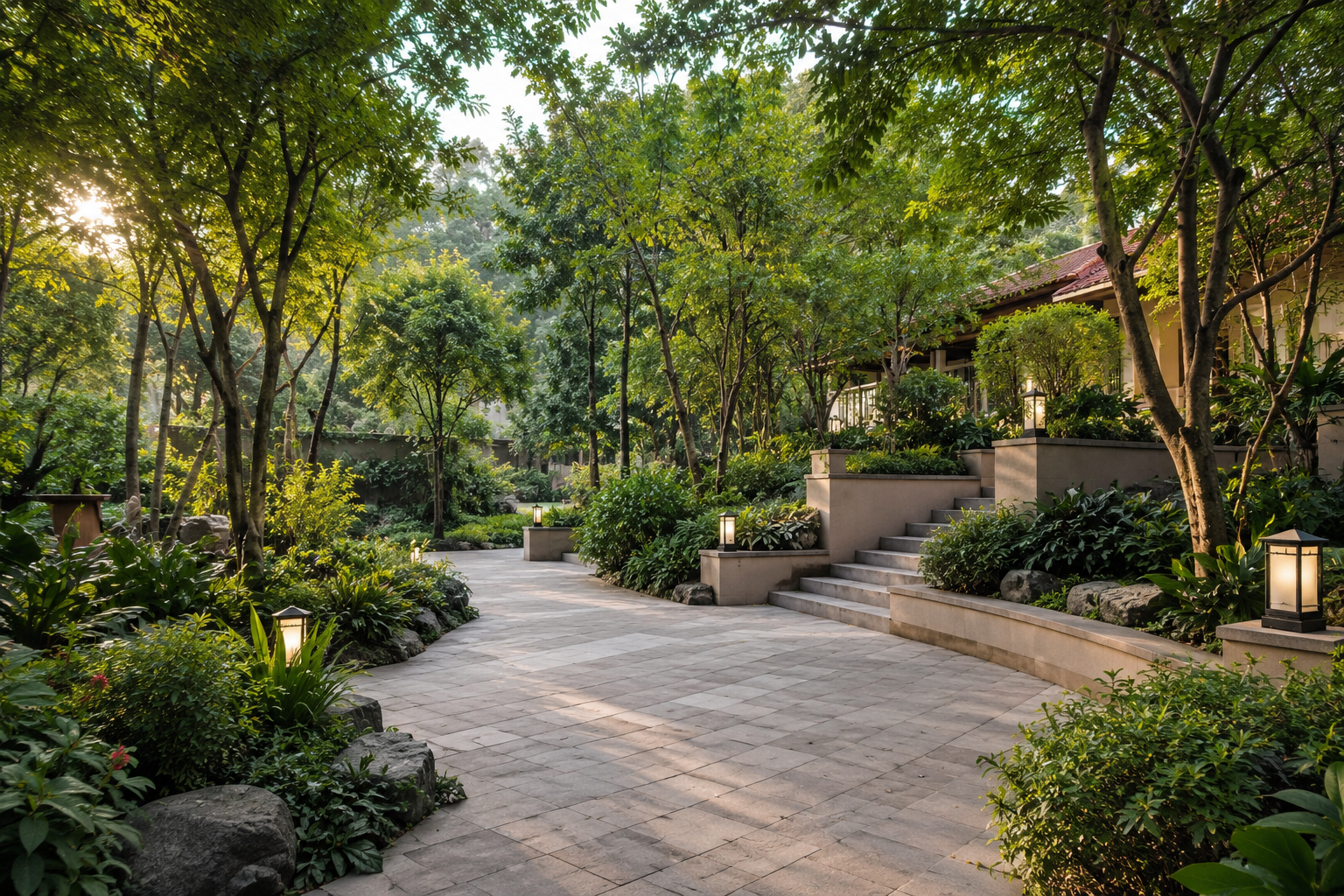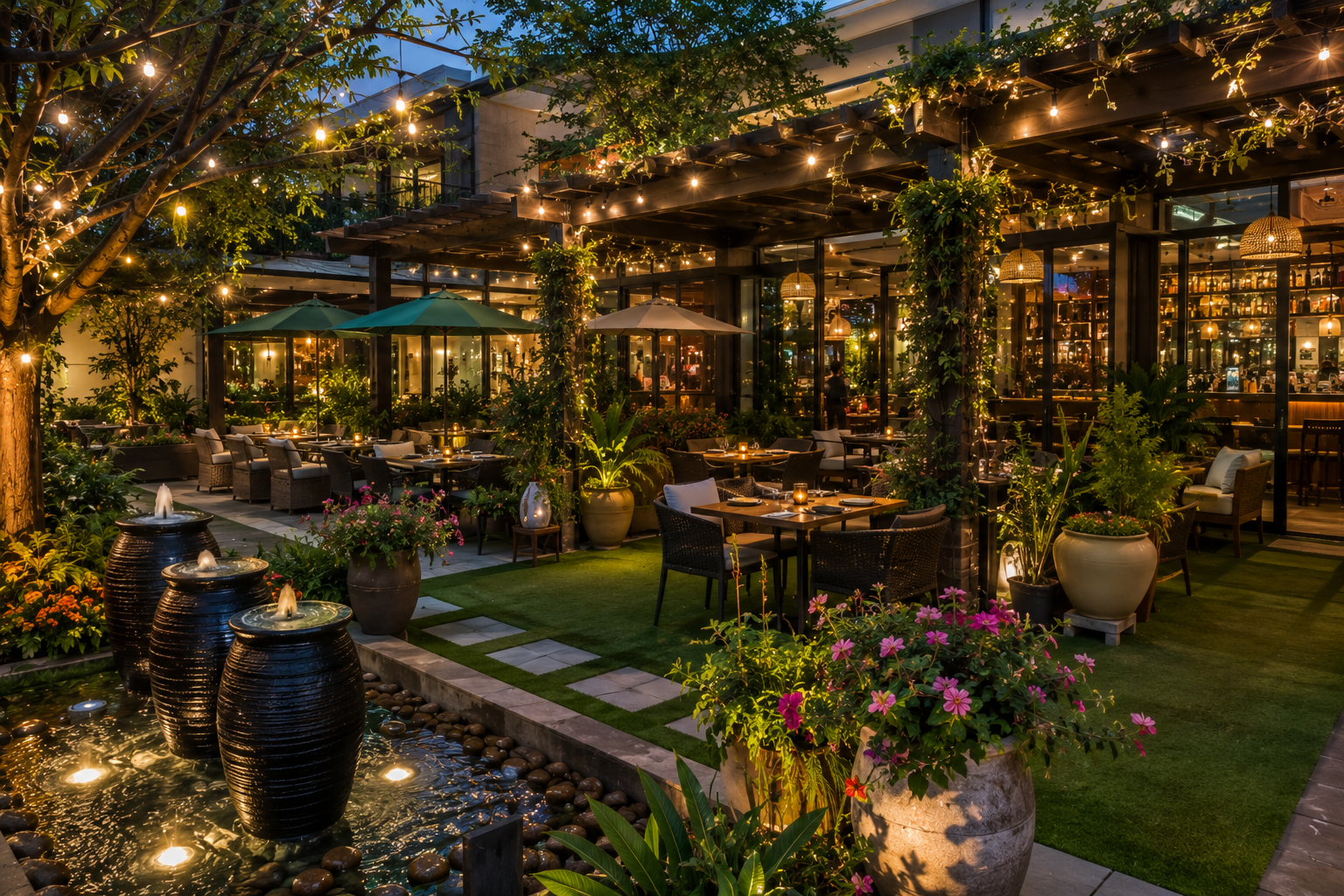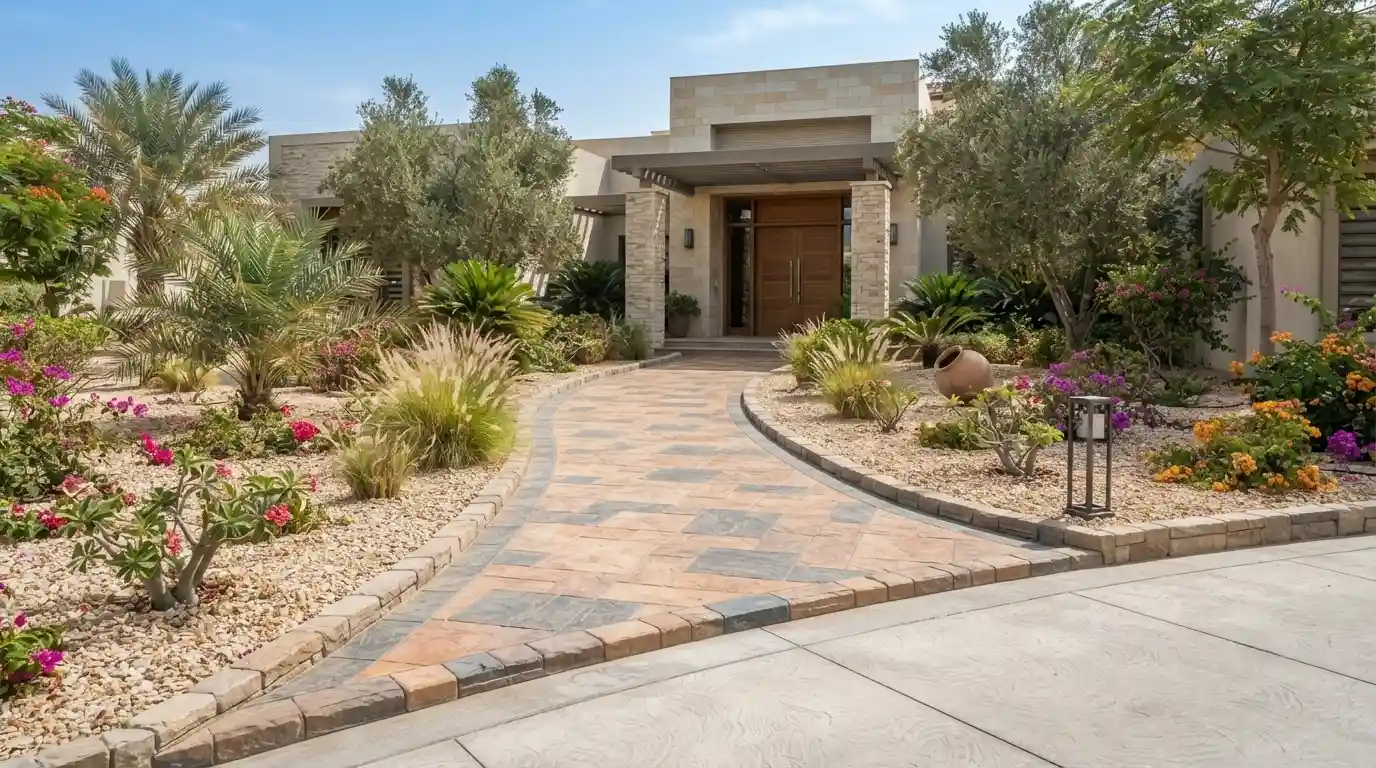
A mosque is not just a building. It is a place of prayer, community, and quiet reflection. The garden around it should feel the same way.
Good mosque garden design in the UAE is not about flashy flower beds or huge lawns. It is about calm pathways, shaded courtyards, and greenery that respects the purpose of the space. Get it wrong, and you end up with a garden that looks nice in photos but is hard to walk through, costly to water, or clashes with the building’s spiritual feel.
At Akaa Landscape, we have worked with mosques, community centres, and religious trusts across Dubai, Abu Dhabi, Sharjah, and the wider UAE. This guide breaks down what actually matters when designing a mosque landscape from layout and plant choice to irrigation and common mistakes, so architects, facility managers, and mosque committees can plan with confidence.
Why Mosque Landscaping Is Different From Other Projects
Mosque landscaping is not the same as designing a villa garden or a hotel courtyard. A few things set it apart:
- Function comes before beauty. Every element, the entrance path, the wudu (ablution) area, the courtyard has a religious or practical purpose that the design must support.
- Large numbers of people, especially during Friday prayers, Ramadan, and Eid. Pathways and shaded zones need to handle sudden crowds without becoming a bottleneck.
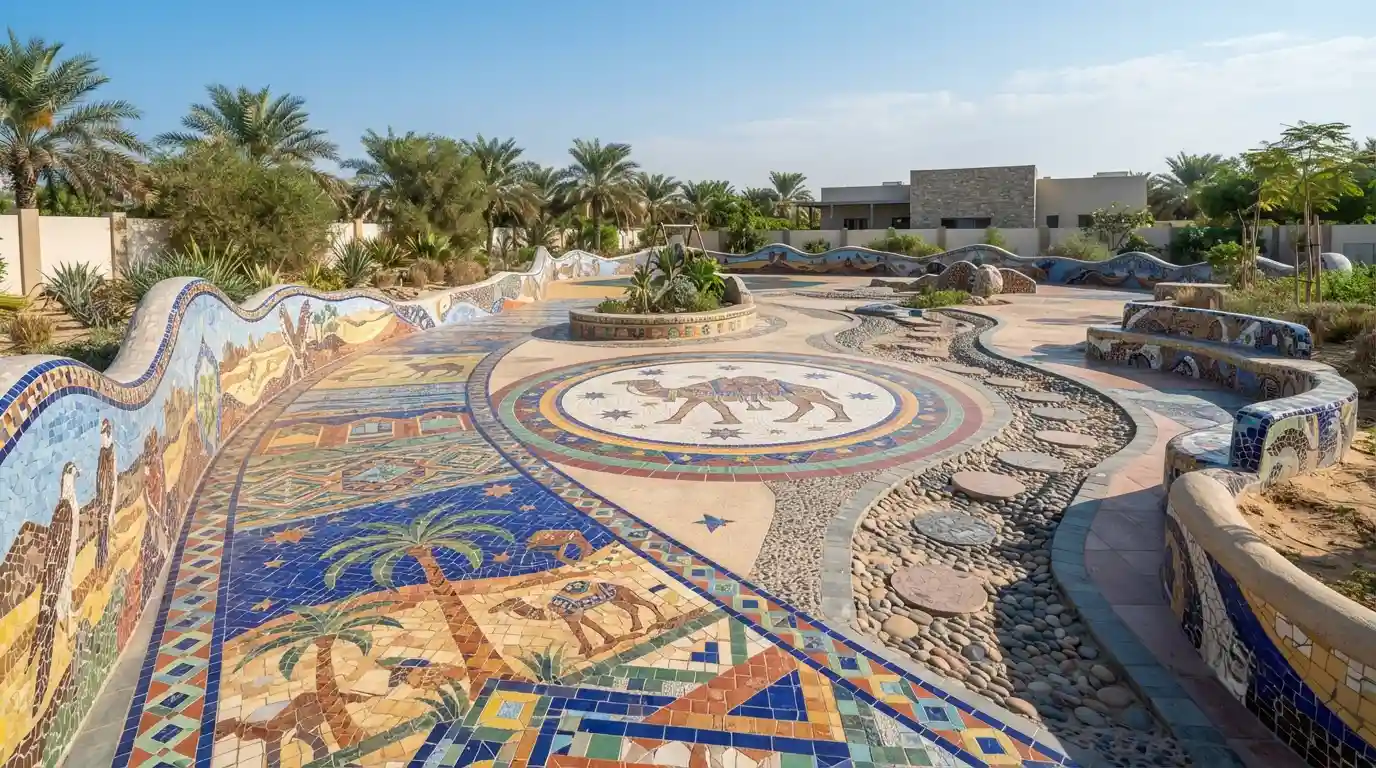
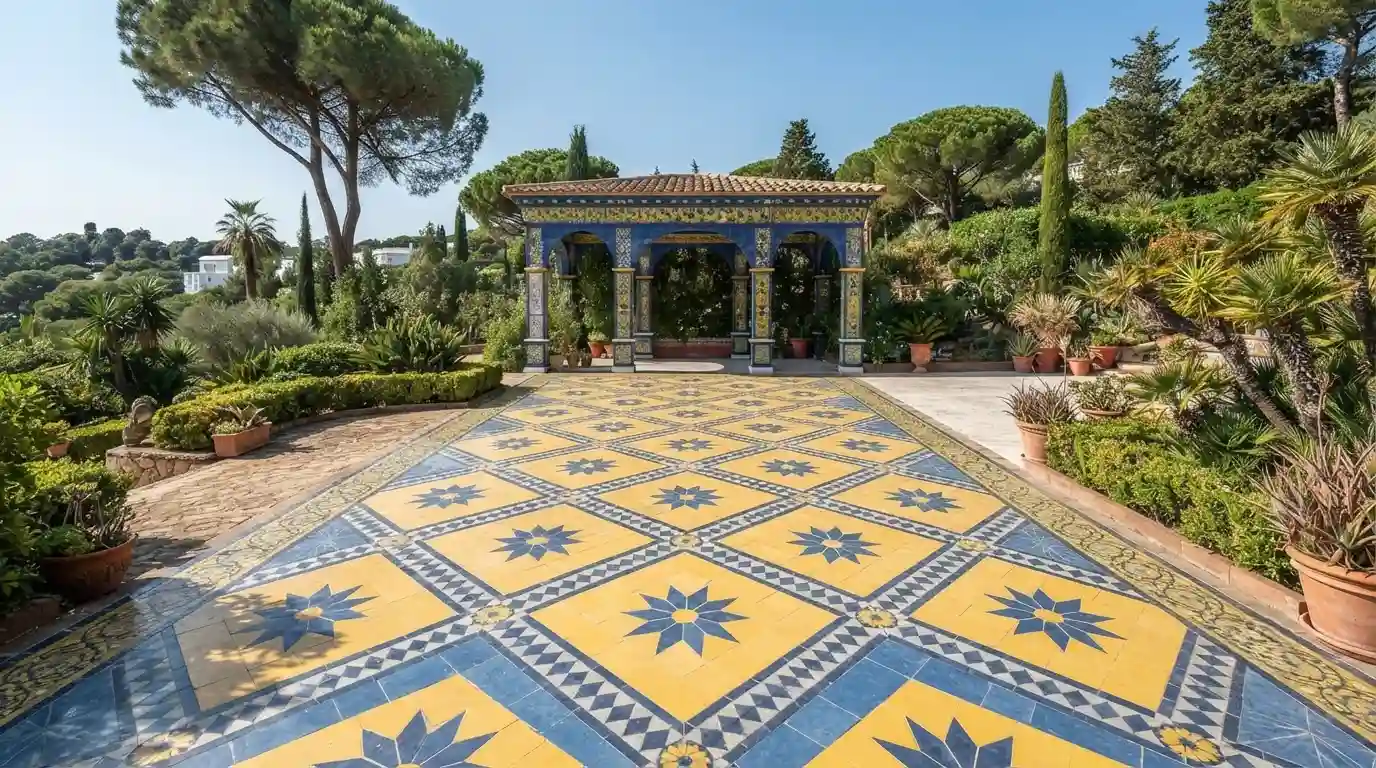
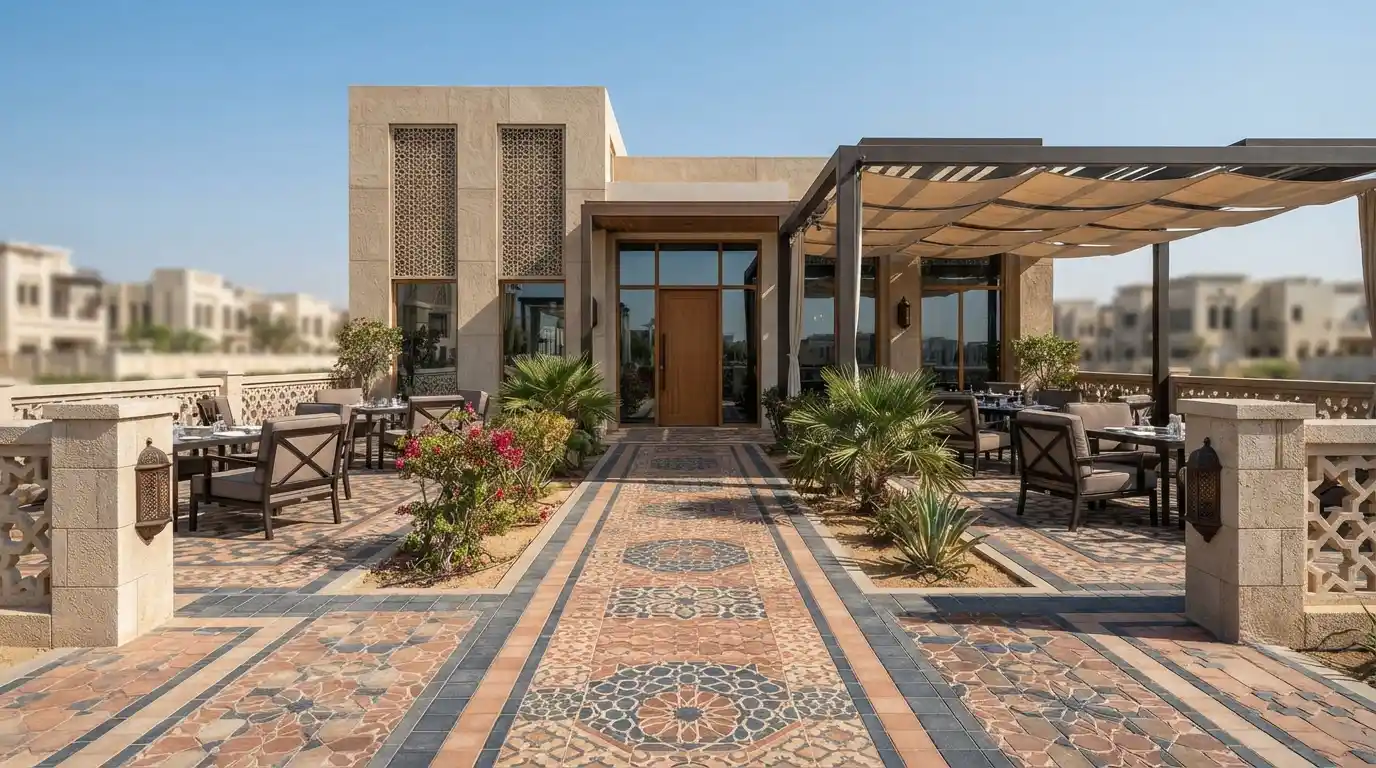
- Modesty and simplicity are valued. Islamic design traditionally favours symmetry, geometric patterns, and restrained planting rather than loud, decorative displays.
- The garden has to work in UAE heat. Long hours outdoors for prayer or gathering mean shade and cooling matter more here than in most commercial landscaping.
- Low, predictable maintenance is expected. Most mosques are run by trusts or community committees with tight budgets, so the planting has to survive with minimal fuss.
This mix of purpose, crowd flow, and climate is why mosque landscaping deserves its own approach rather than a copy-paste villa design.
Core Design Principles for Mosque Garden Design in the UAE
1. Symmetry and Order
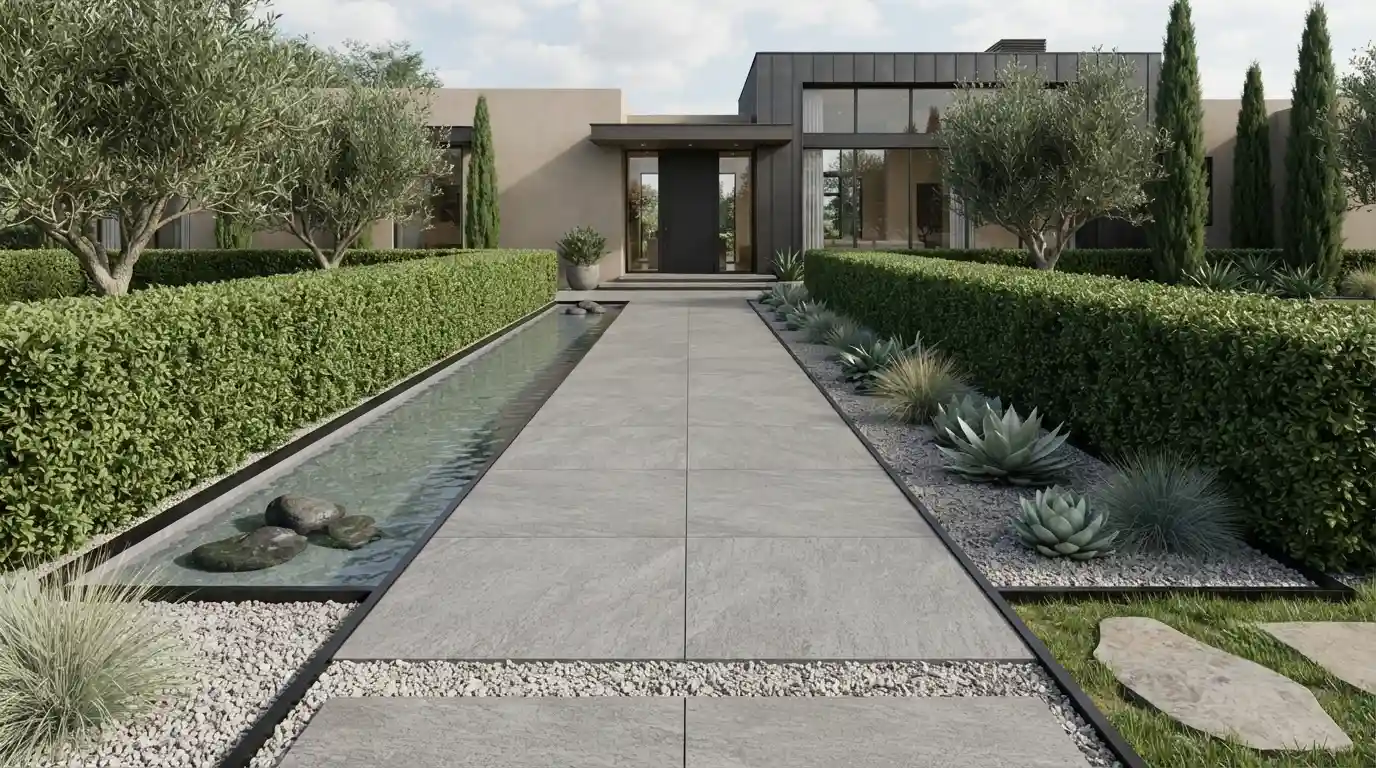
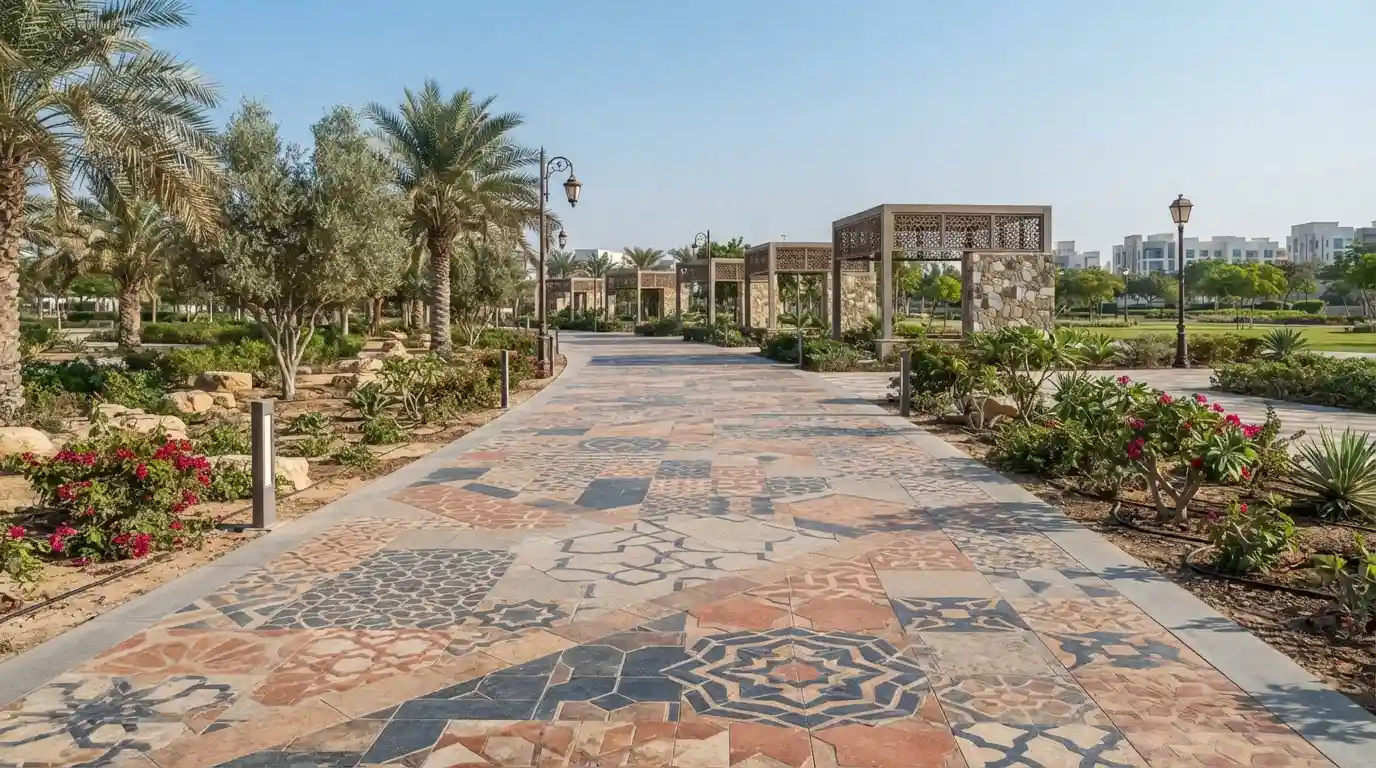
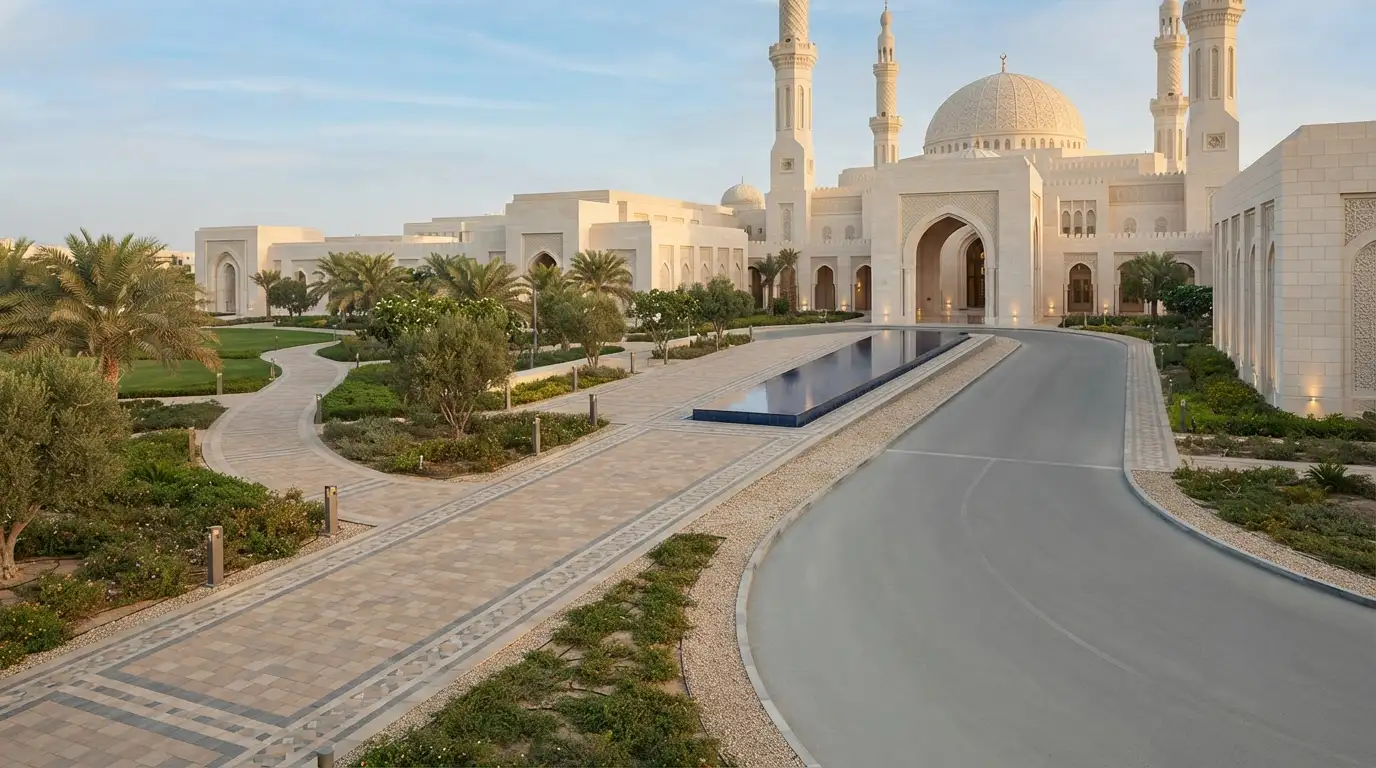
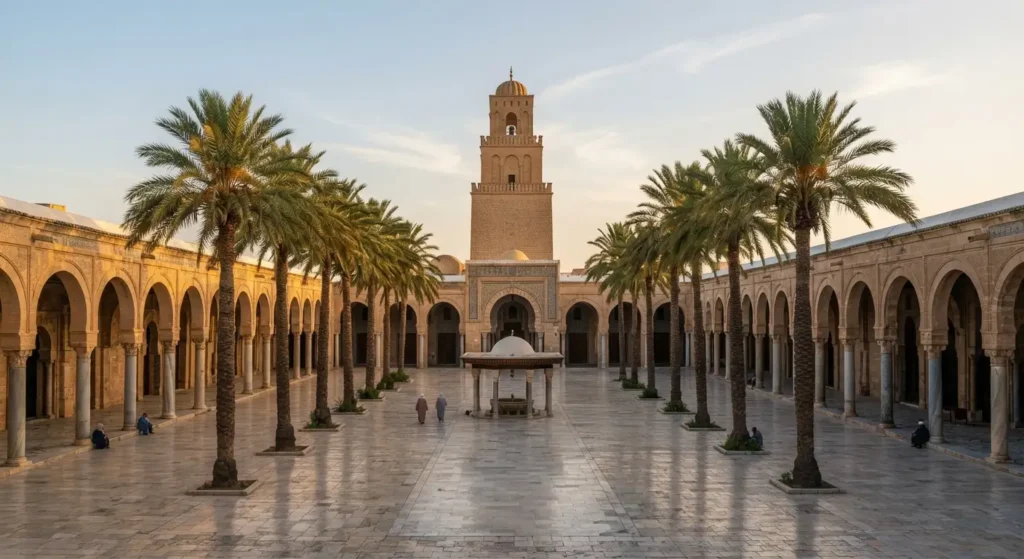
Islamic architecture leans on balance. Mirror the planting, pathways, and lighting on either side of the main entrance and minaret. Symmetry gives the space a sense of calm the moment someone walks in.
2. Clear, Wide Pathways
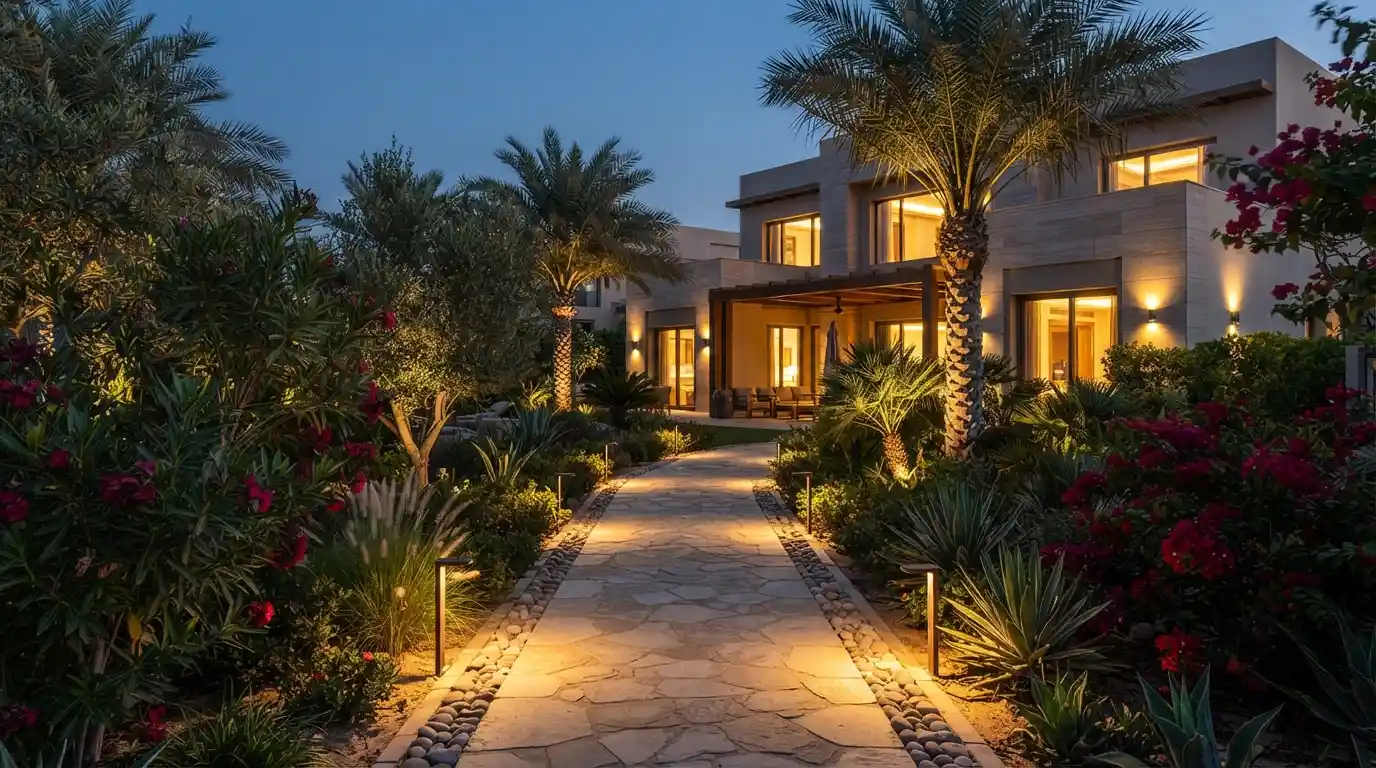
Worshippers arrive in waves, not one by one. Paths should be wide enough for two-way movement, non-slip even when wet from wudu water, and free of tripping hazards like raised roots or loose gravel.
3. Shade Where People Wait and Walk
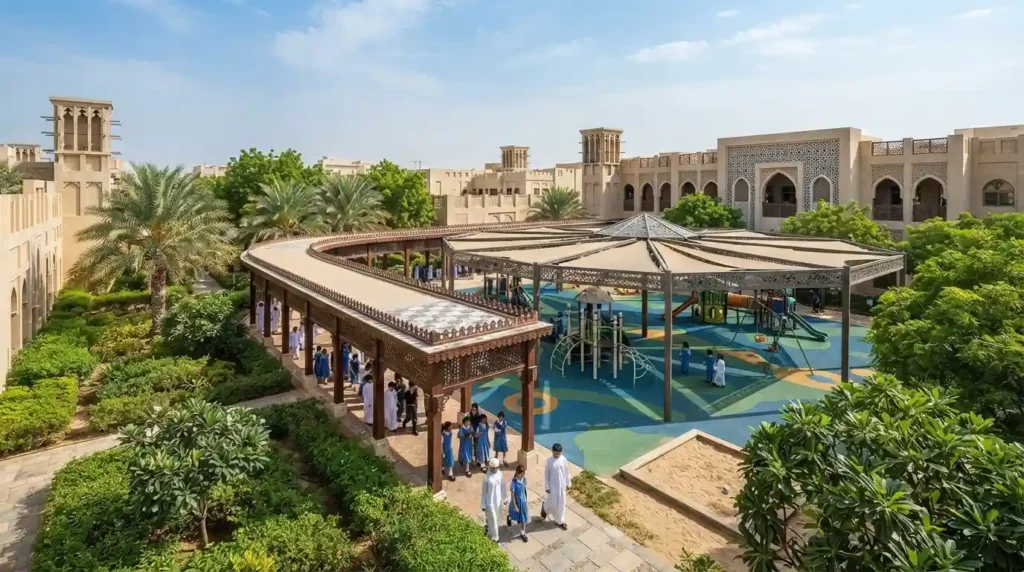
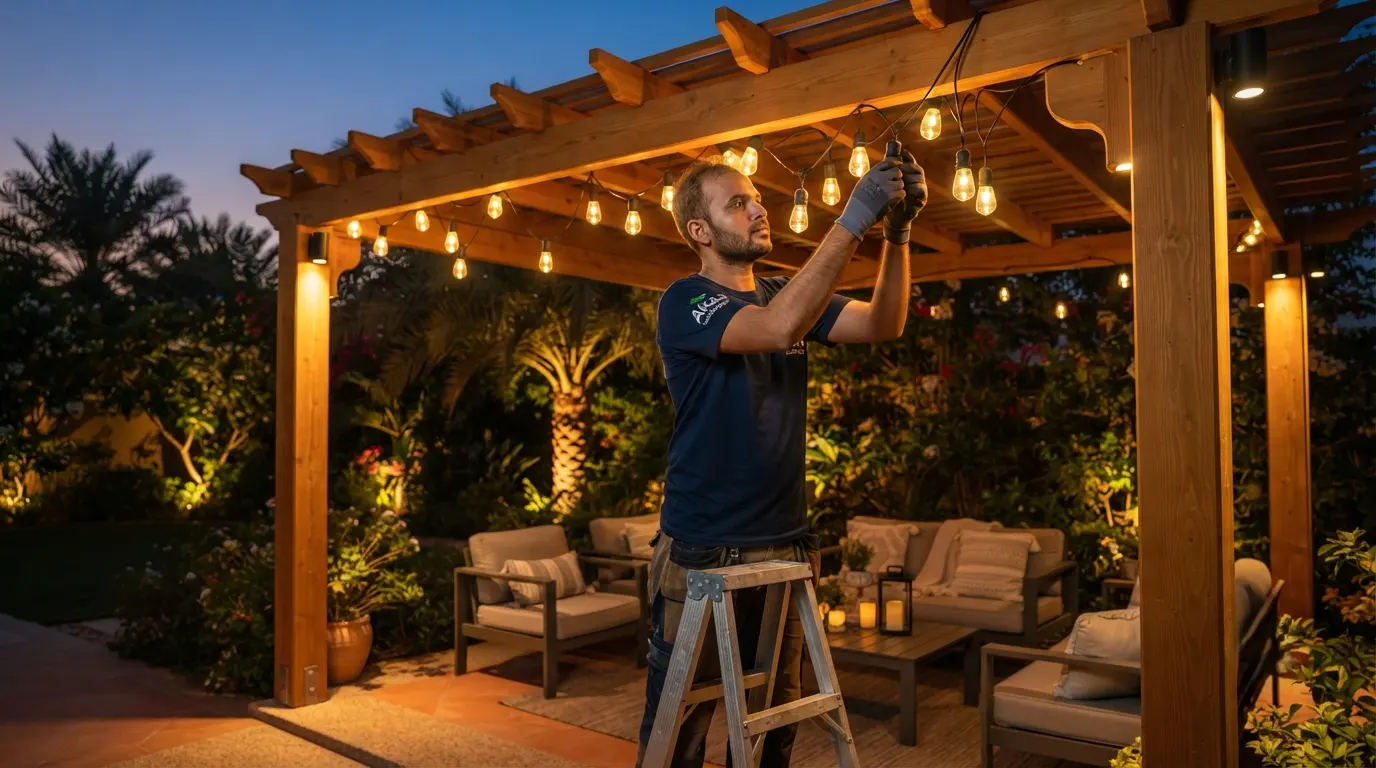
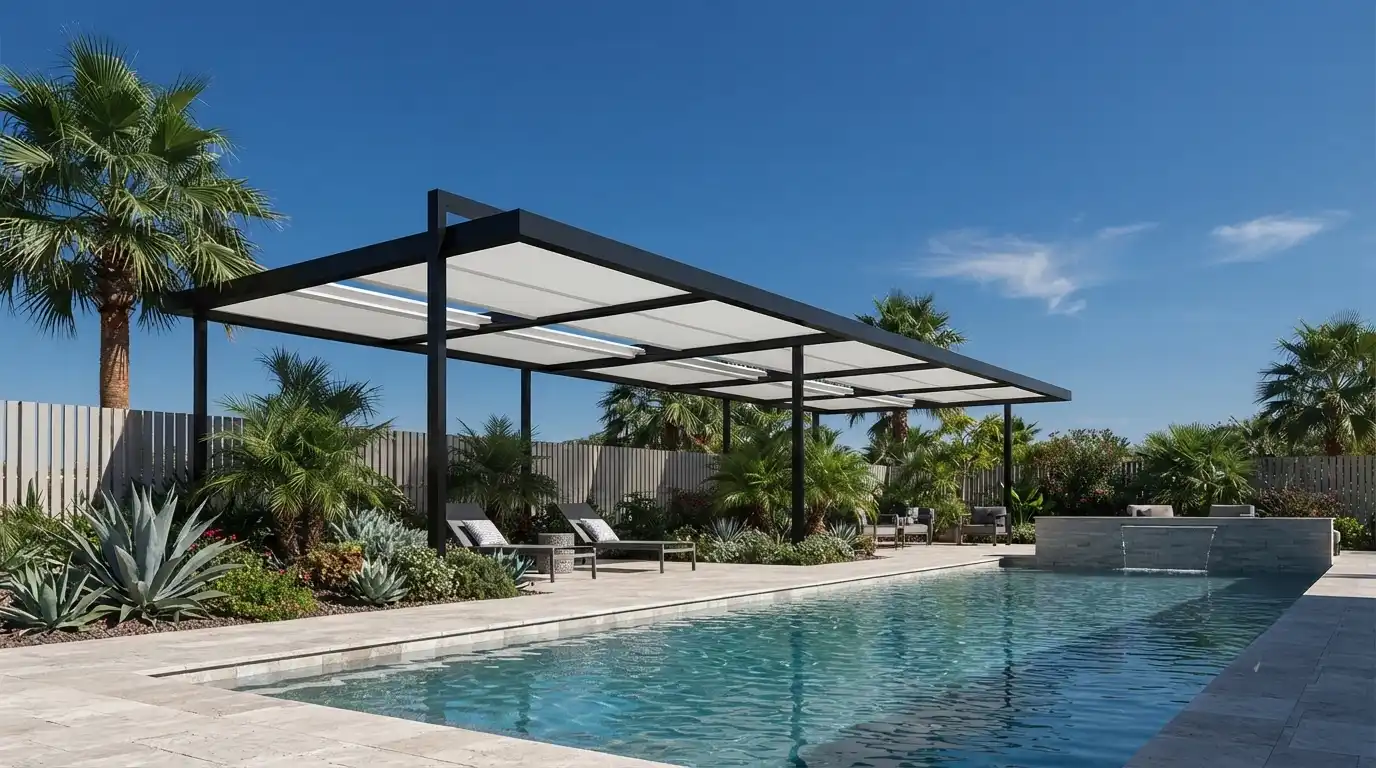
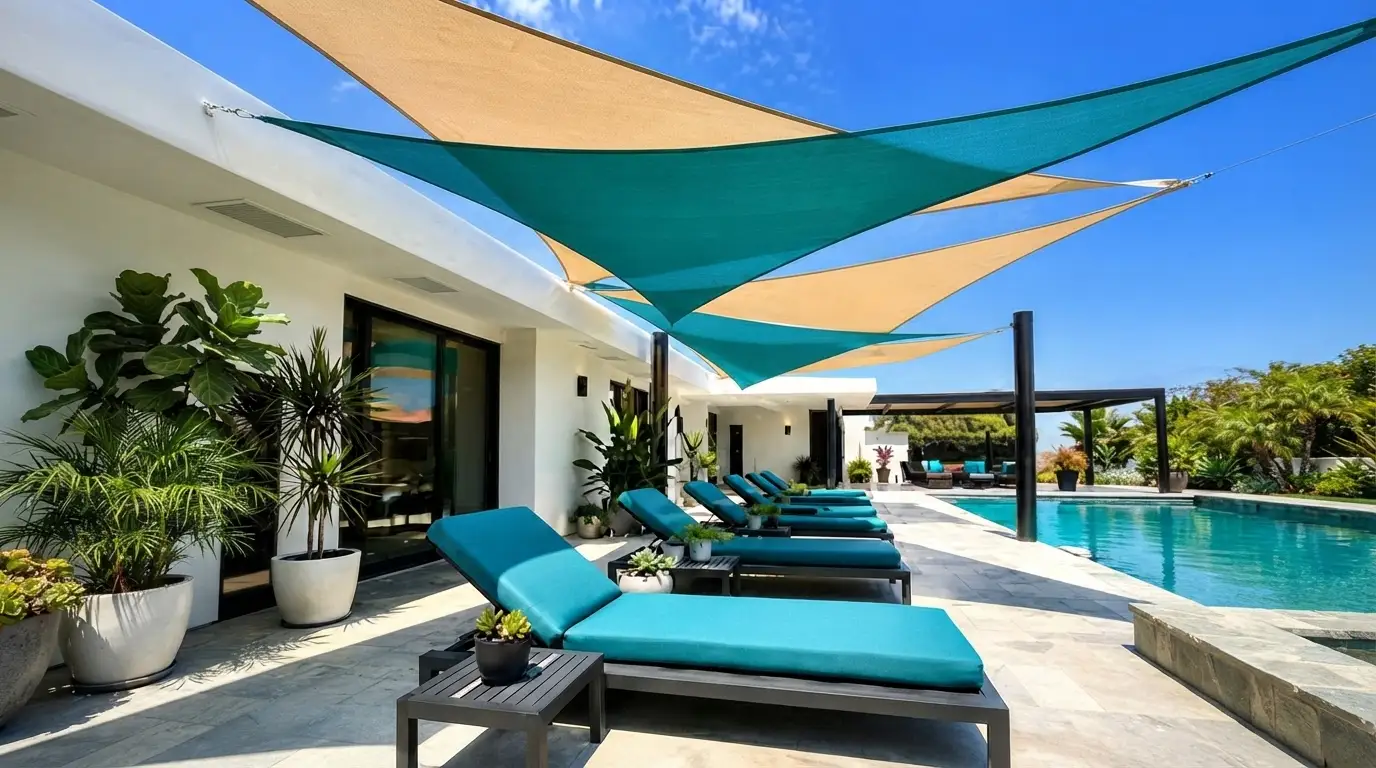
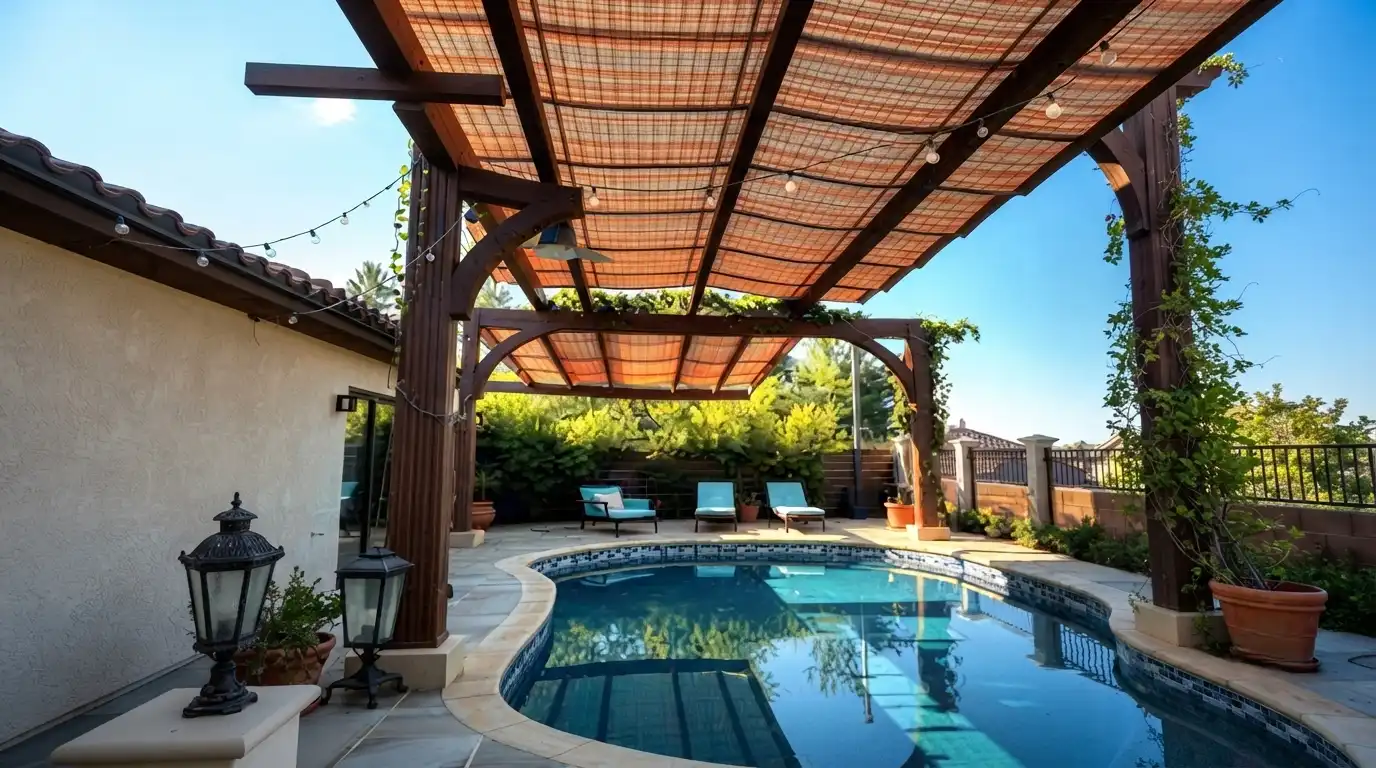
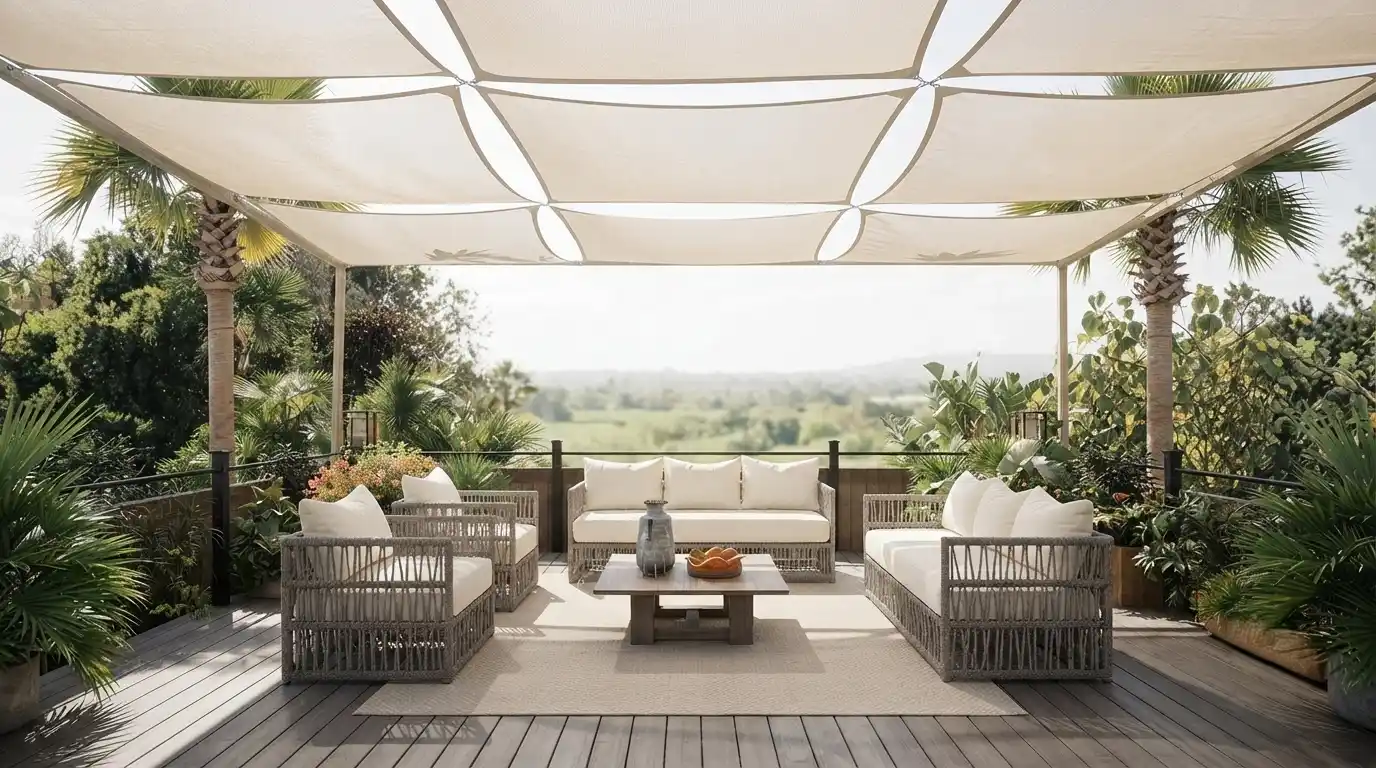
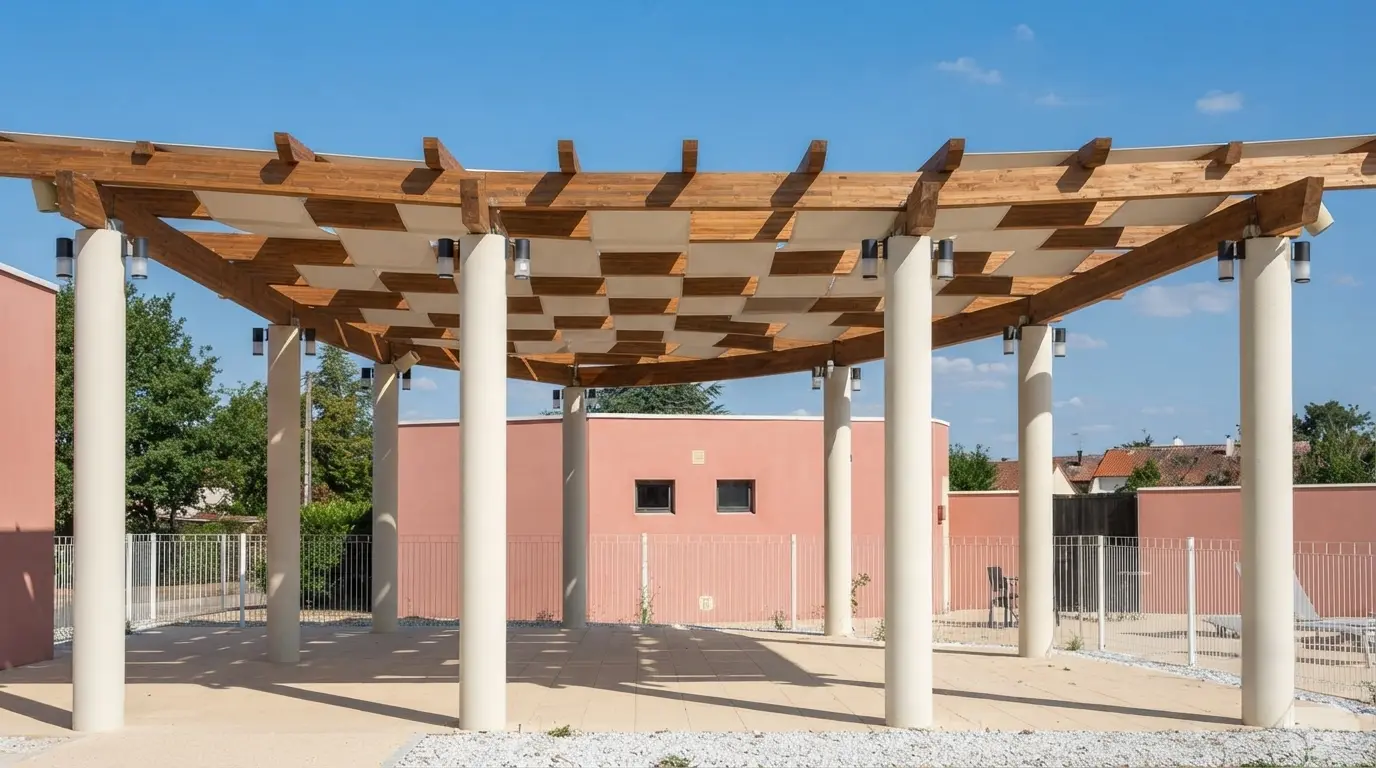
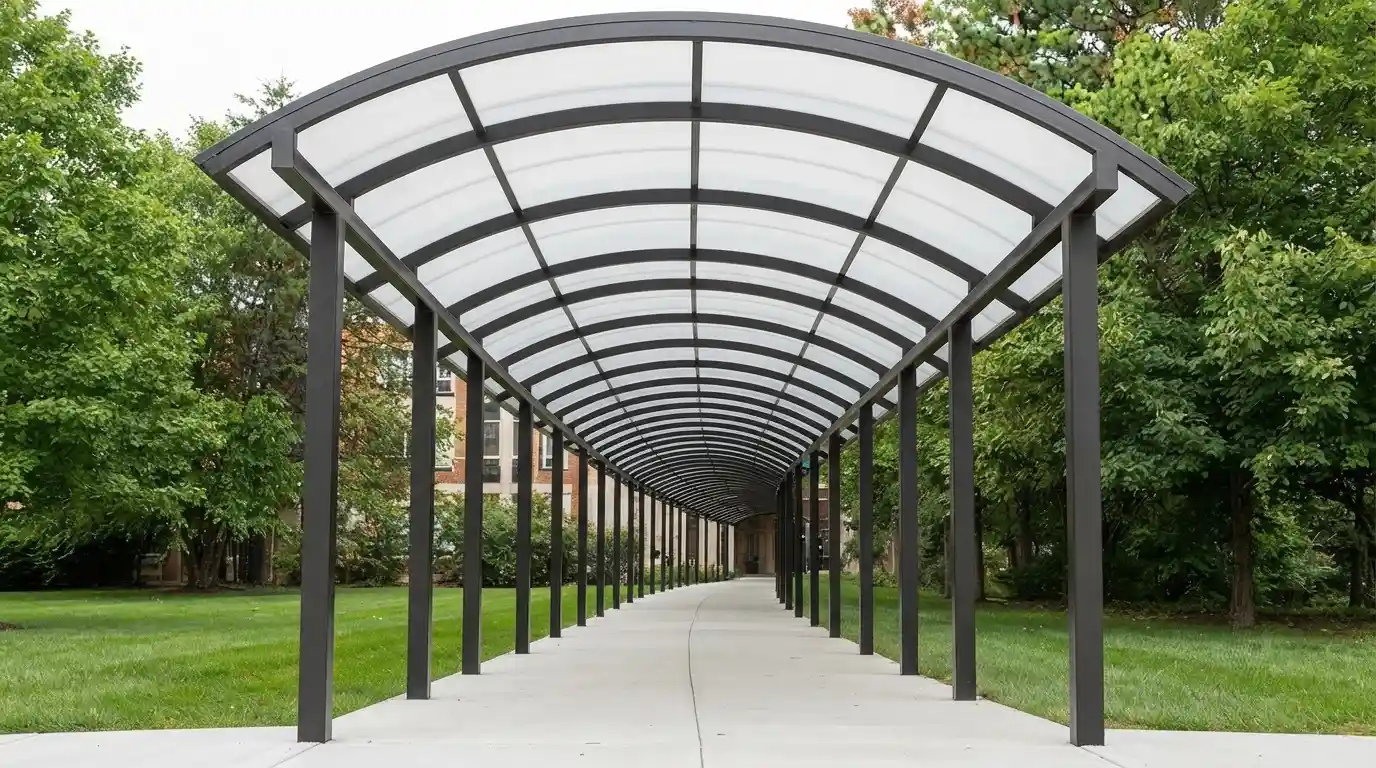
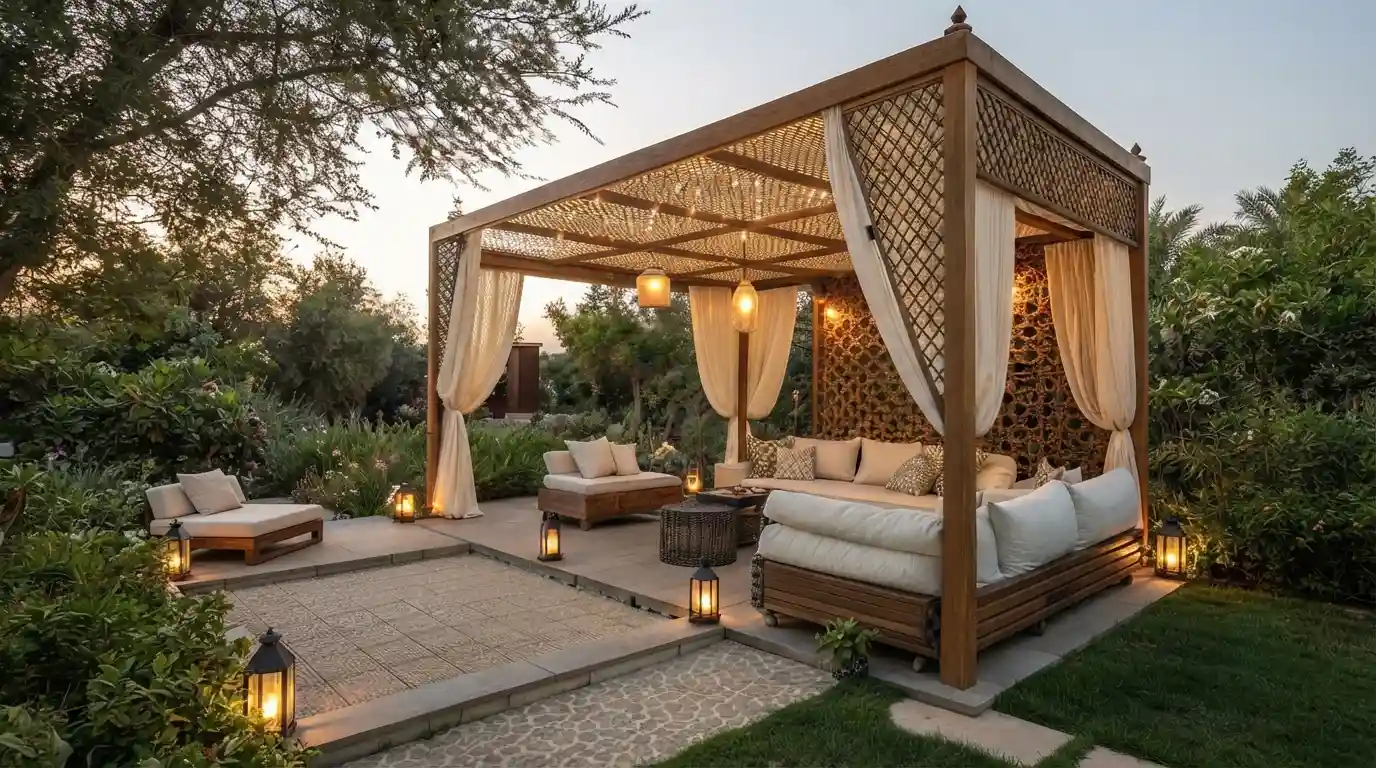
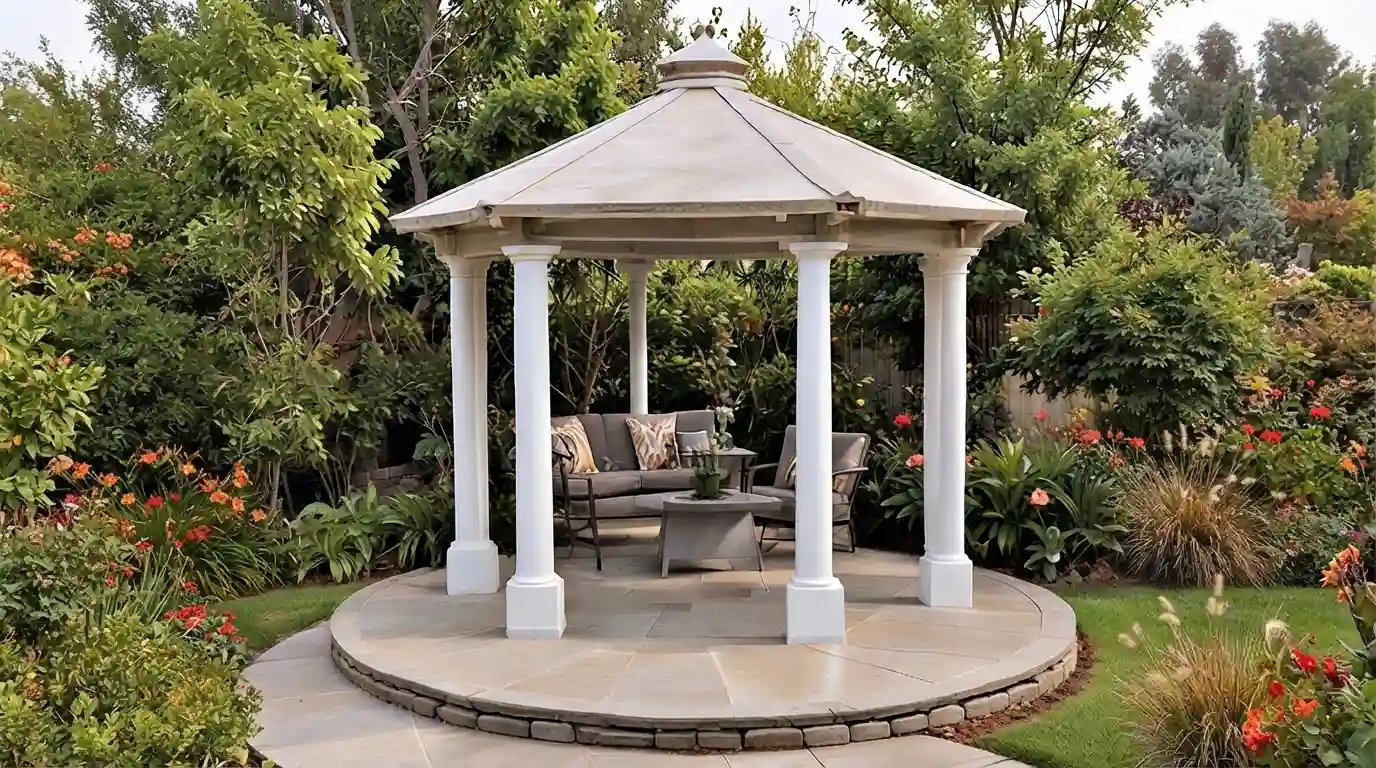
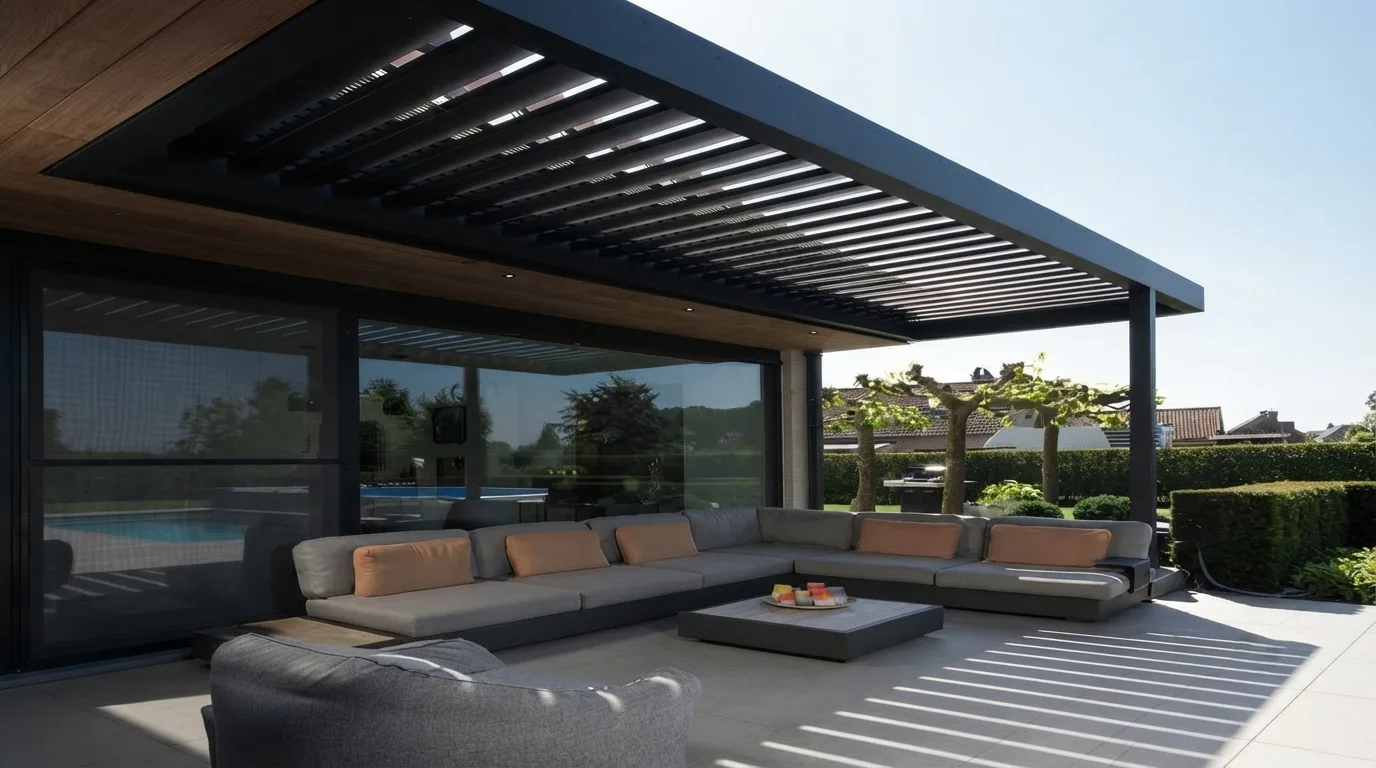
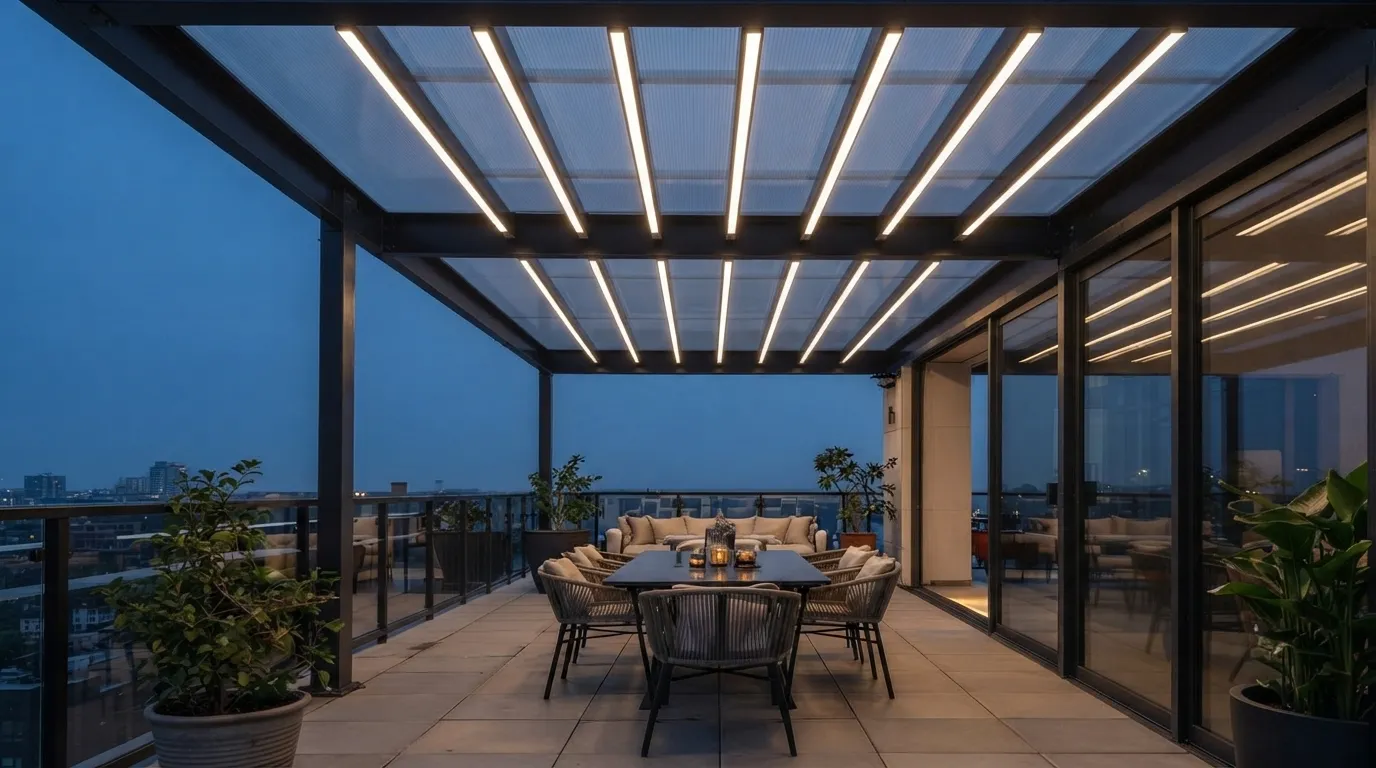
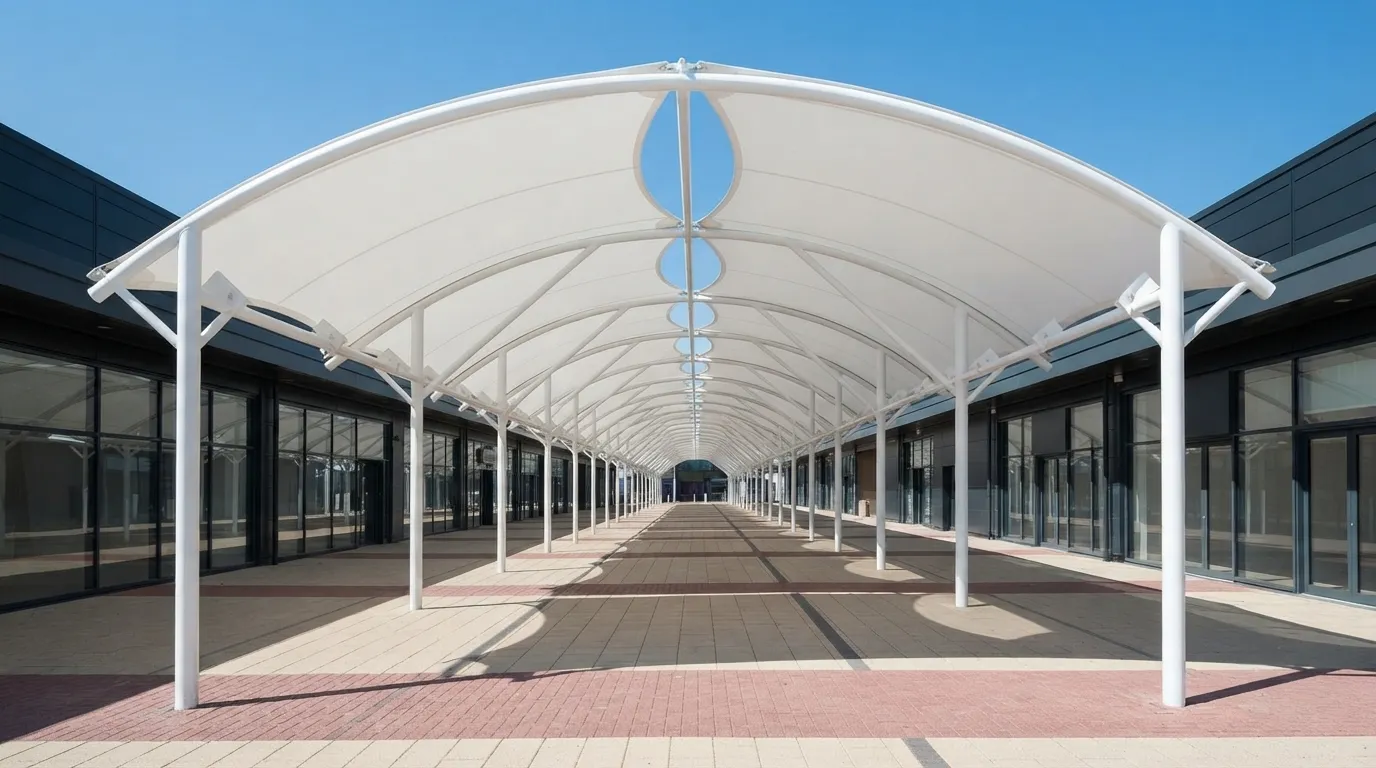
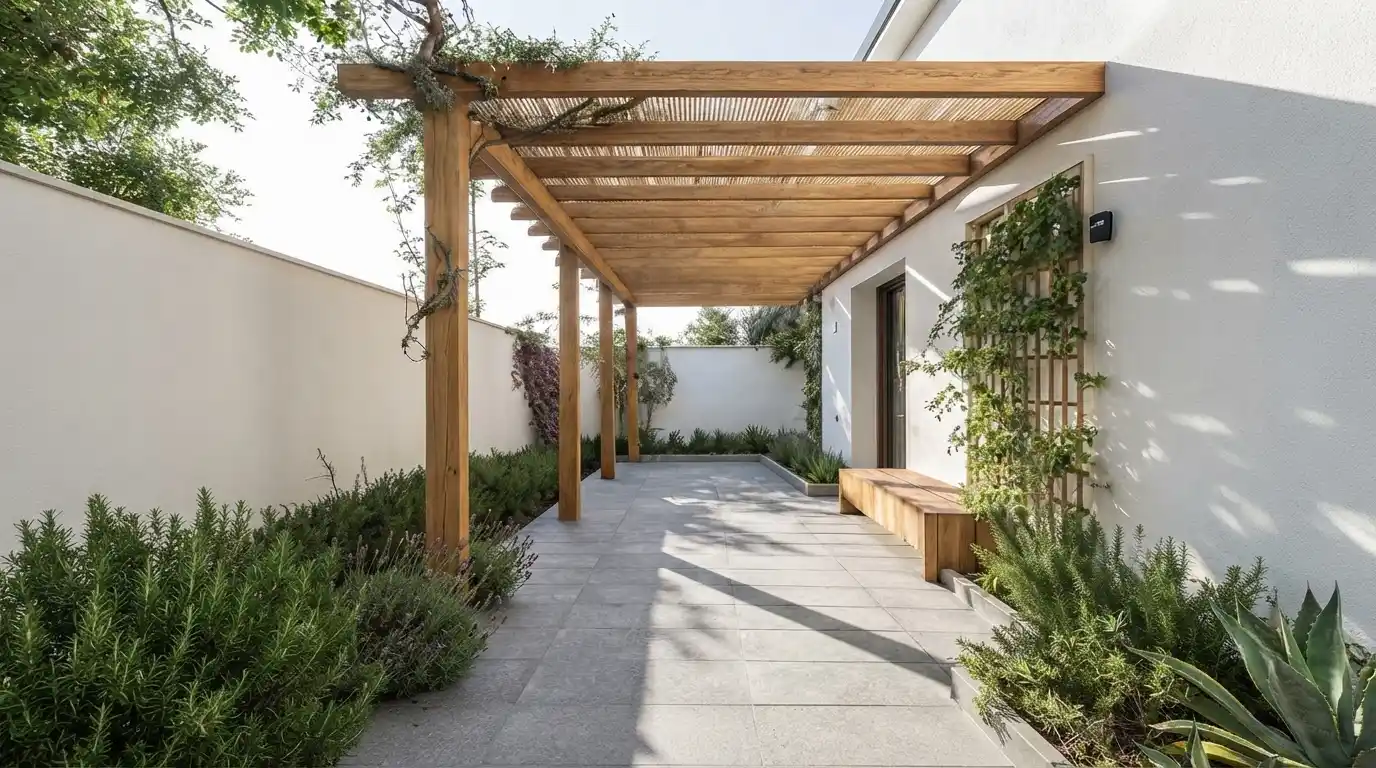
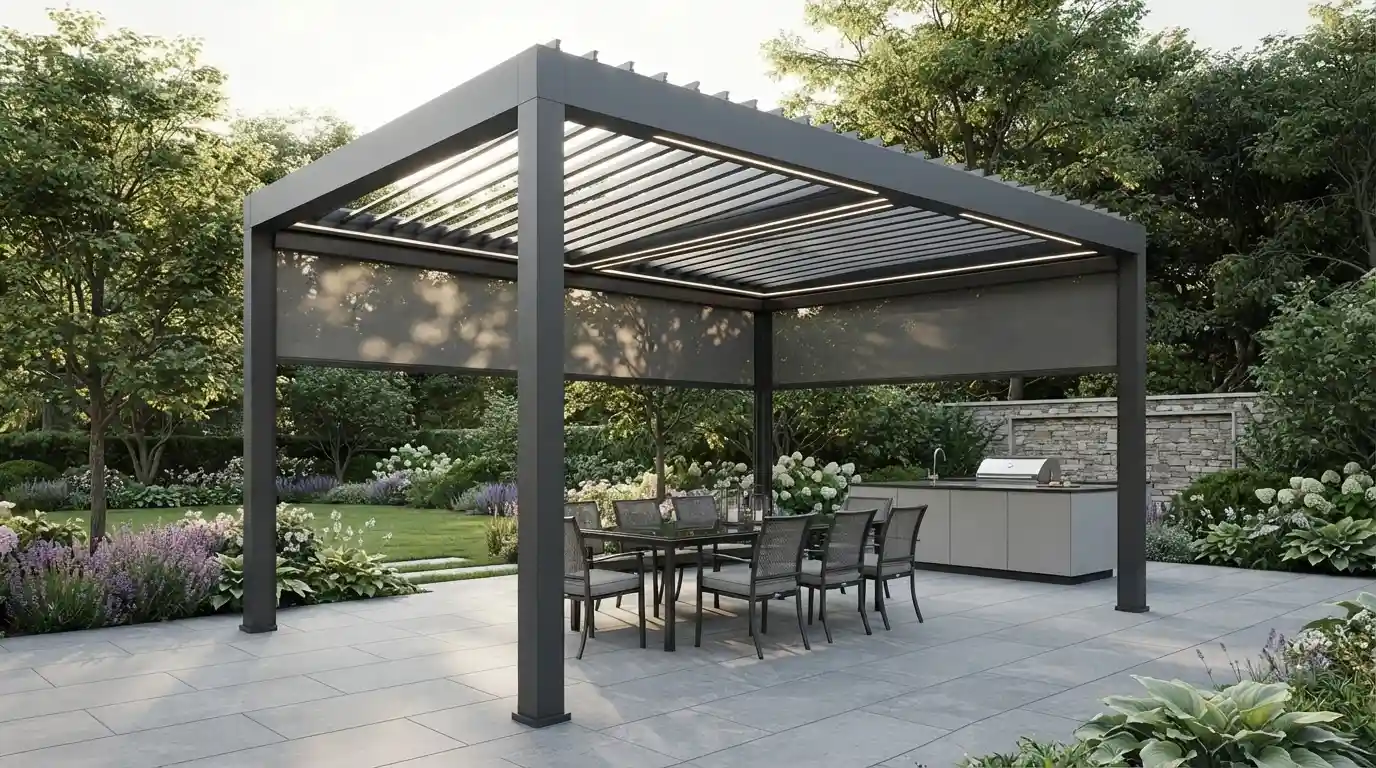
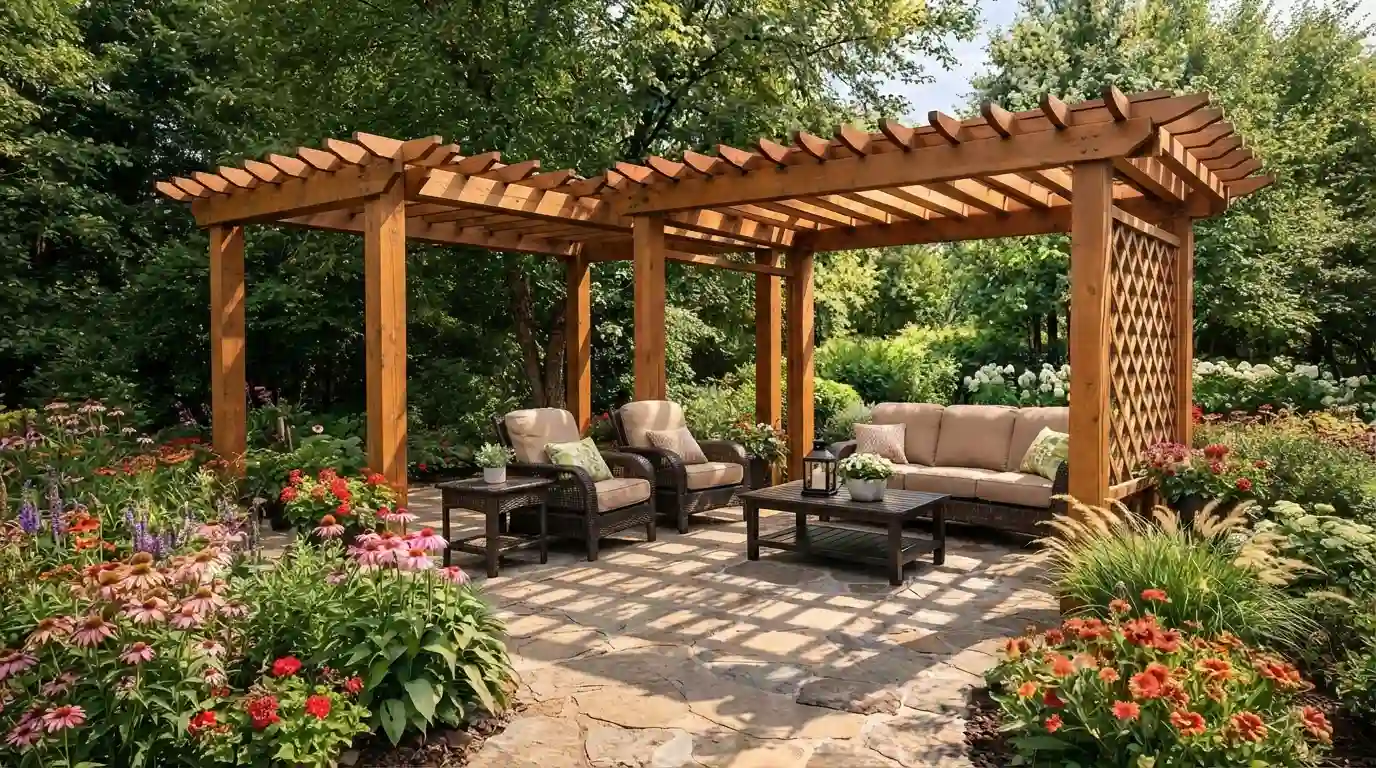
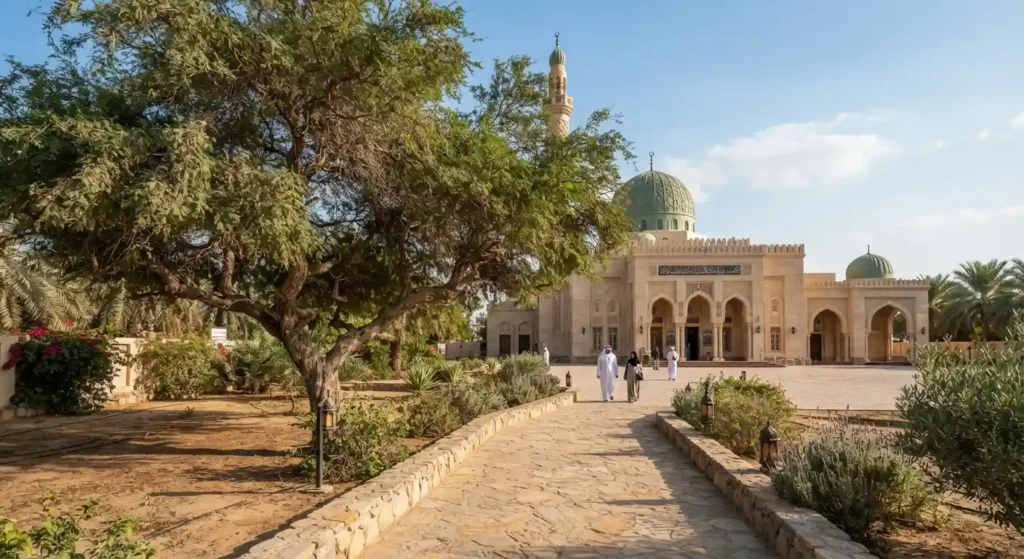
Shaded arcades, pergolas, or tree canopies along the approach path and outdoor prayer overflow areas make a real difference during summer Friday prayers. This is one of the most requested upgrades we get from mosque committees.
4. A Peaceful, Not Decorative, Palette
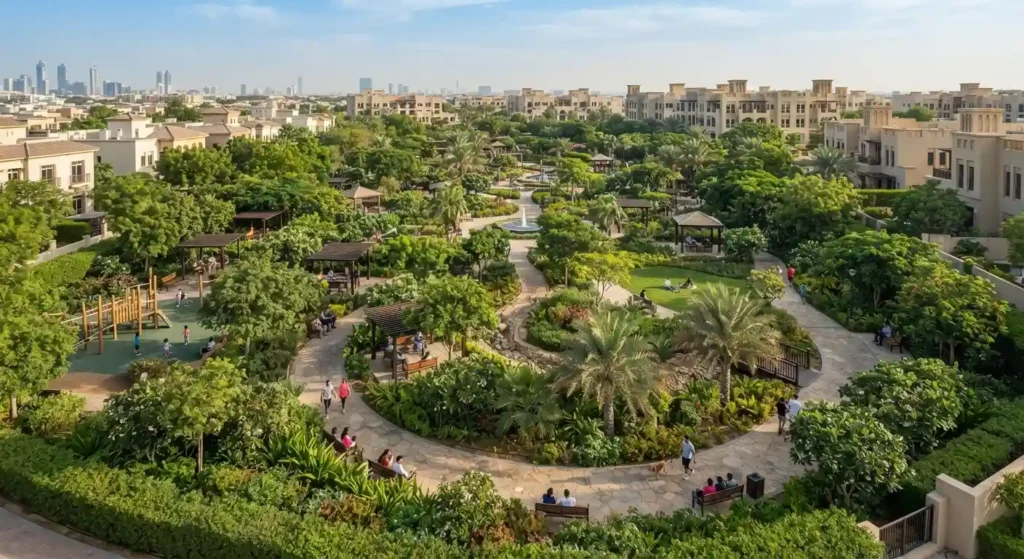
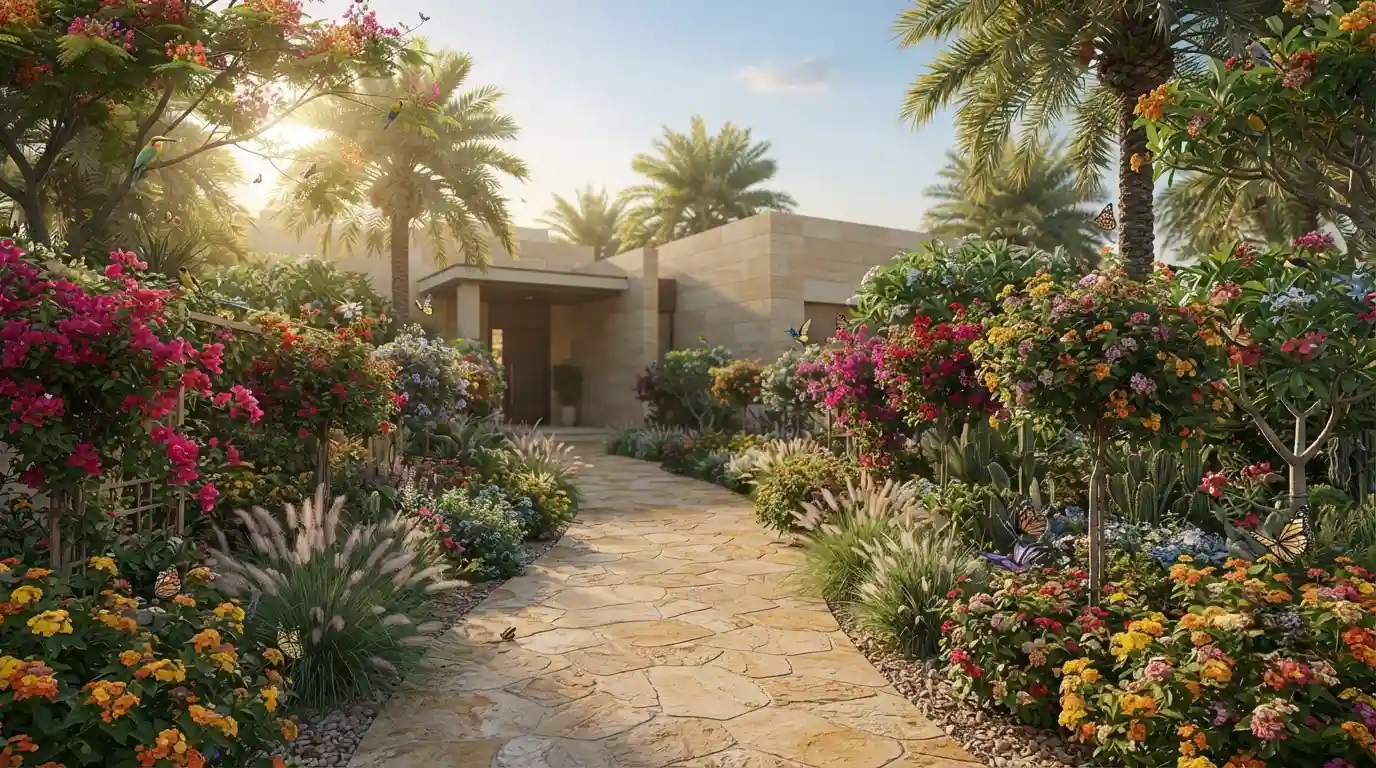
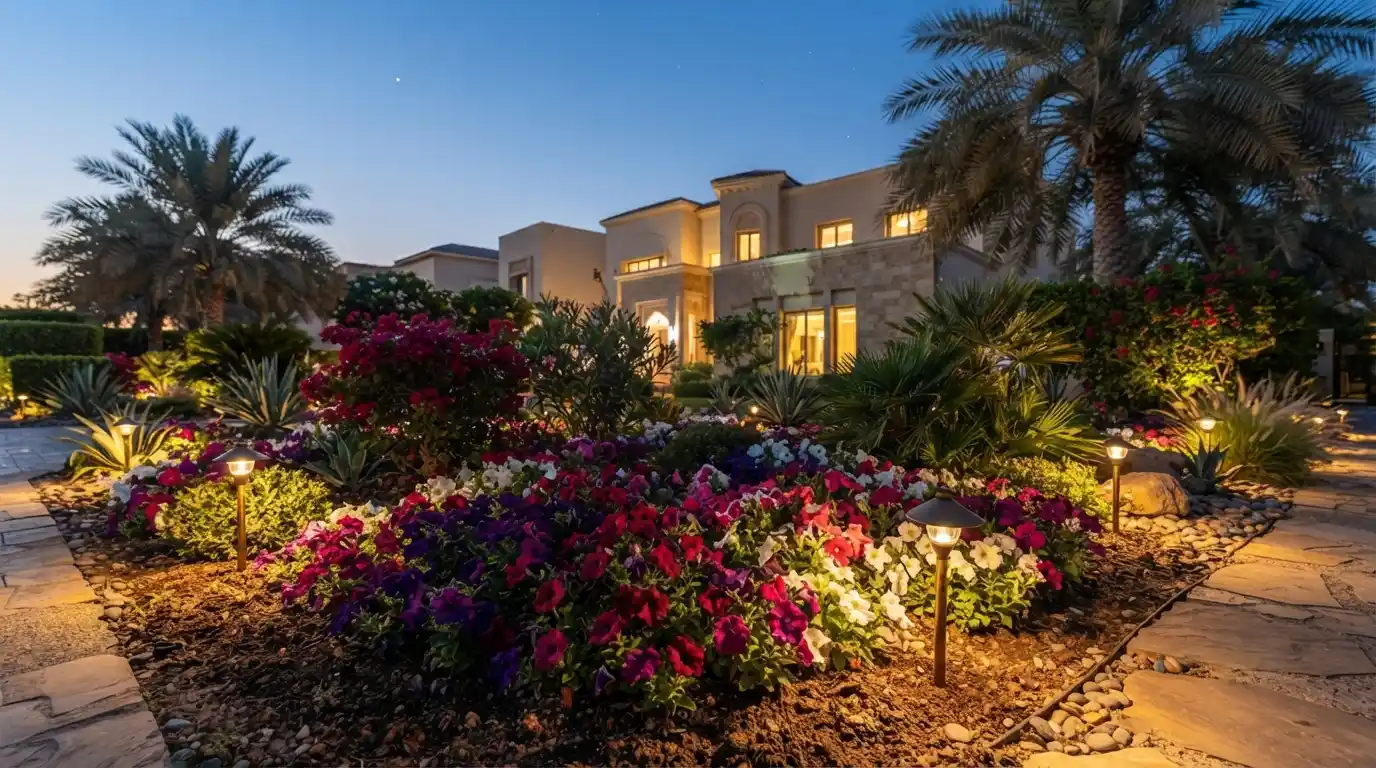
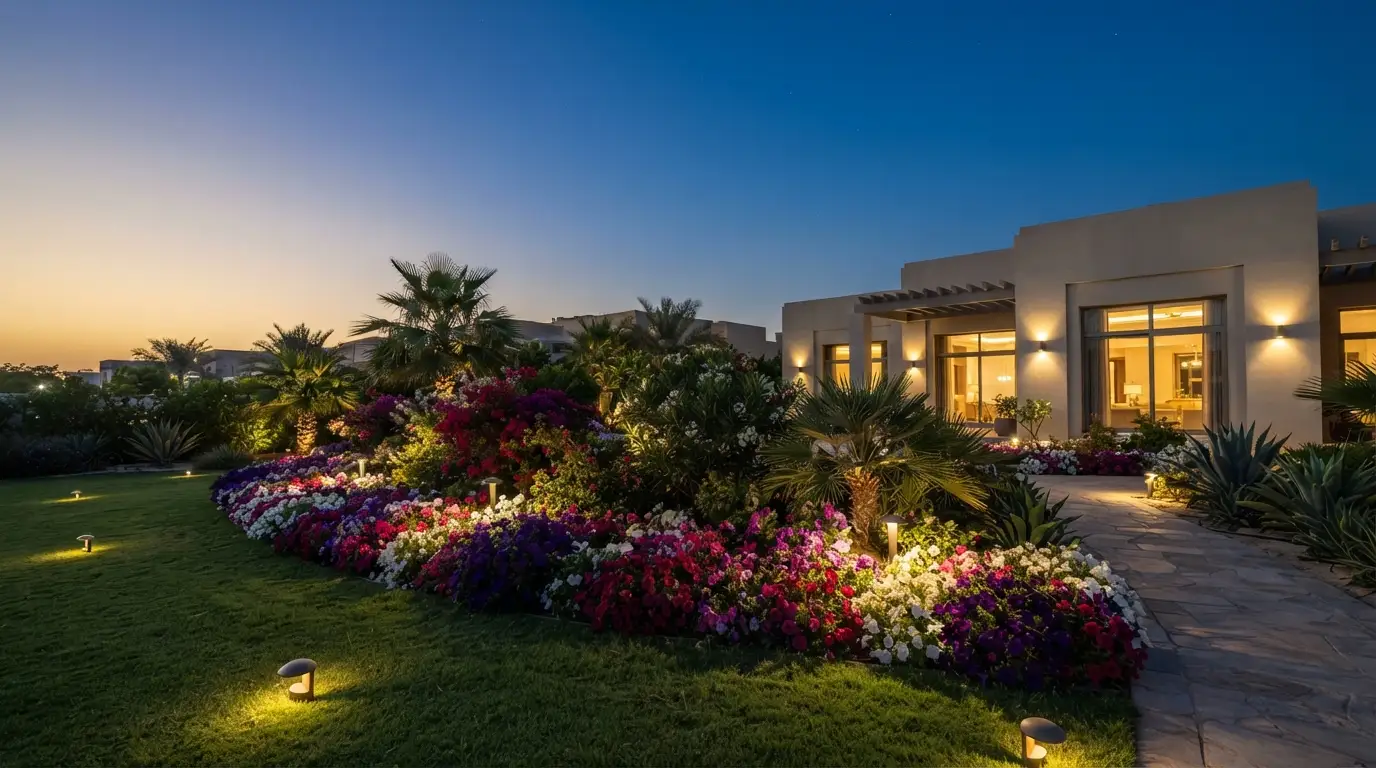
Green foliage, white or neutral stone, and the occasional flowering shrub (like jasmine, prized for its fragrance during evening prayers) work better than bright, mixed flower beds. The goal is quiet beauty, not a showcase garden.
5. Respect for the Ablution (Wudu) Area
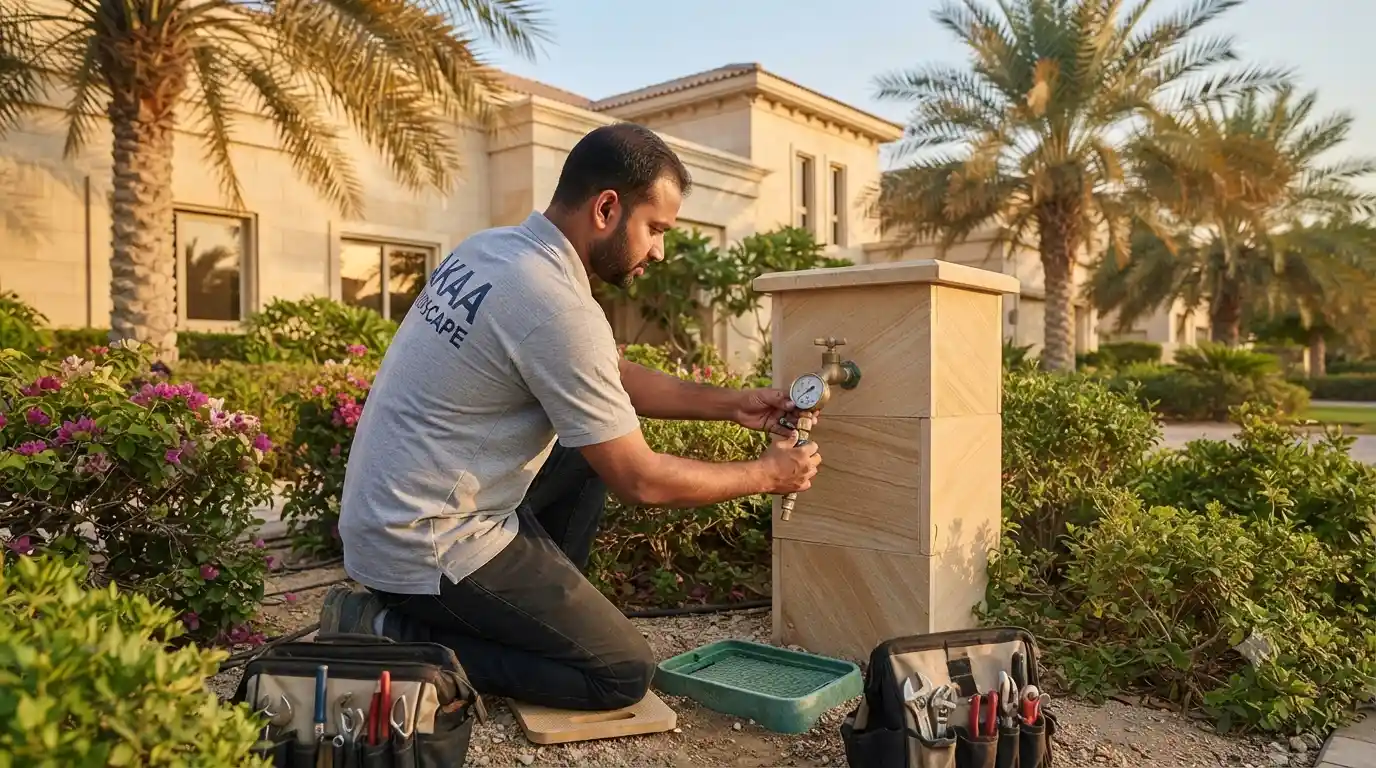
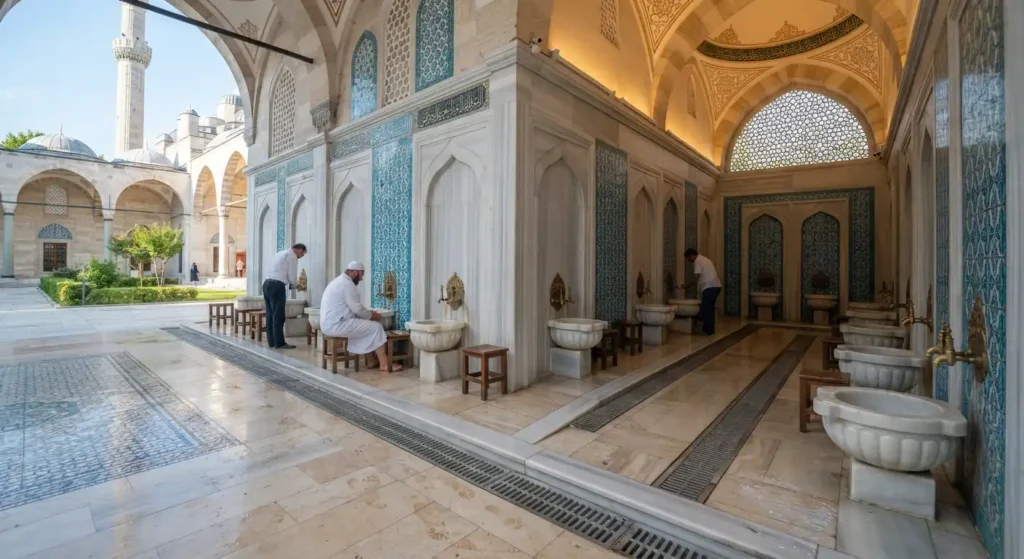
Landscaping near the wudu area needs proper drainage, slip-resistant paving, and planting that will not be damaged by frequent water contact. This zone gets overlooked in early design stages more than any other.
6. Boundary Planting for Privacy and Noise Buffering
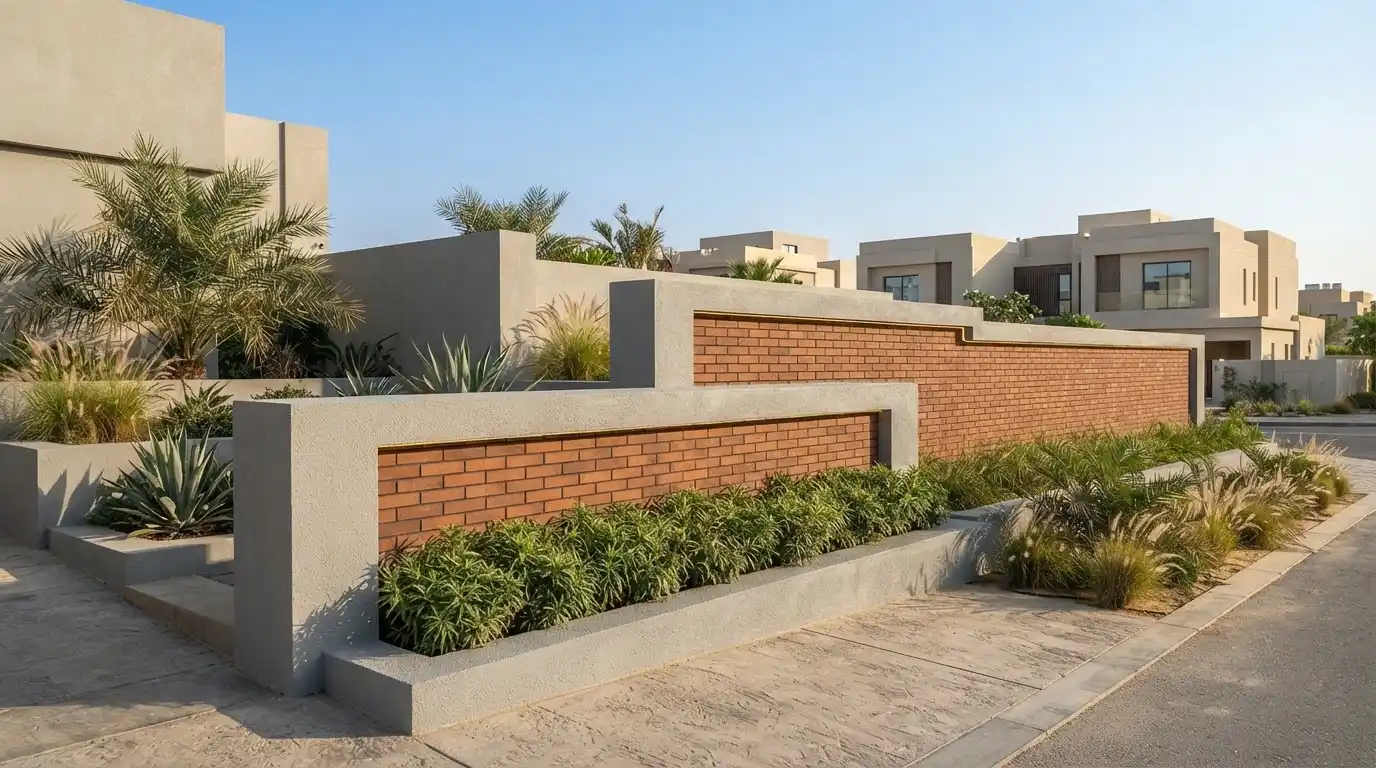
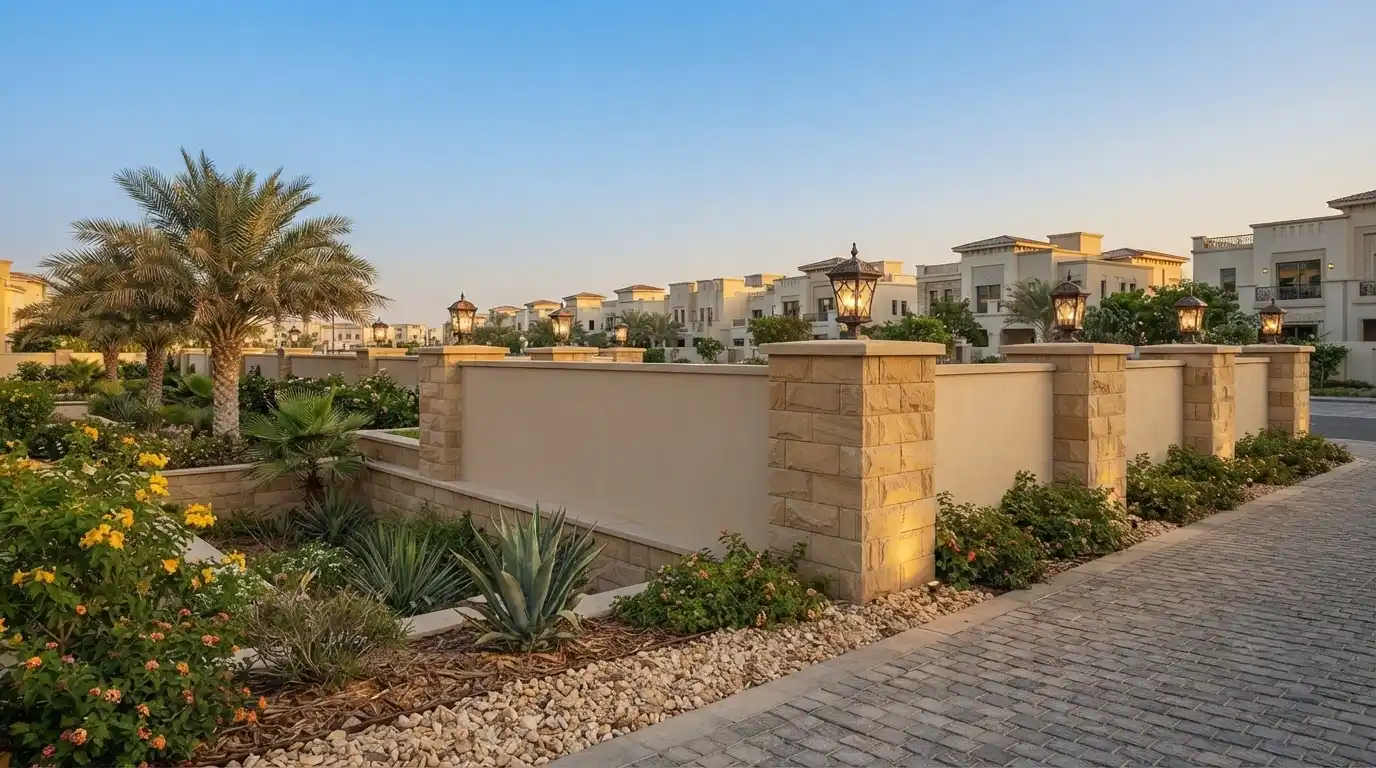
Hedges or tree lines along the mosque boundary soften noise from nearby roads and give the courtyard a sense of enclosure without blocking air flow.
Step-by-Step: Planning a Mosque Landscape Project
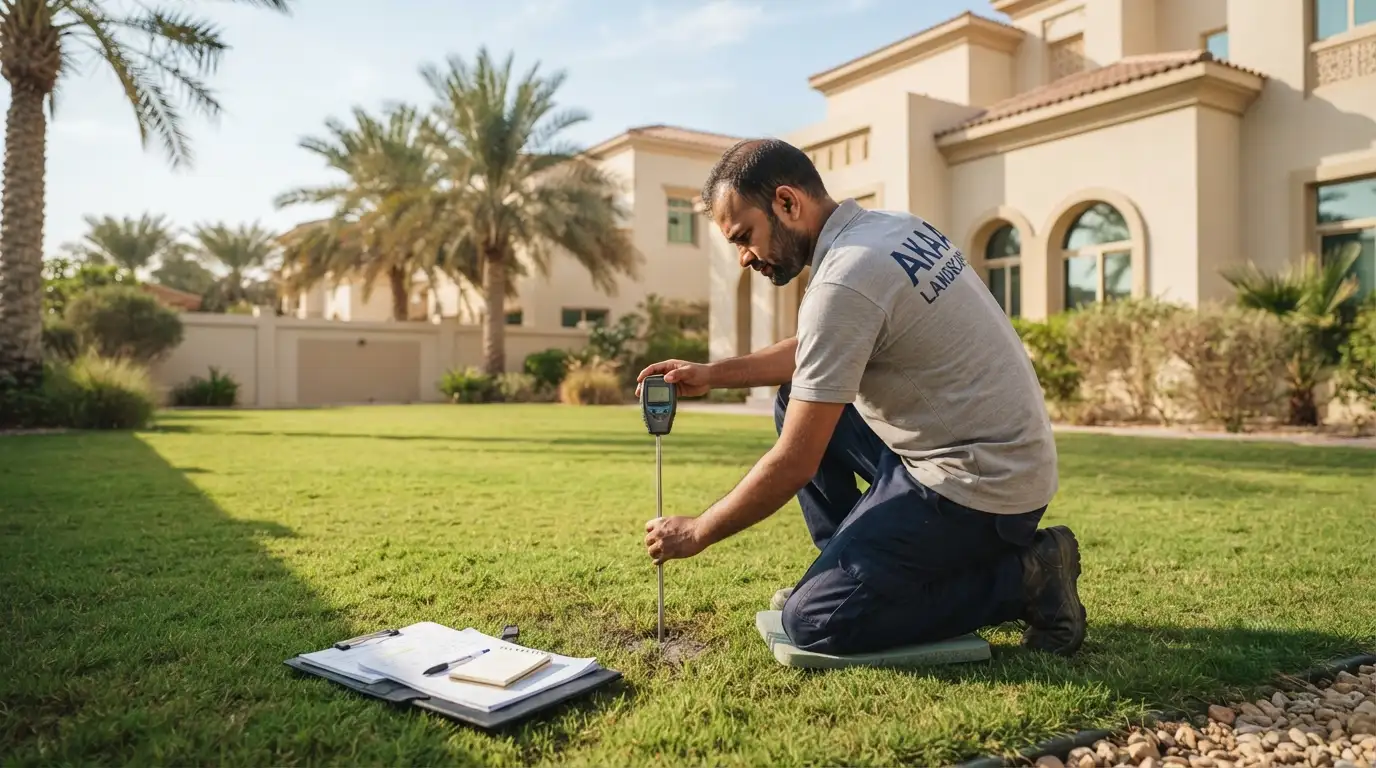
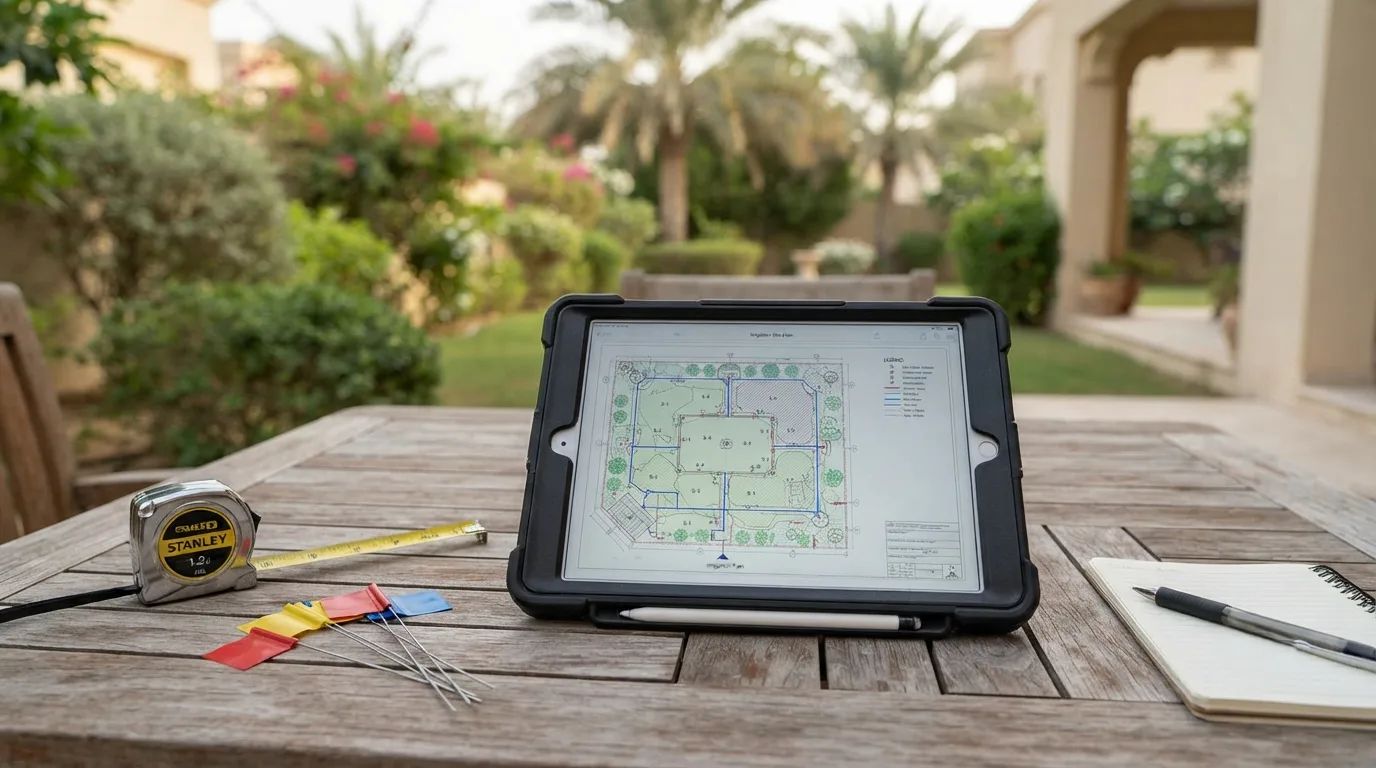
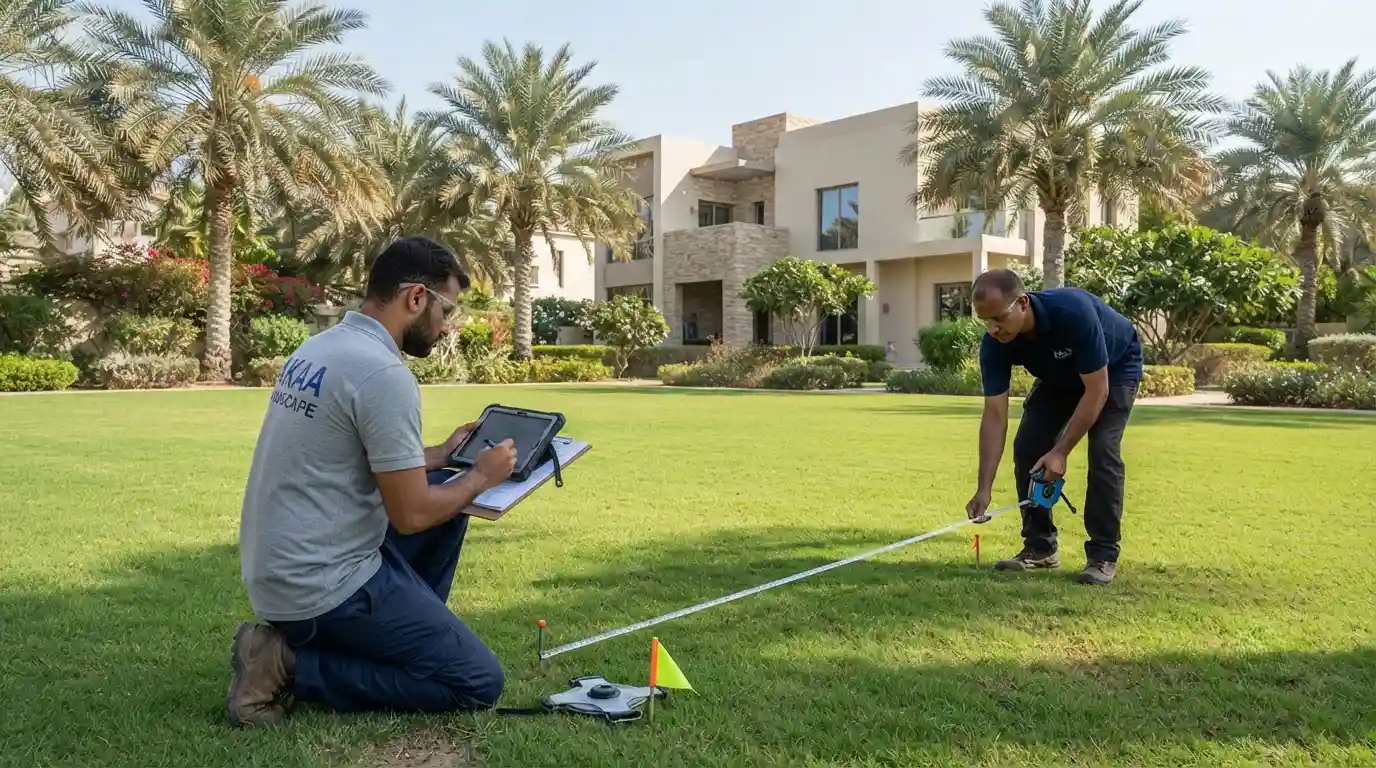
- Study the site and prayer flow. Map how people move from the car park to the entrance, to the wudu area, to the prayer hall, and back out. Landscaping should support this flow, not interrupt it.
- Set the shade and seating plan. Decide where elderly worshippers or families will wait, and place shaded seating or pergolas there first — before deciding on decorative planting.
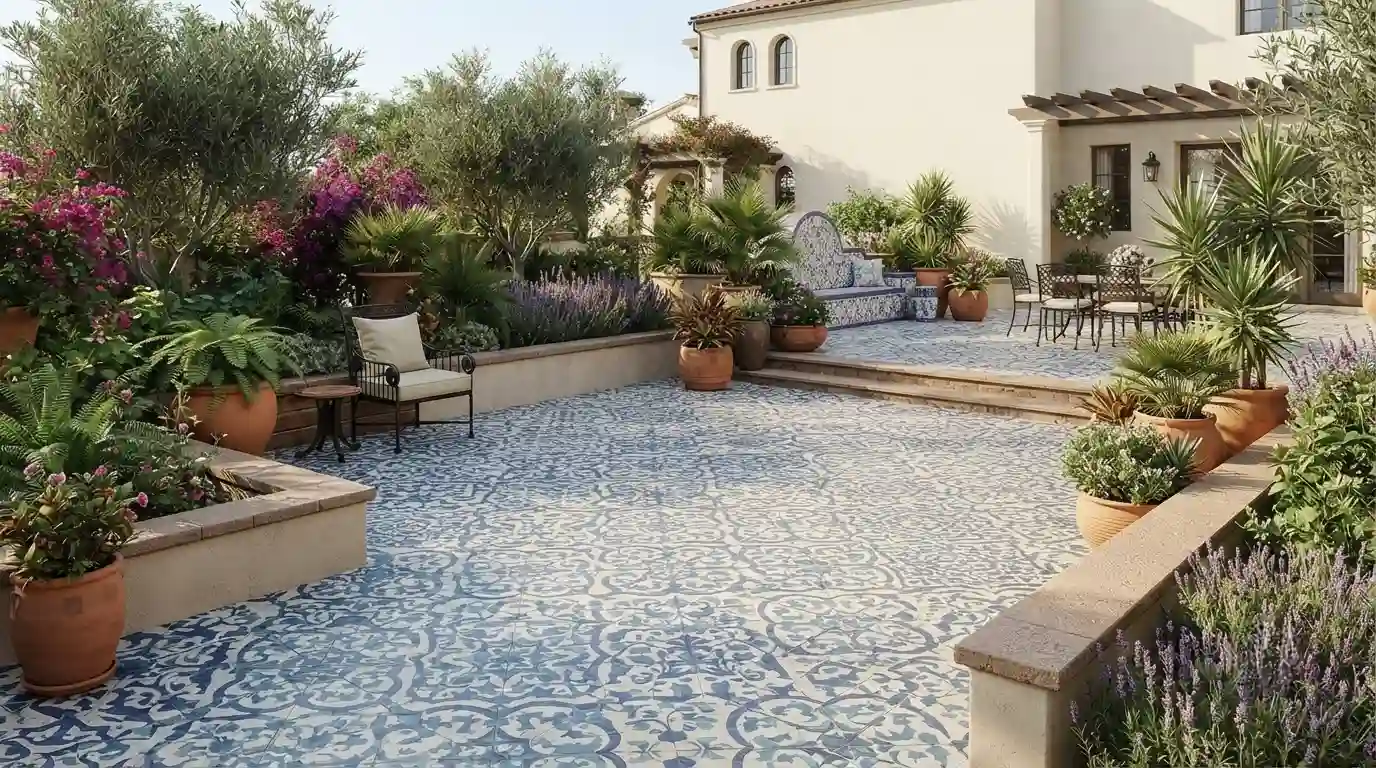
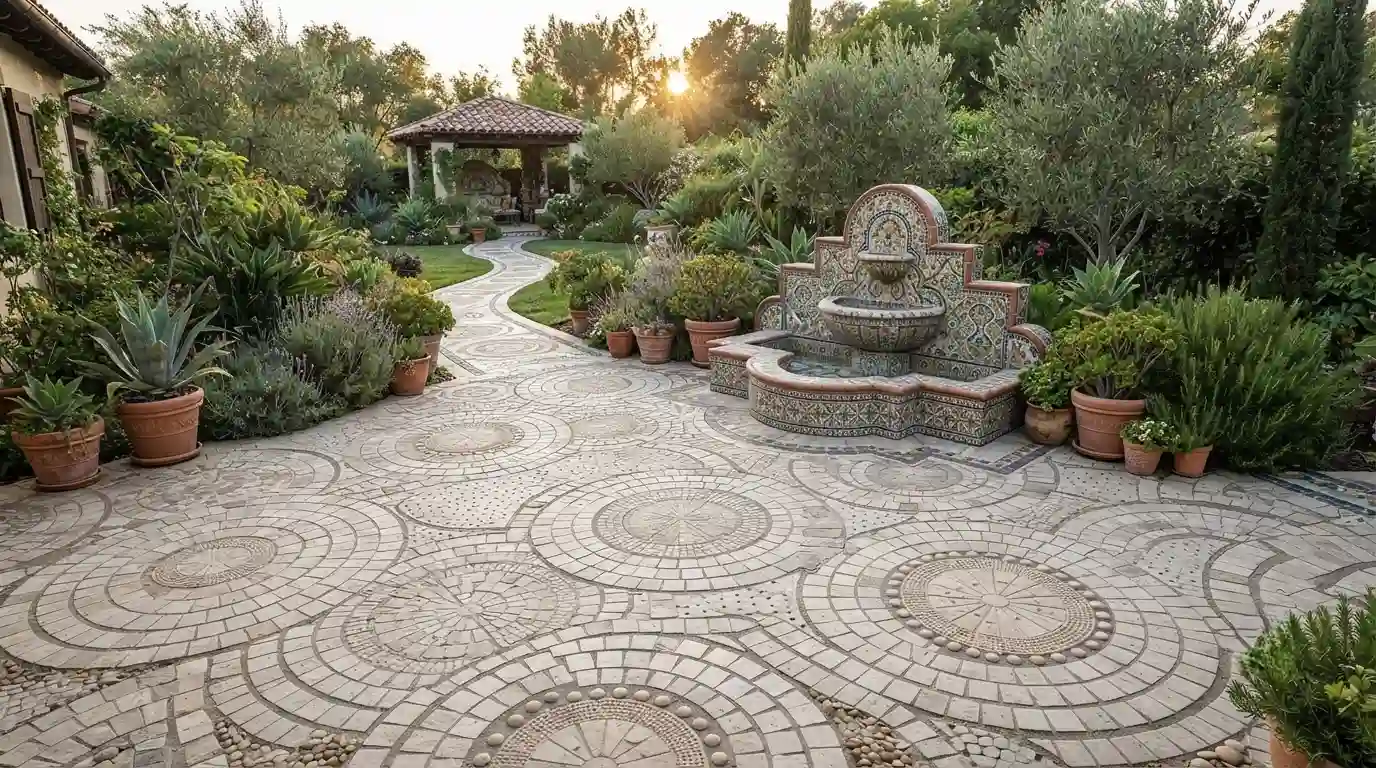
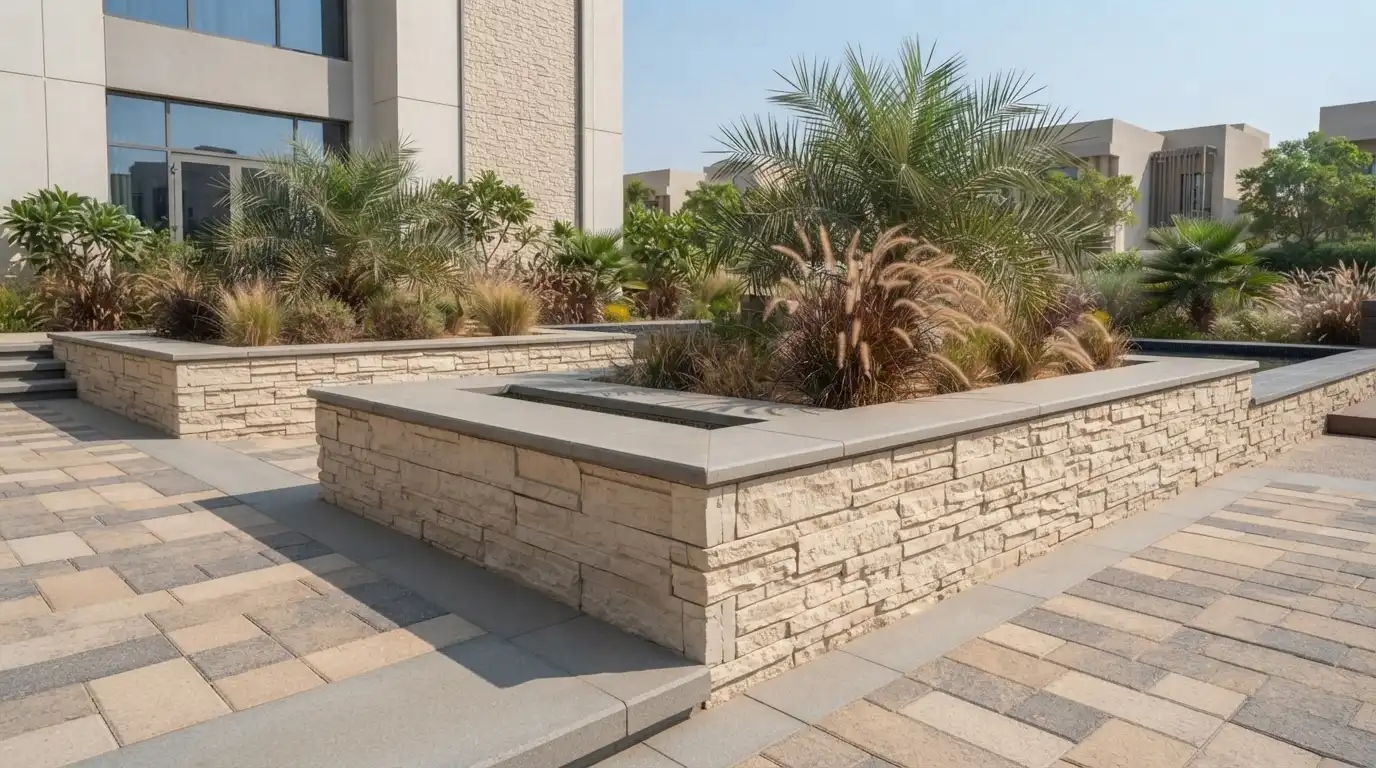
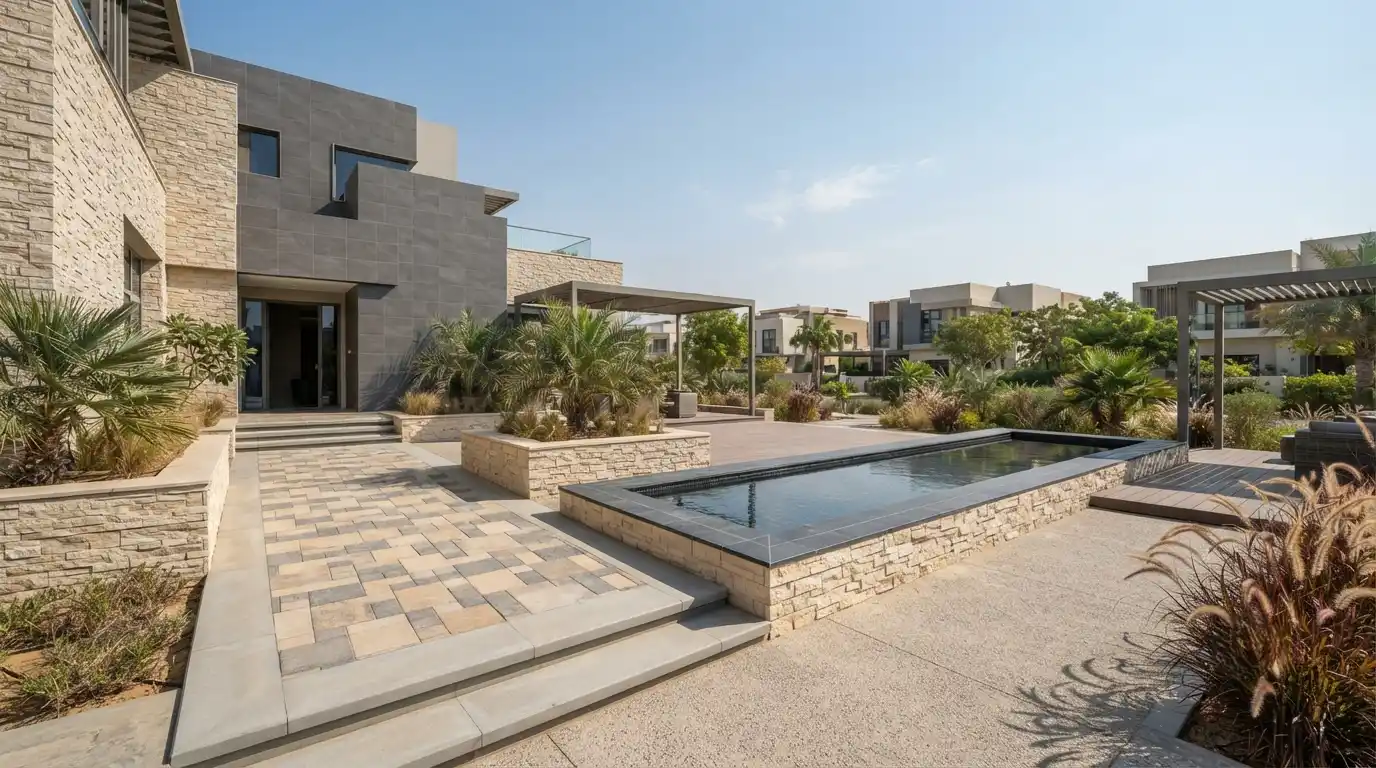
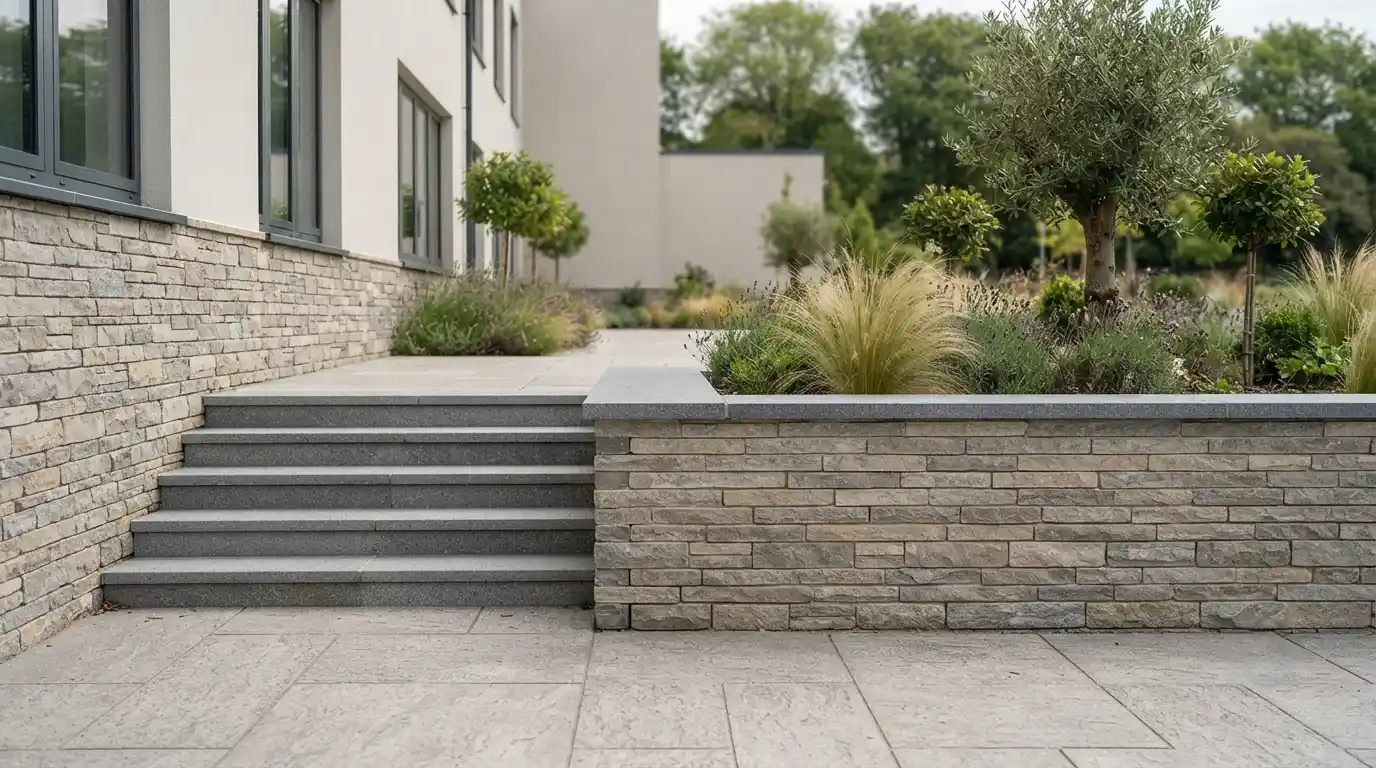
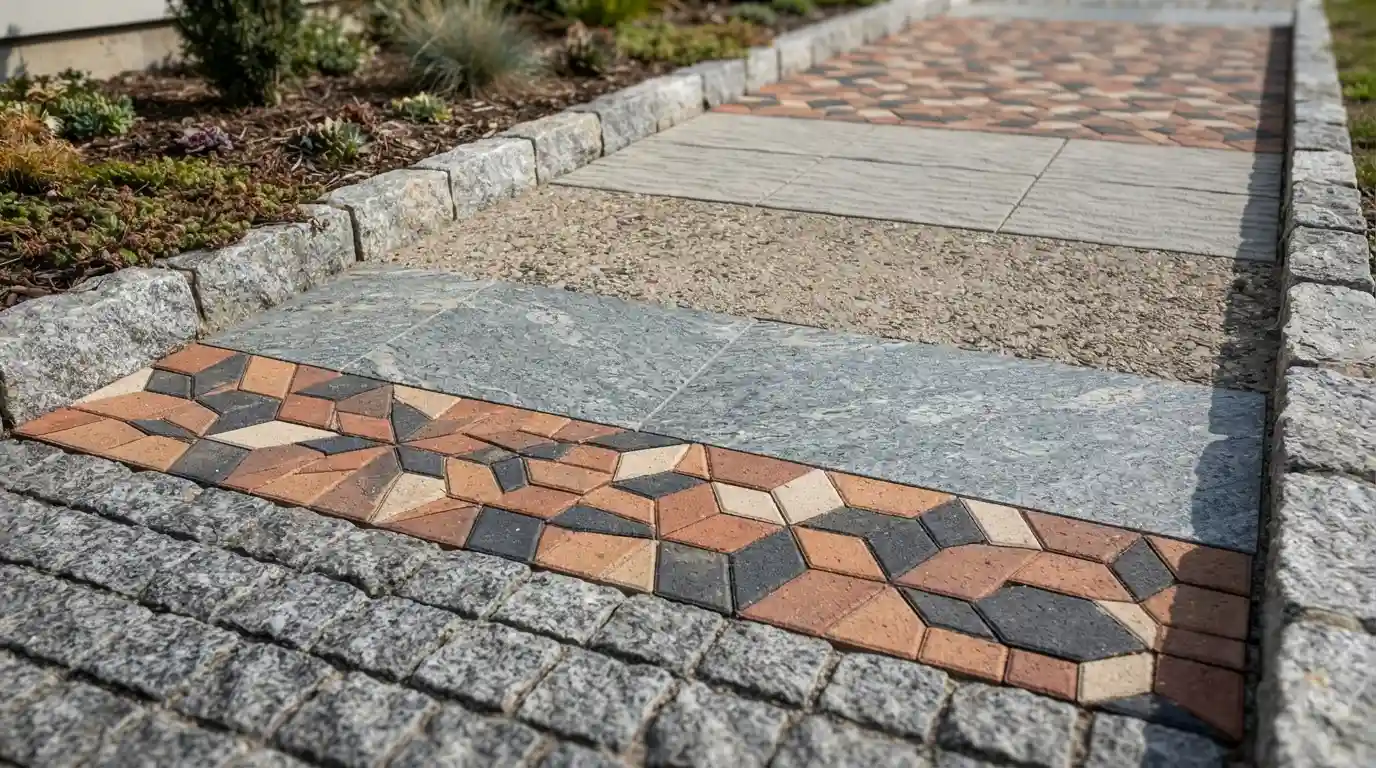
- Choose the hardscape materials. Select non-slip, heat-reflective paving for outdoor prayer courtyards and pathways. Light-coloured natural stone works well in UAE mosque projects.
- Select climate-adapted plants. Pick species that handle heat, need little water, and do not drop messy fruit, thorns, or heavy pollen near walking areas.
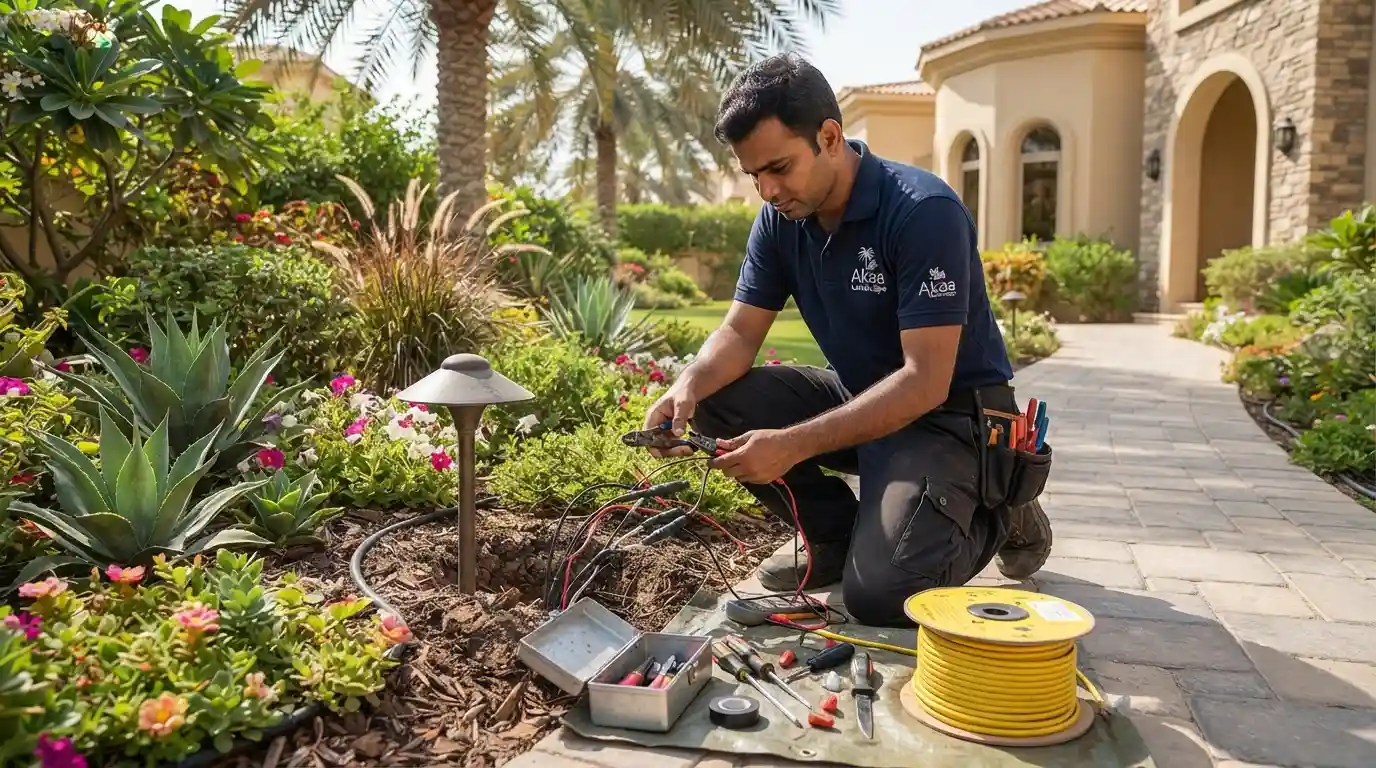
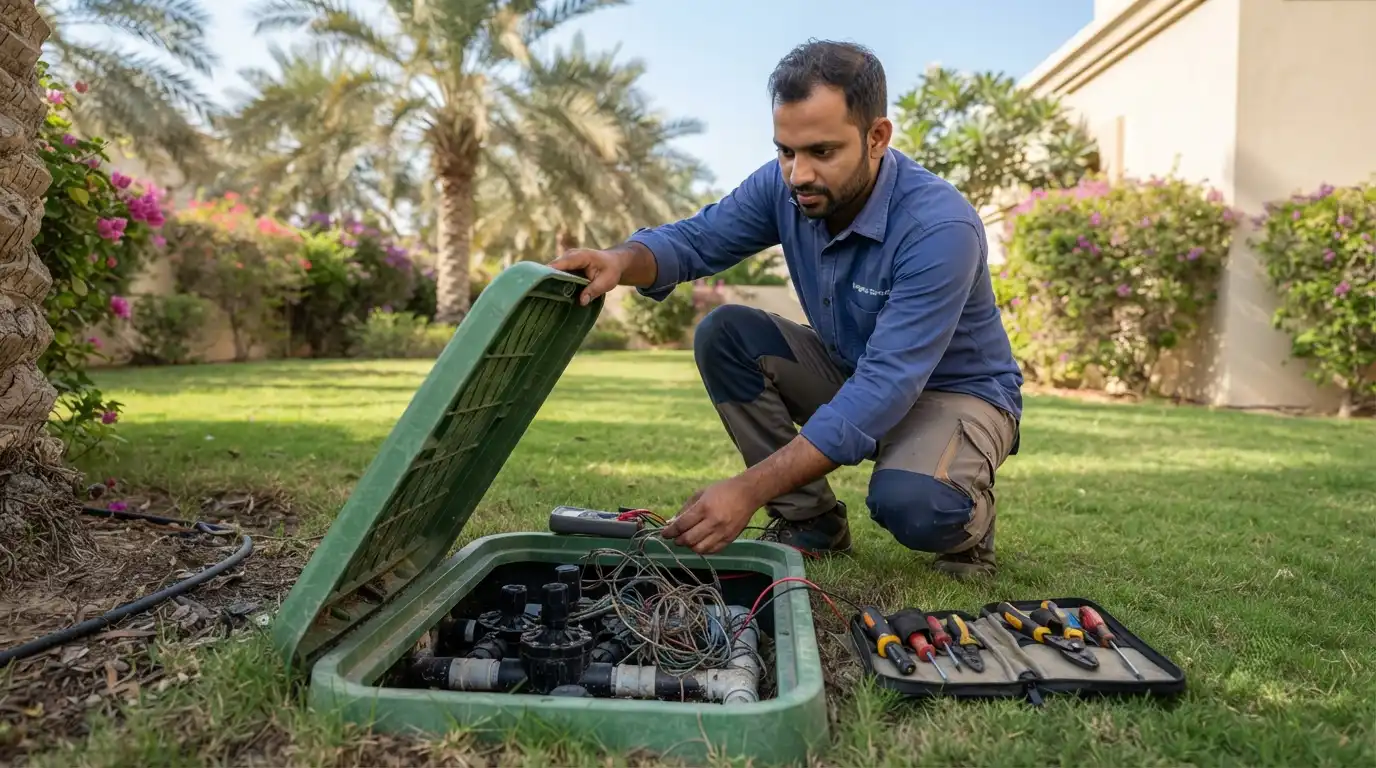
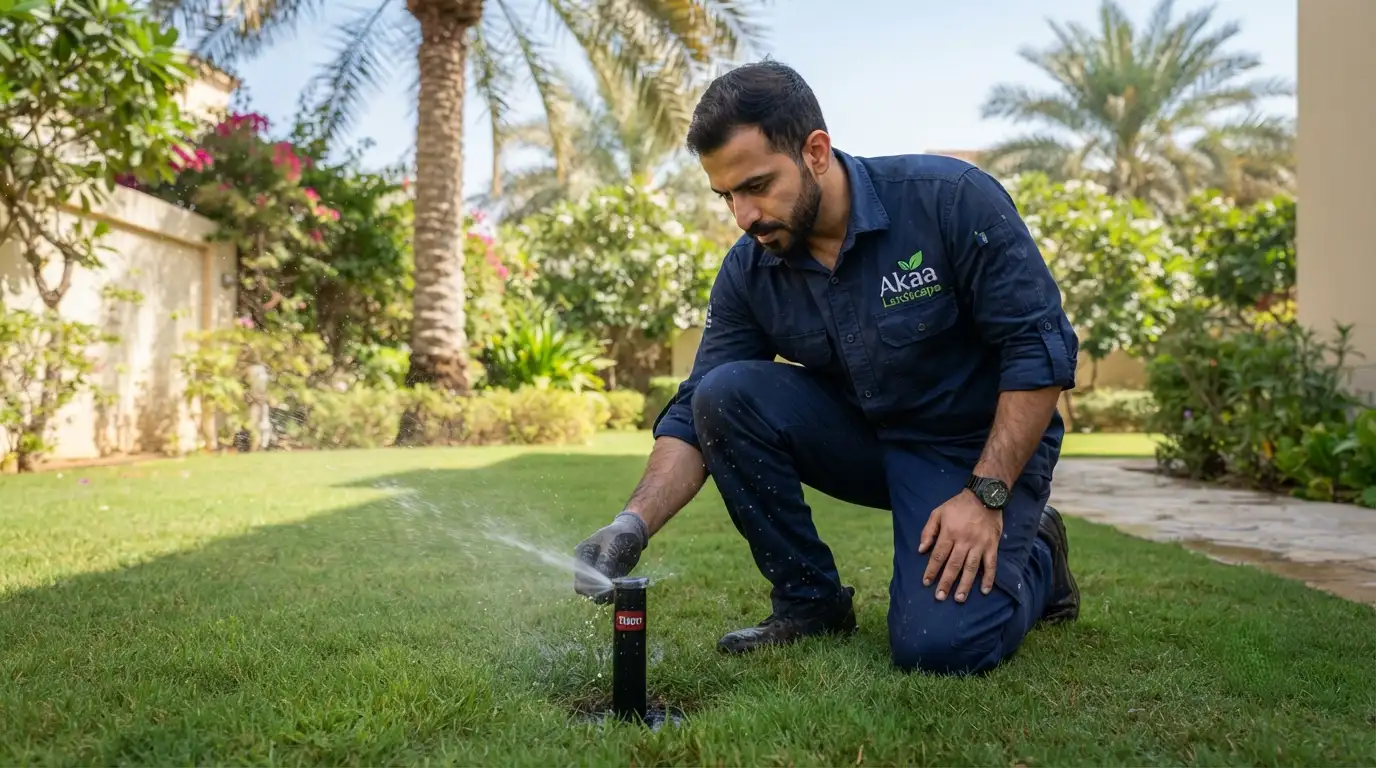
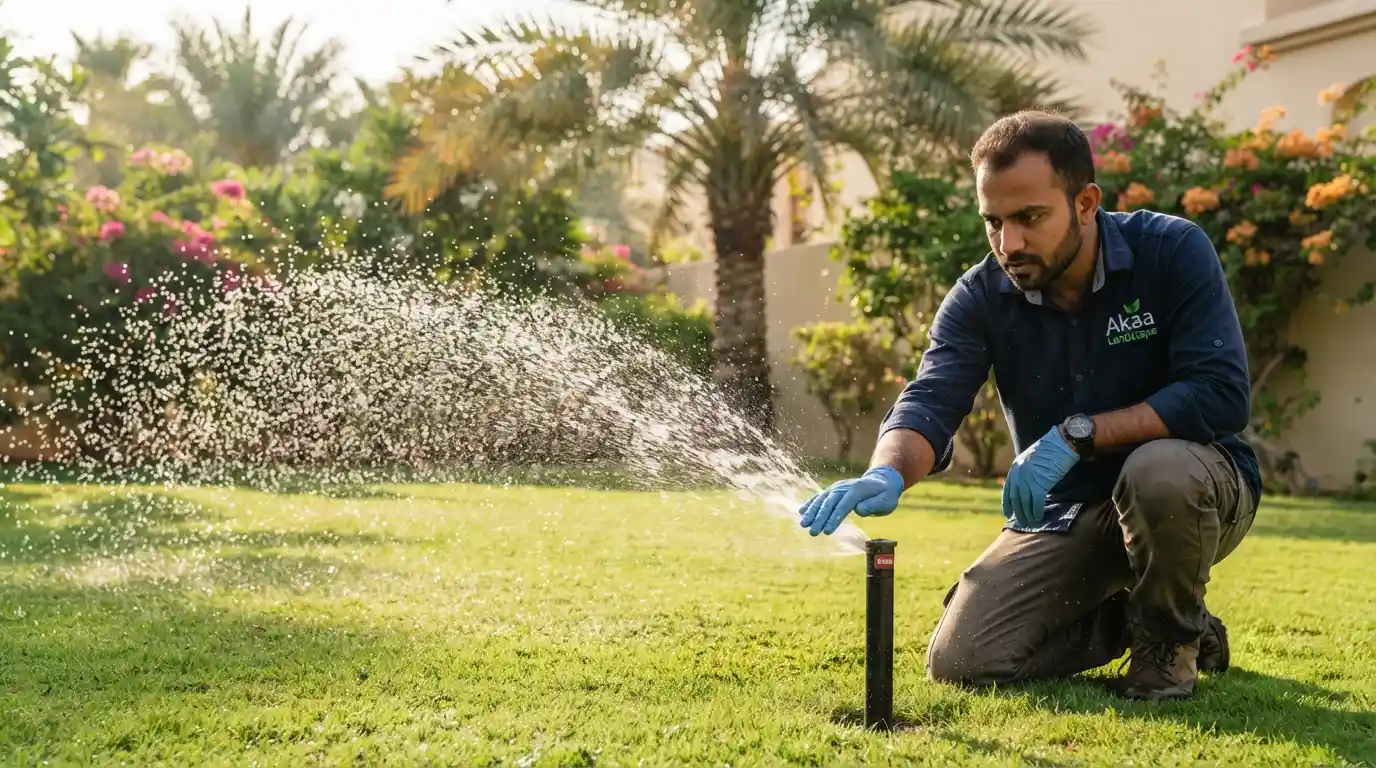
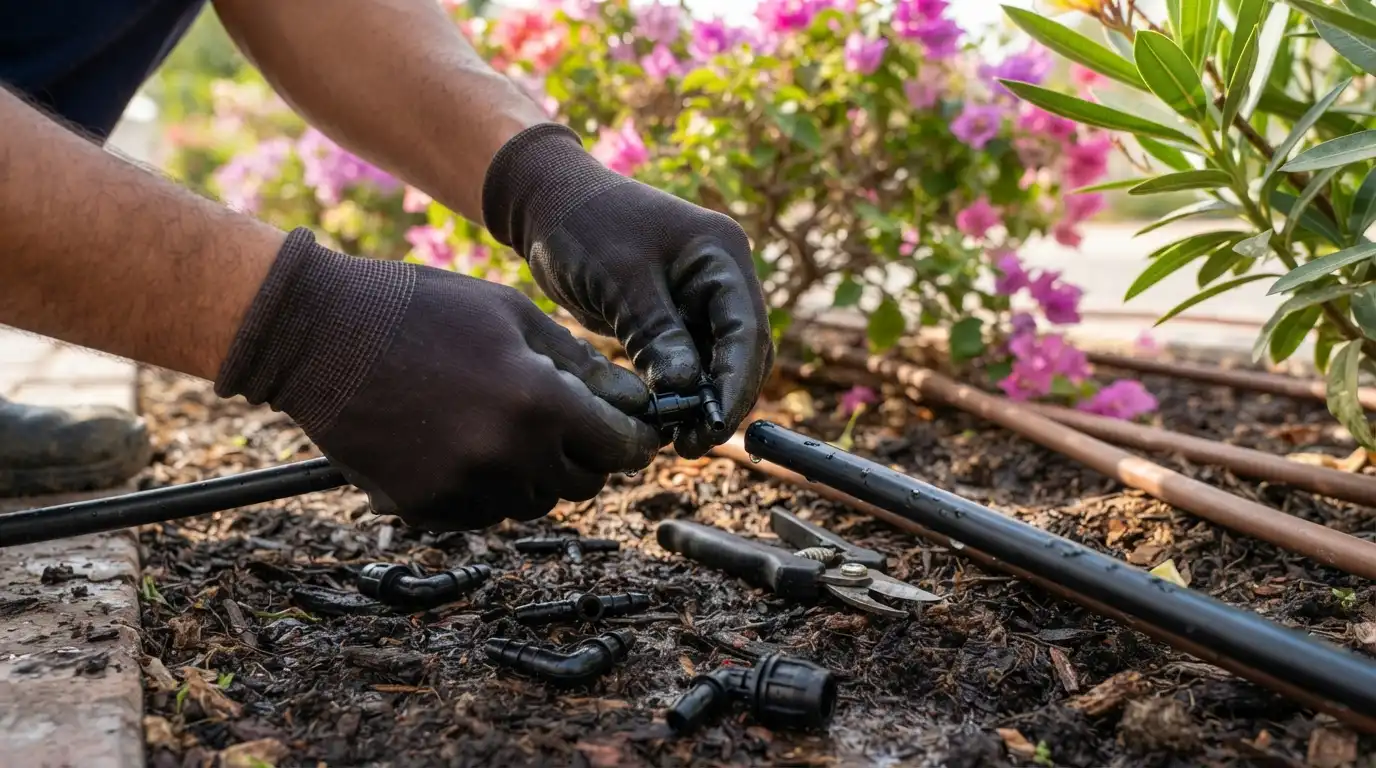
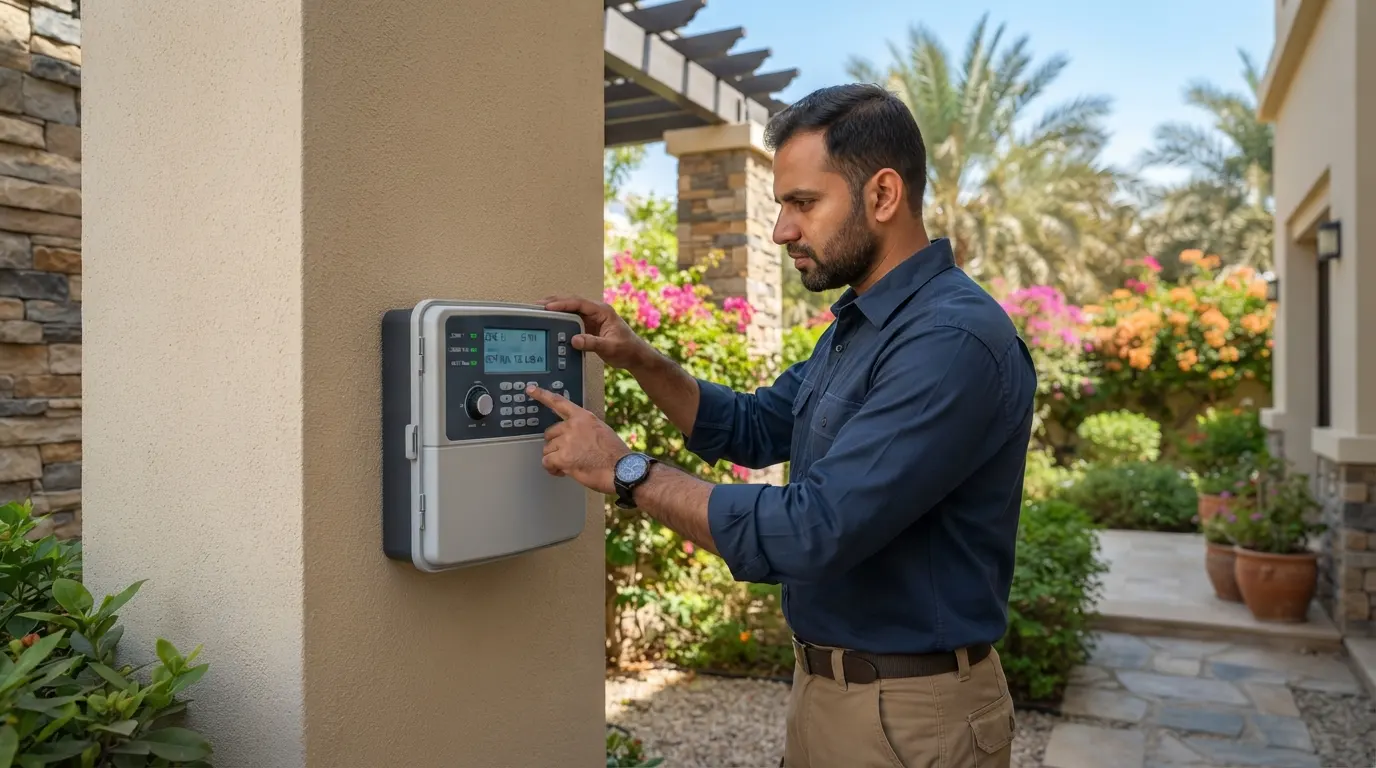
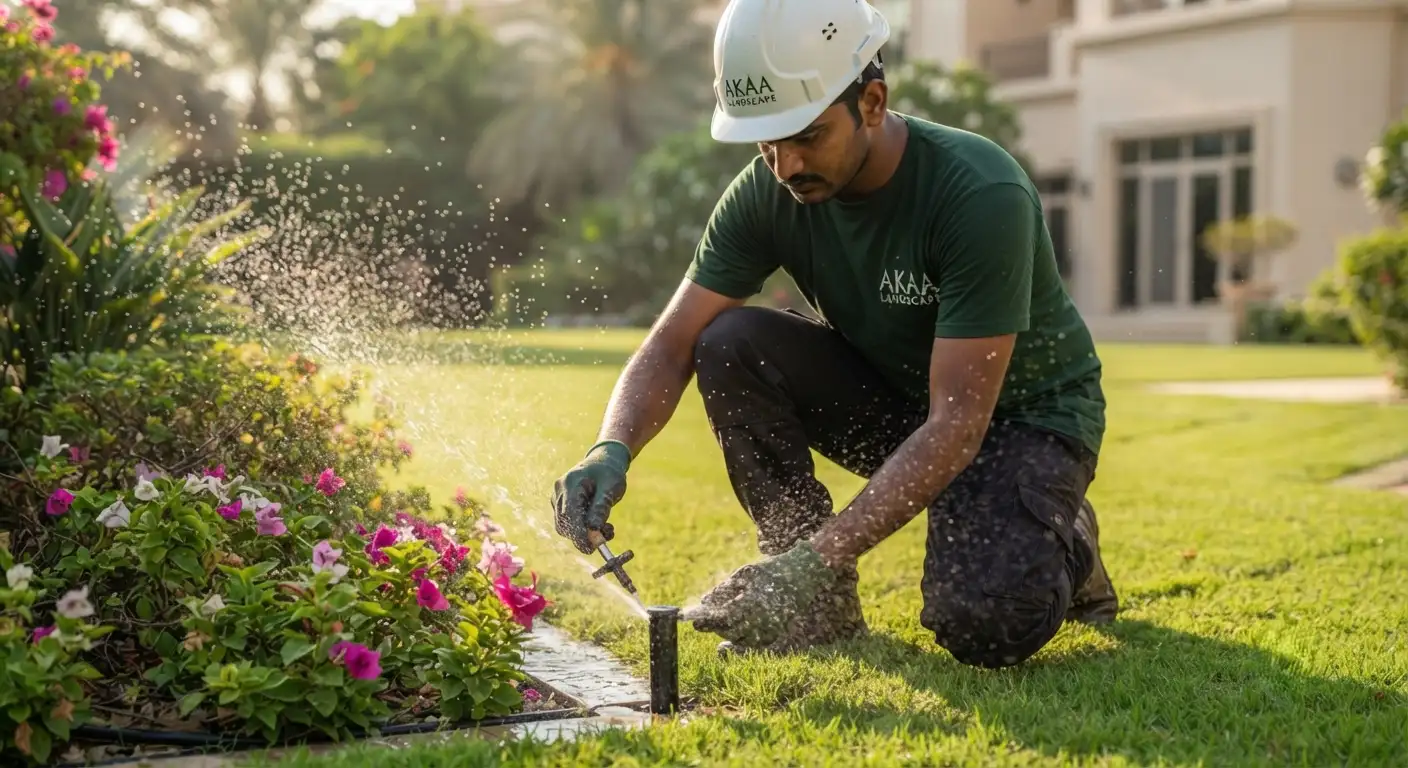
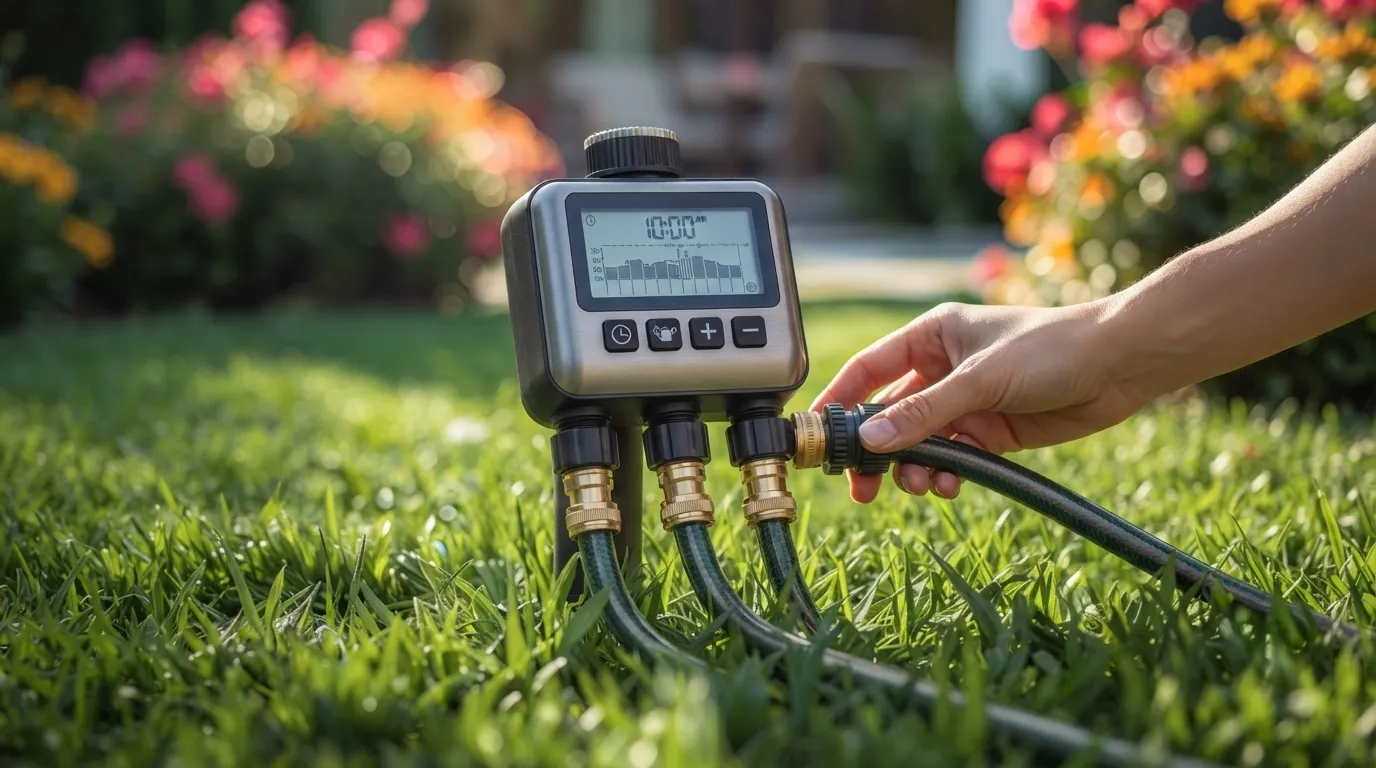
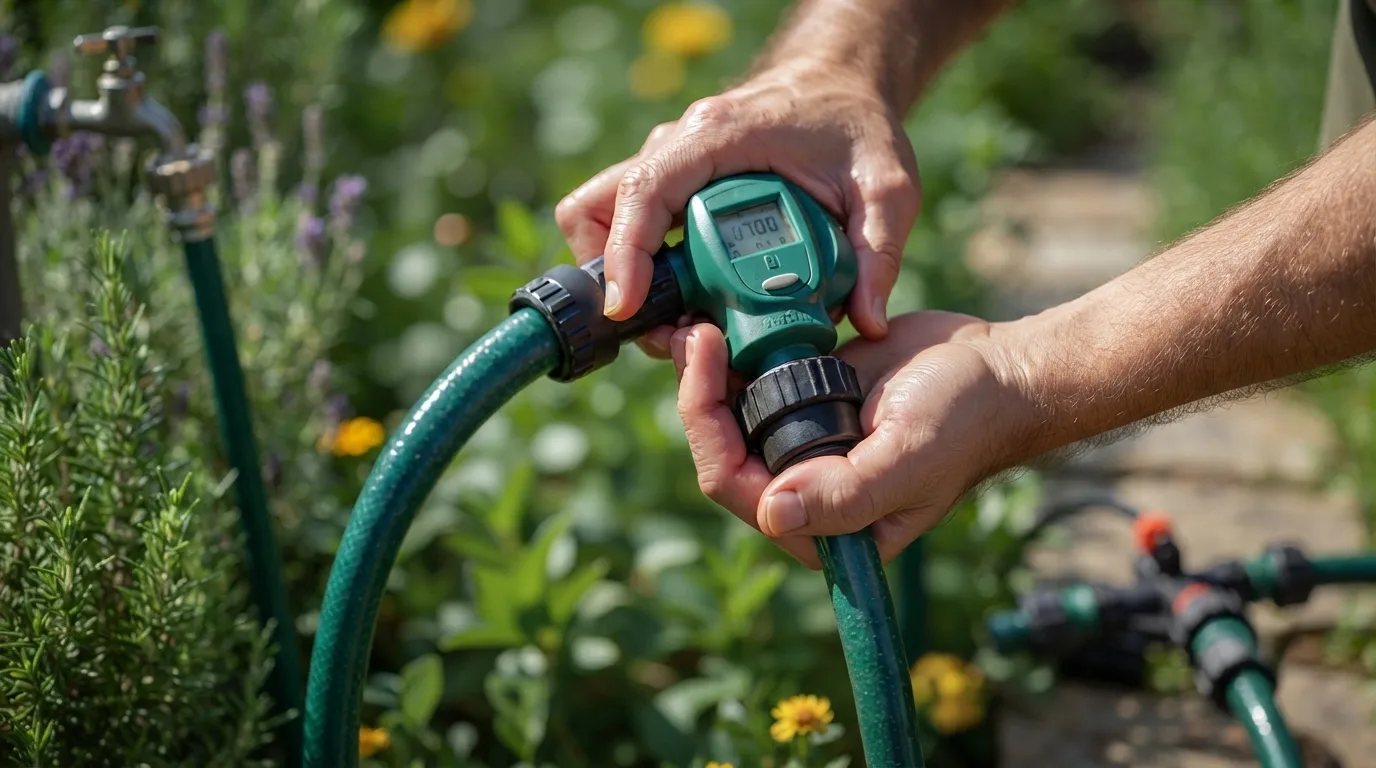
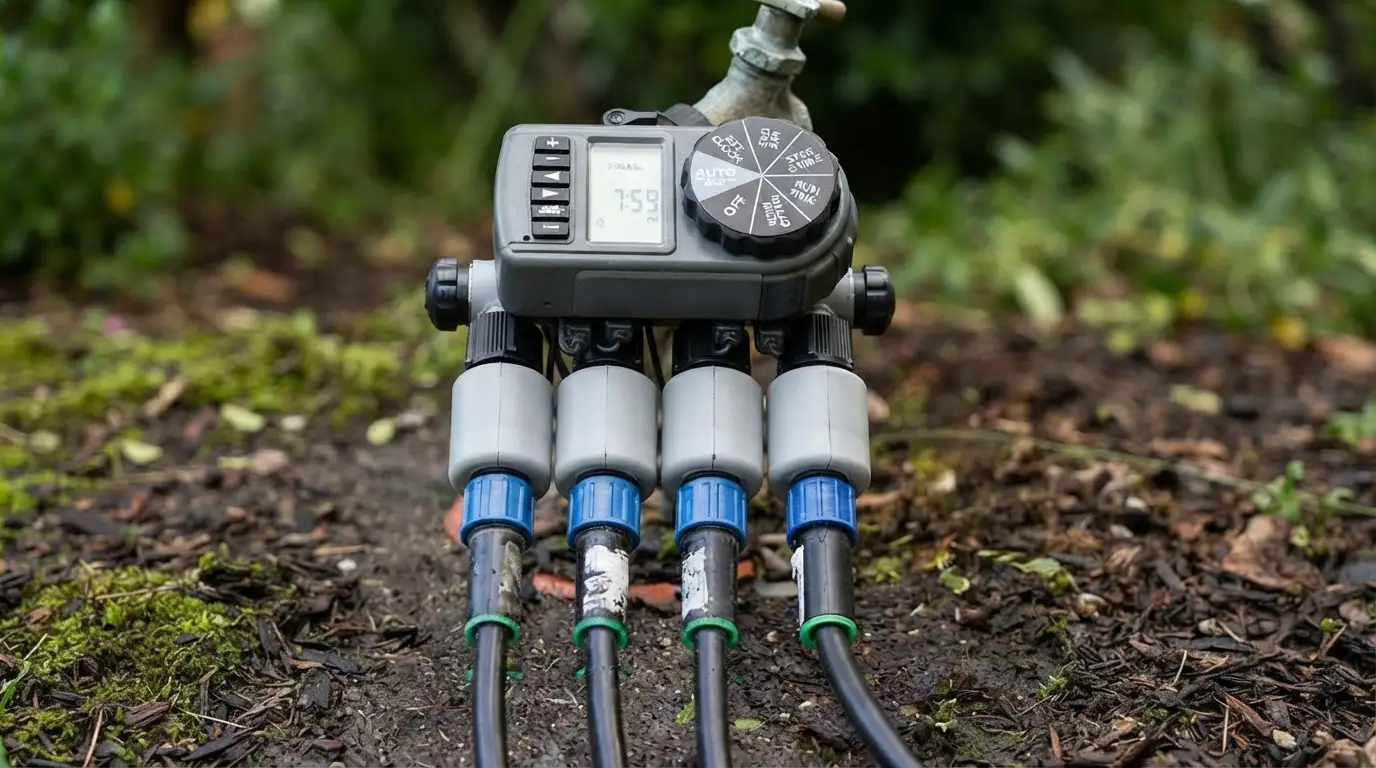
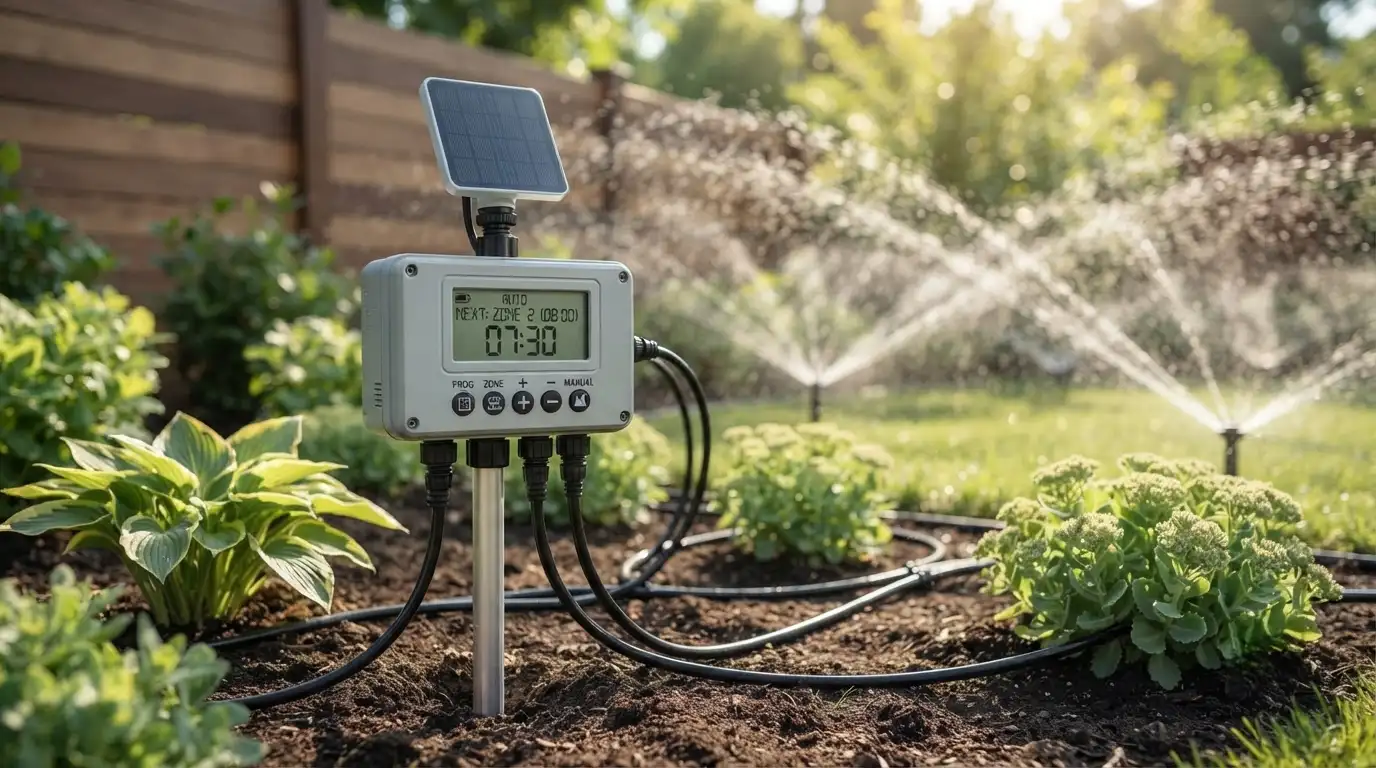
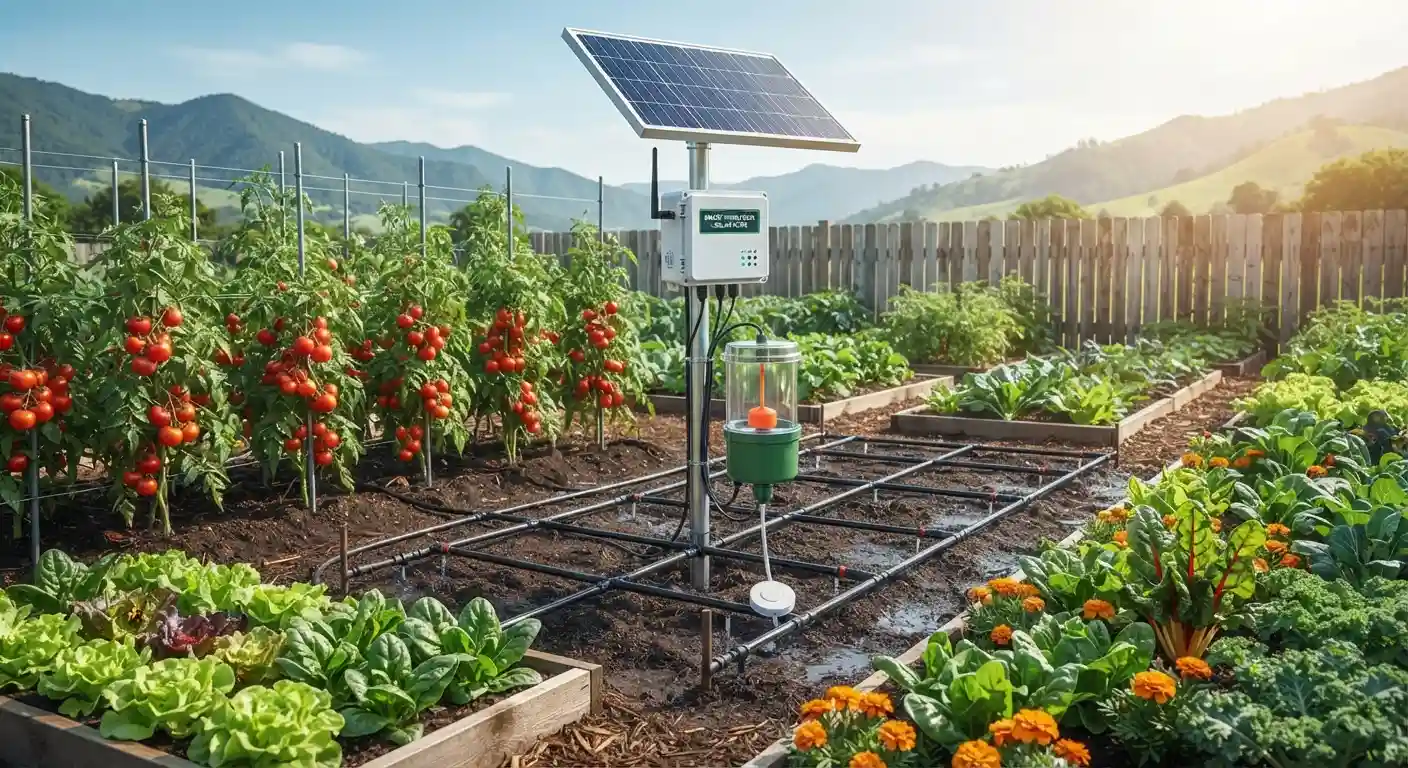
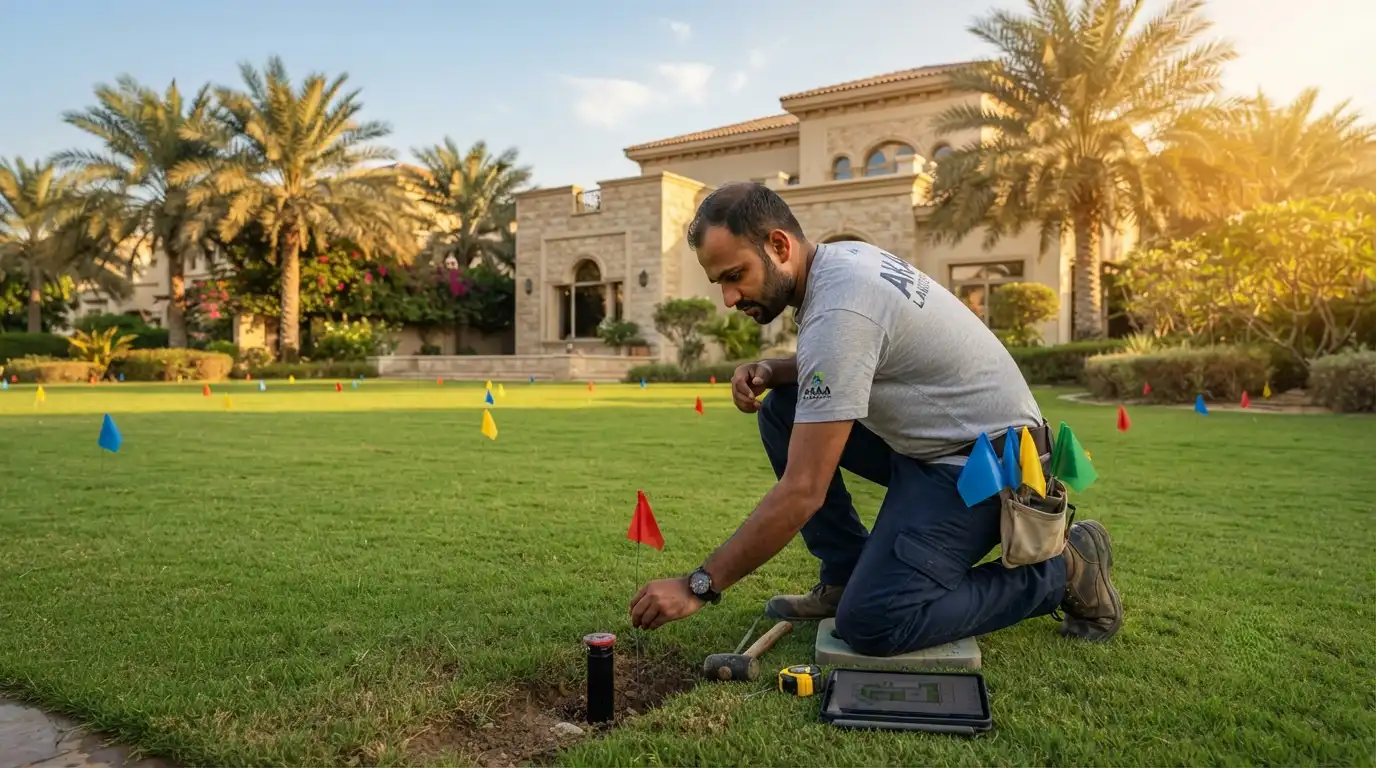
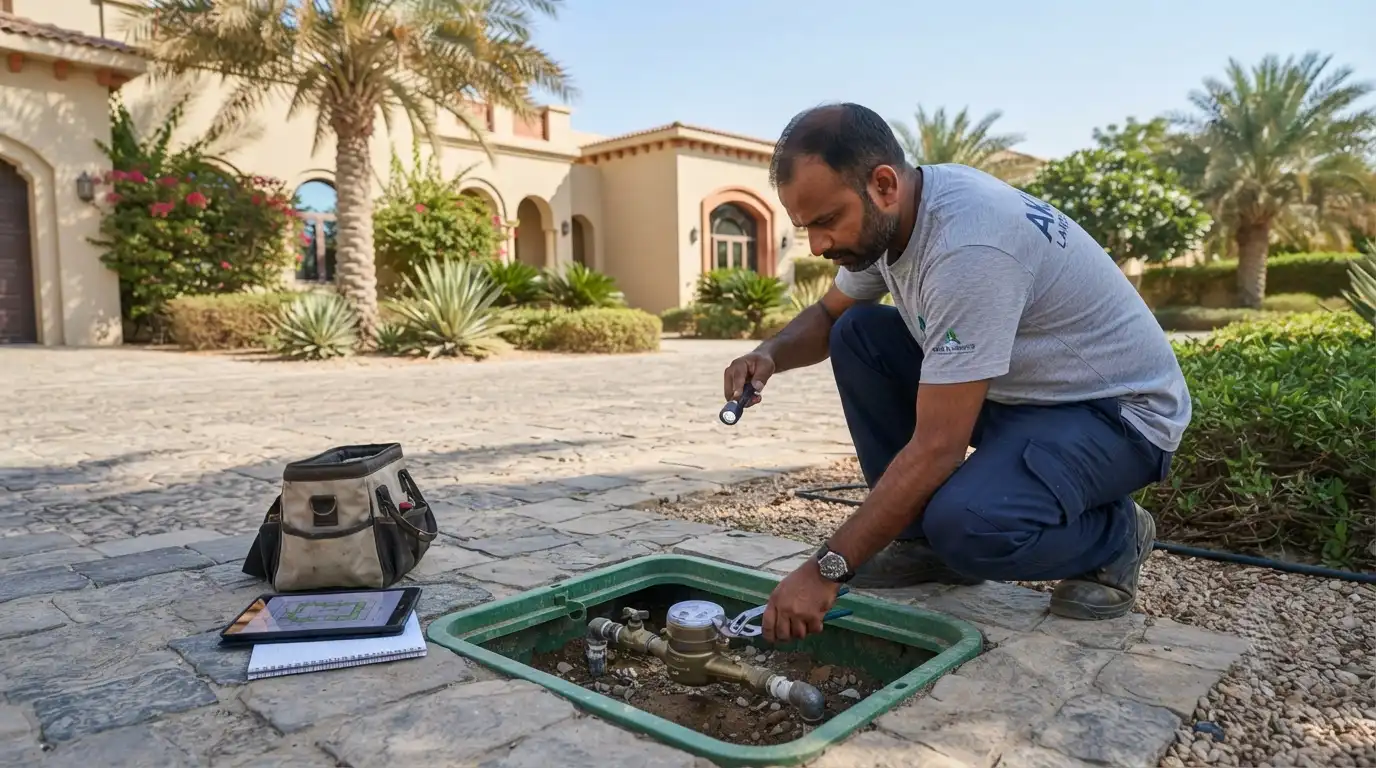
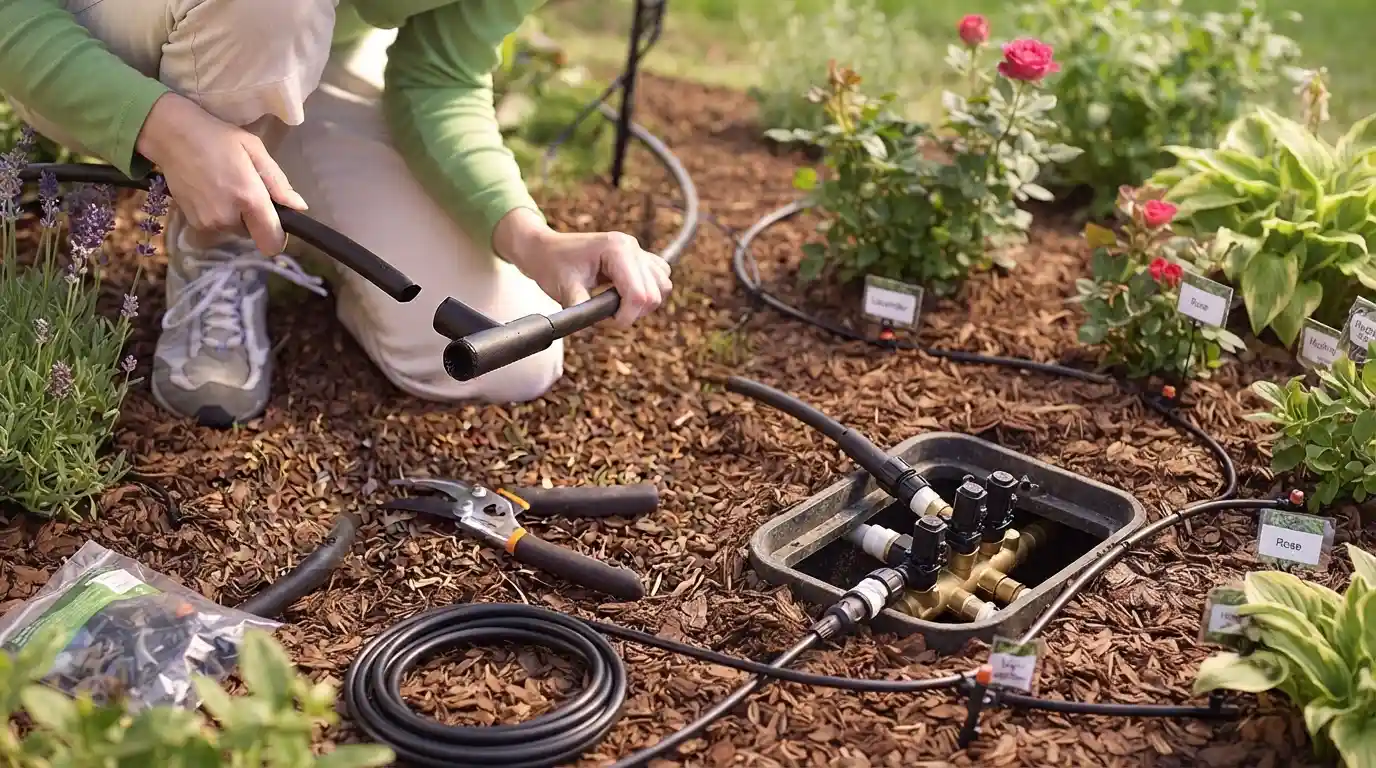
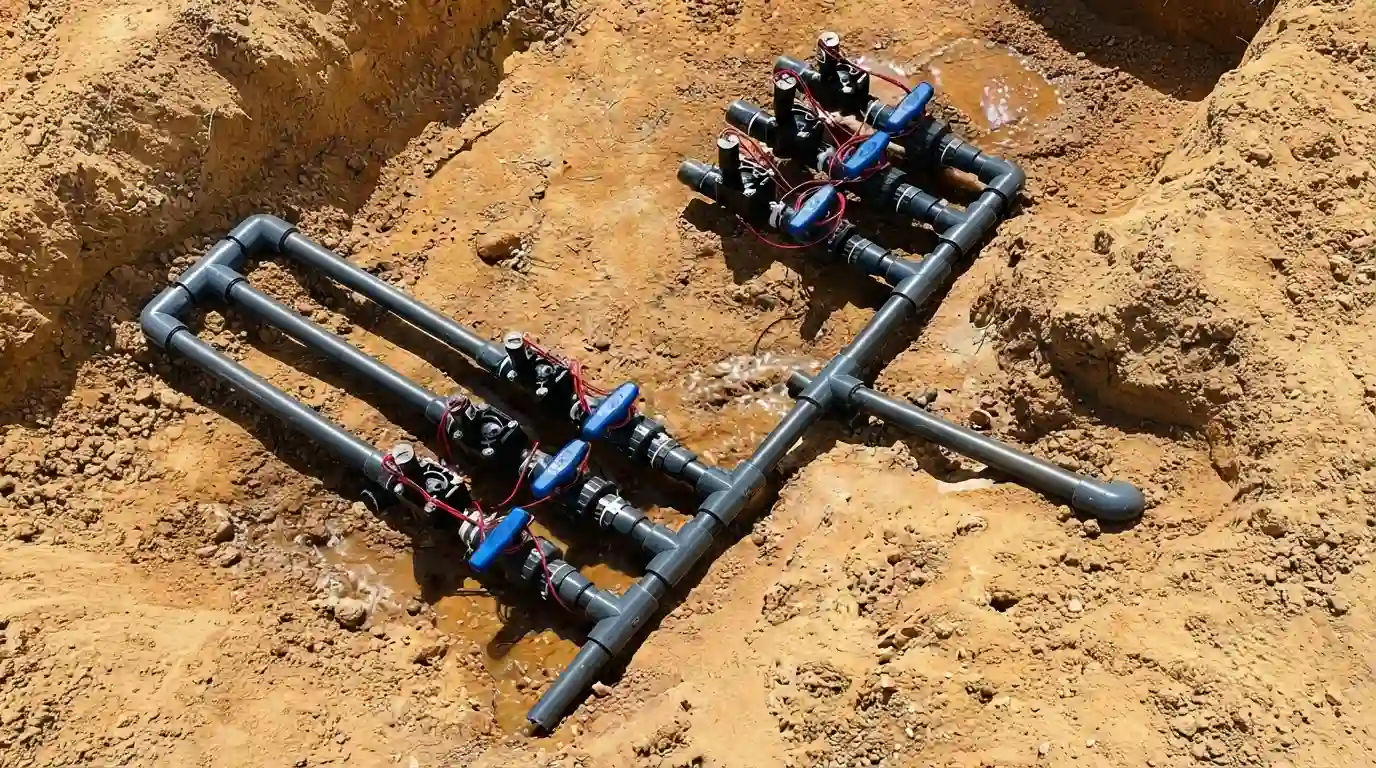
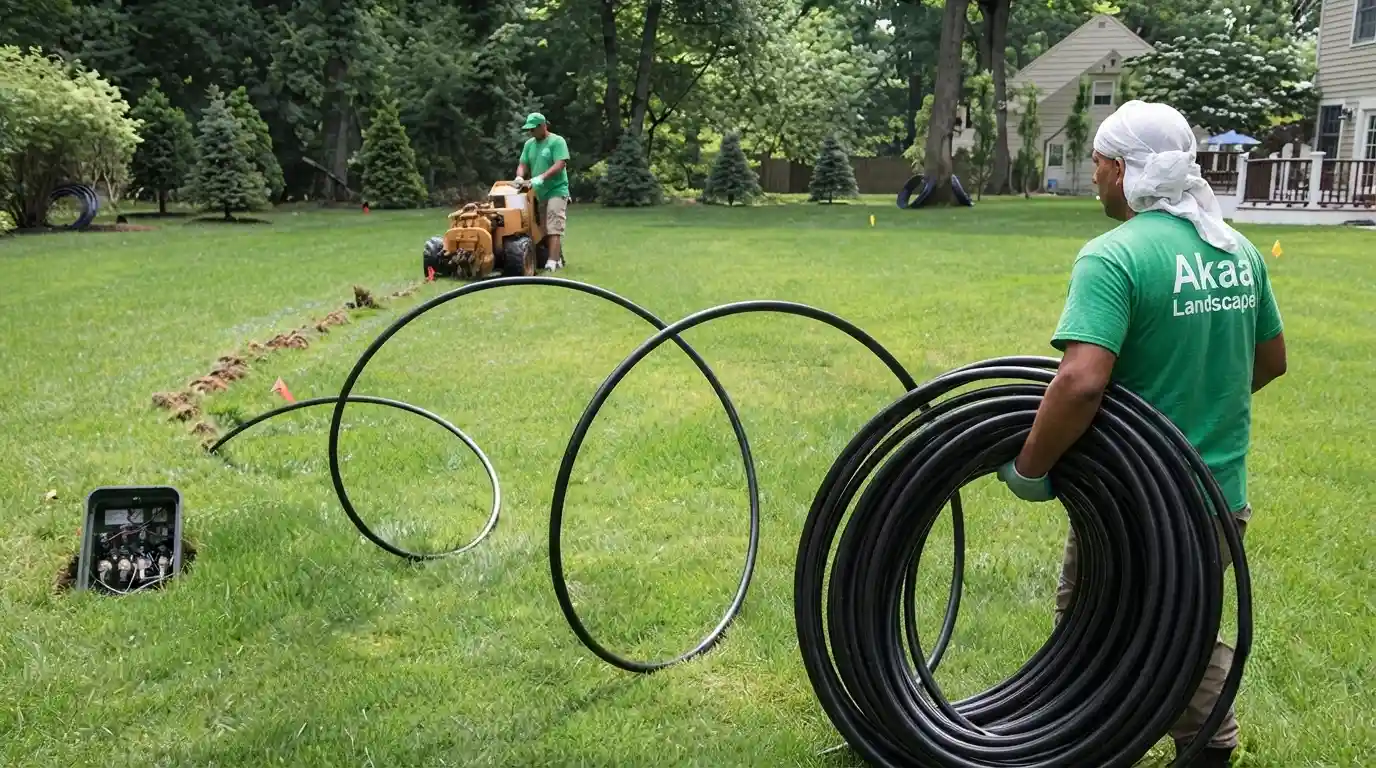
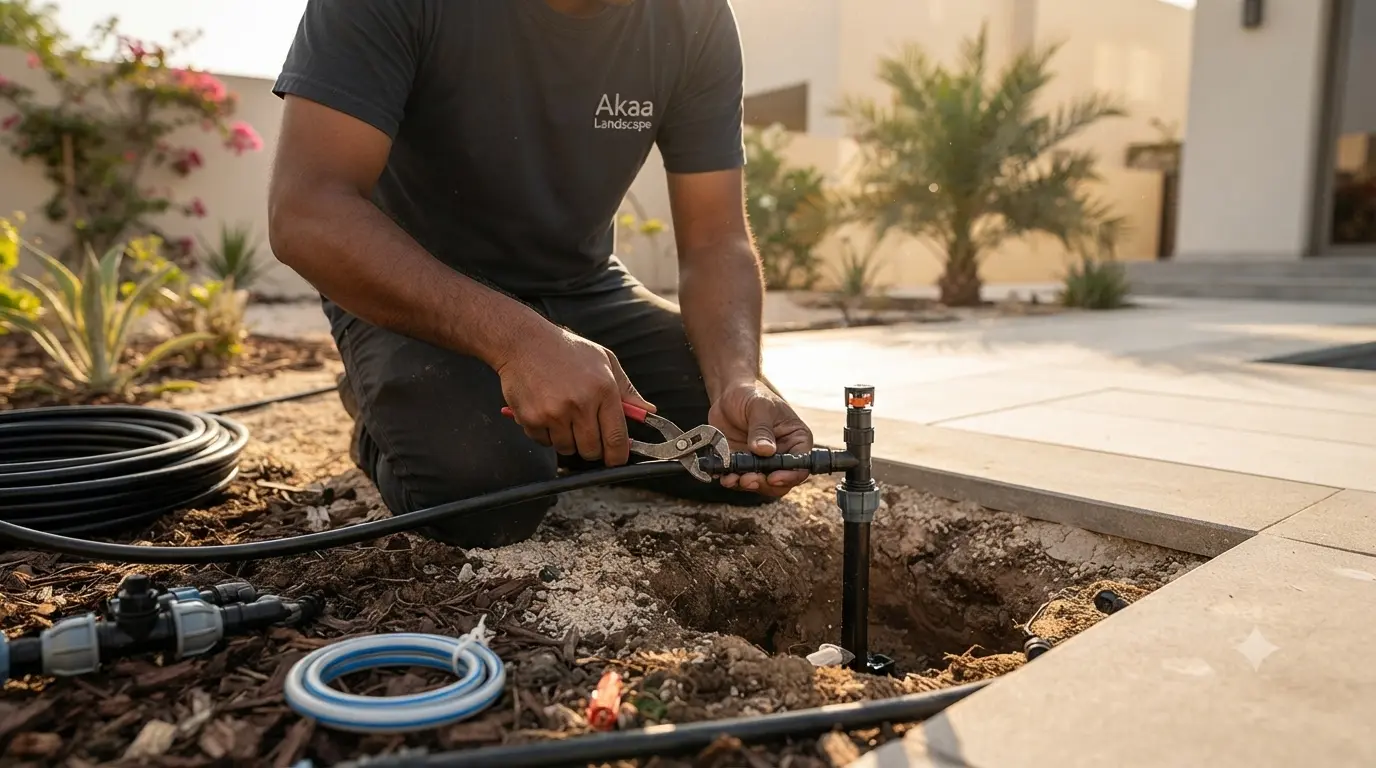
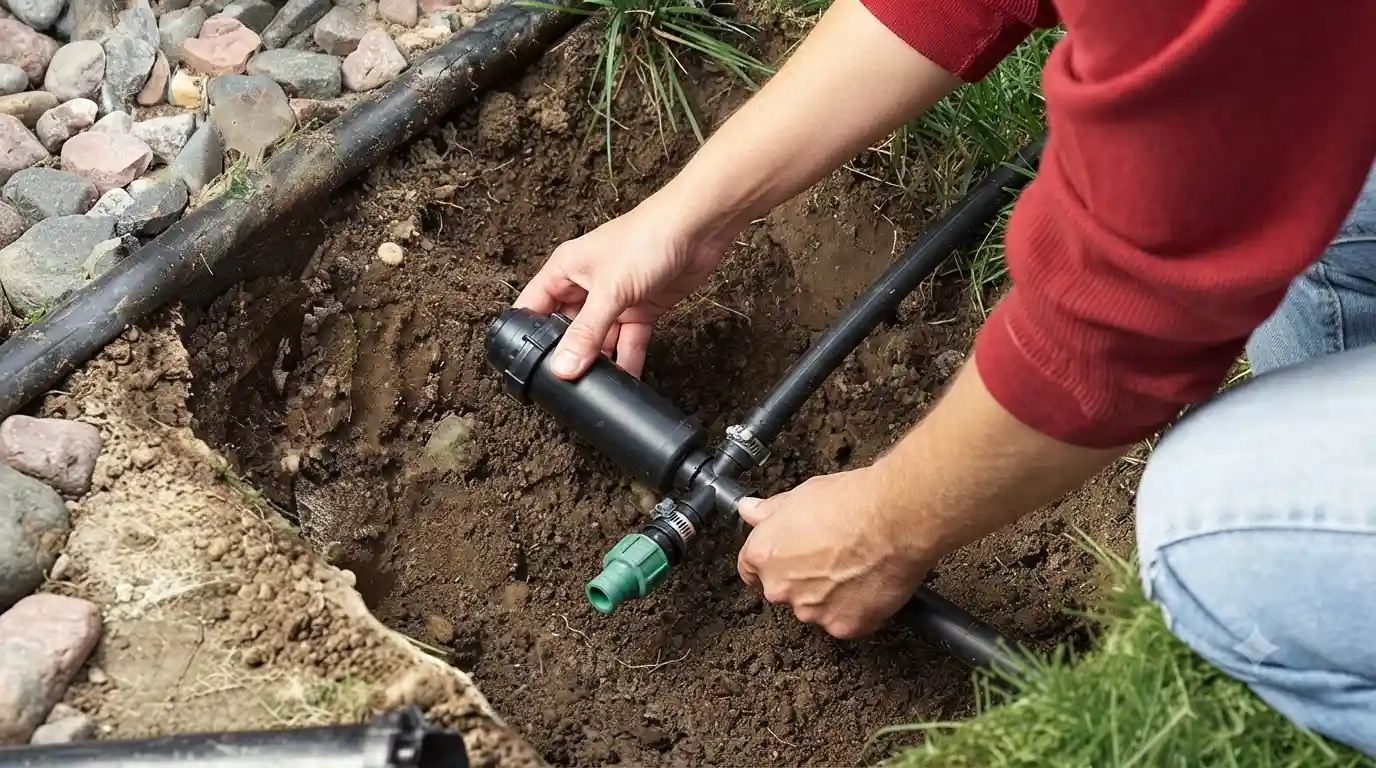
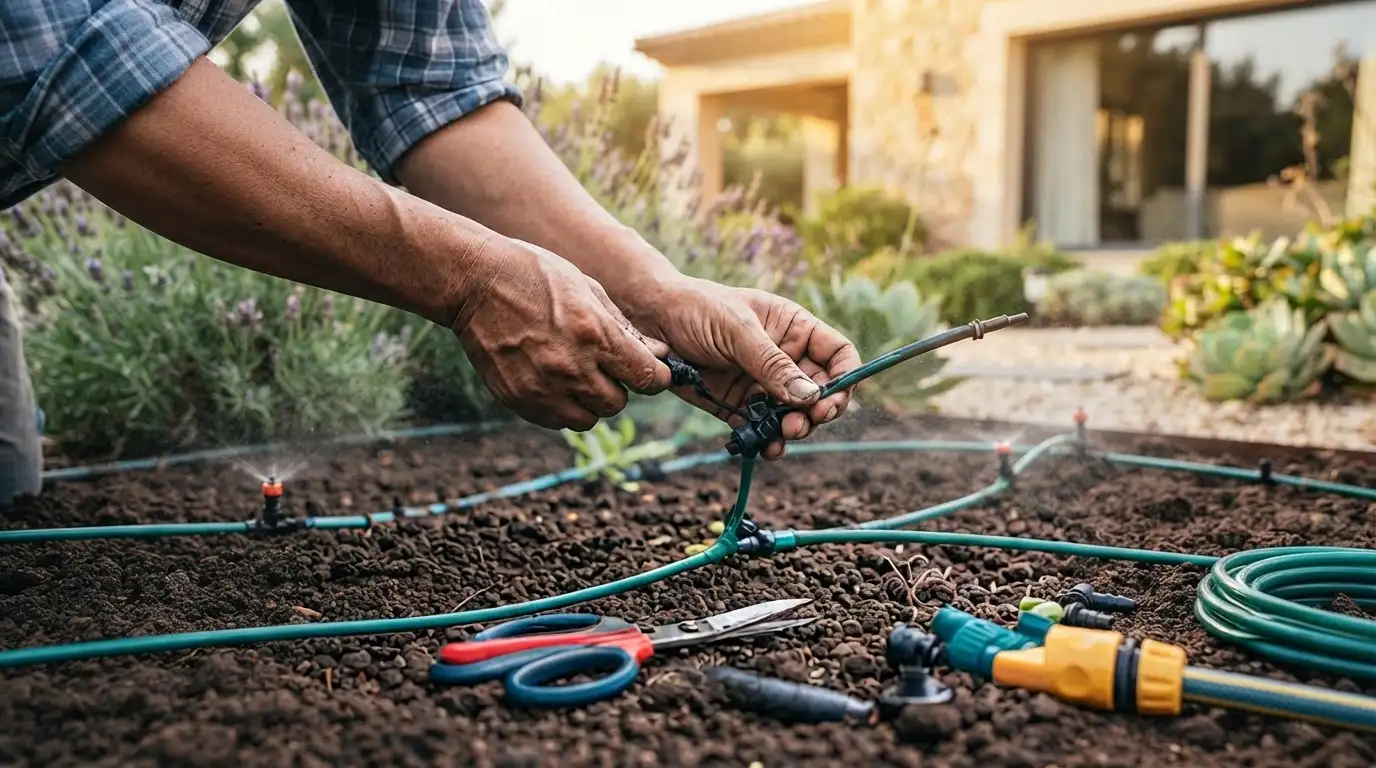
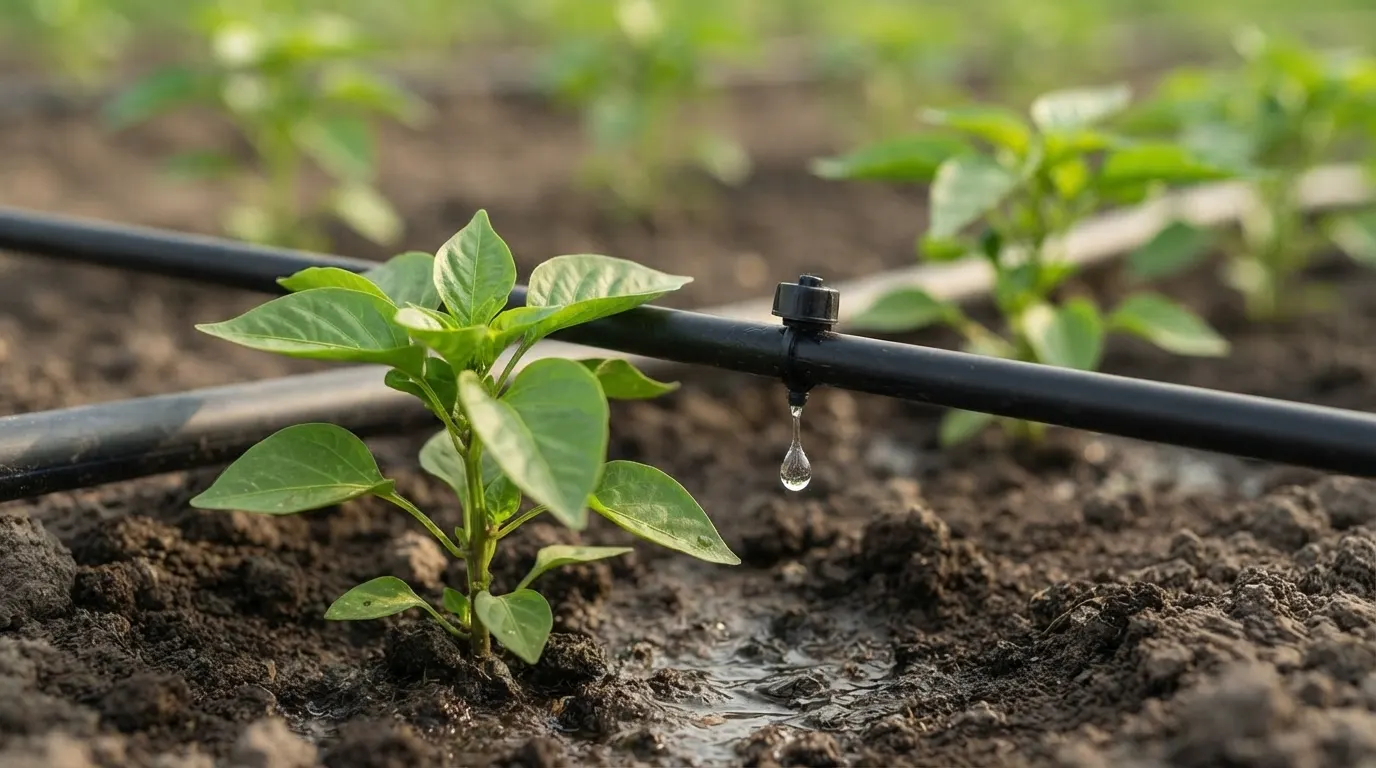
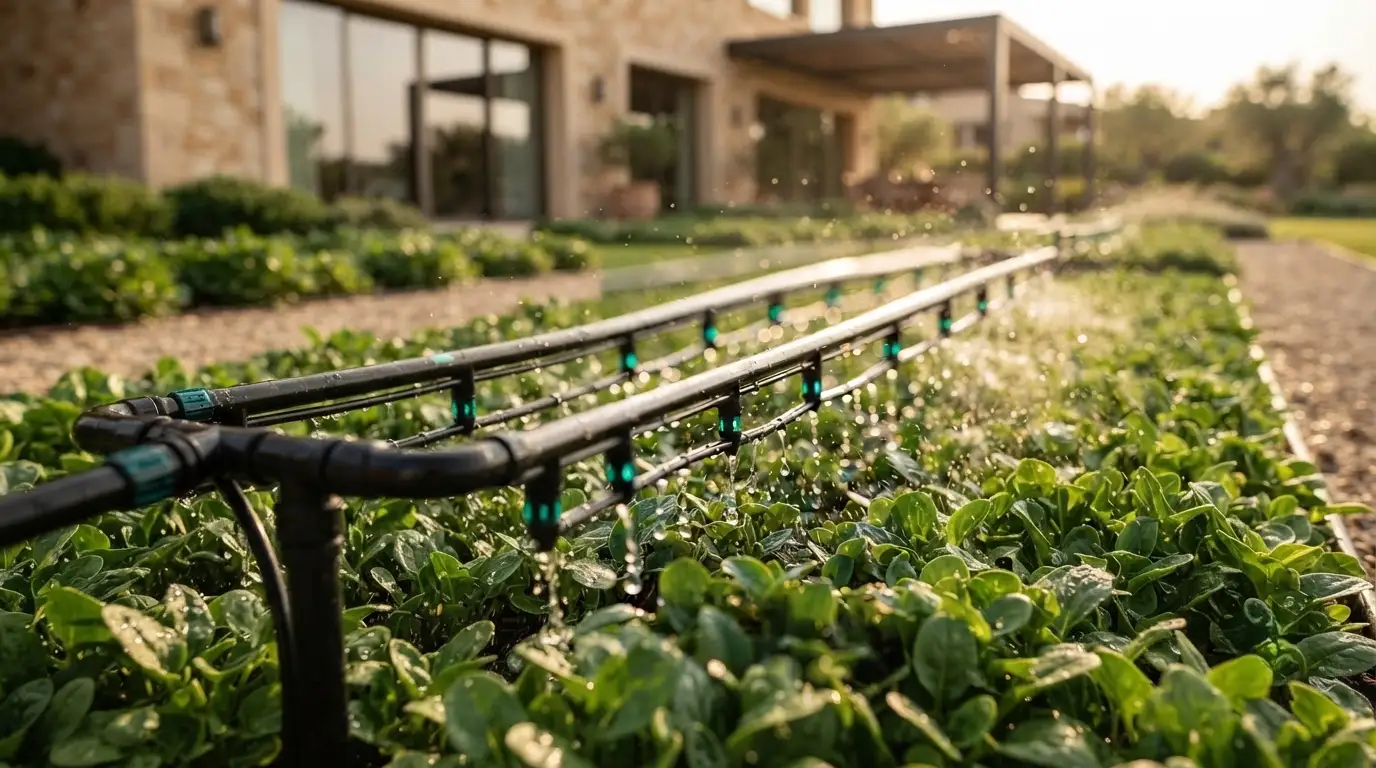
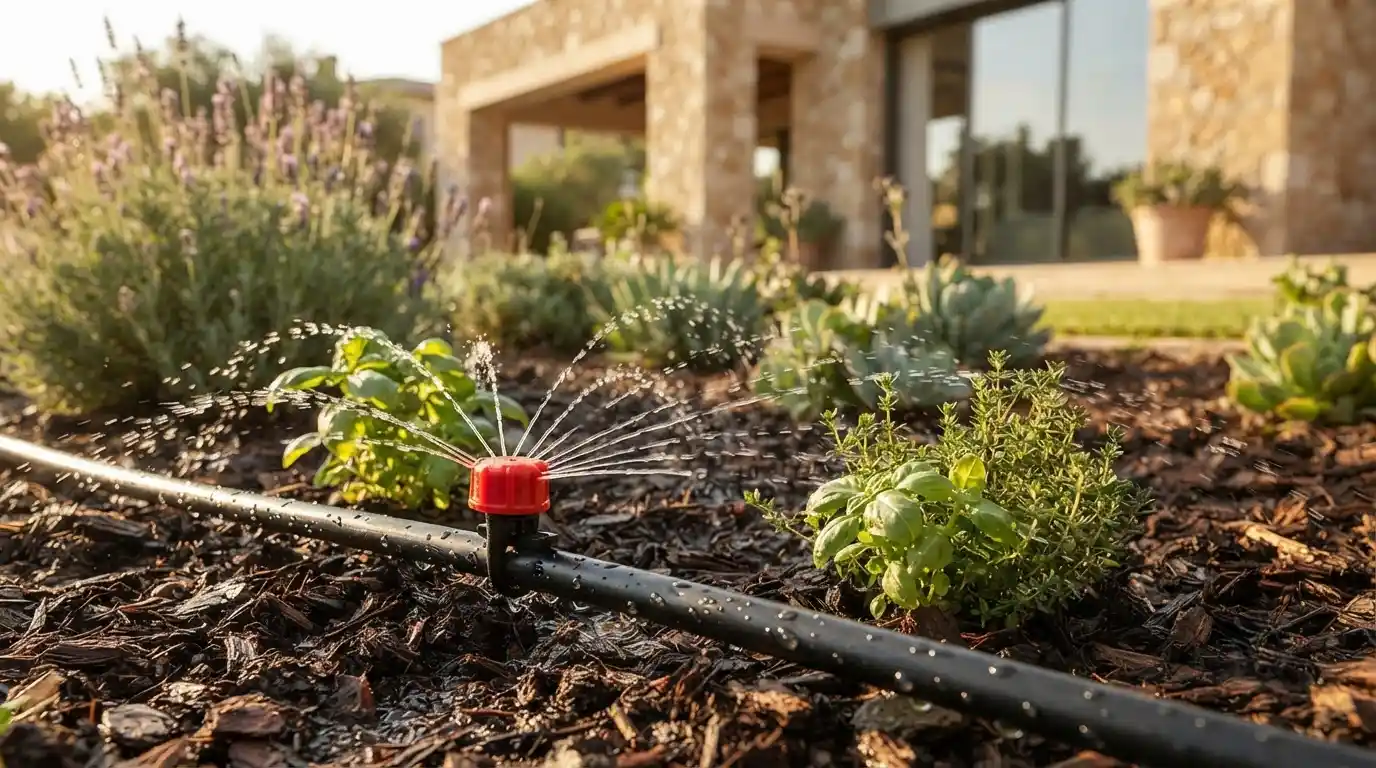
- Design the irrigation system. Use drip irrigation for planting beds and smart controllers to reduce water waste — a priority under the UAE’s sustainability push.
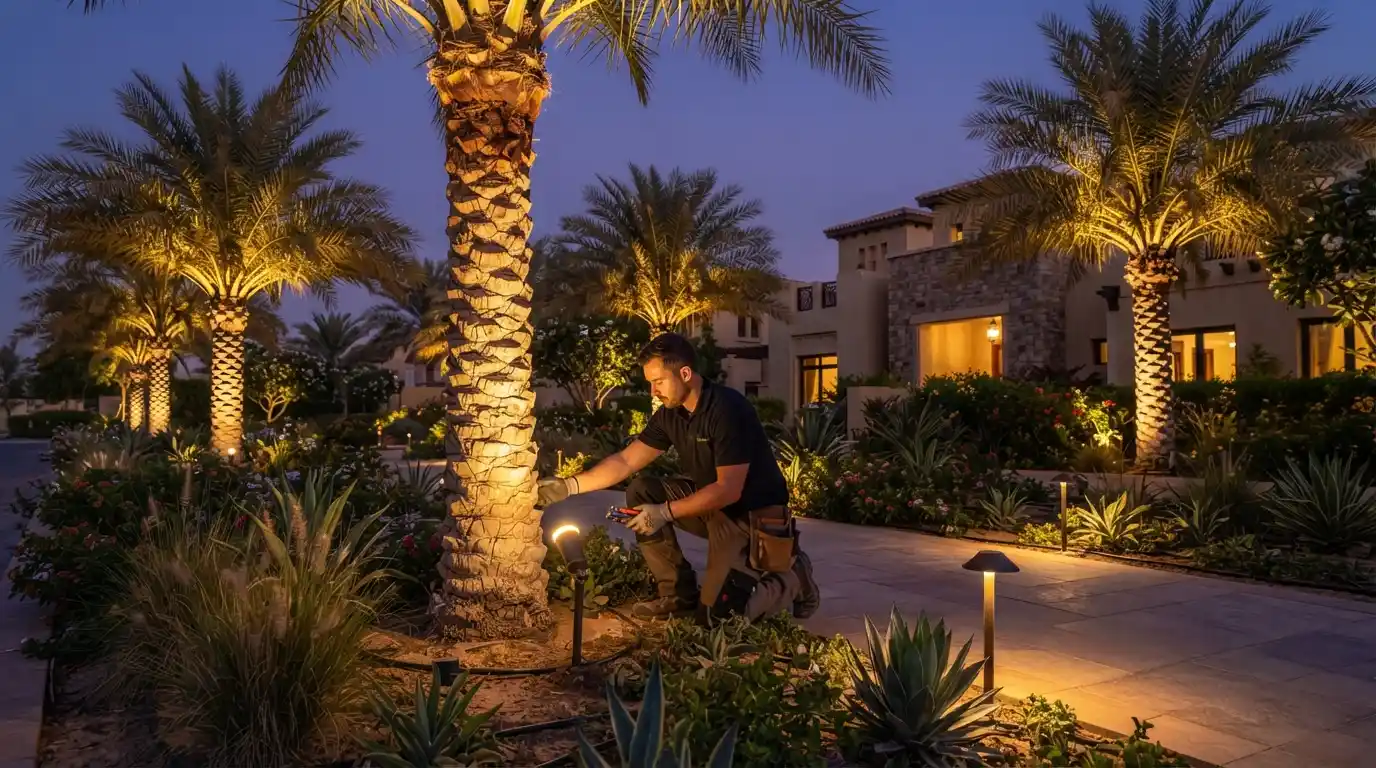
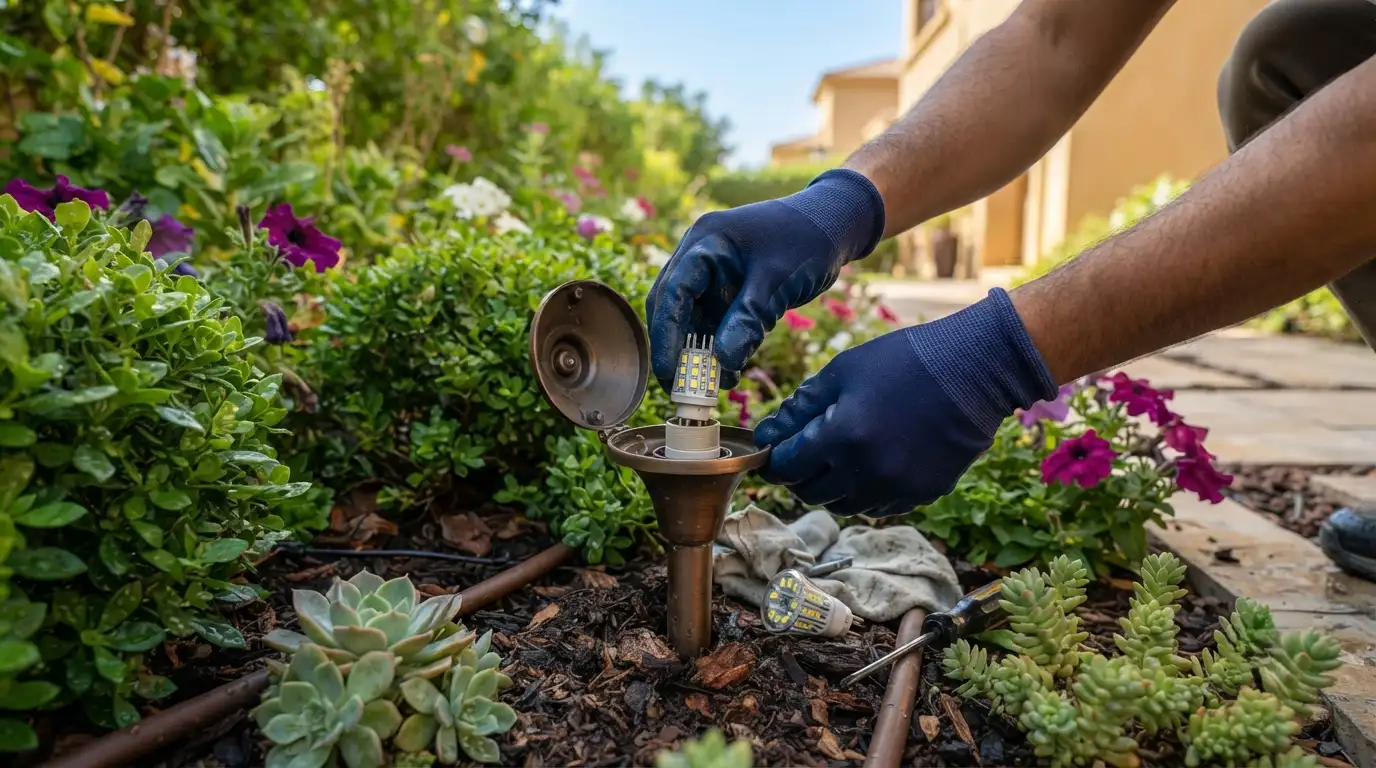
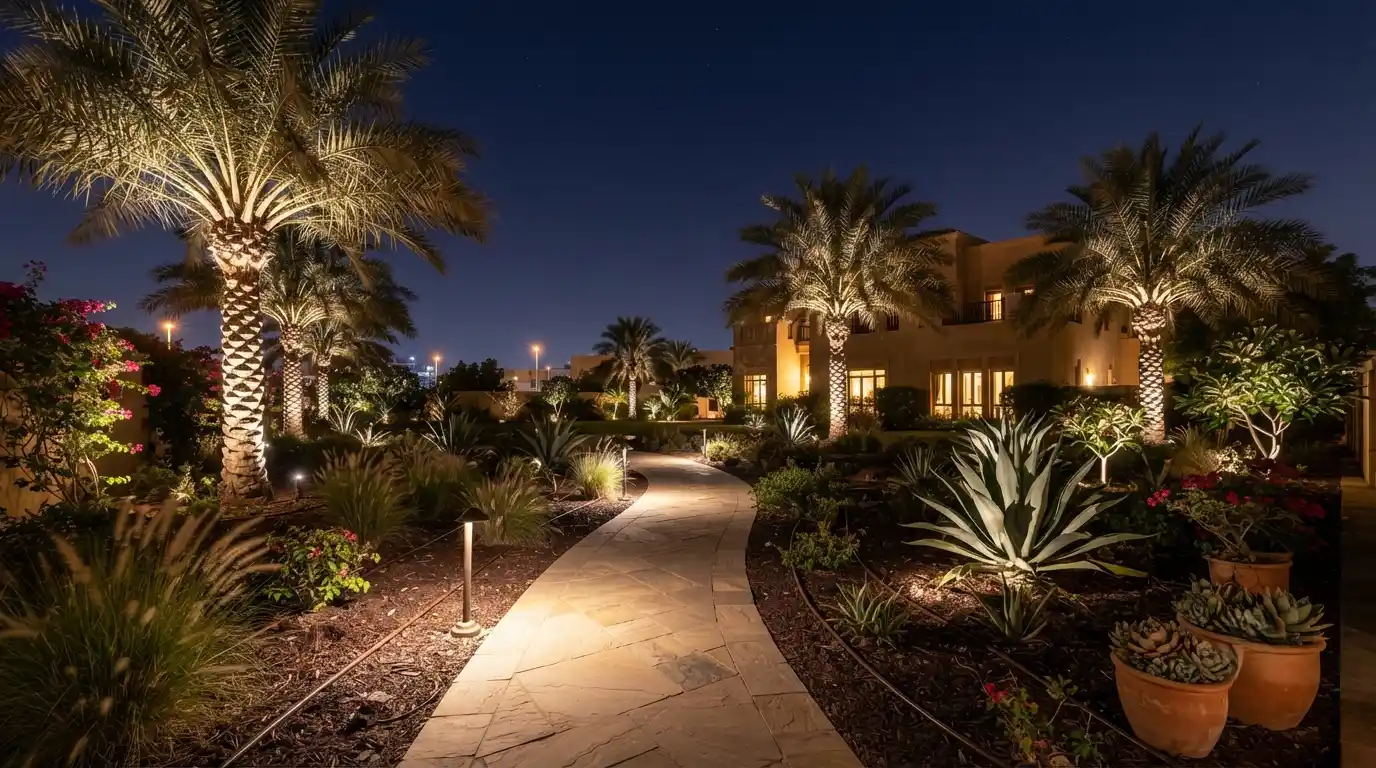
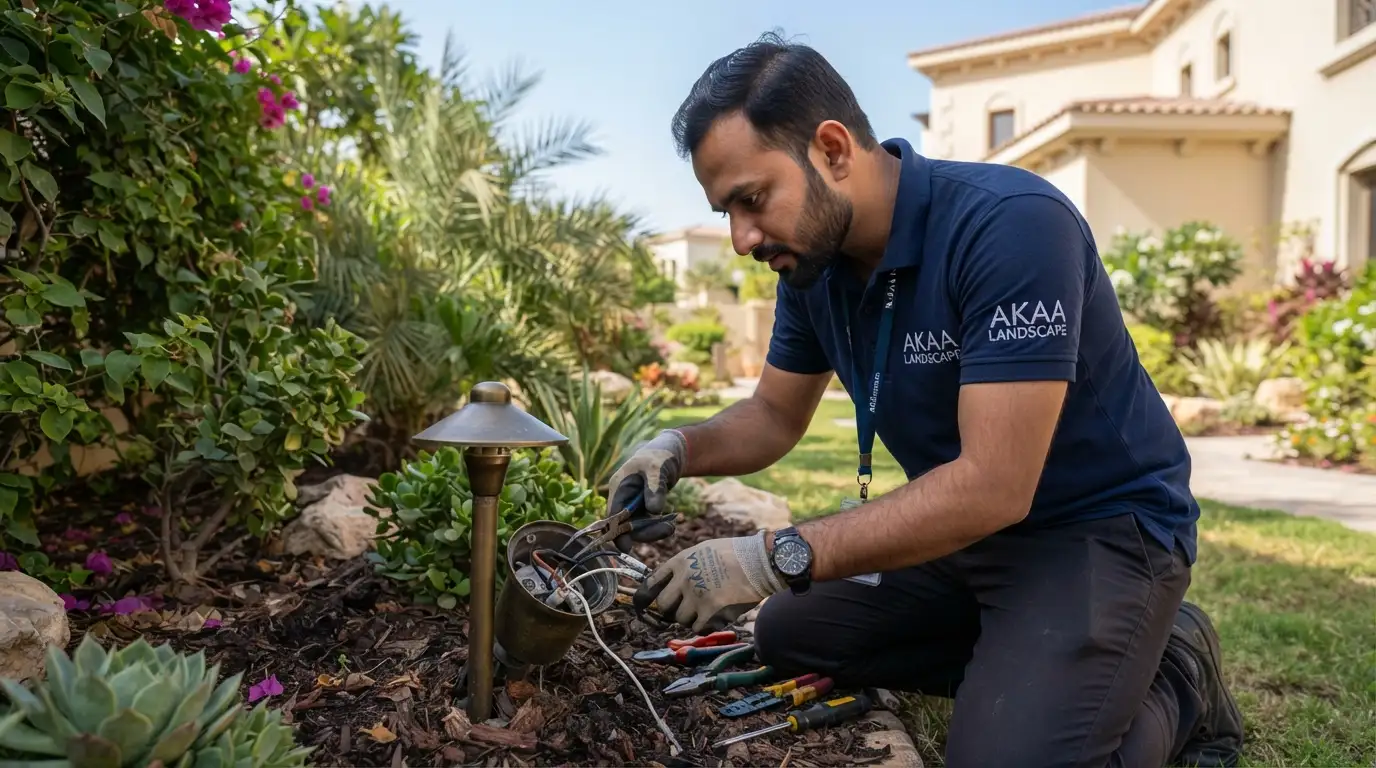
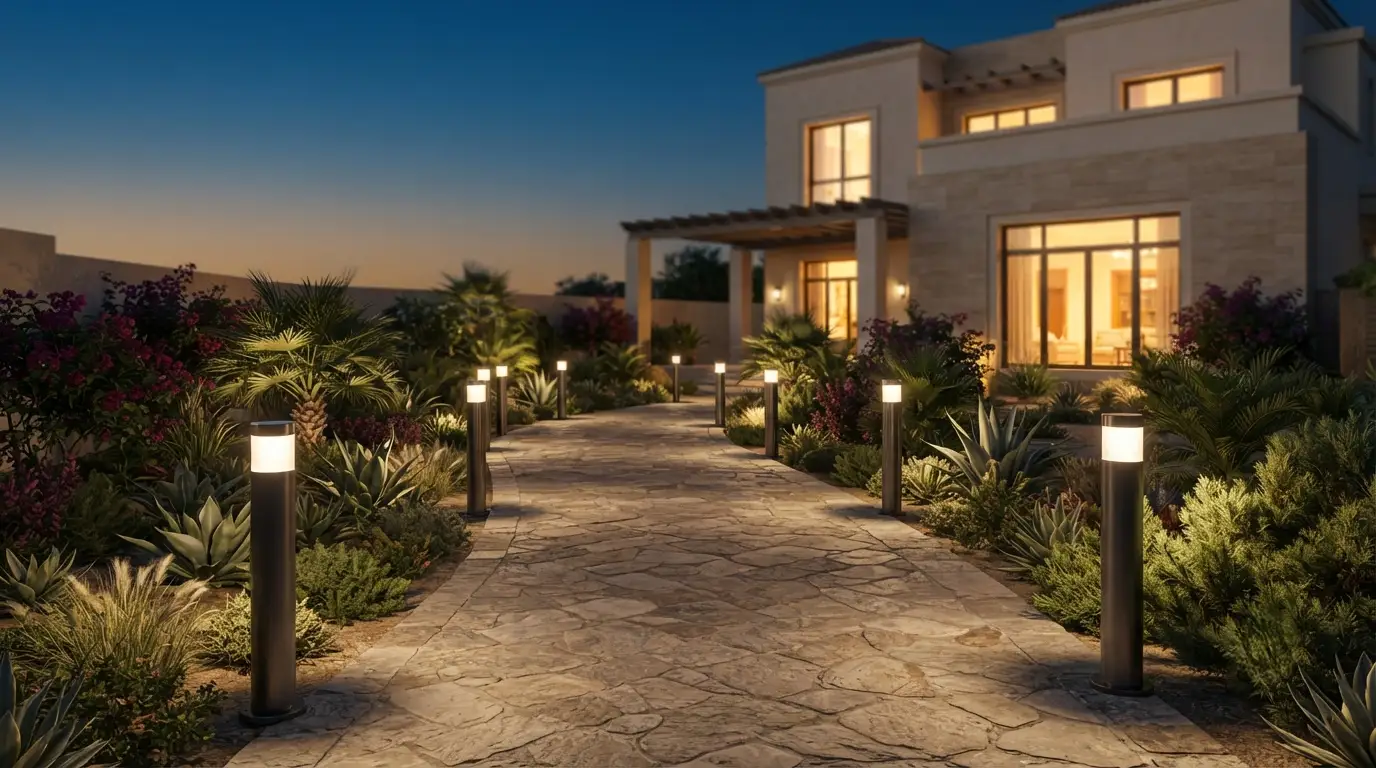
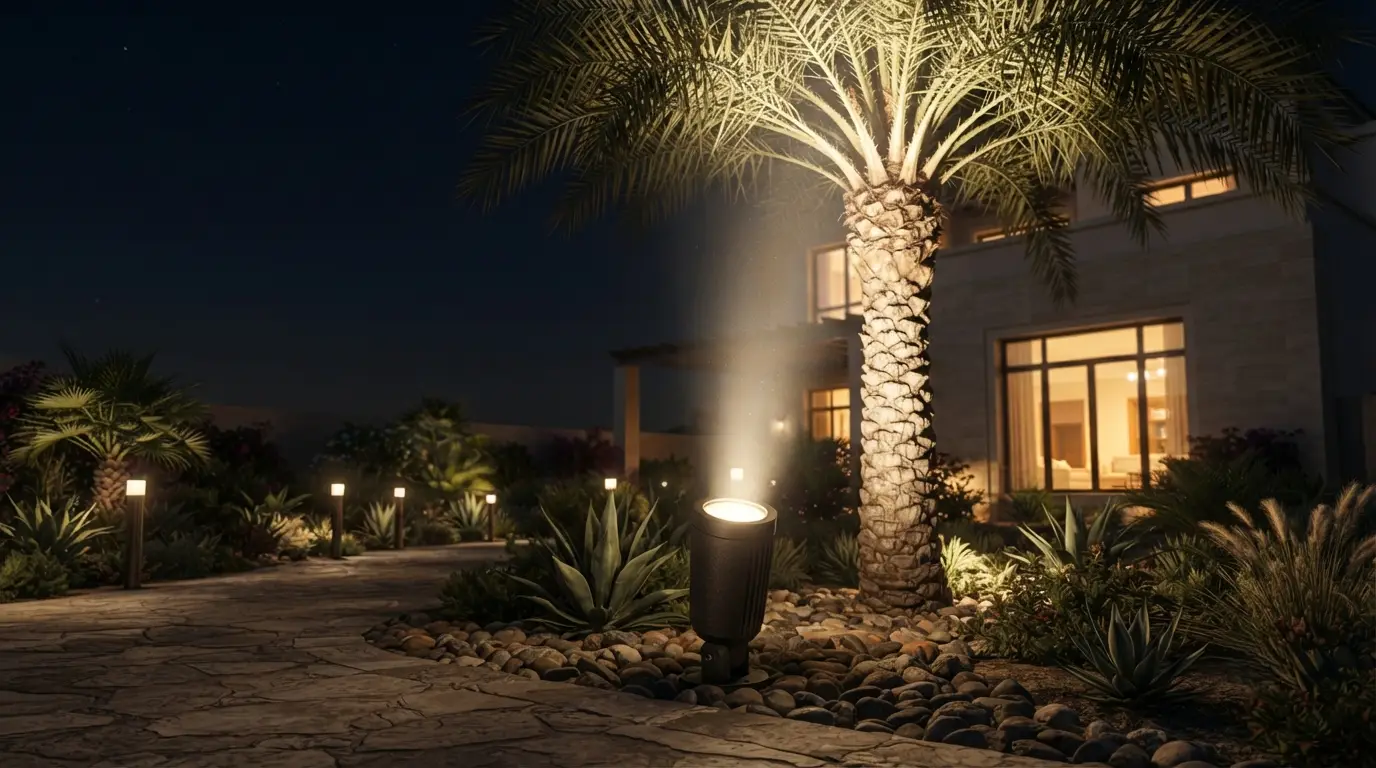
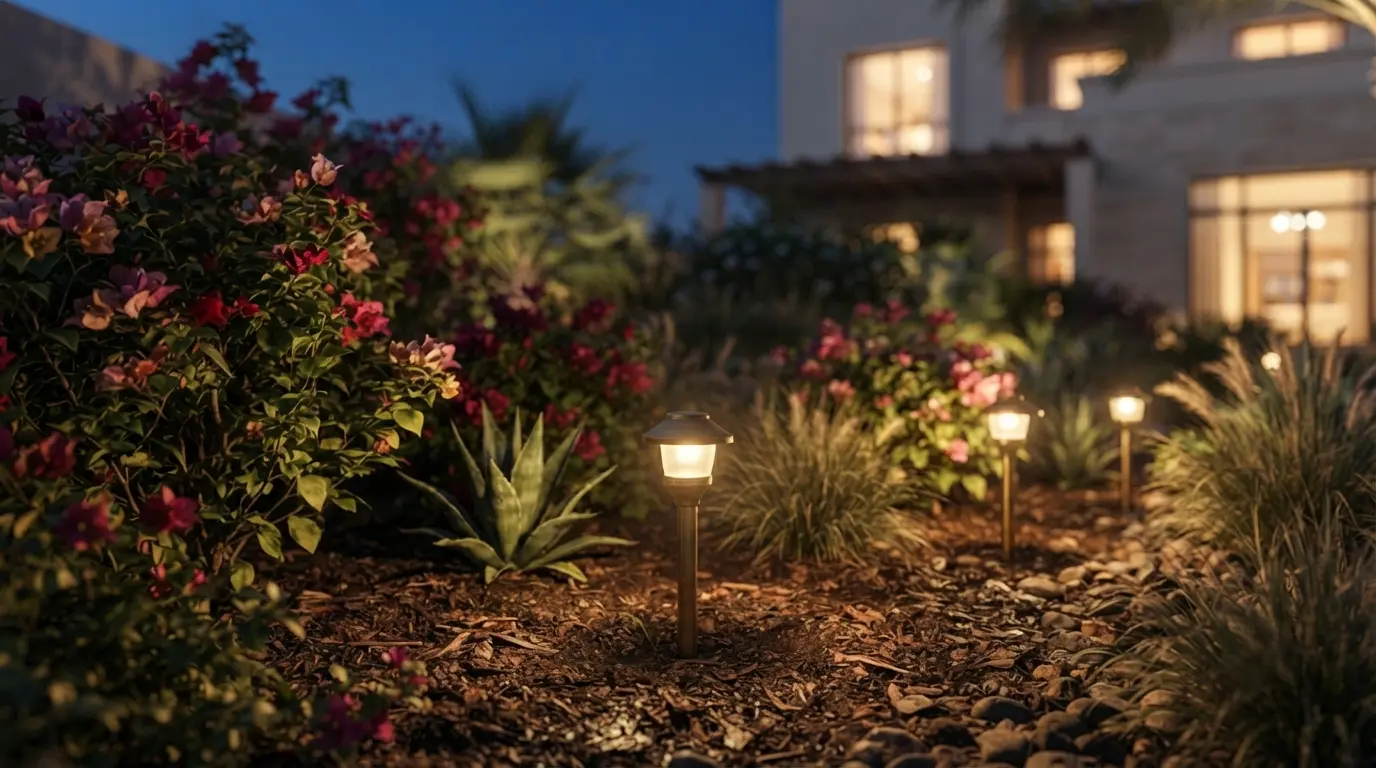
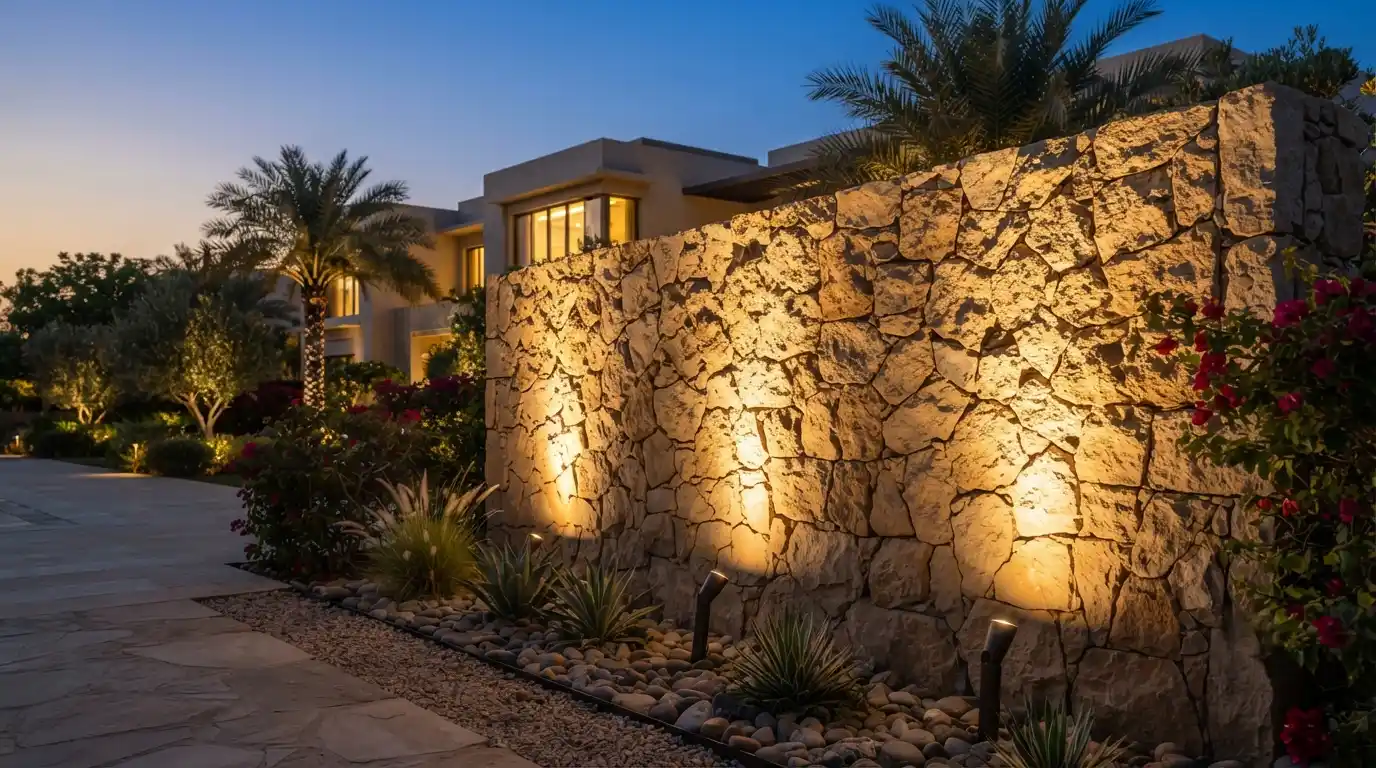
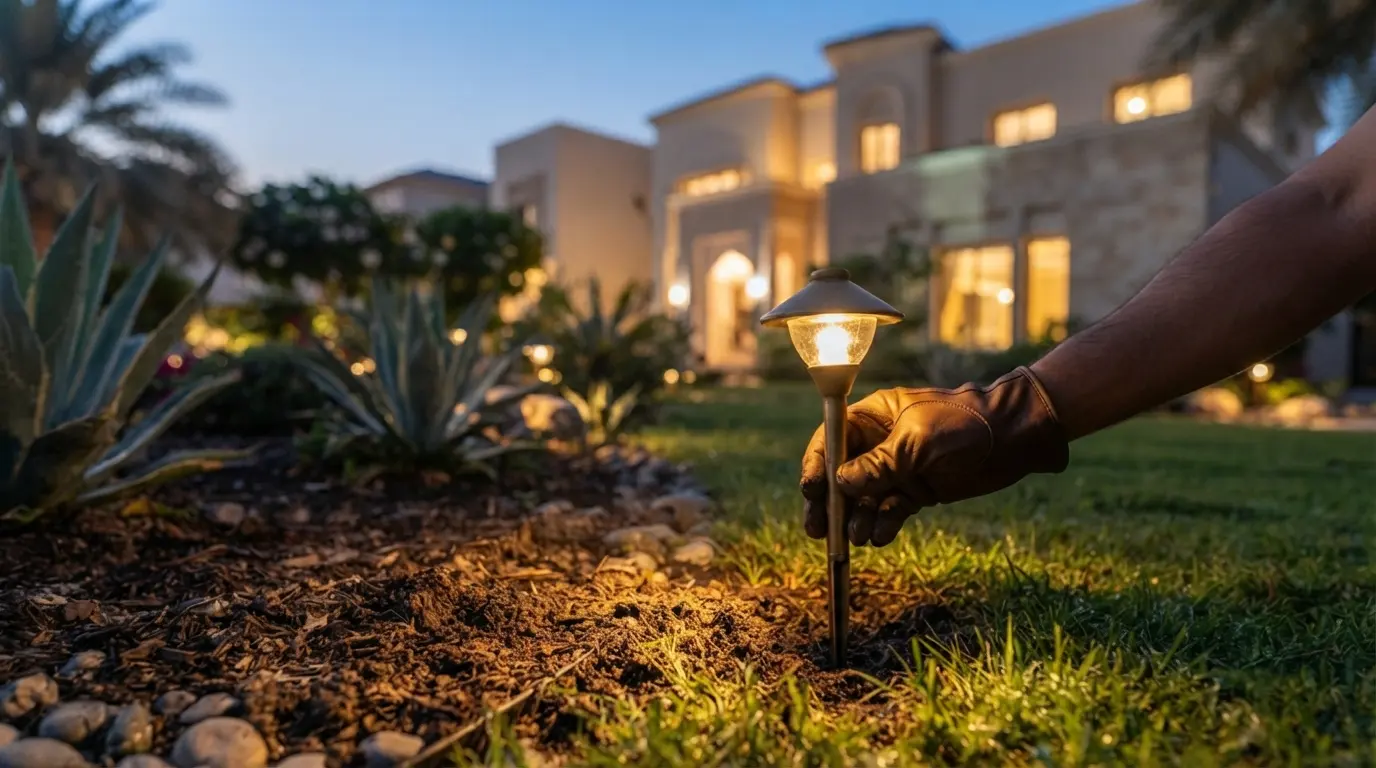
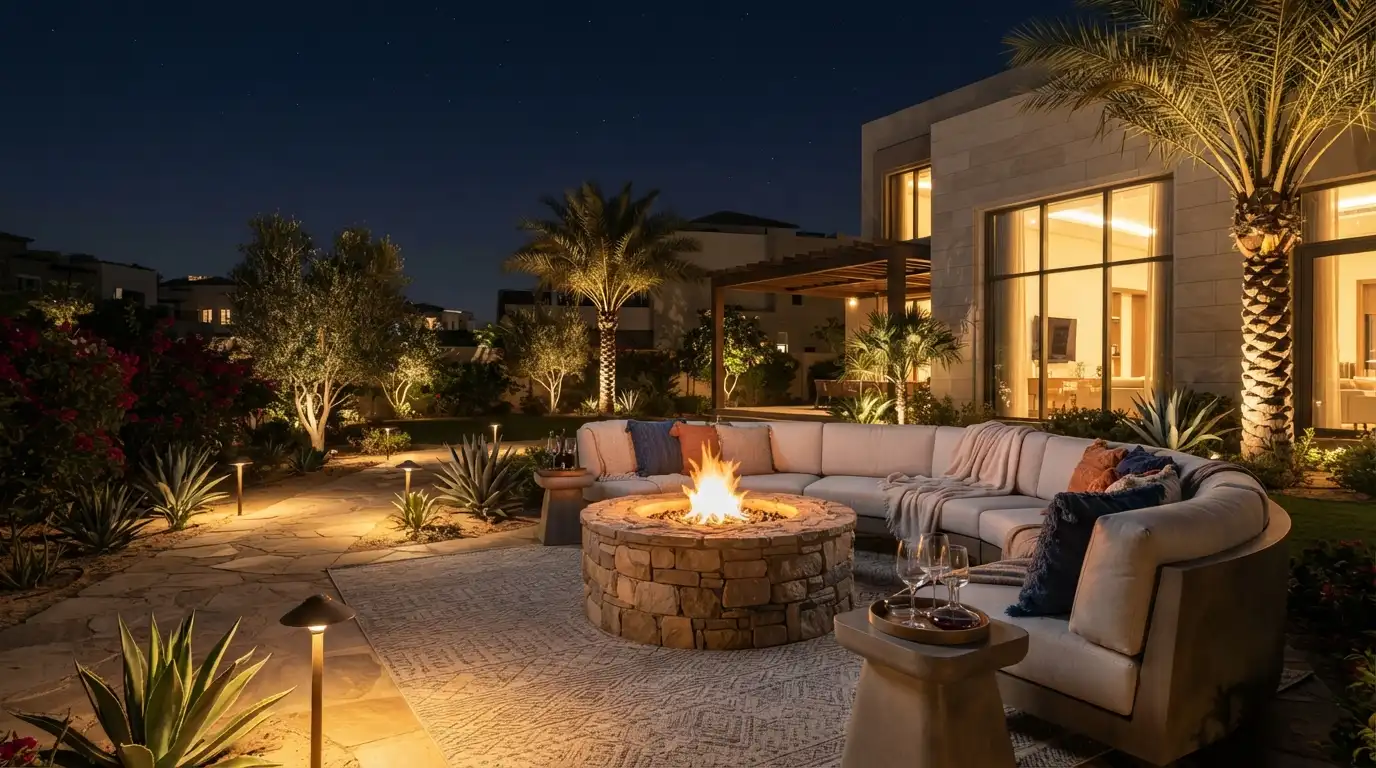
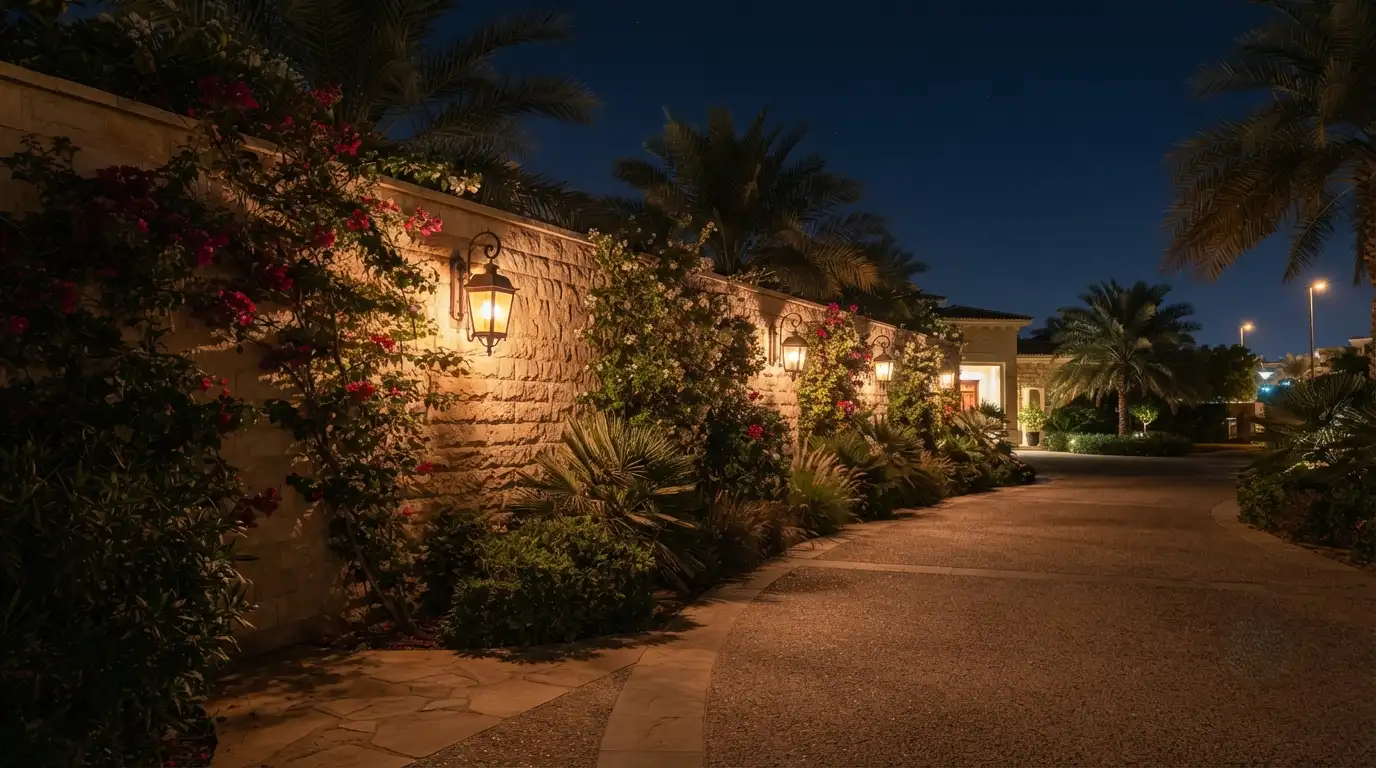
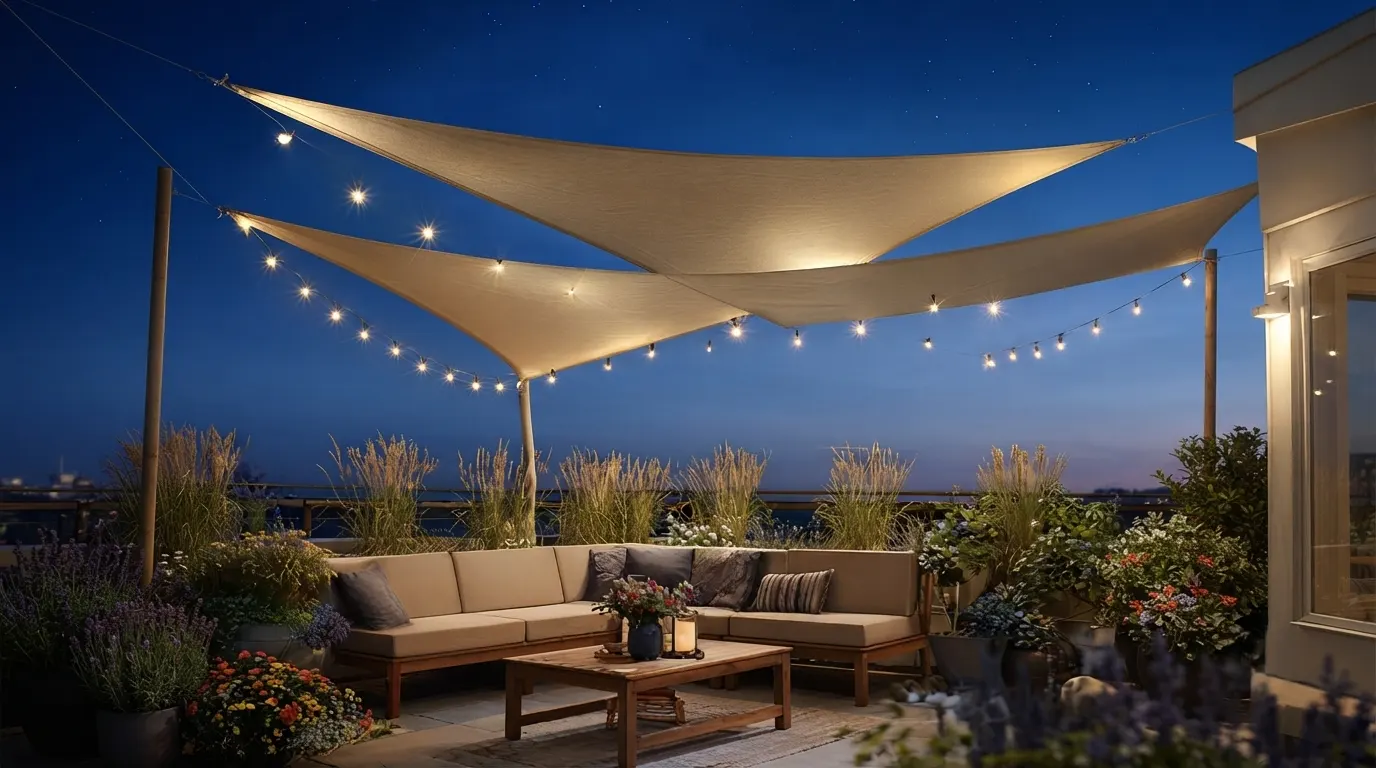
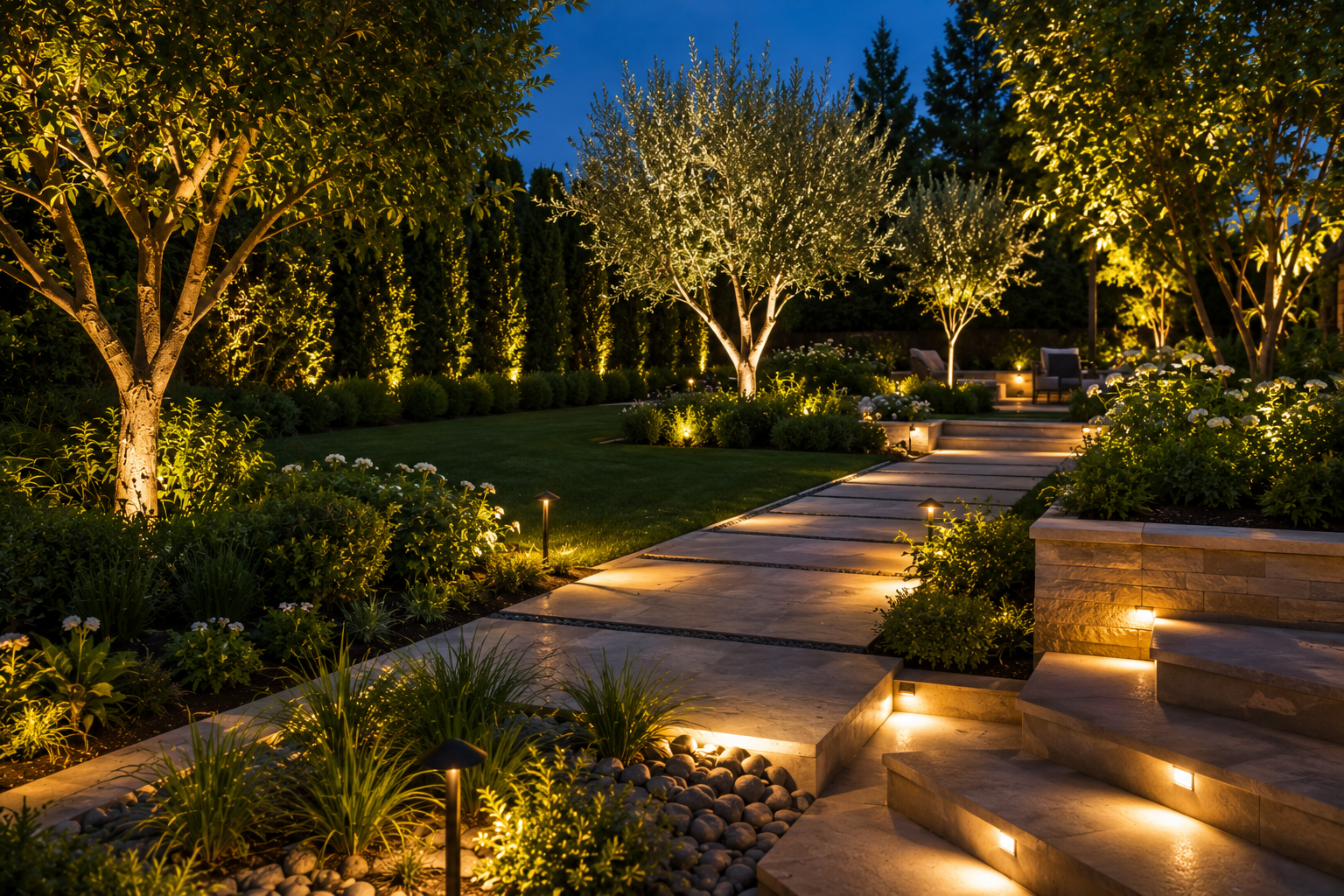
- Add lighting for evening and Fajr prayers. Soft, warm lighting along paths and at the entrance improves both safety and atmosphere.
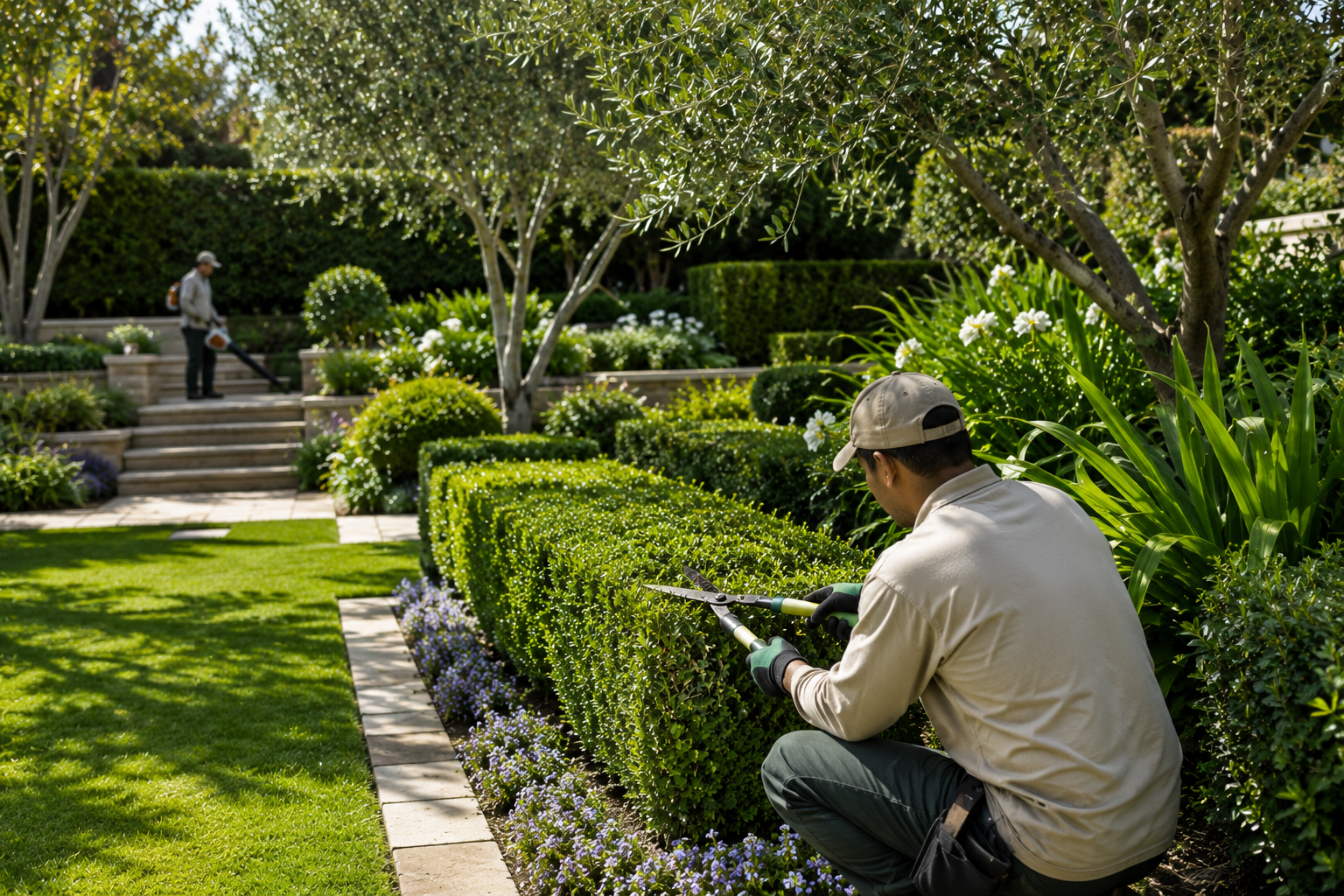
- Plan for ongoing maintenance. Agree on a pruning, mowing, and irrigation-check schedule before the project is even finished, so the garden stays presentable year-round.
Best Plants for Mosque Landscaping in the UAE
| Plant Type | Examples | Why It Works |
|---|---|---|
| Shade Trees | Ghaf, Neem, Date Palm | Native or well-adapted, low water once established, strong summer shade |
| Fragrant Shrubs | Jasmine, Arabian Jasmine | Pleasant scent near entrances and courtyards, modest appearance |
| Ground Cover | Lantana, Vinca | Low maintenance, tolerates heat, keeps soil cool and dust down |
| Hedging | Ficus, Conocarpus | Clean boundary lines, good for privacy and wind buffering |
| Avoid | Thorny cacti, heavy fruit-drop trees, tall grasses near paths | Safety hazard, mess near walking areas, high maintenance |
Native and adapted species like ghaf and neem are especially valued because they mirror the direction of Dubai Municipality’s own greening drive, which has focused on native trees such as sidr, ghaf, and neem, alongside adapted ornamental varieties across its public landscaping projects.
Comparison: Traditional vs Modern Mosque Garden Layouts
| Feature | Traditional Islamic Garden | Modern UAE Mosque Landscape |
|---|---|---|
| Layout | Formal, symmetrical, courtyard-focused | Symmetrical core with flexible outdoor prayer zones |
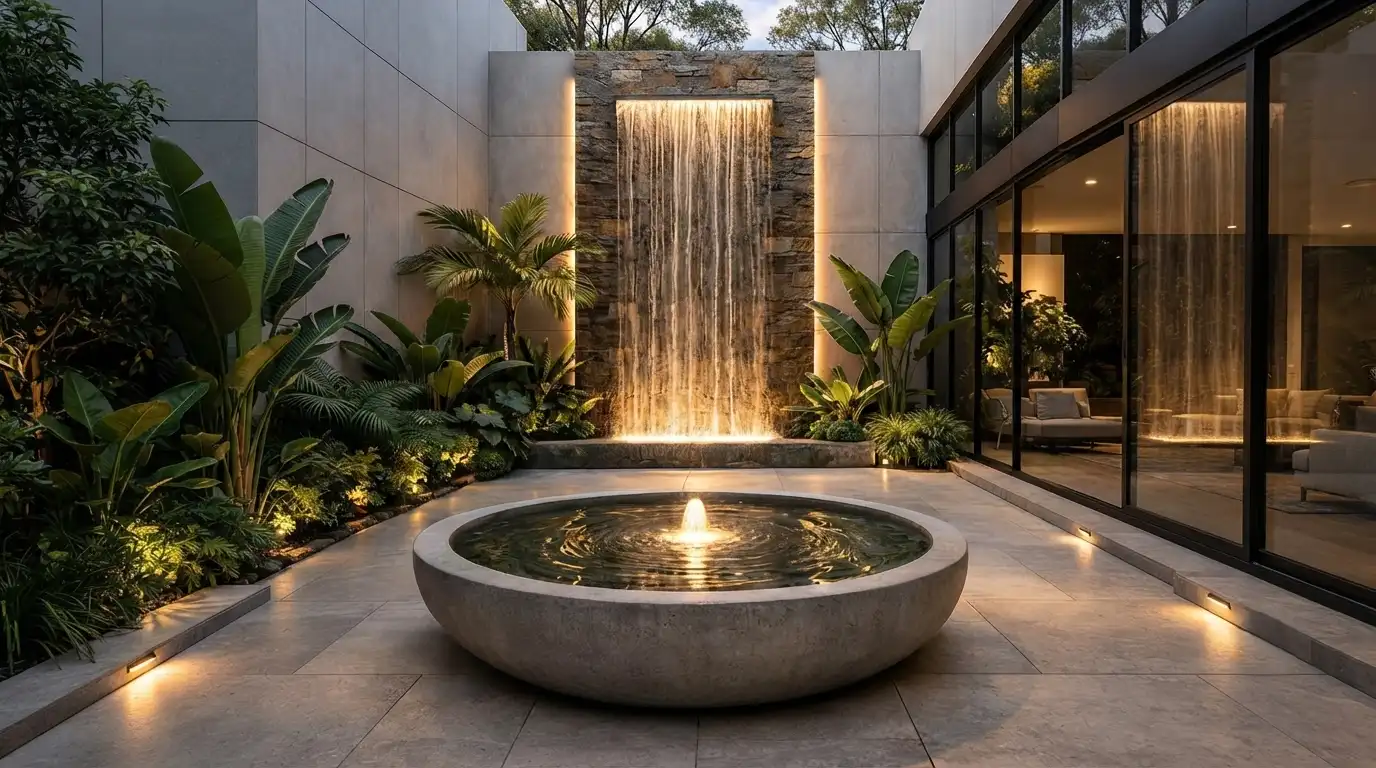
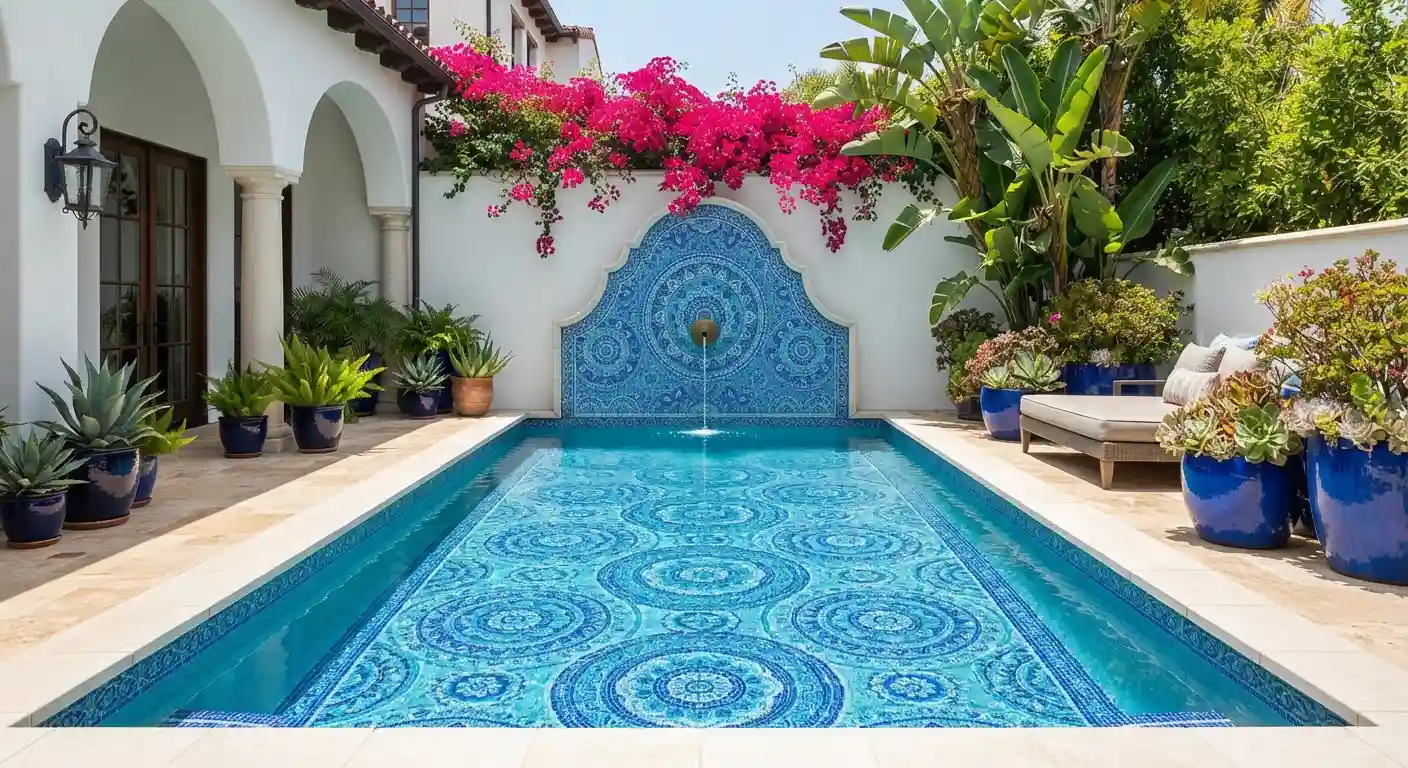
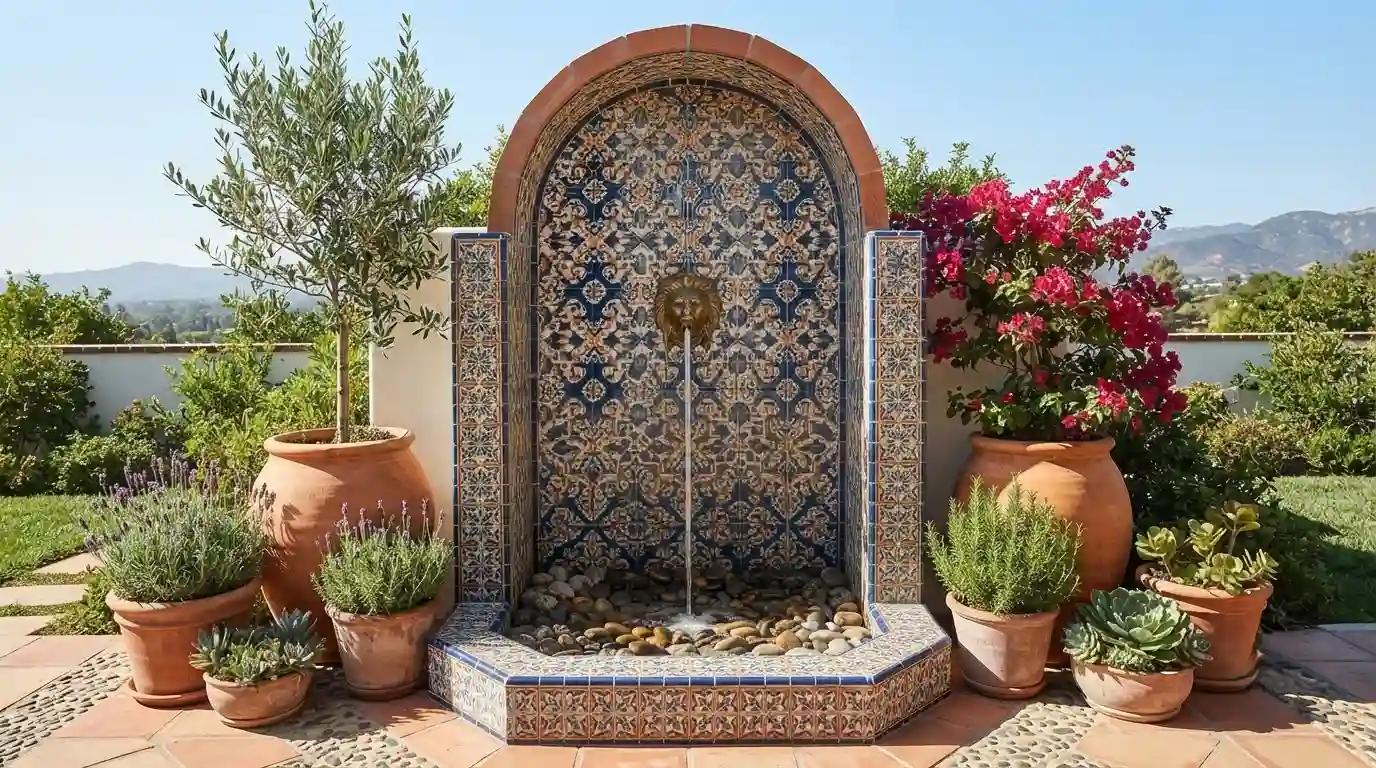
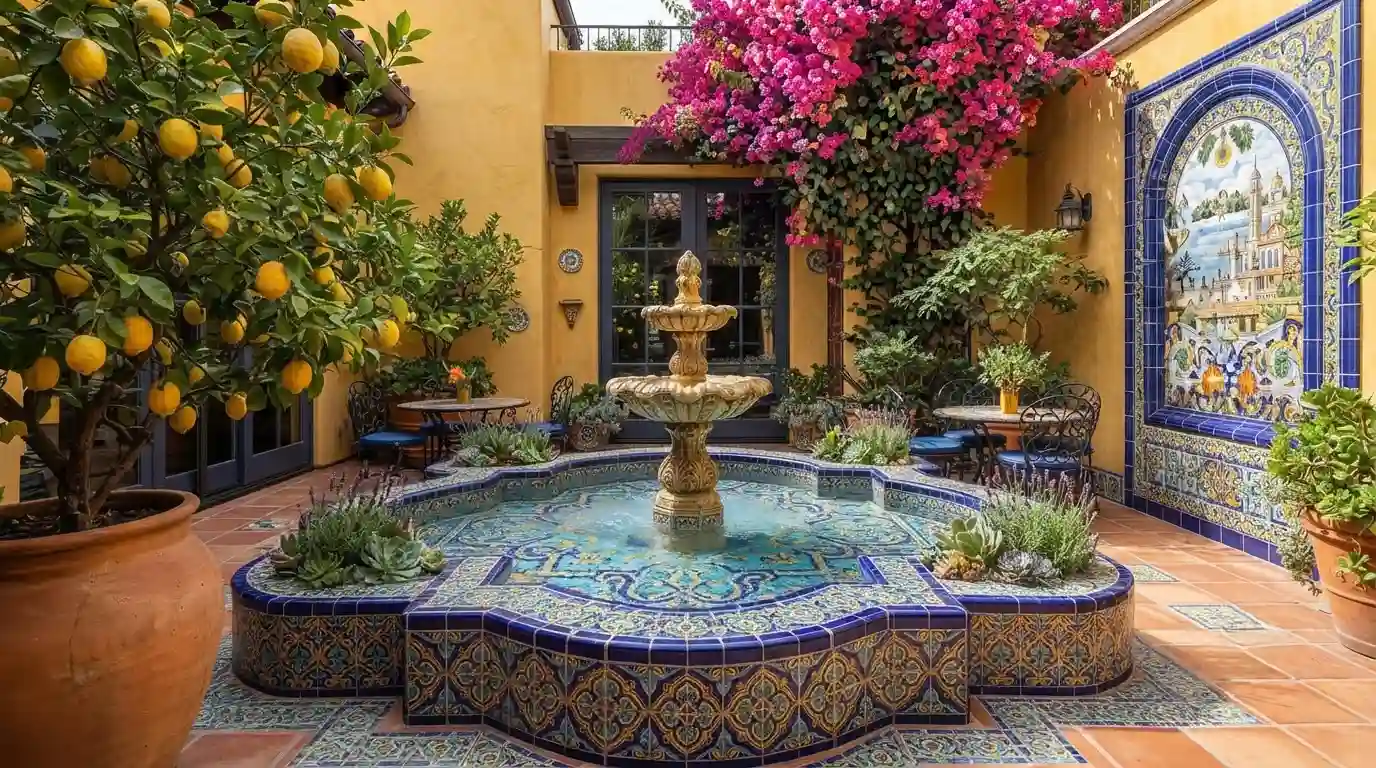
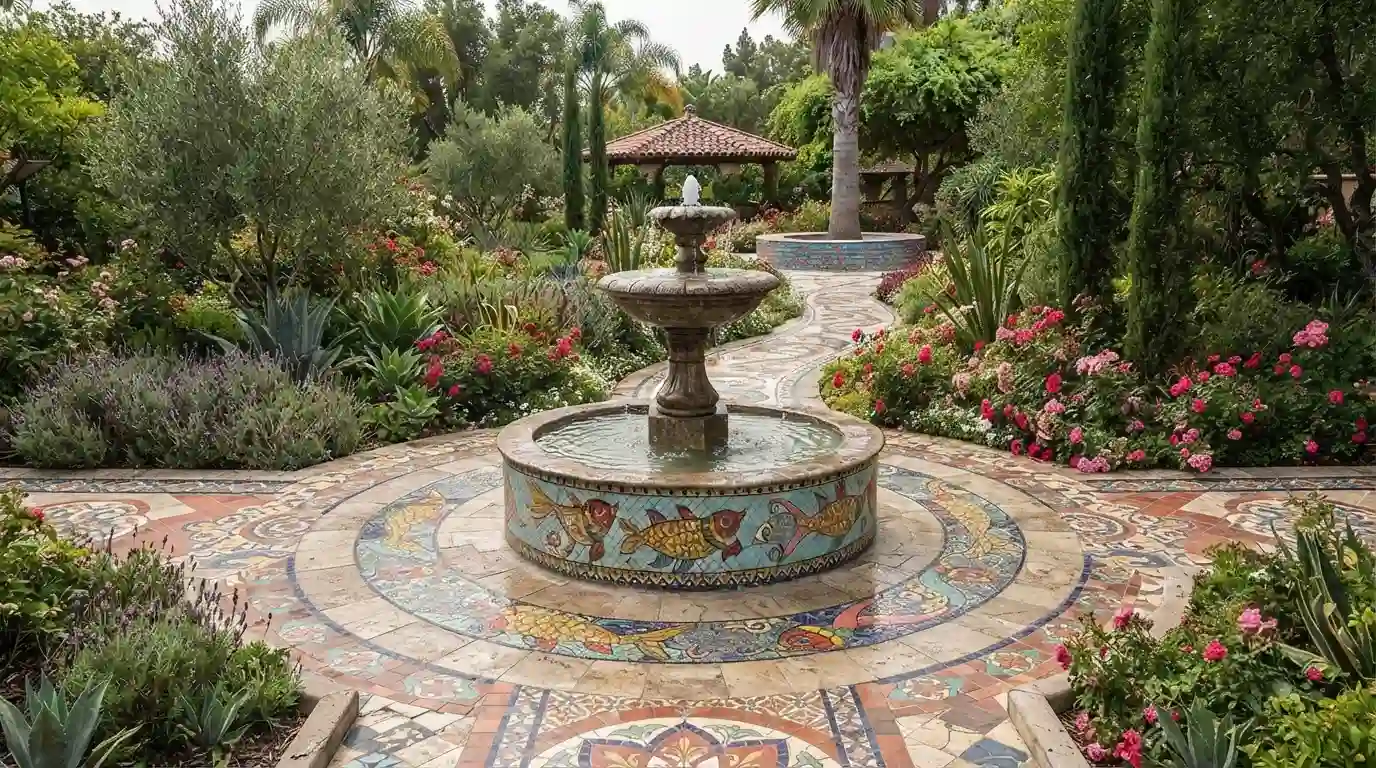
| Water Features | Central fountain or reflecting pool | Small water feature or omitted for water-saving |
| Planting | Date palms, citrus, roses | Native trees, drought-tolerant shrubs, minimal flowering |
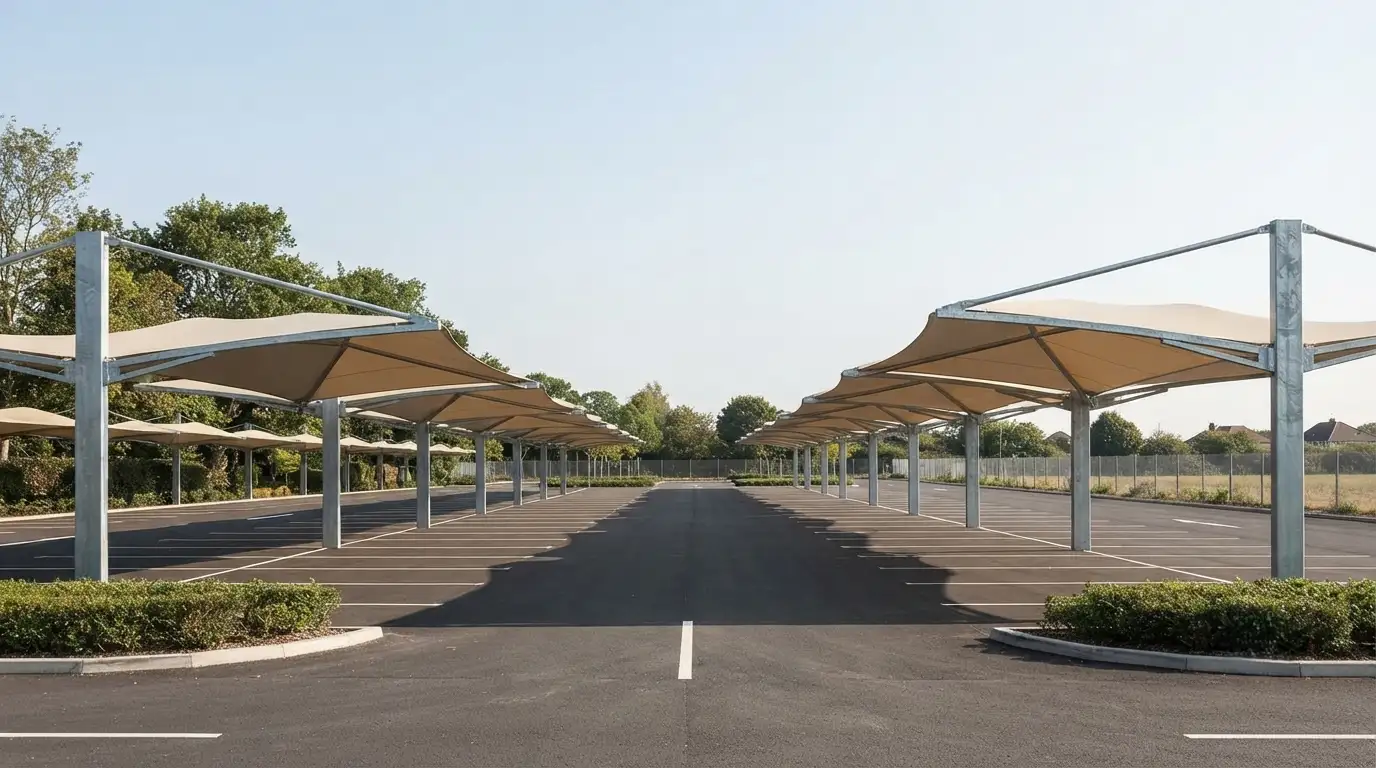
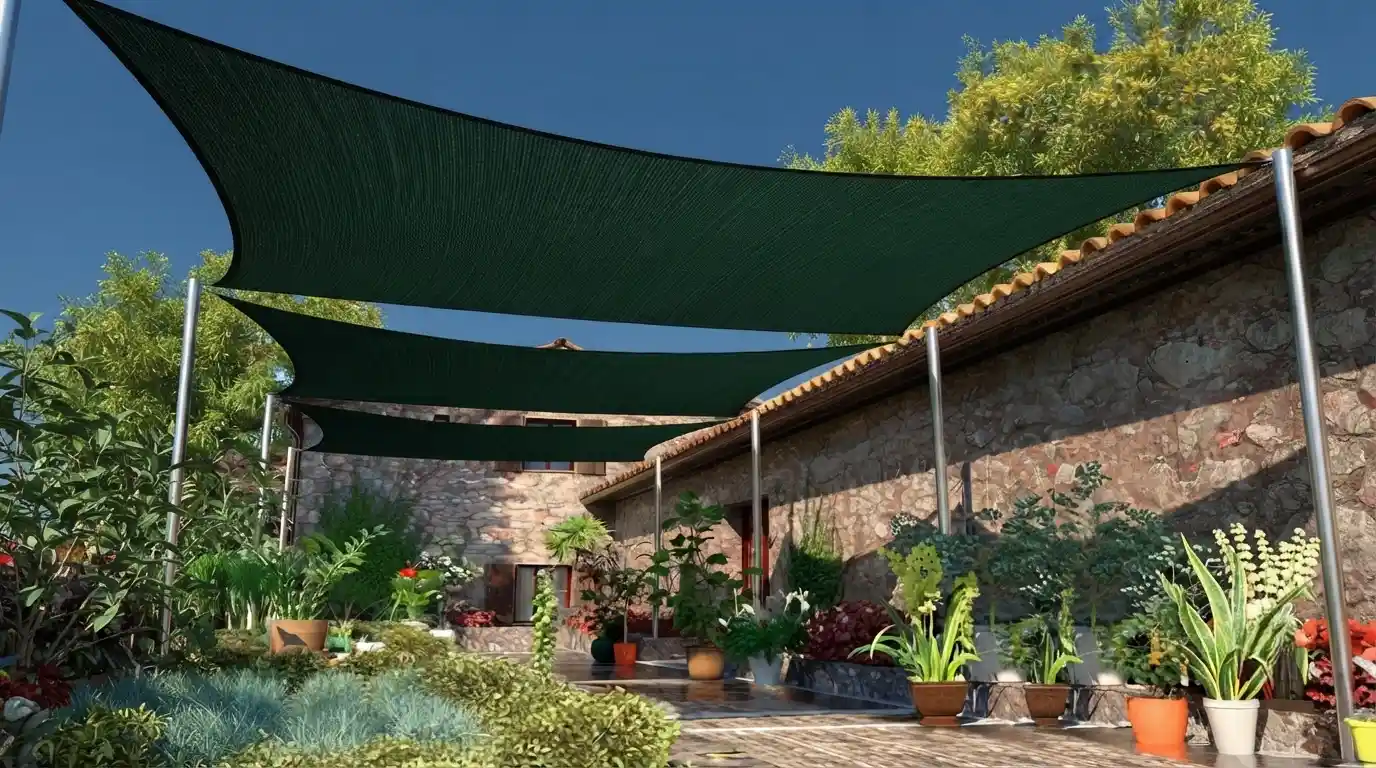
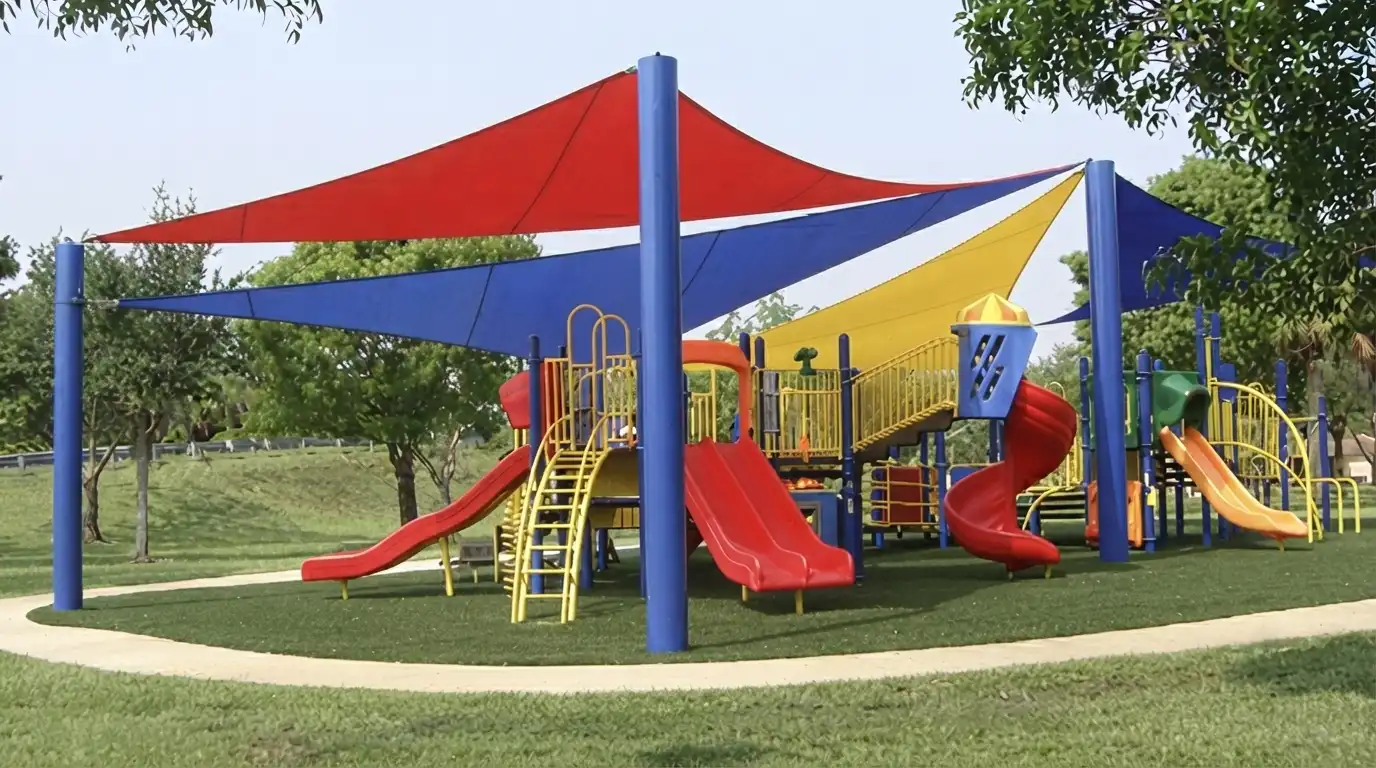
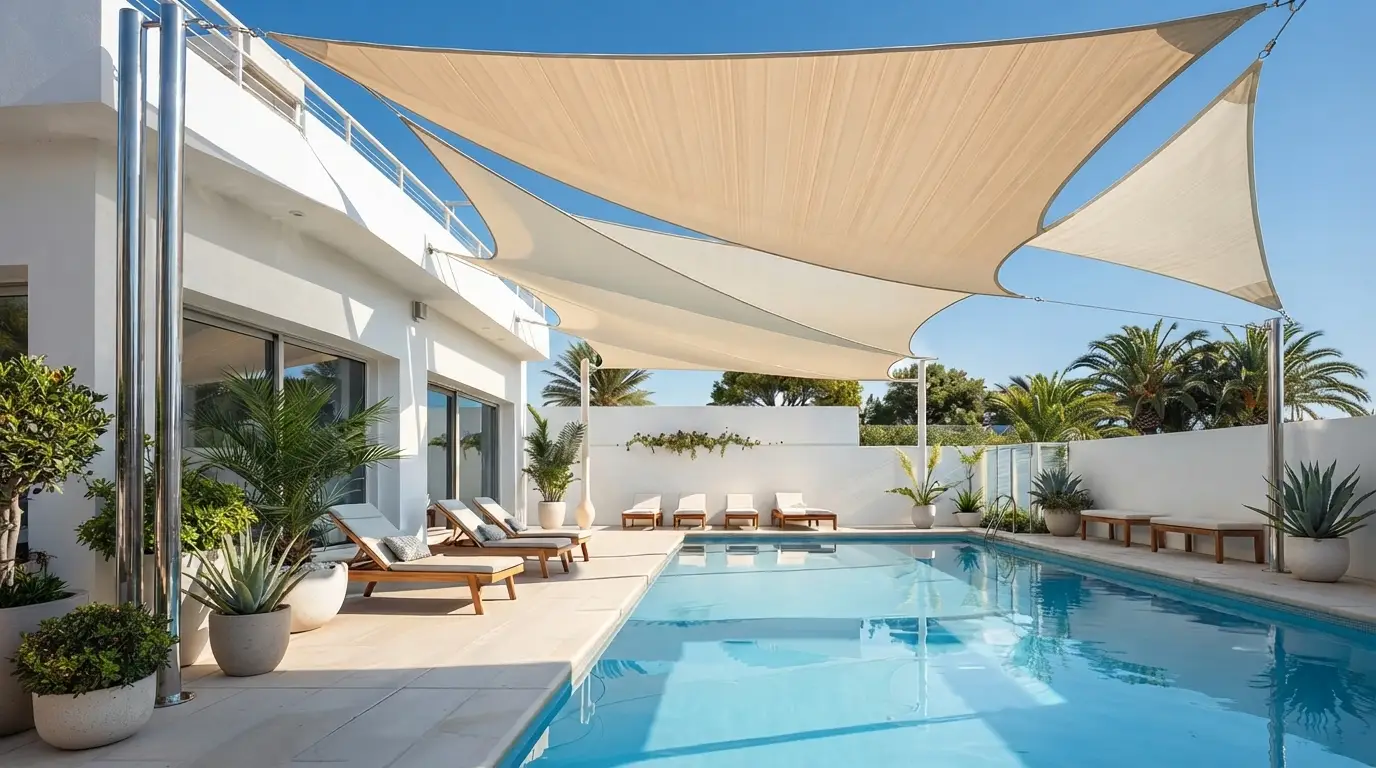
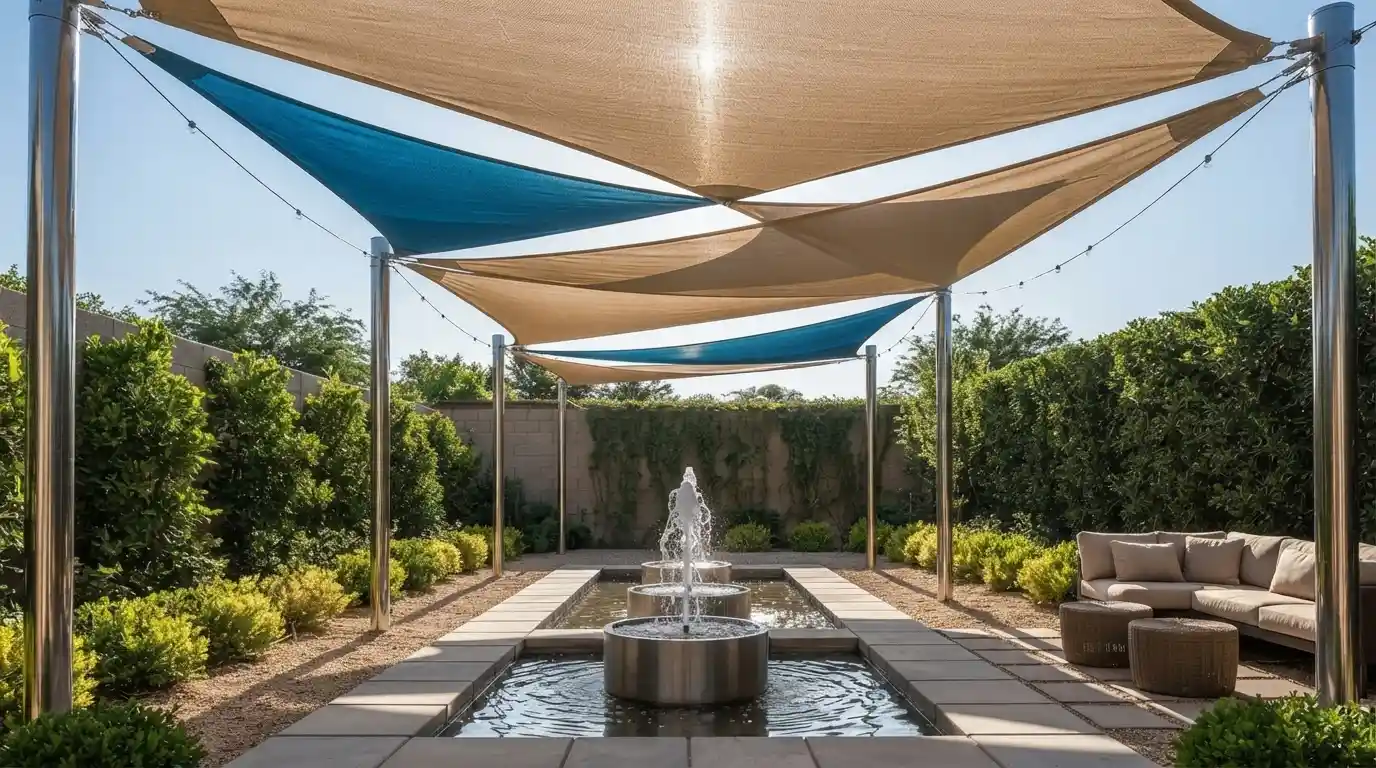
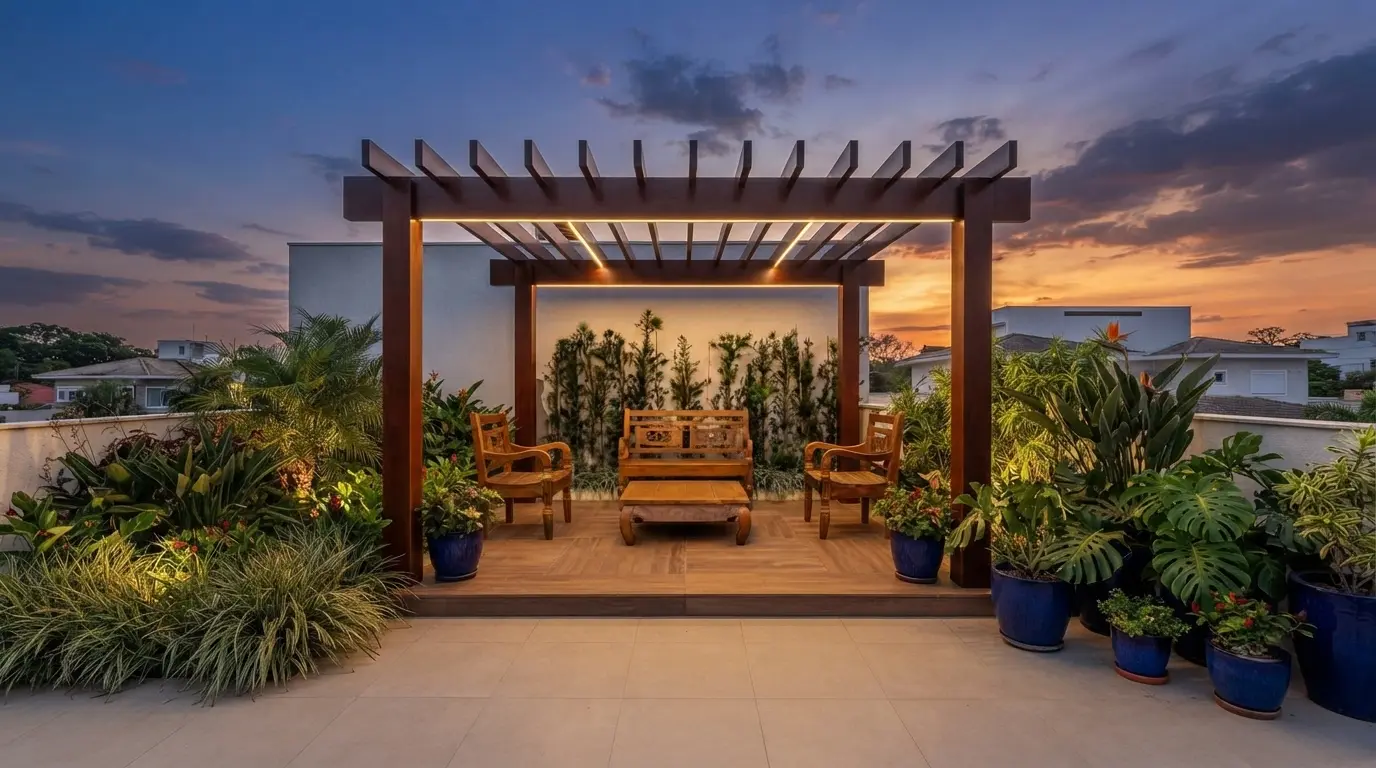
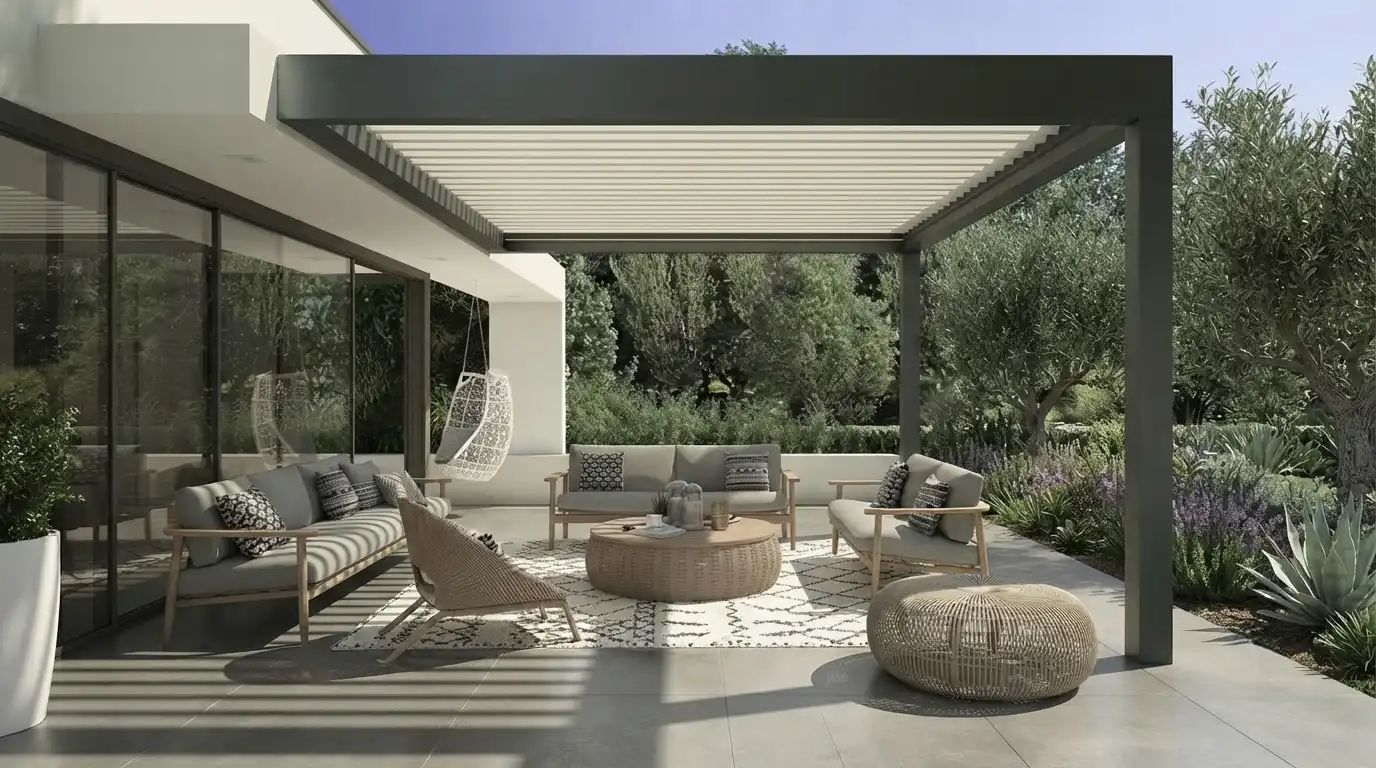
| Shade | Colonnades and archways | Pergolas, shade sails, tree canopy combined |
| Irrigation | Manual or basic flood watering | Smart drip irrigation with automated controllers |
| Lighting | Oil lamps, simple wall lights | LED path lighting, warm-toned architectural lighting |
Both approaches share the same soul order, shade, and simplicity but modern UAE projects add efficient irrigation and climate-smart materials on top of the traditional design language.
Irrigation and Water Features in Mosque Design
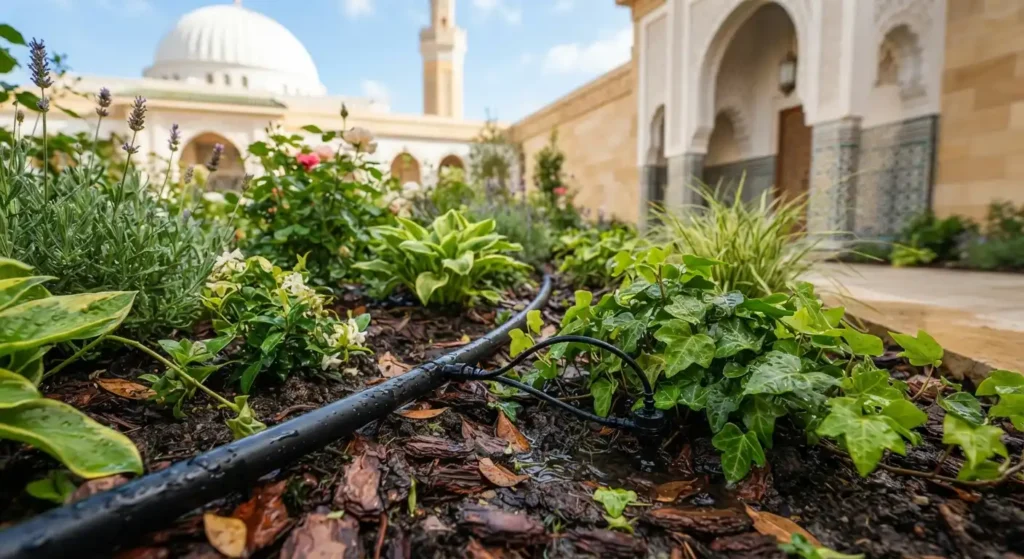
Water plays a symbolic role in Islamic design, but in the UAE, it also has to be practical. A few guidelines:
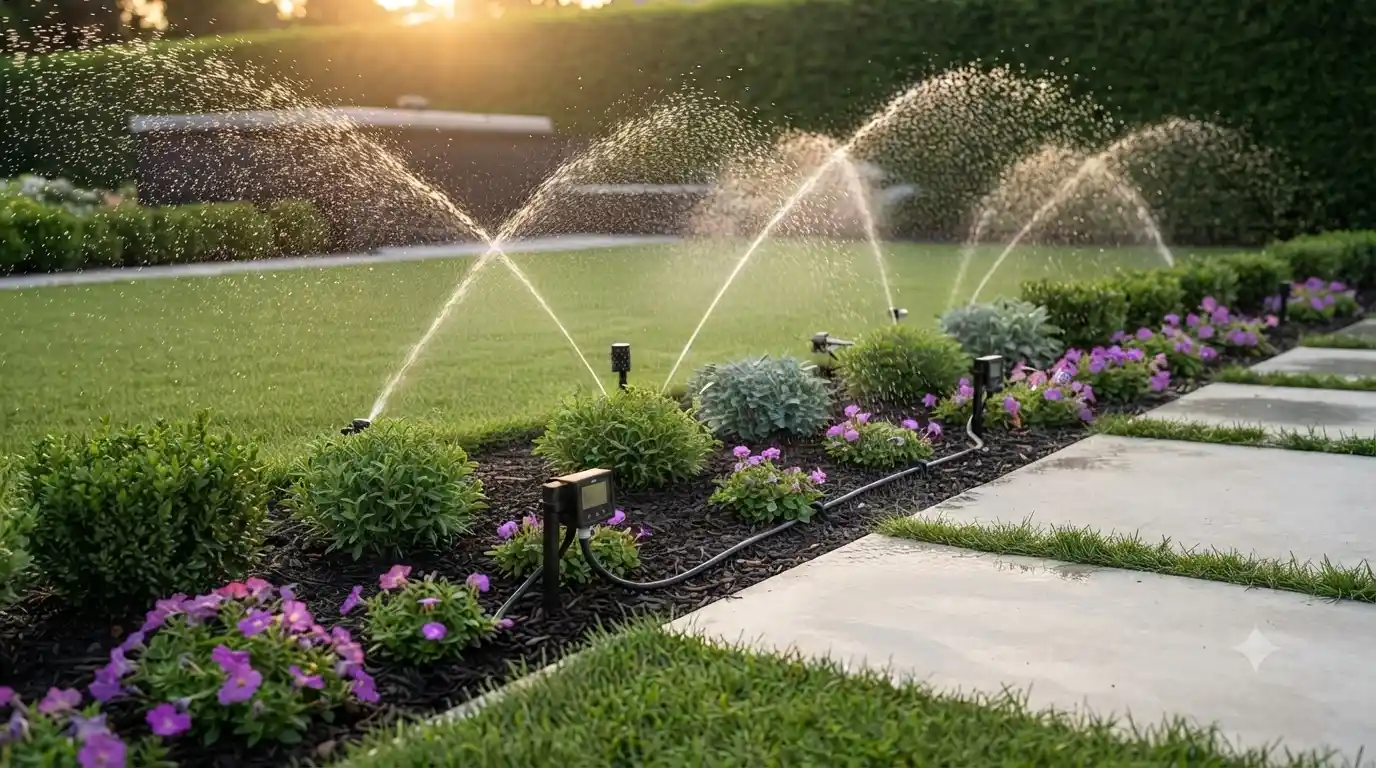
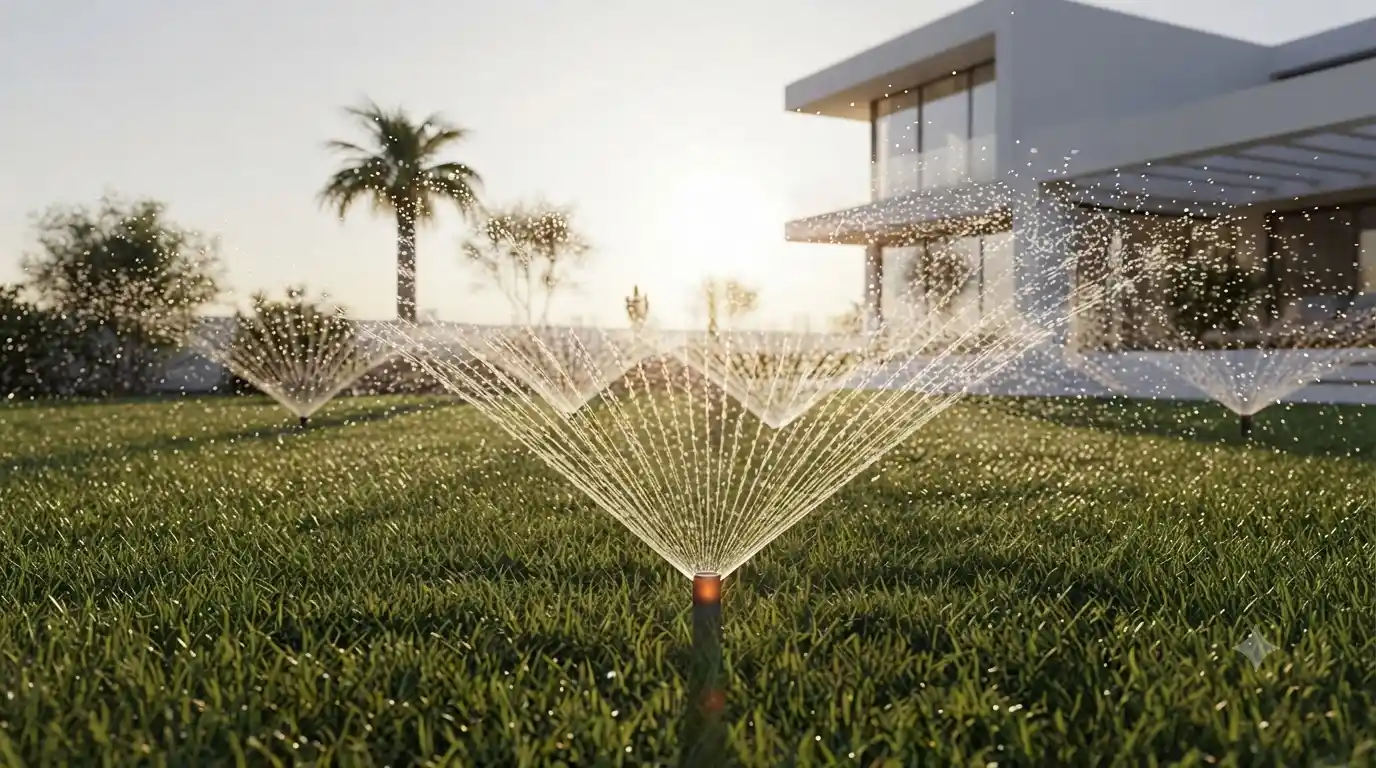
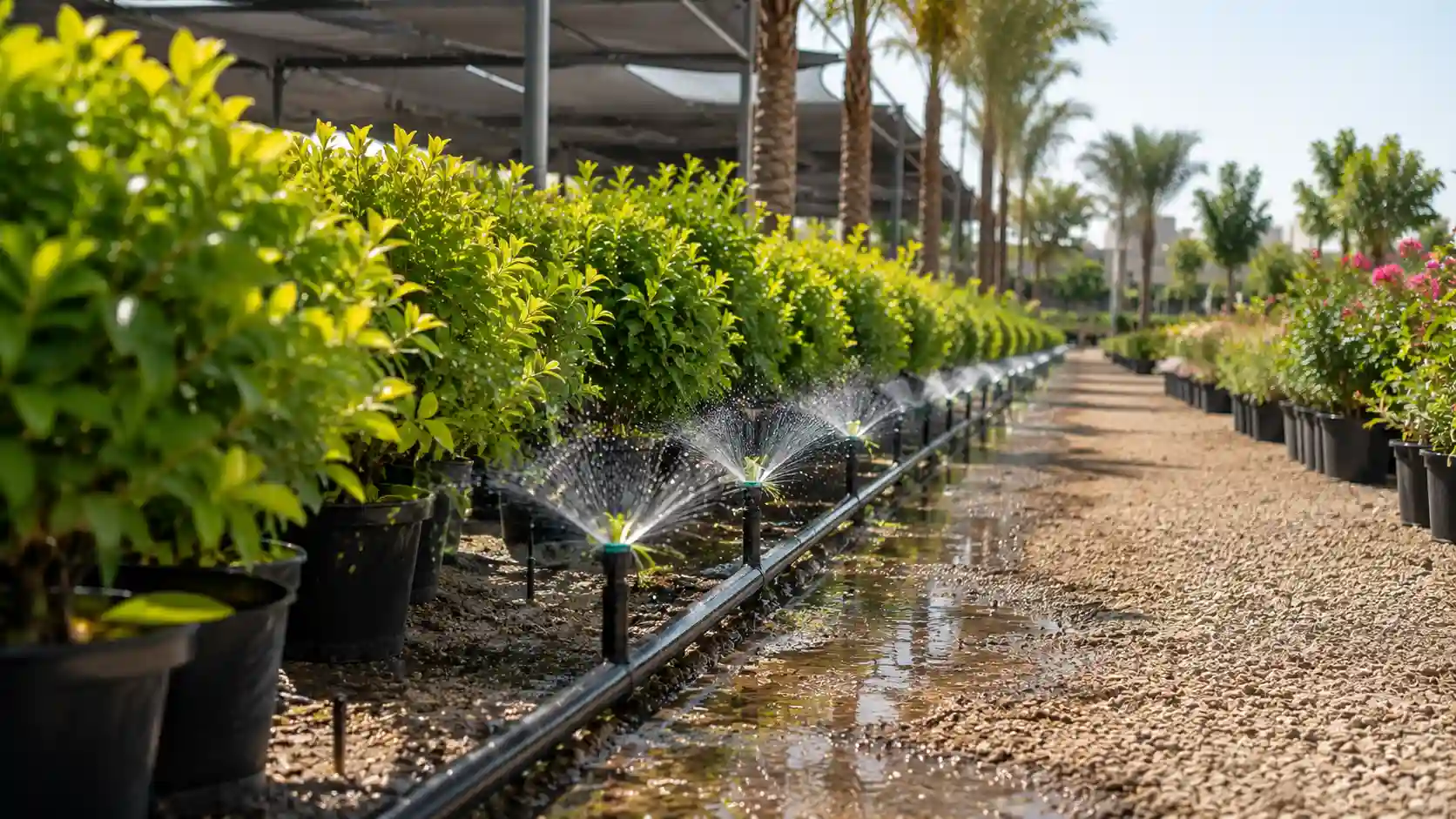
- Use drip irrigation instead of overhead sprinklers near paved courtyards to avoid slippery surfaces.
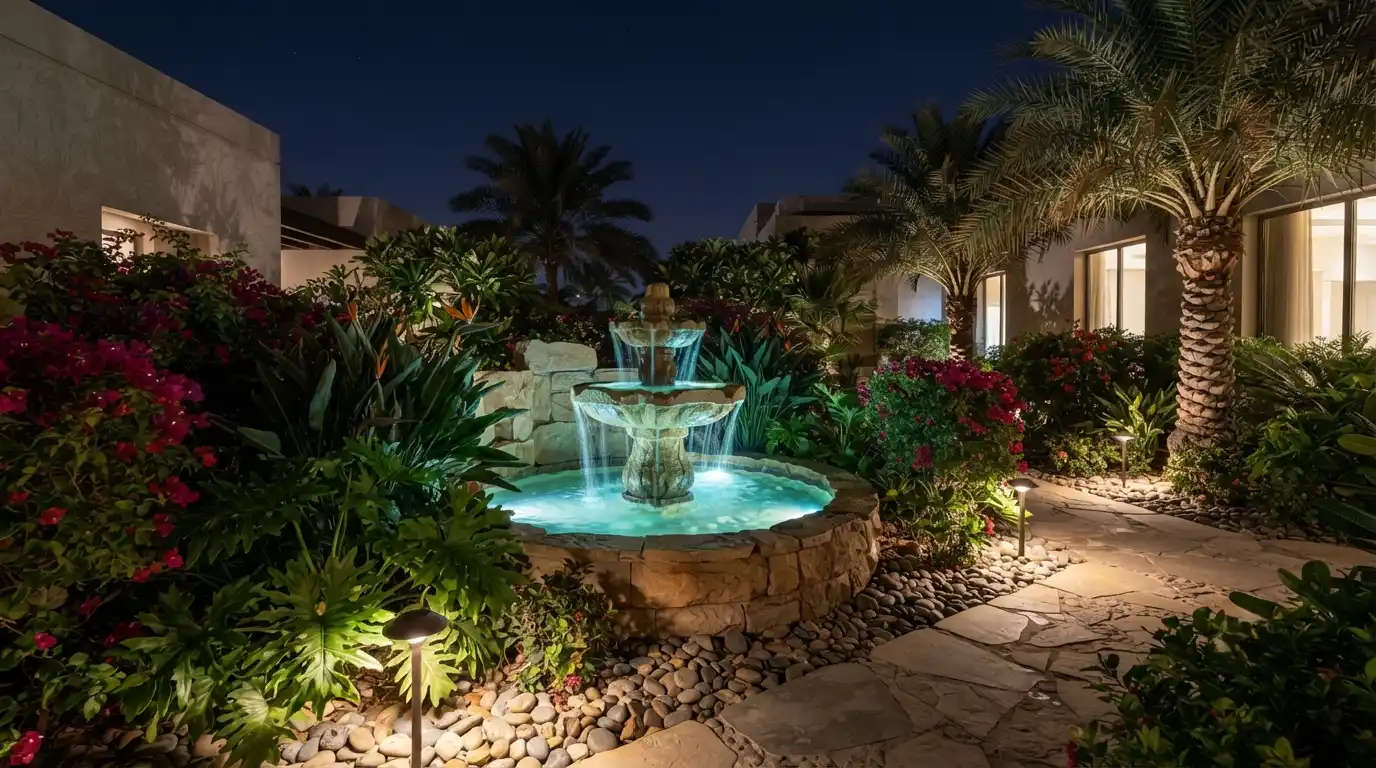
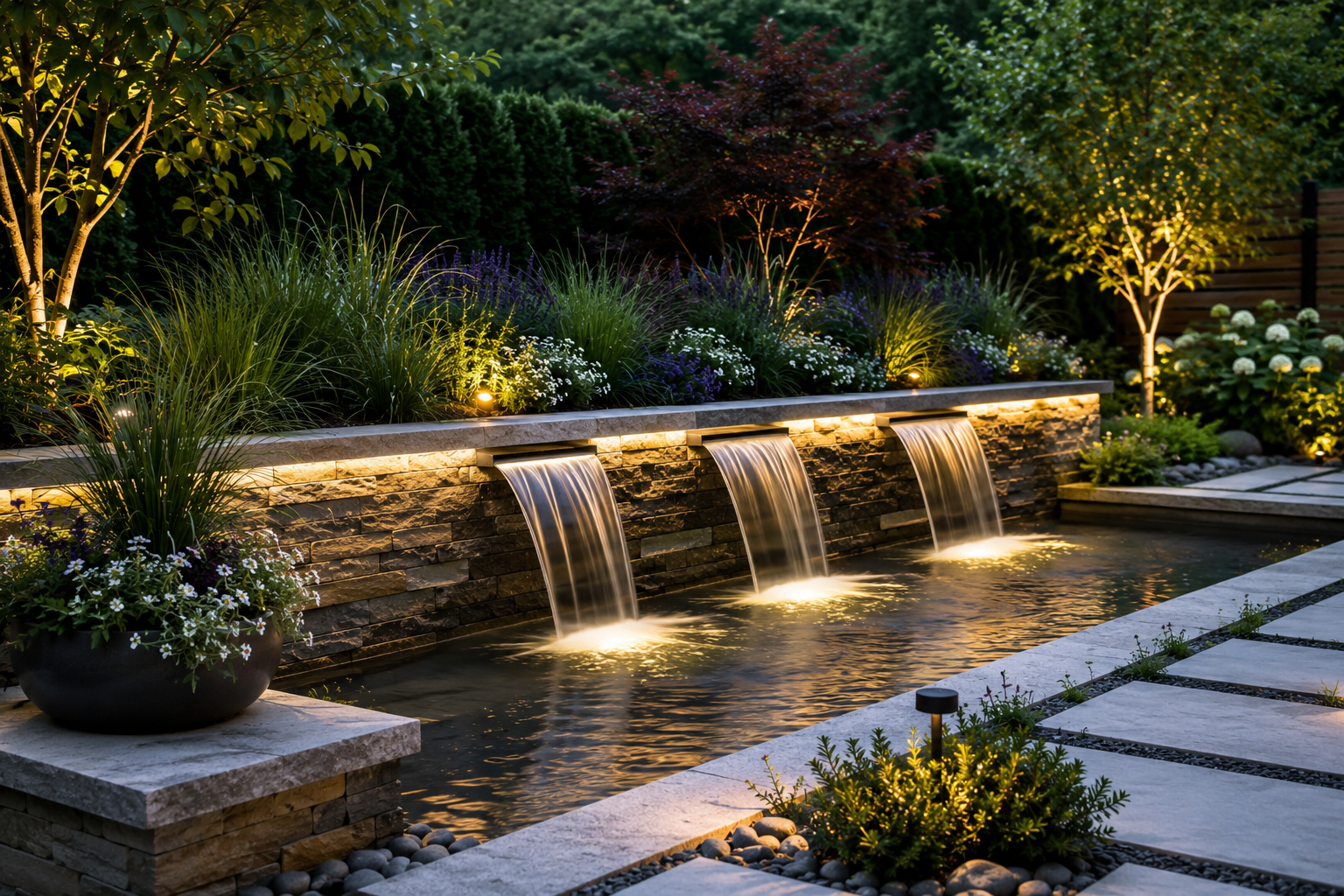
- If a fountain or reflecting pool is planned, keep it small, low-maintenance, and positioned away from main walking paths.
- Install smart irrigation controllers that adjust watering based on season and weather, cutting water waste significantly a step that aligns with Dubai’s broader water efficiency regulations for buildings and landscaping.
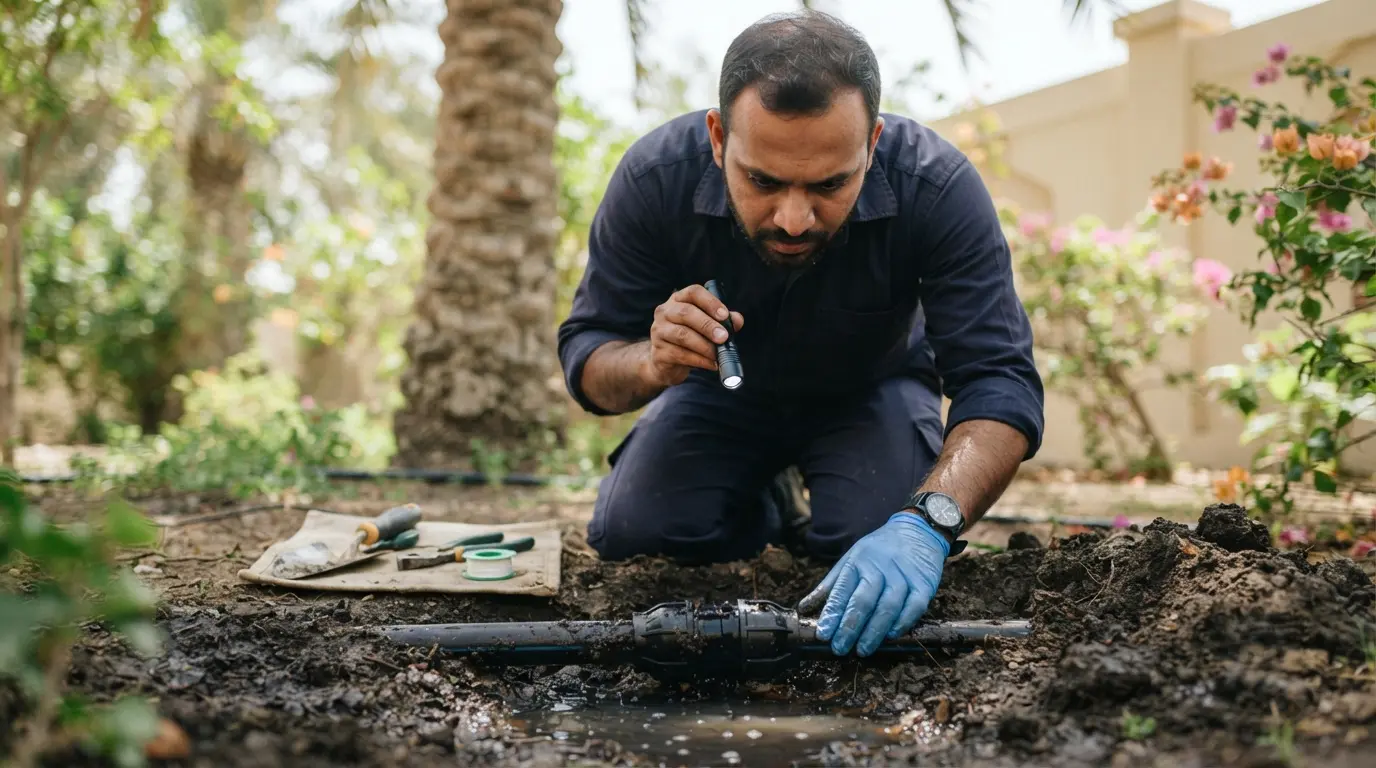
- Route wudu area drainage separately from ornamental planting beds to prevent overwatering and root rot.
For mosque committees planning a full irrigation upgrade, our irrigation services team can design a system specifically built around prayer-time usage patterns and UAE water regulations.
Common Mistakes to Avoid
- Overplanting near entrances. Dense shrubs near the main door can block sightlines and feel cluttered rather than welcoming.
- Ignoring wudu area drainage. Poor drainage here leads to standing water, algae, and slip hazards one of the most common complaints we hear from mosque facility managers.
- Choosing thorny or fruit-dropping trees near paths. These create safety issues and extra cleaning work.
- Skipping shade planning. A beautiful garden with no shaded waiting area fails the people who need it most during Friday prayers in summer.
- Underestimating maintenance needs. A garden that looks great at handover but has no ongoing care plan will decline fast in UAE heat.
- Copying villa or hotel landscaping styles. What works for a resort pool deck rarely fits the quiet, modest character a mosque garden needs.
Expert Tips From Akaa Landscape
- Design for Friday and Ramadan peak crowds, not average days. Size your shaded areas and pathway widths around the busiest moments, not a quiet Tuesday afternoon.
- Use fragrant plants sparingly and strategically. A jasmine hedge near the entrance creates a beautiful first impression without overwhelming the space.
- Match lighting warmth to the building. Cooler white LED lighting can feel clinical outside a mosque; warm-toned lighting suits the atmosphere better.
- Build in a mowing-free buffer zone along boundary walls to reduce ongoing labour and noise from maintenance equipment during prayer times.
- Involve the mosque committee early. Community input on plant choice and layout avoids costly redesigns later.
Frequently Asked Questions
1. What is the best plant for mosque landscaping in the UAE?
Native or adapted trees such as ghaf, neem, and date palms are the most popular choices. They handle UAE heat well, need less water once established, and provide strong shade for outdoor prayer areas.
2. How much water does a mosque garden need in the UAE?
Water needs depend on plant selection and irrigation type, but drip irrigation combined with drought-tolerant, native planting can cut water use significantly compared to lawns or flood irrigation. A smart controller further reduces waste by adjusting to weather and season.
3. Should a mosque garden have a fountain?
It is optional. Traditional Islamic gardens often include a central fountain or reflecting pool, but many modern UAE mosque projects skip this or use a small, low-maintenance version to save water and reduce upkeep.
4. How do you design the area around the wudu (ablution) space?
Focus on slip-resistant paving, proper drainage sloped away from walking paths, and planting that tolerates regular water contact without root rot. This area sees heavy daily use and needs the most durable materials in the whole project.
5. How often should mosque landscaping be maintained?
Most UAE mosque gardens need weekly to bi-weekly maintenance, including pruning, irrigation checks, and pathway cleaning, with more frequent care during Ramadan and peak summer growth periods.
Conclusion
Thoughtful mosque garden design in the UAE balances tradition, function, and climate. The goal is never to impress it is to create a calm, shaded, well-organised space that supports worship and community gathering, day after day, season after season.
Whether you are planning a new mosque or upgrading an existing landscape, getting the layout, planting, and irrigation right from the start saves money and hassle down the line.
Contact Akaa Landscape today for a free consultation and quotation on your mosque landscaping project anywhere in the UAE. Our team understands the cultural, practical, and climate considerations that go into designing sacred outdoor spaces and we’re ready to help bring your vision to life.