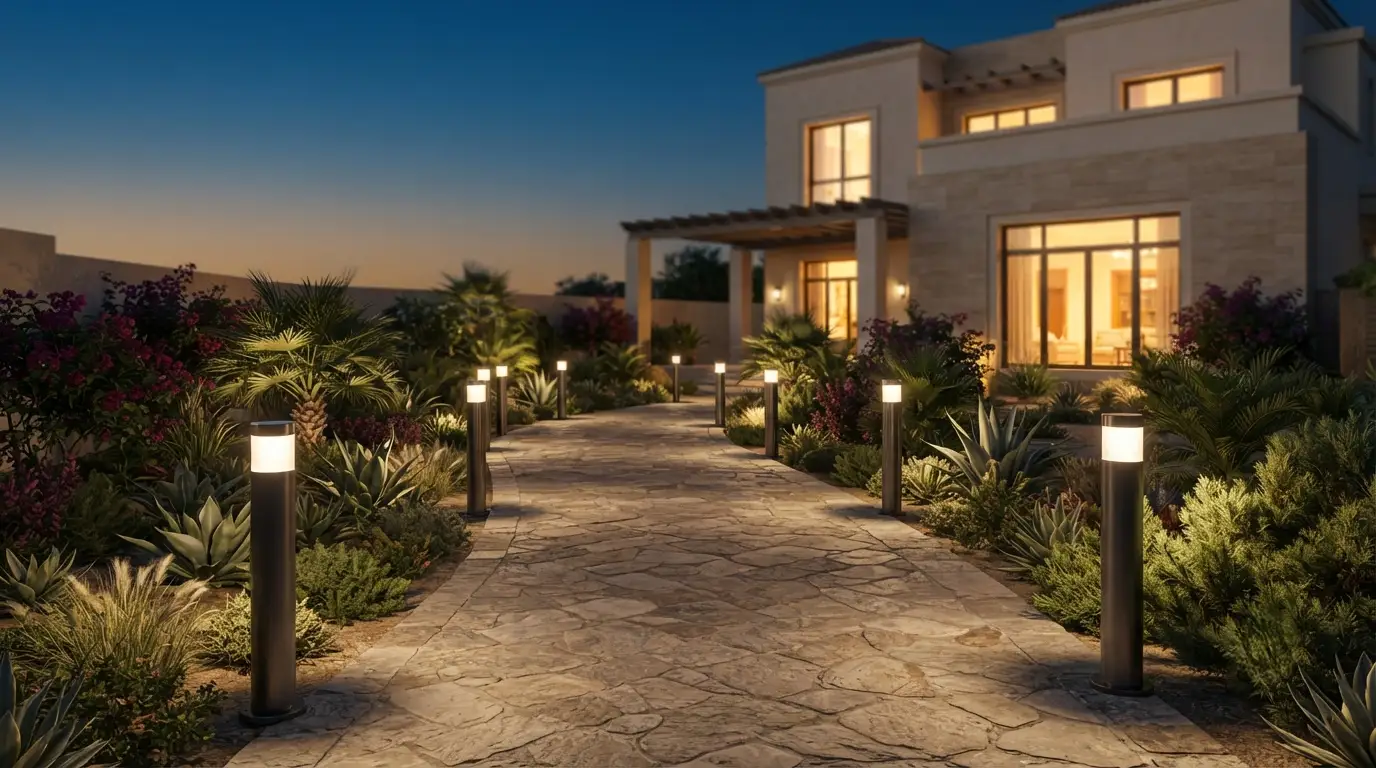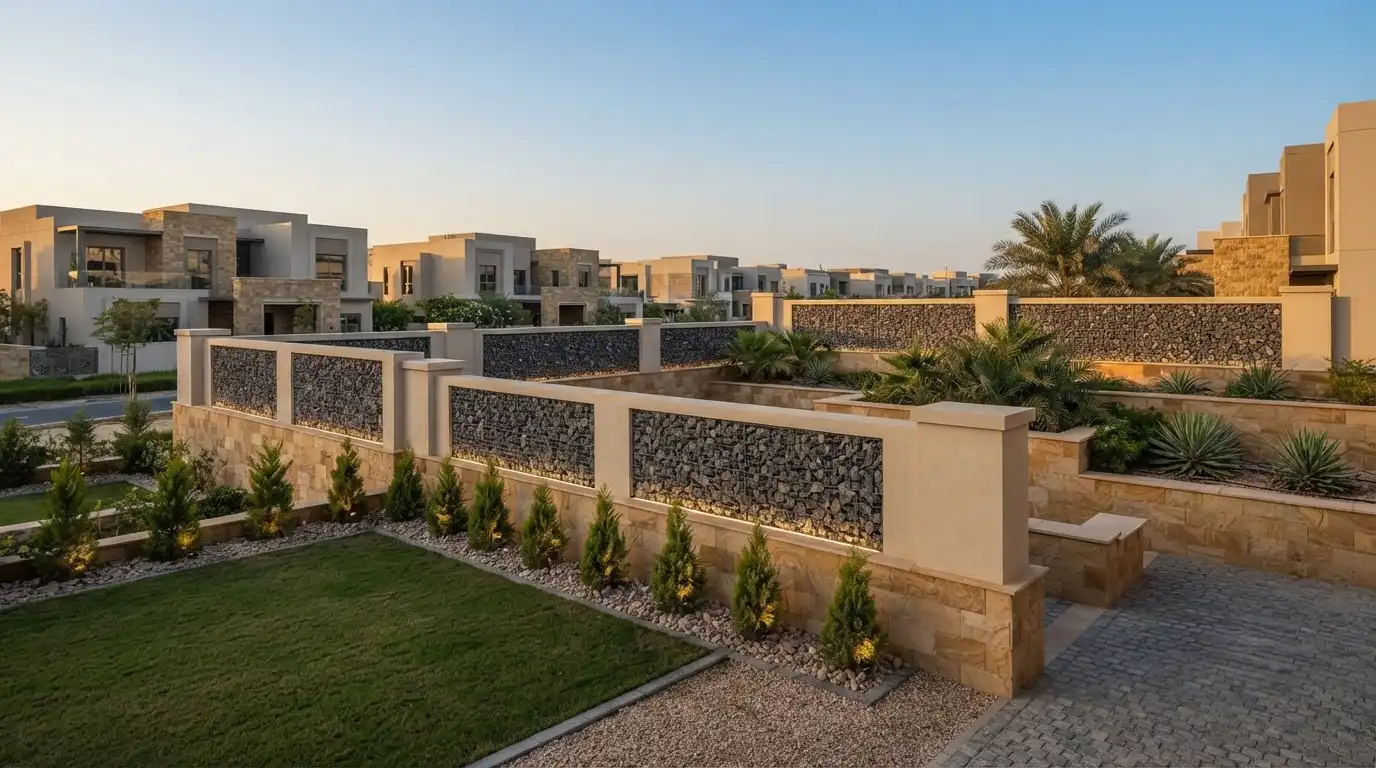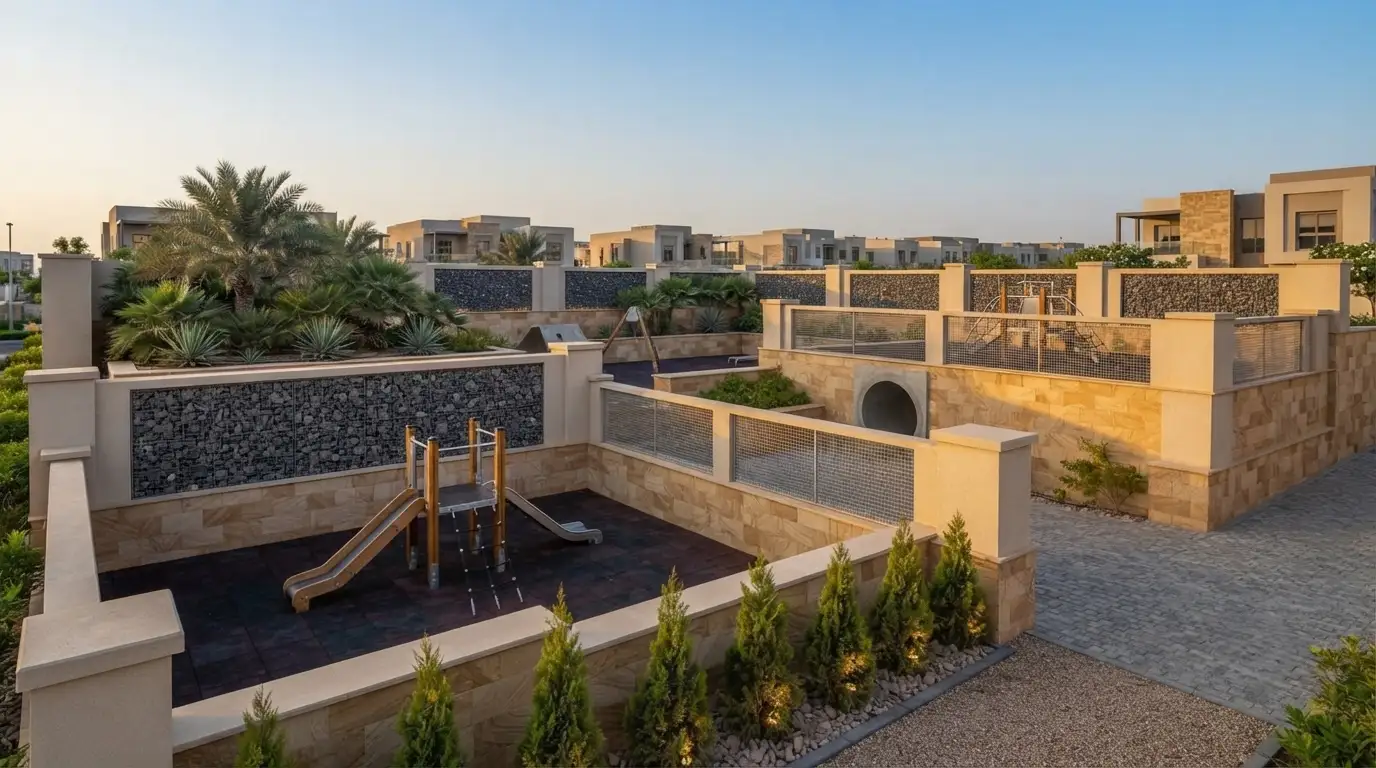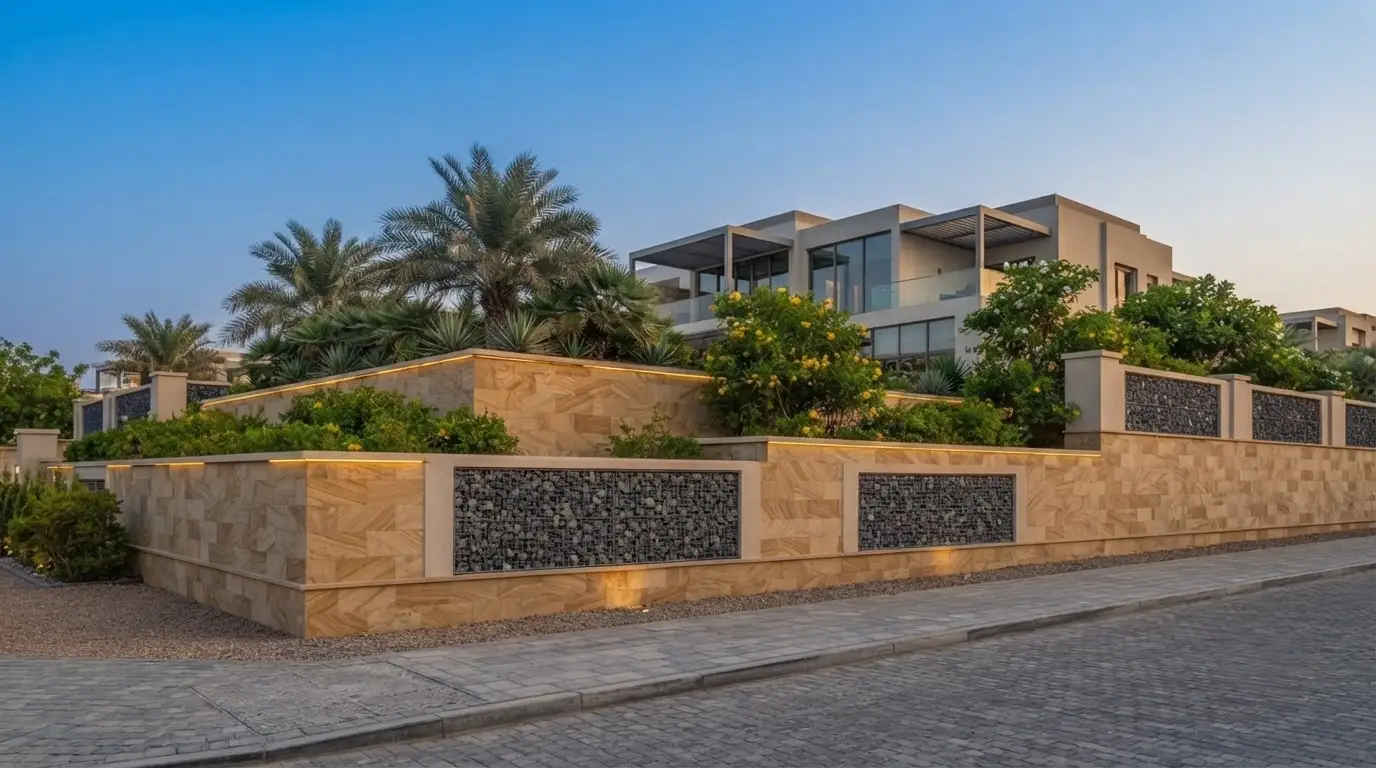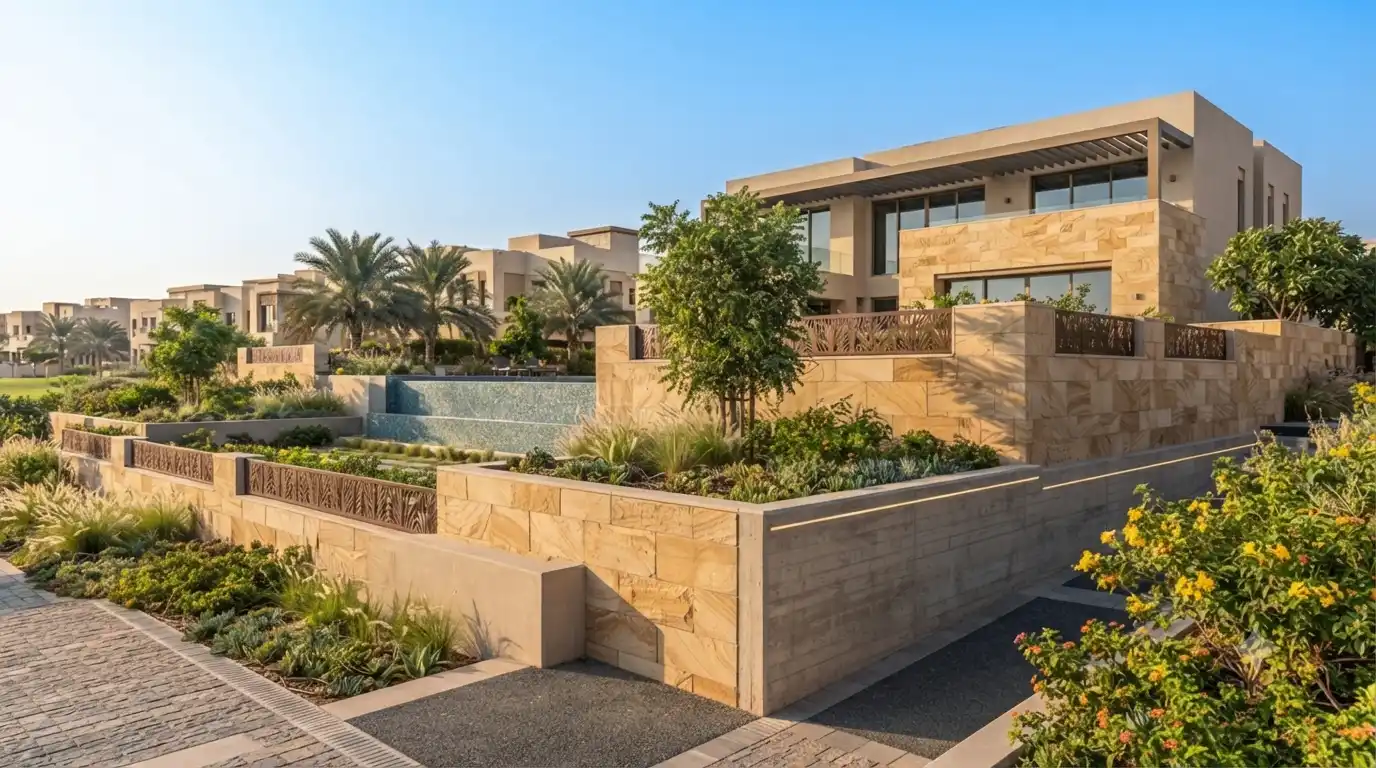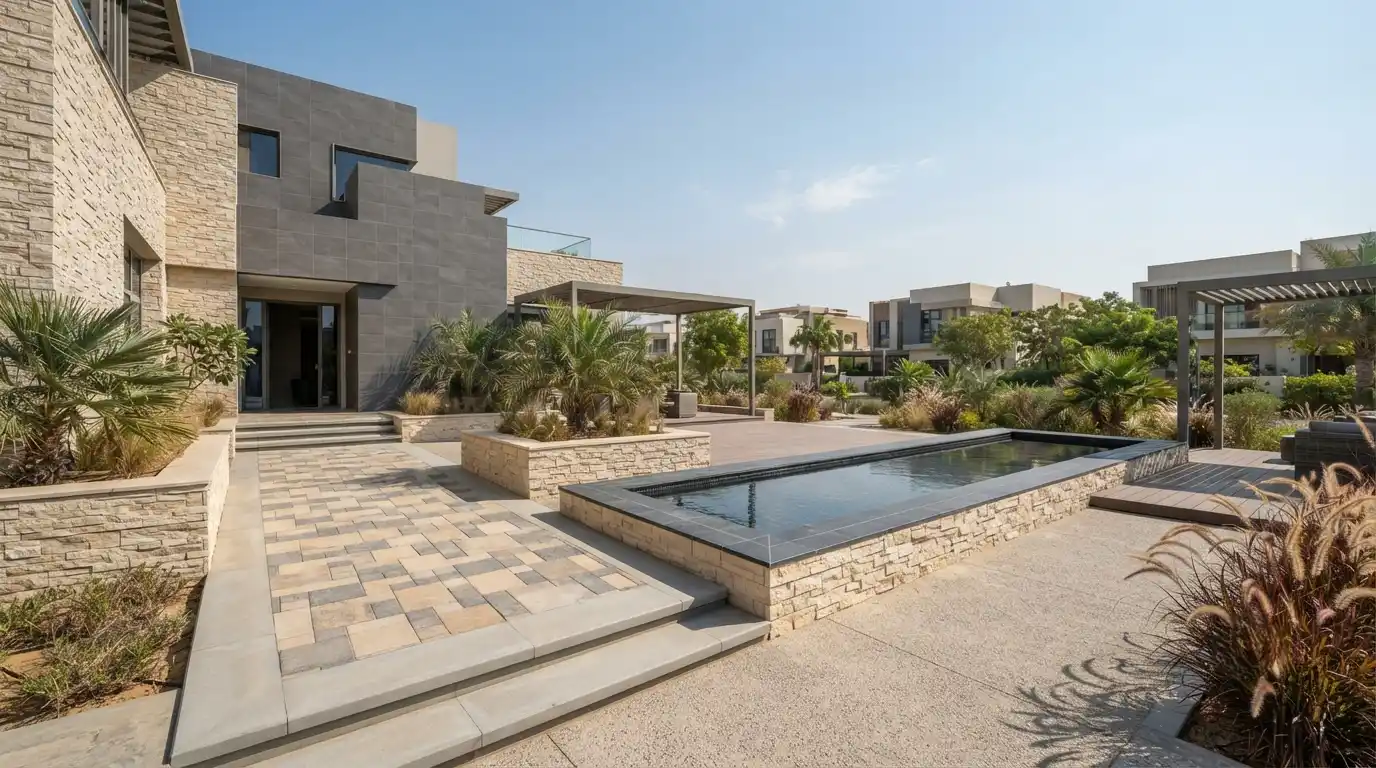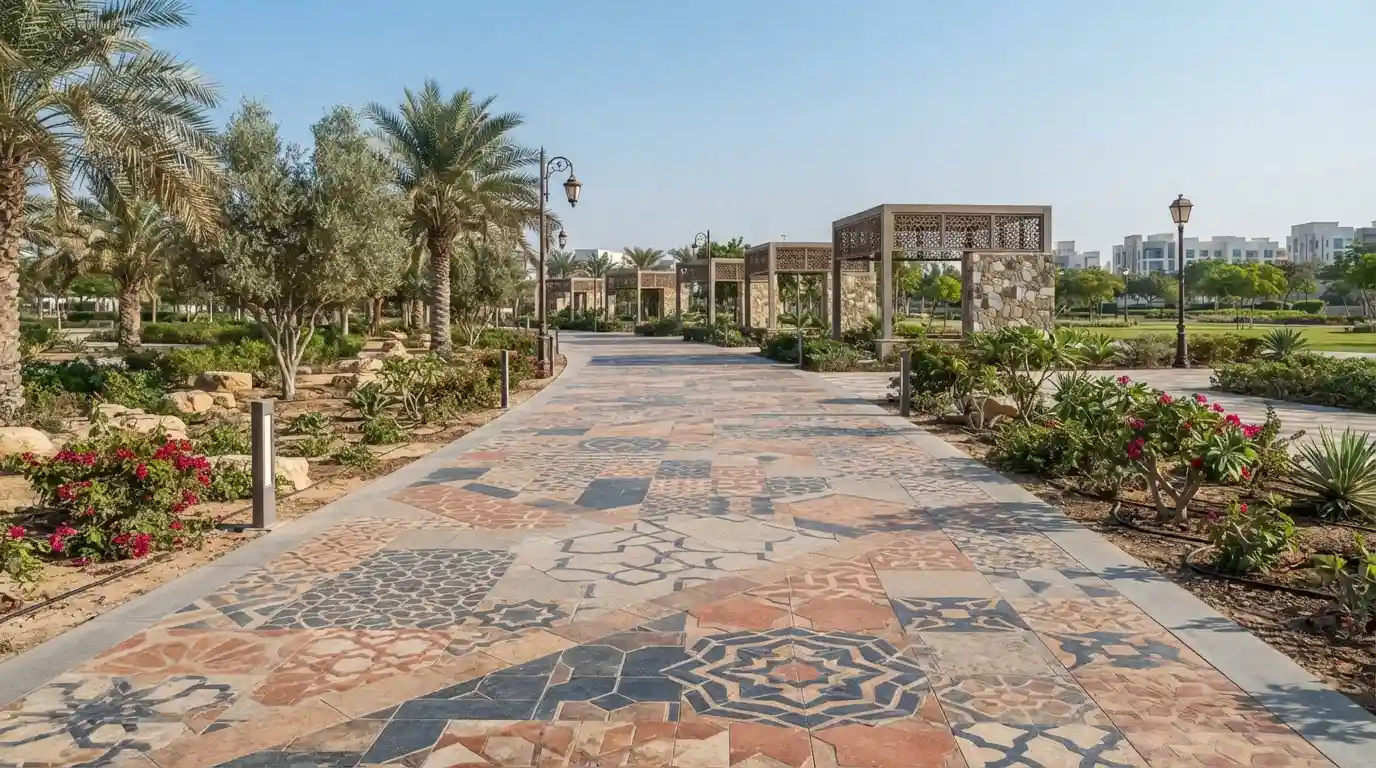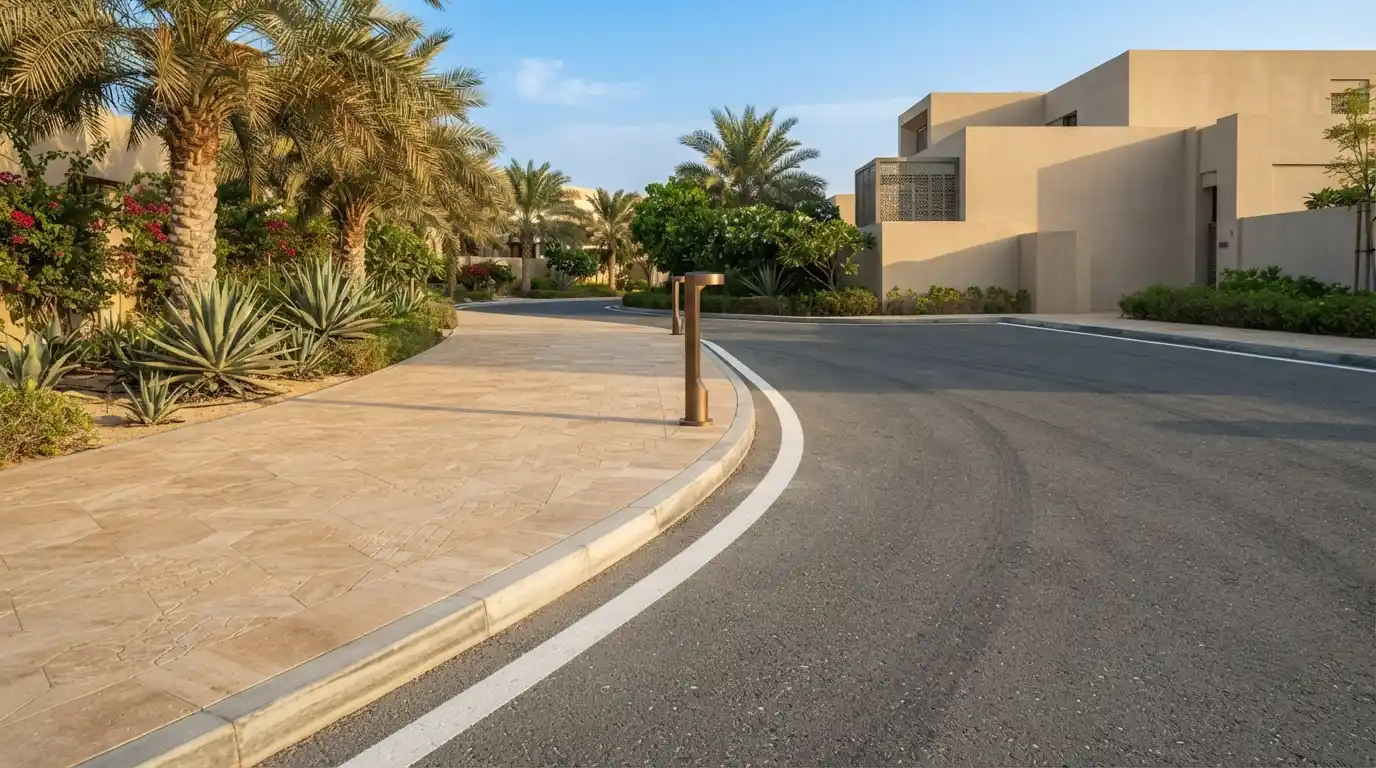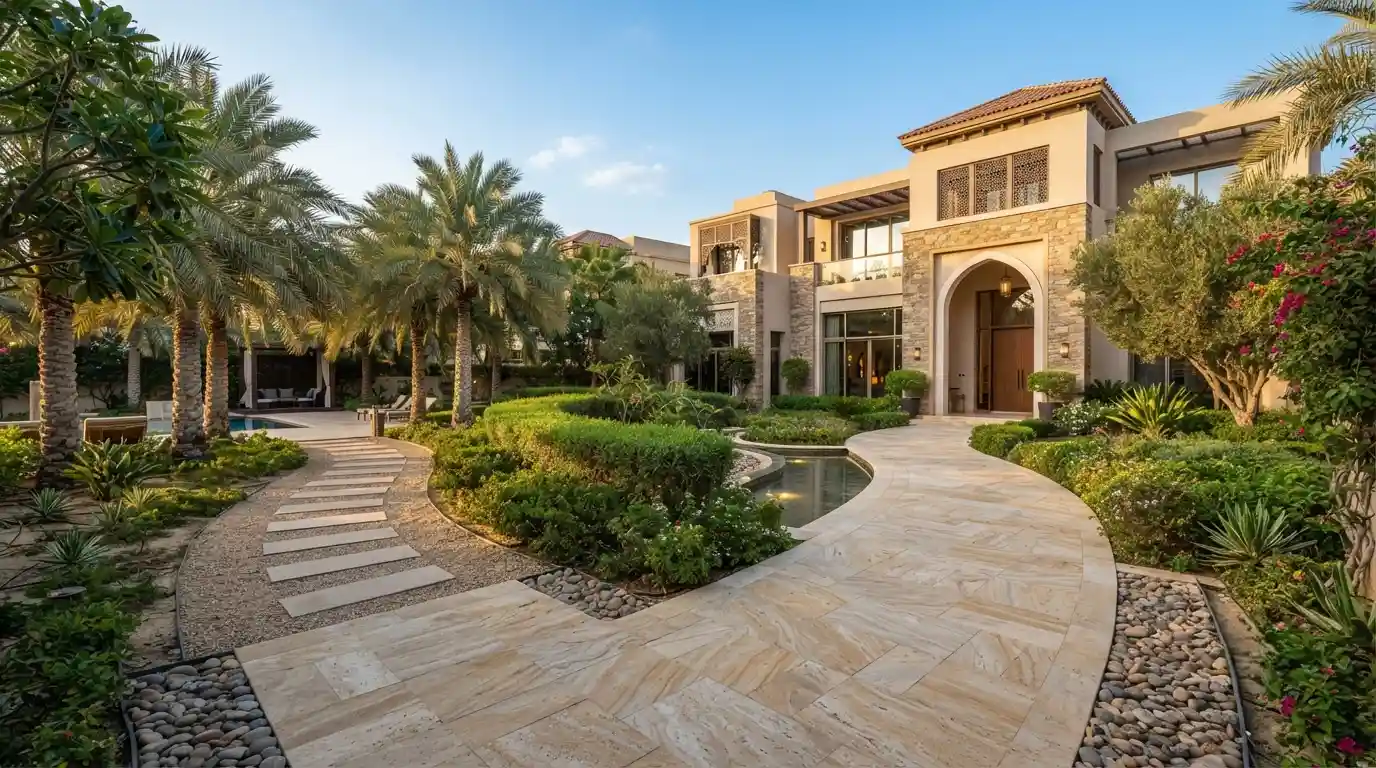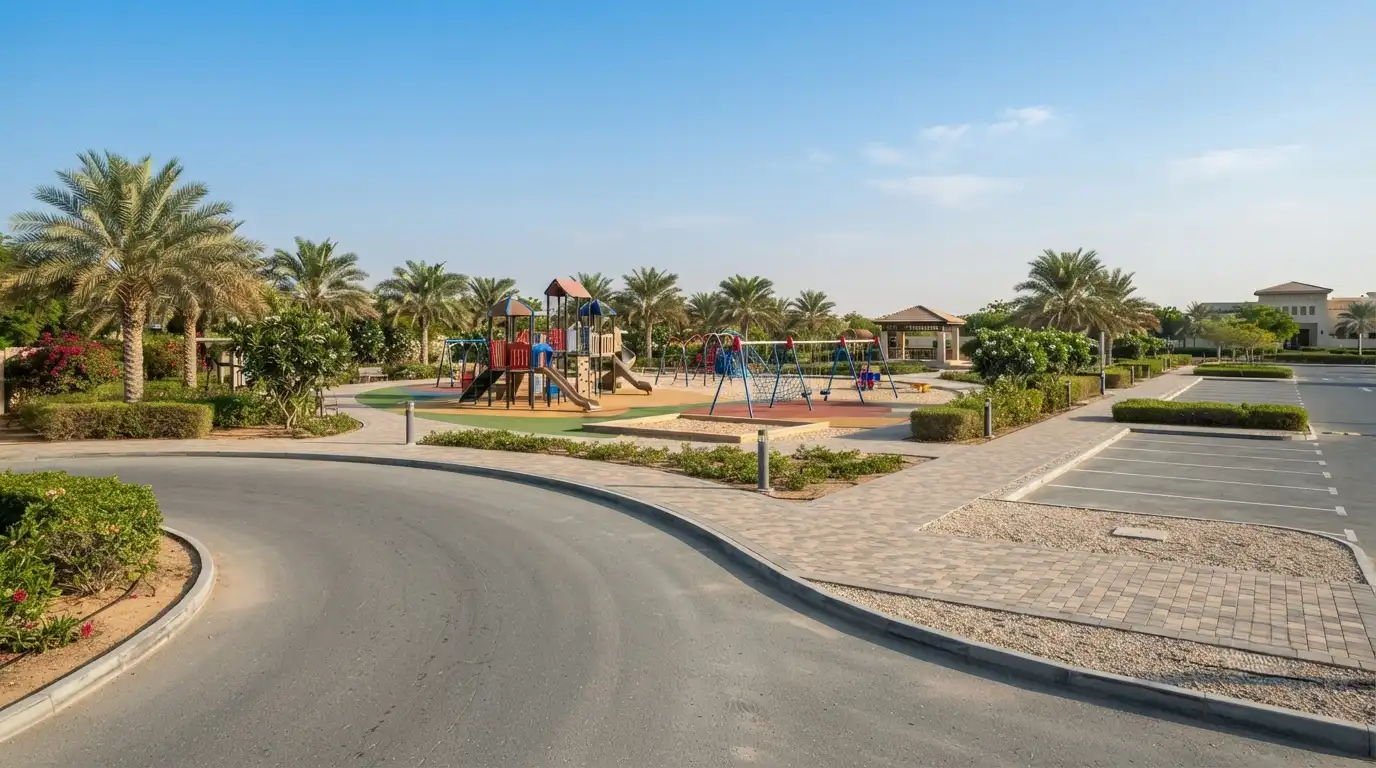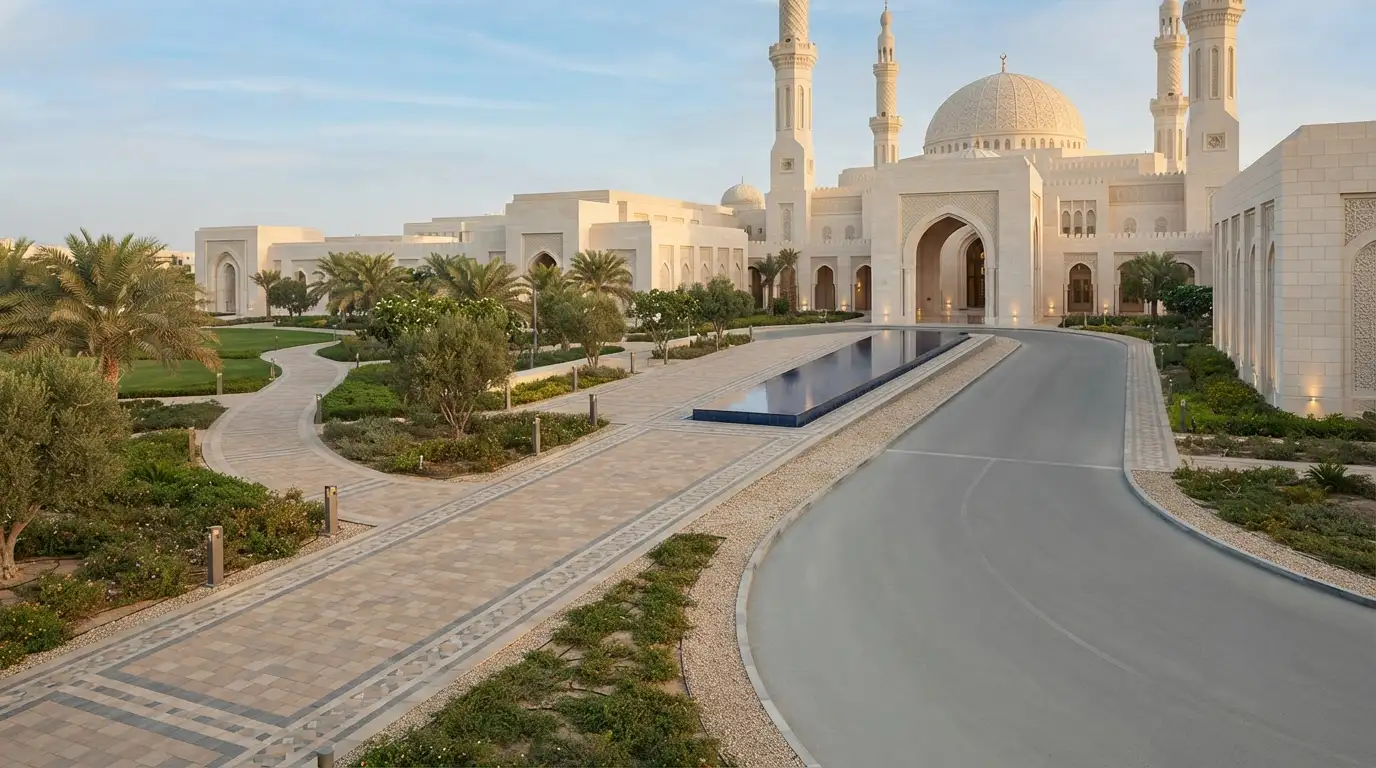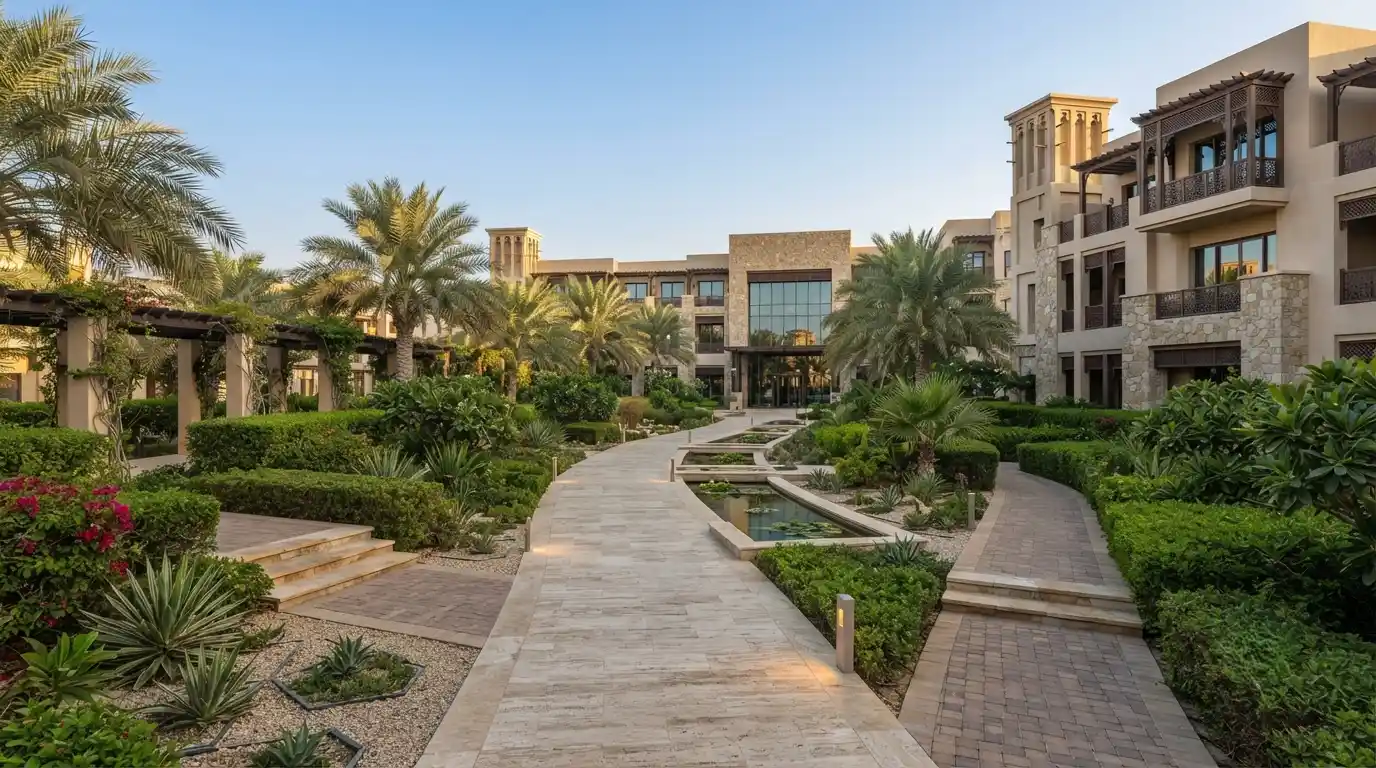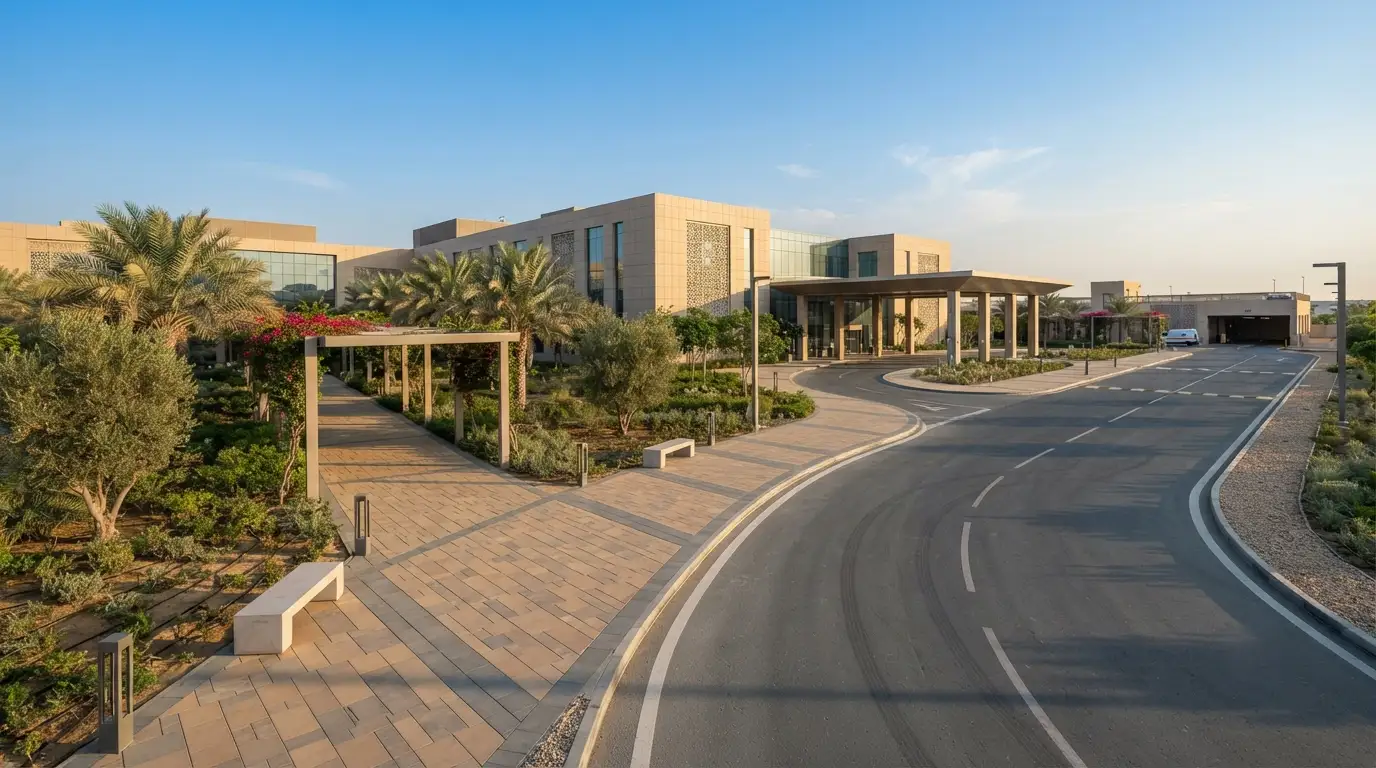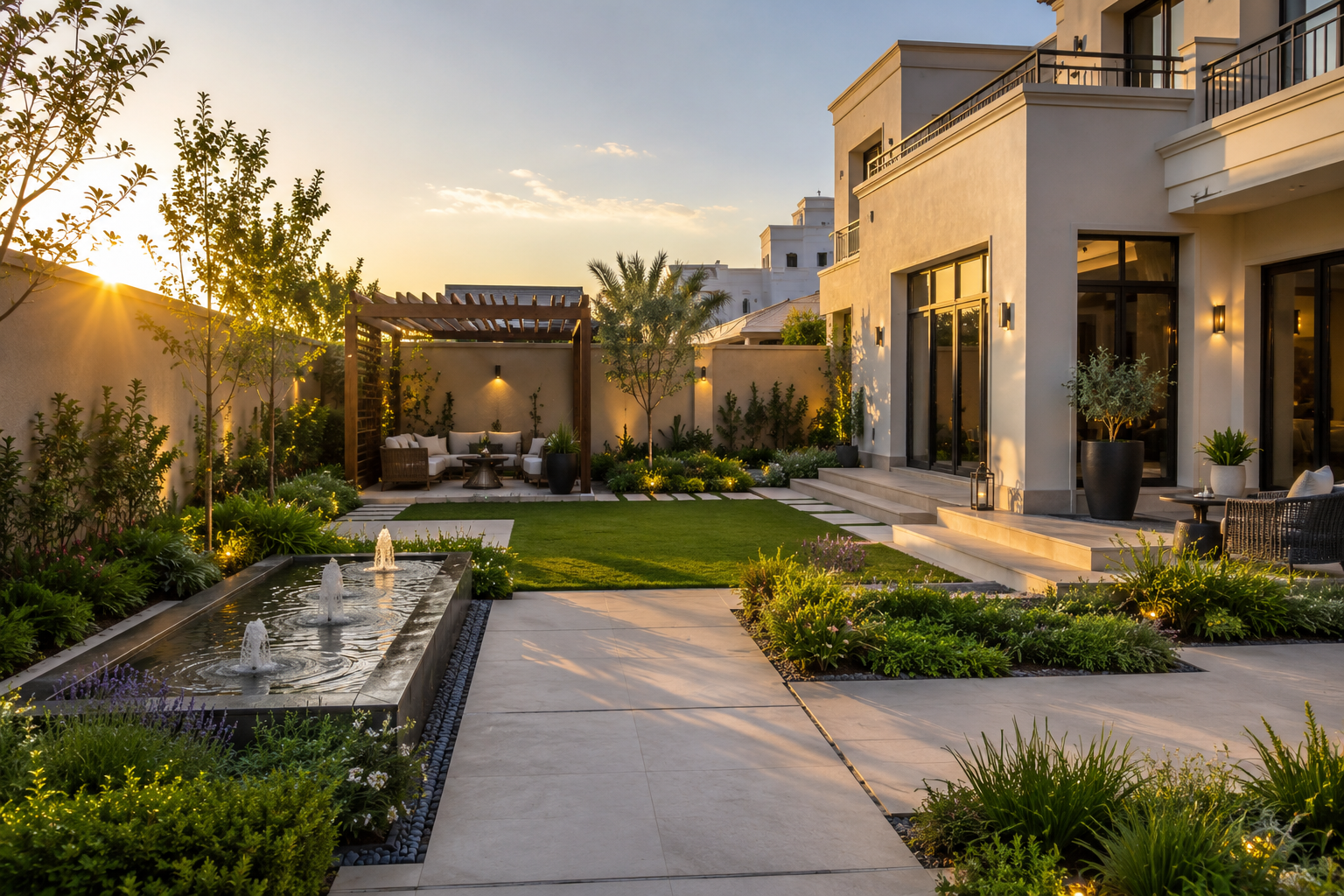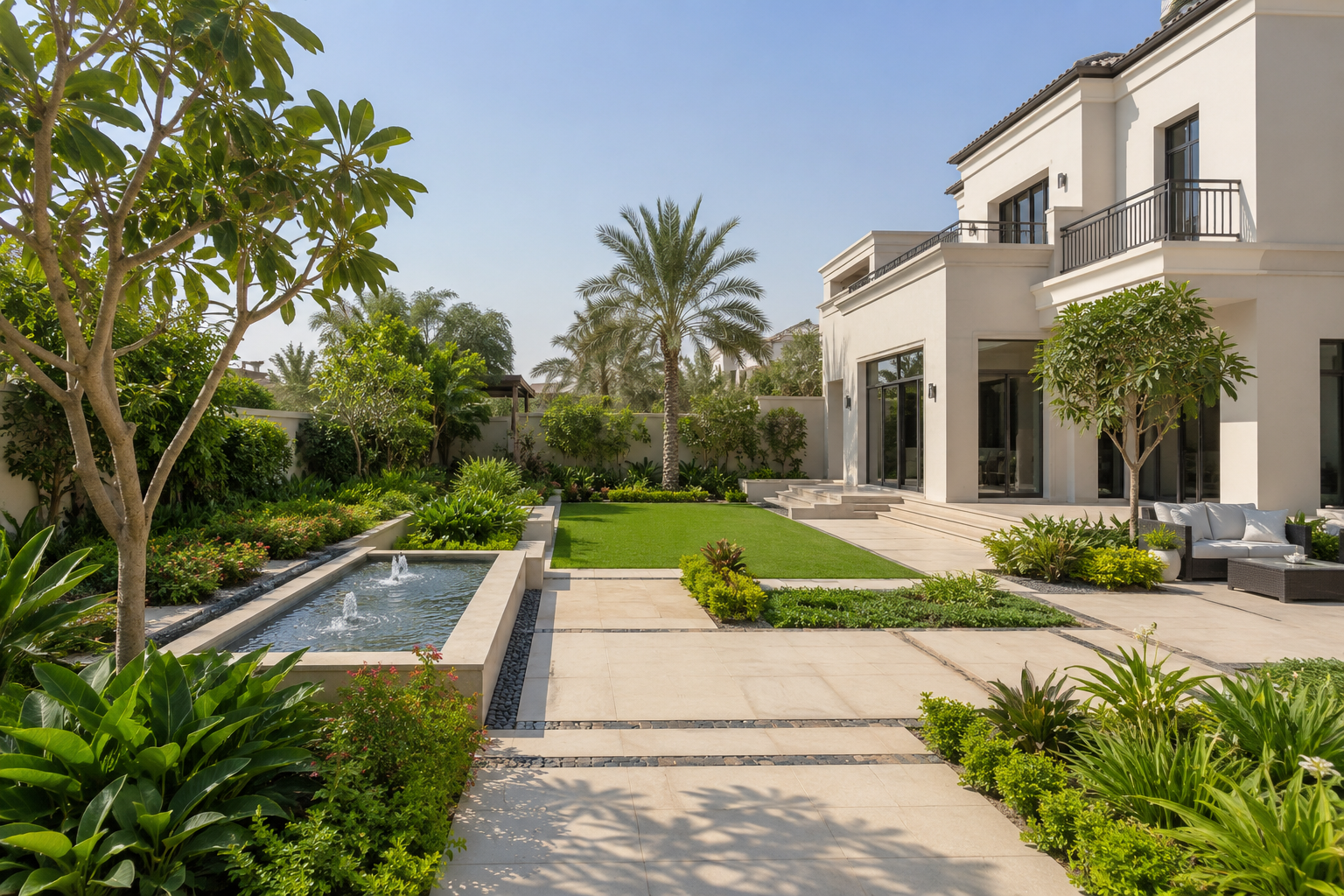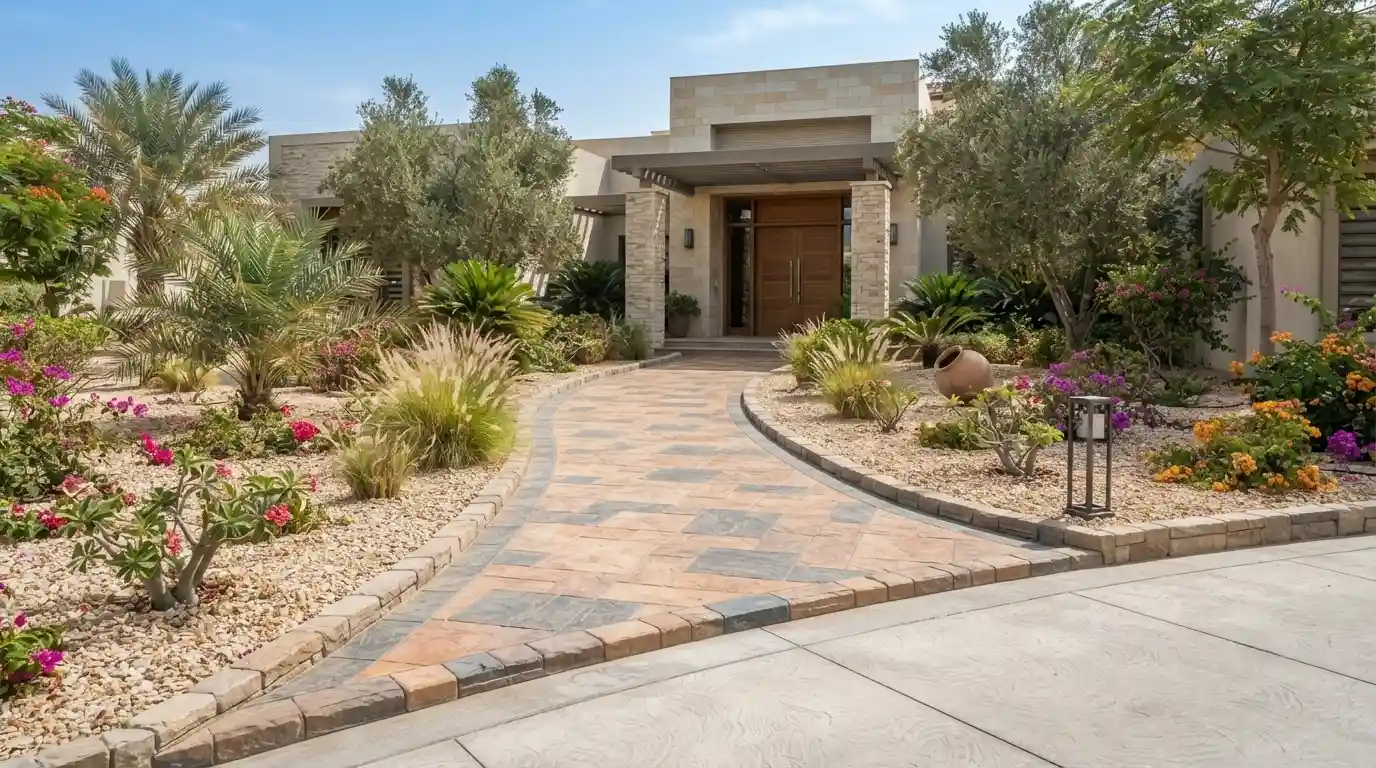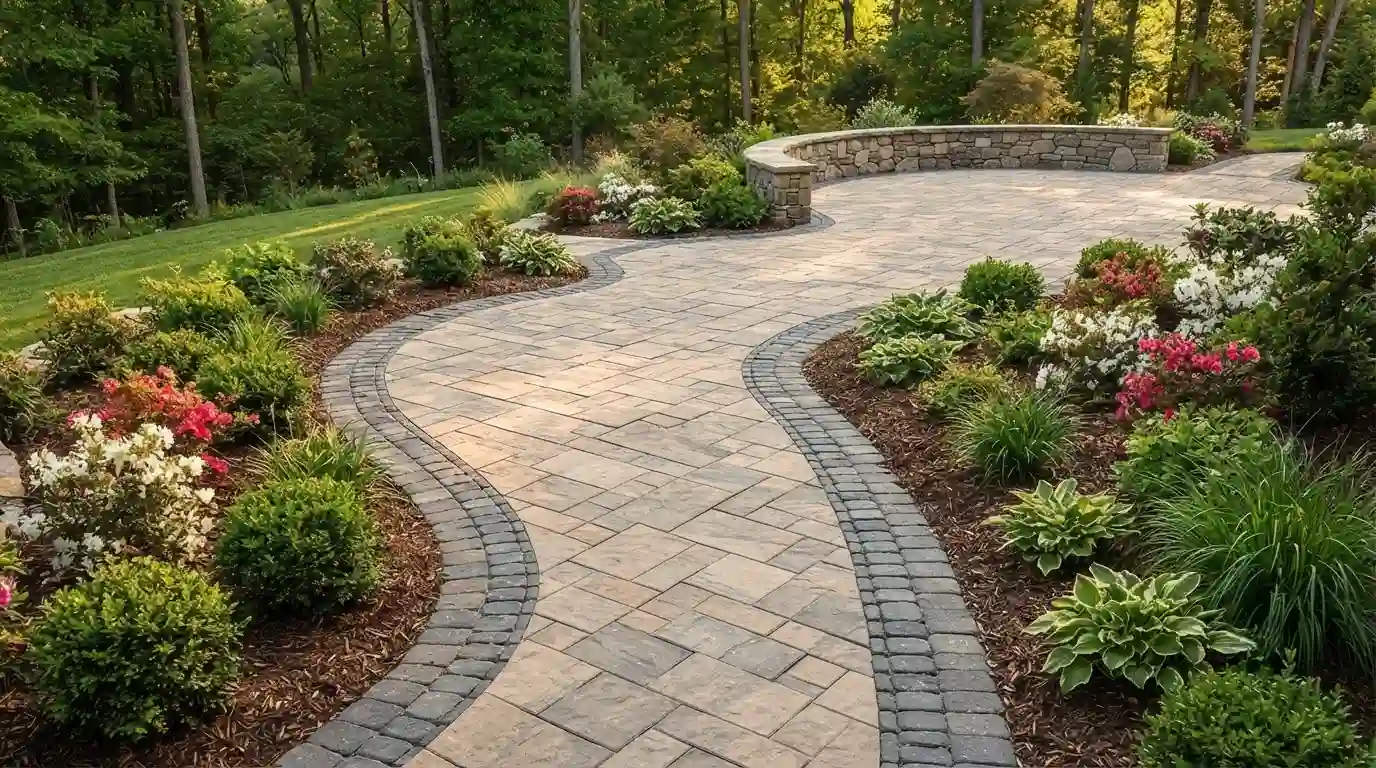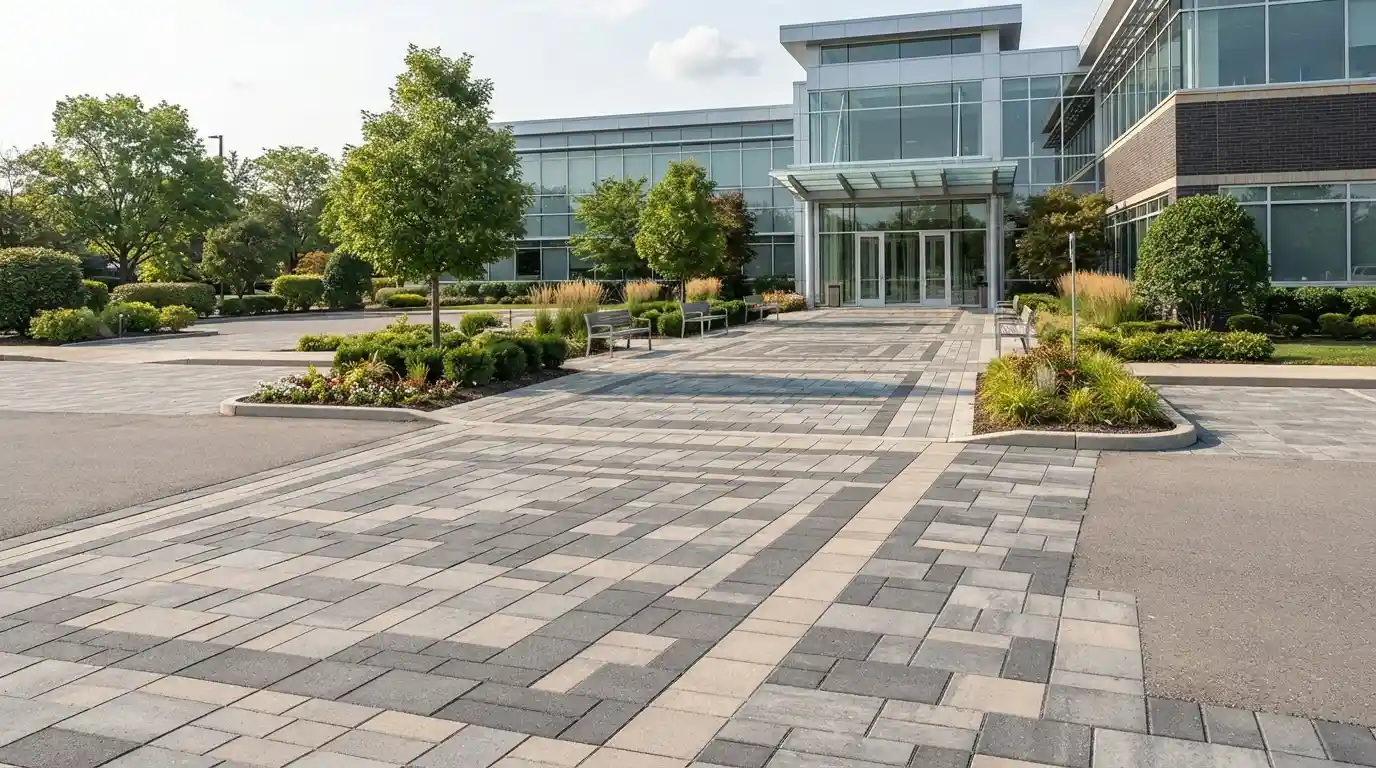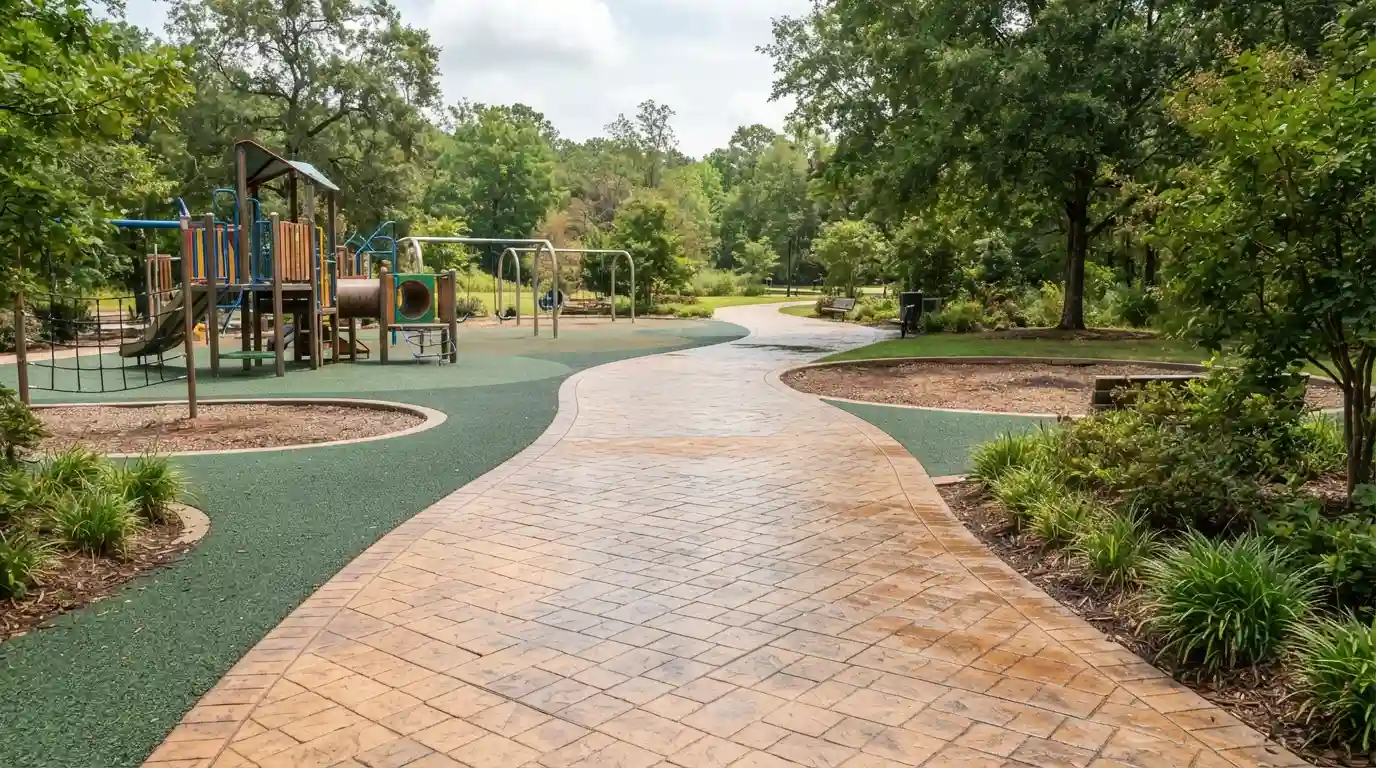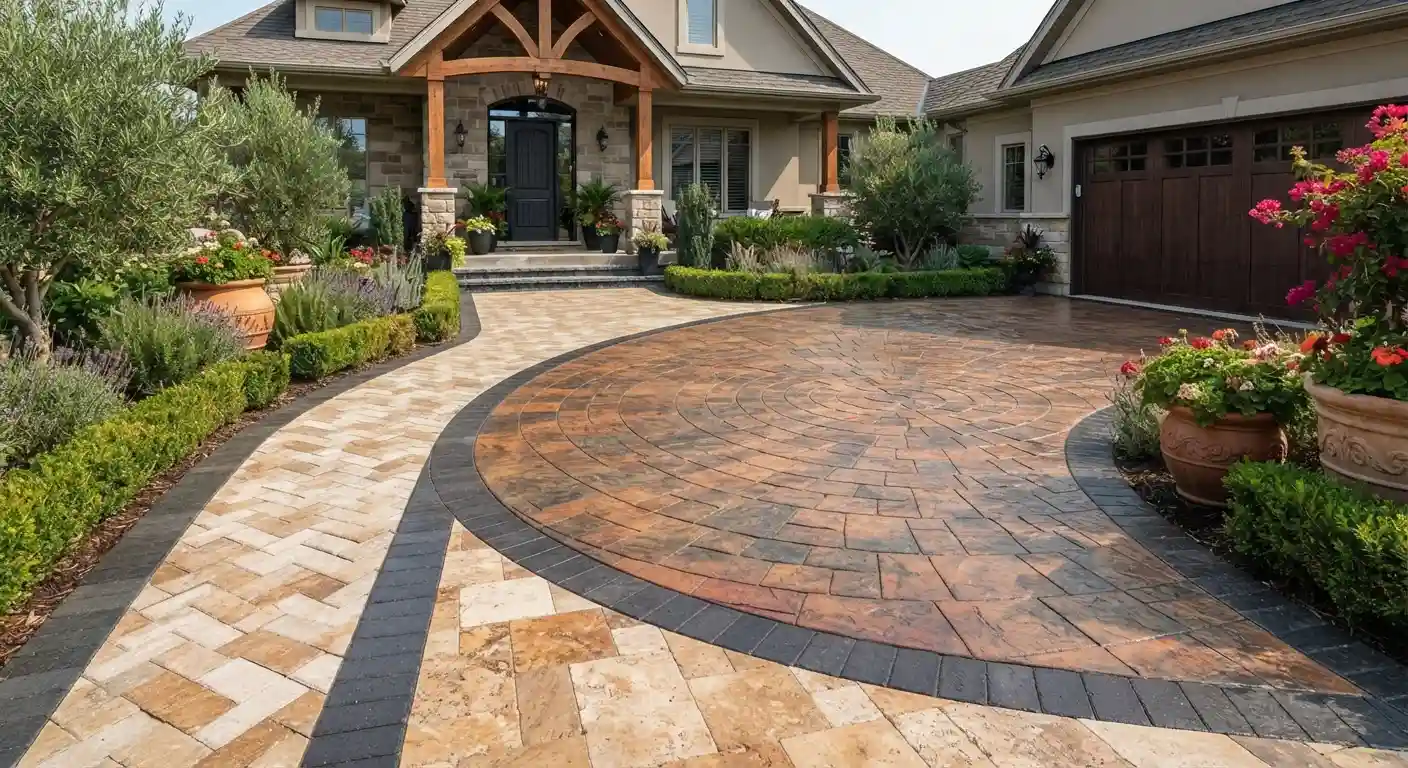
Dubai summers don’t forgive weak materials. Surface temperatures on poorly chosen pavers can exceed 70°C by midday, cracking concrete, fading colors, and turning walkways into safety hazards.
Choosing the right heat-resistant landscaping materials UAE properties need isn’t just about looks. It’s about durability, safety, and long-term value. Whether you’re a villa owner in Arabian Ranches, a facility manager at a hospital in Abu Dhabi, or a developer planning a hotel courtyard, your hardscaping has to survive intense heat, humidity swings, and constant UV exposure.
This guide breaks down exactly which materials hold up and which ones fail so you can make a confident, informed decision.
Why Hardscaping Material Choice Matters in Dubai’s Climate
The UAE’s climate is uniquely harsh on outdoor surfaces:
- Extreme surface heat — Ground temperatures can hit 60–75°C in July and August.
- UV degradation — Constant sun exposure fades color and weakens material bonds over time.
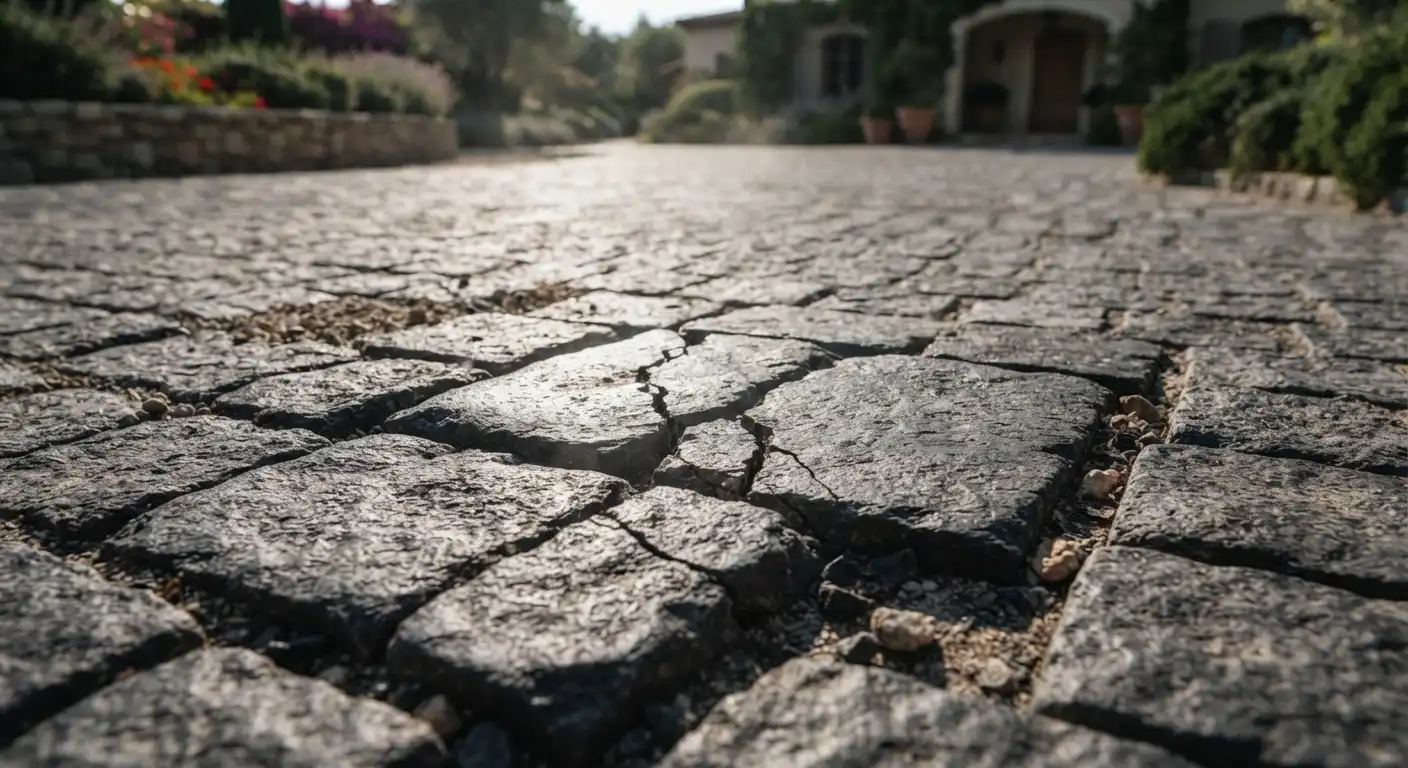
- Thermal expansion and contraction — Materials expand in daytime heat and contract at night, causing cracks in weak substrates.
- Sand and dust abrasion — Fine sand particles wear down softer surfaces faster.
- Low humidity, high evaporation — This dries out organic or porous materials, making them brittle.
Materials designed for temperate climates simply don’t last here. A hardscaping choice that works in Europe or North America can fail within two to three UAE summers.
Best Heat-Resistant Landscaping Materials for the UAE
1. Natural Granite
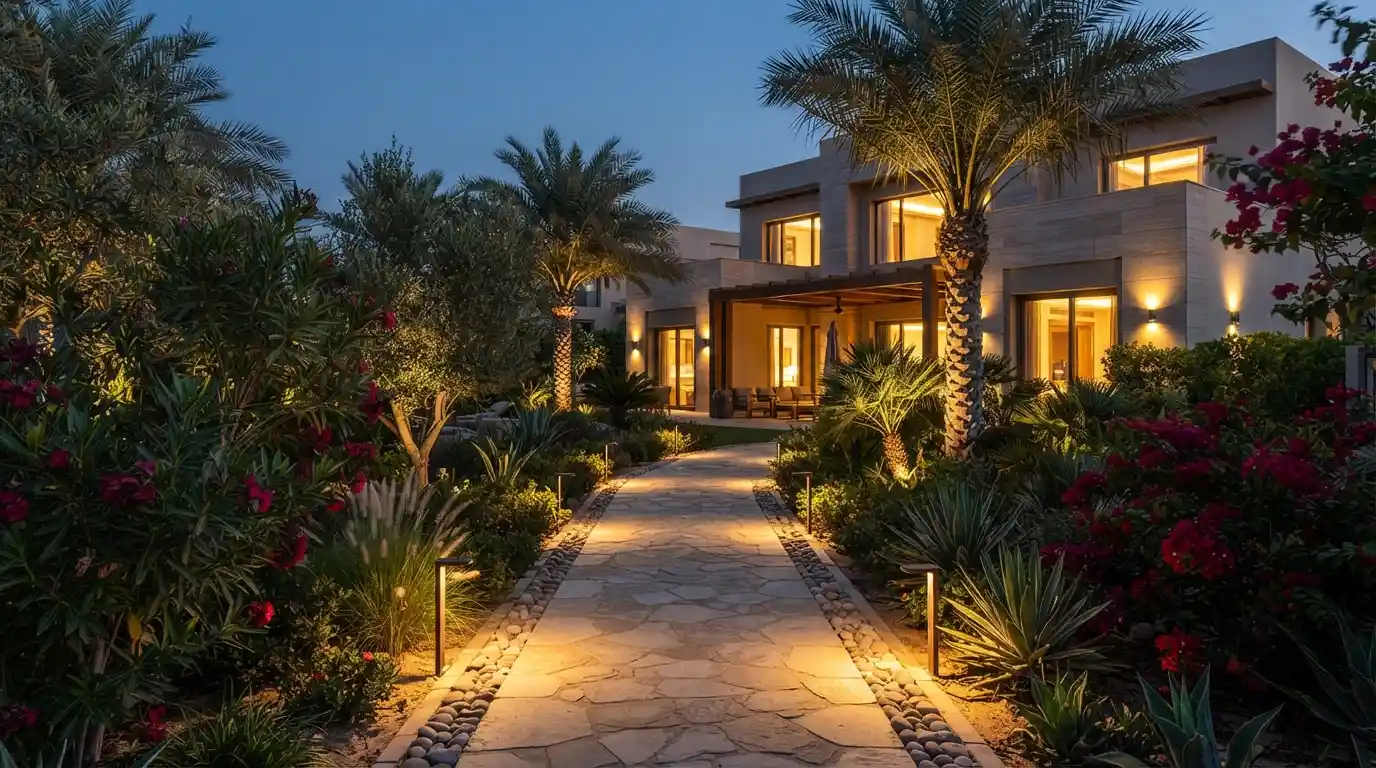
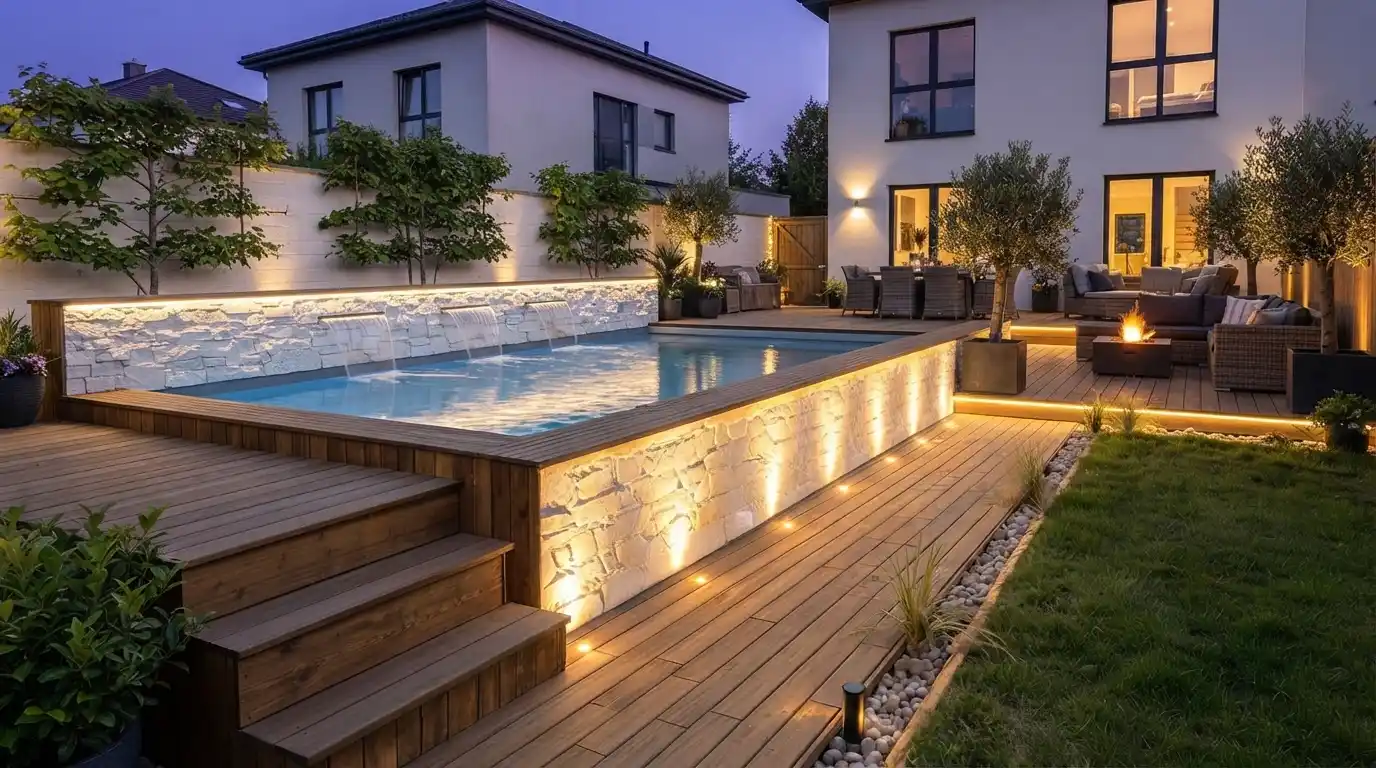
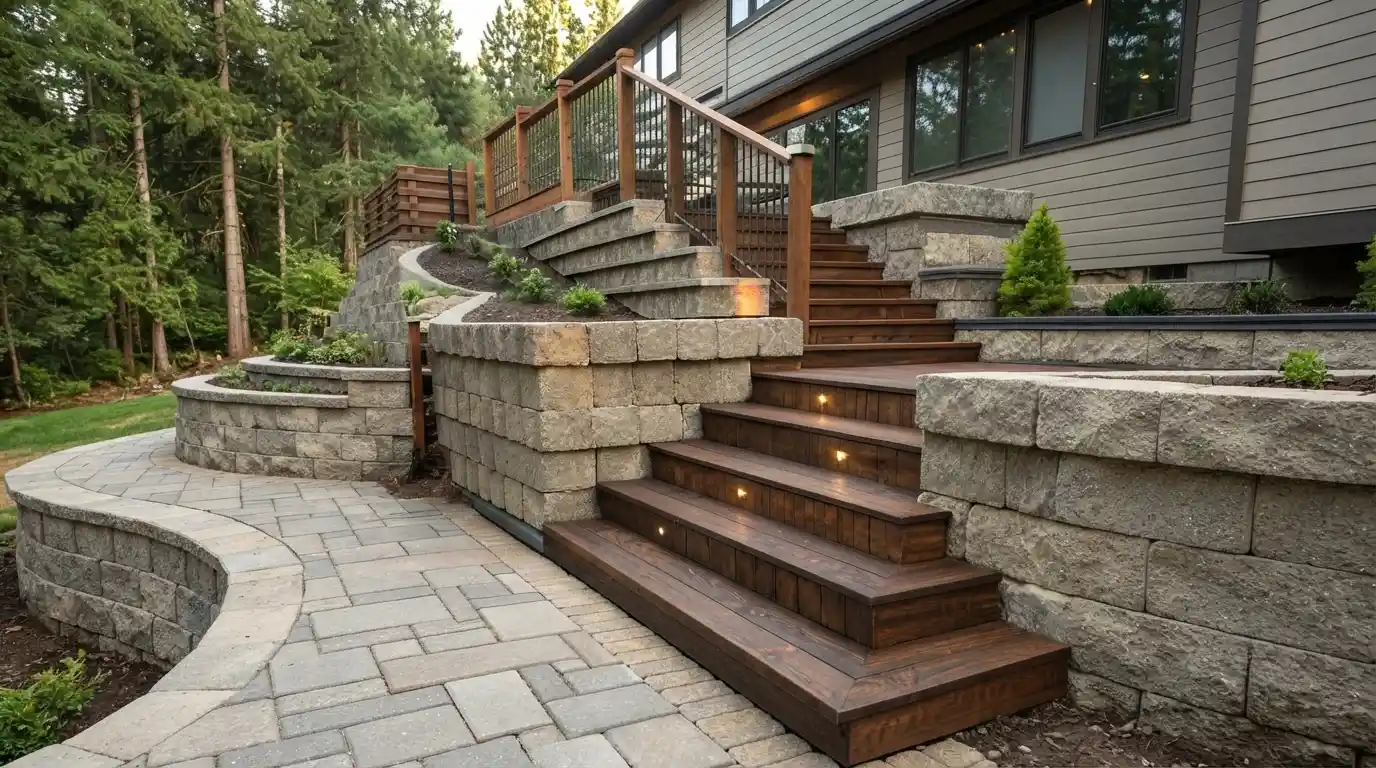
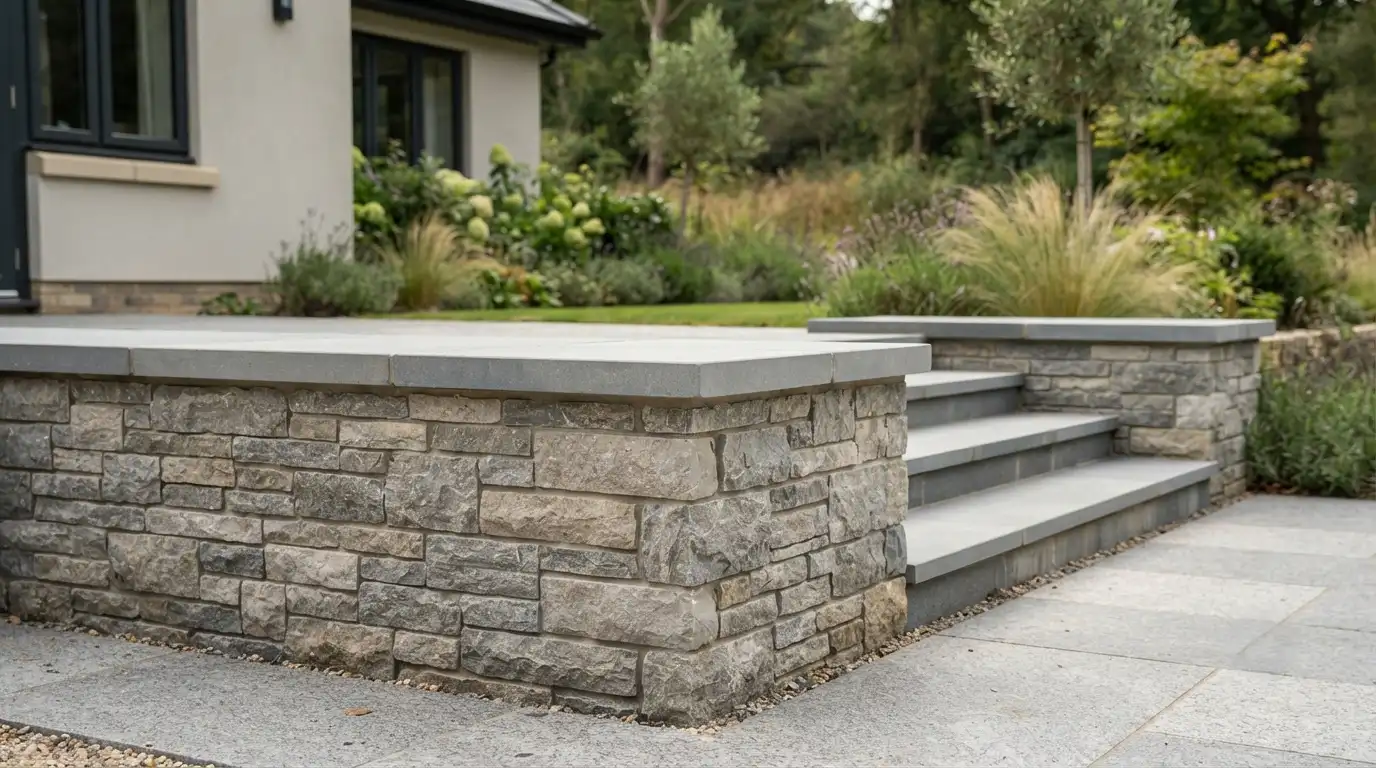
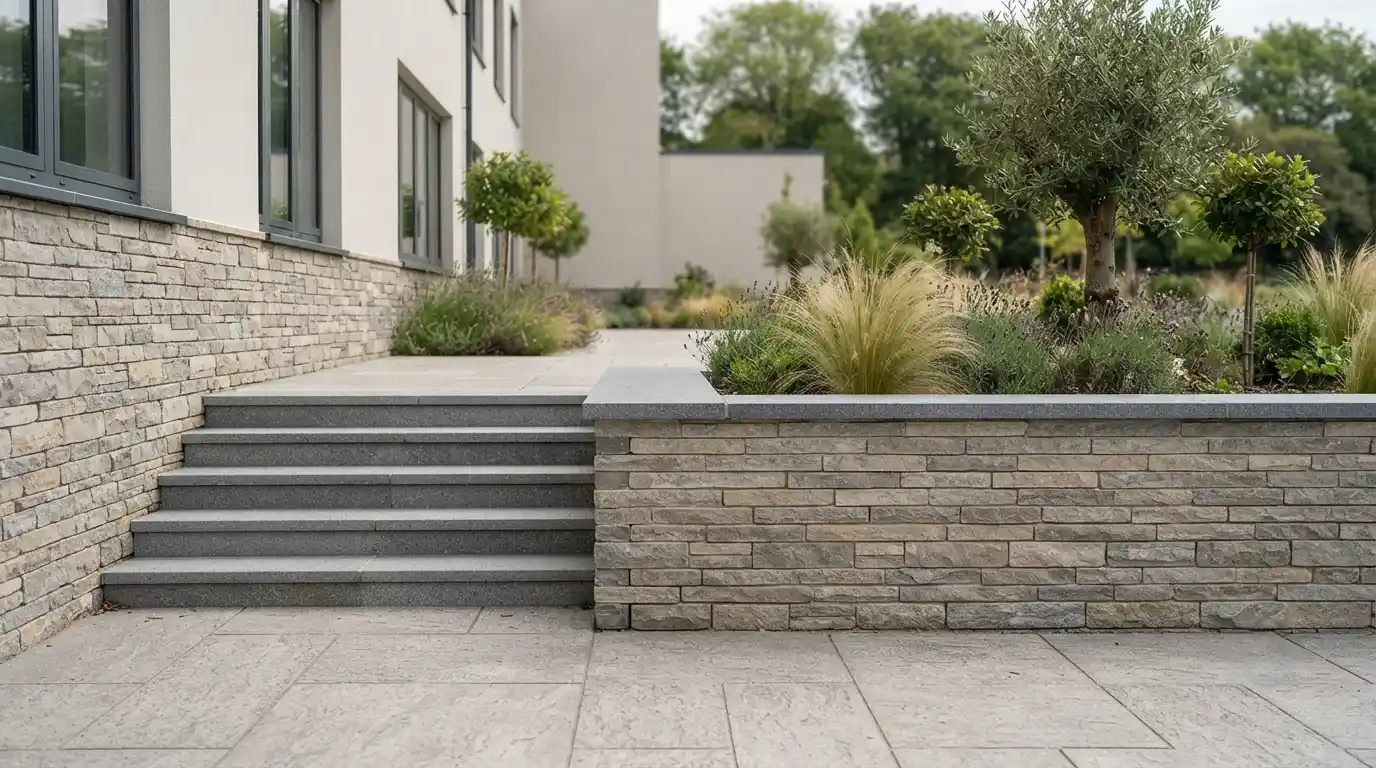
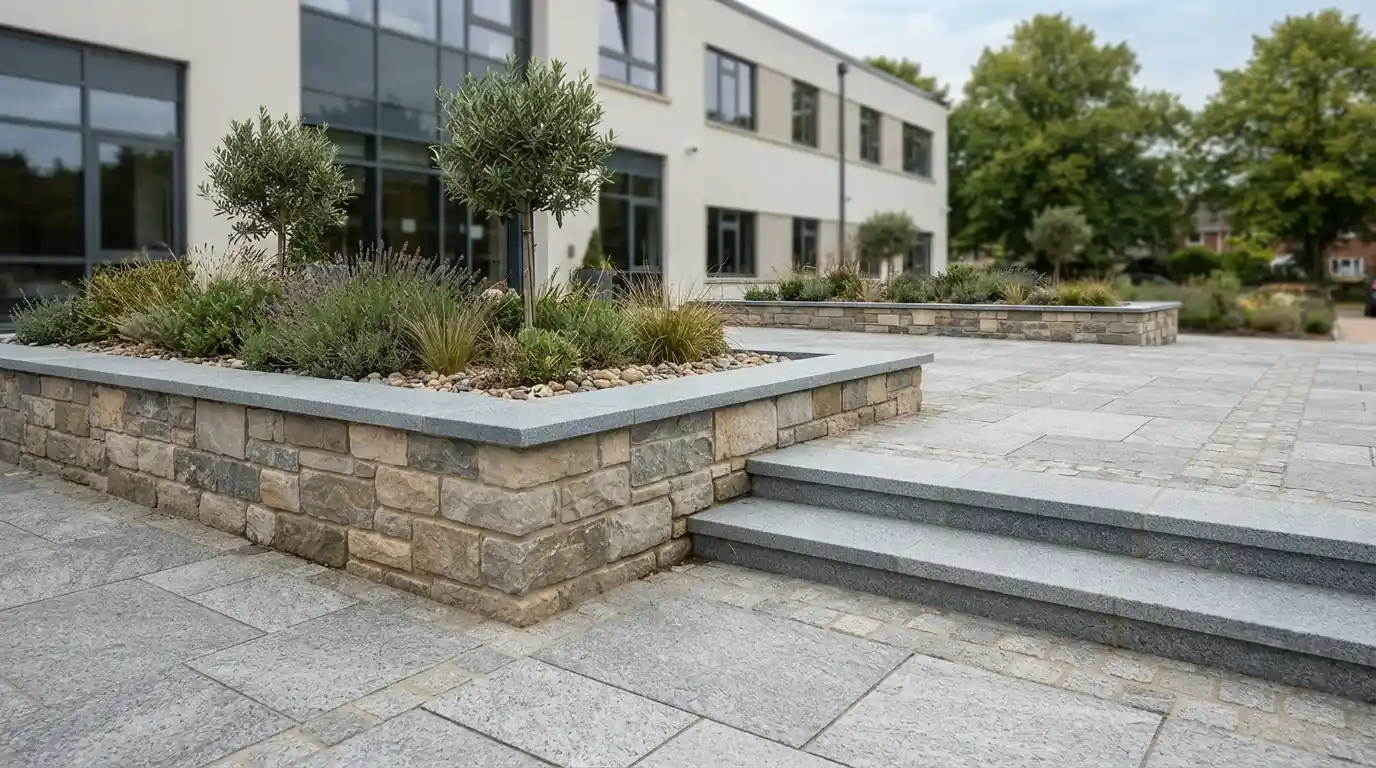
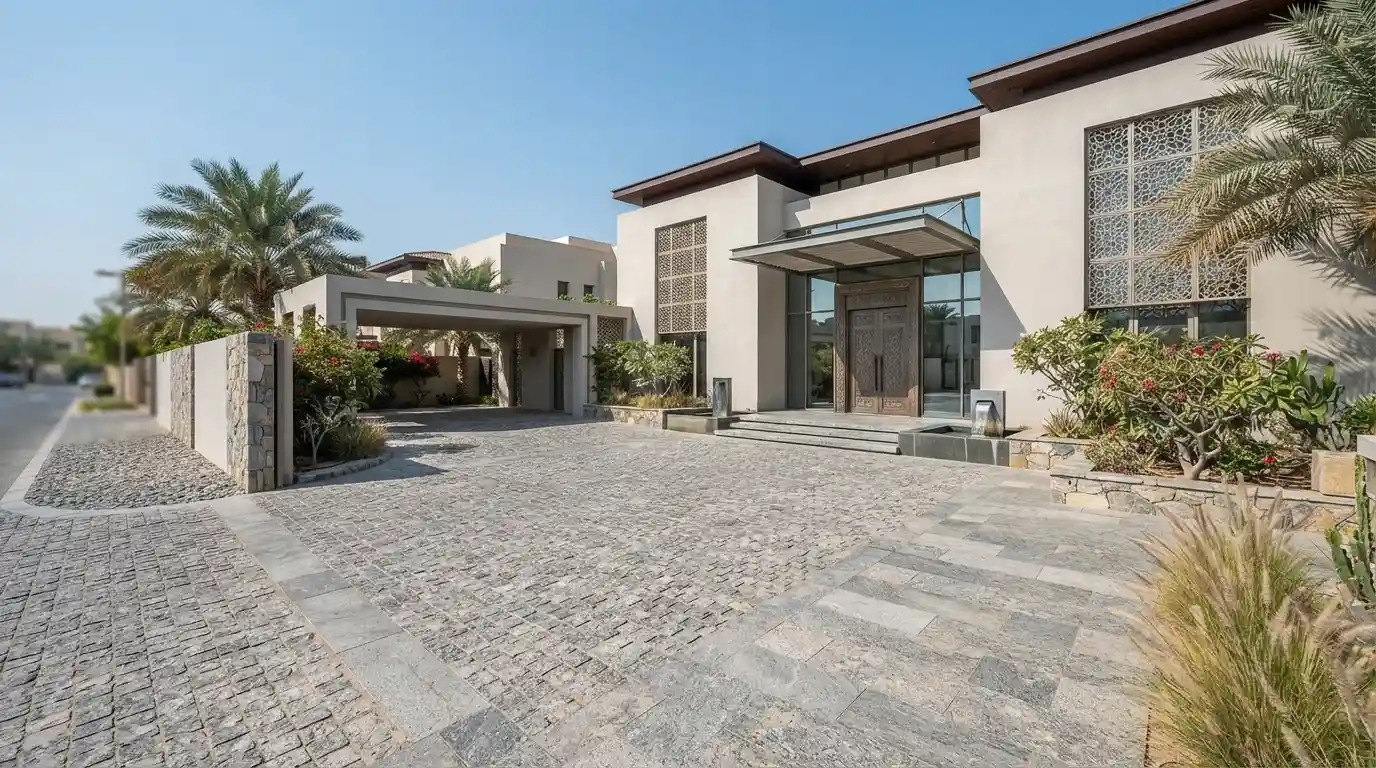
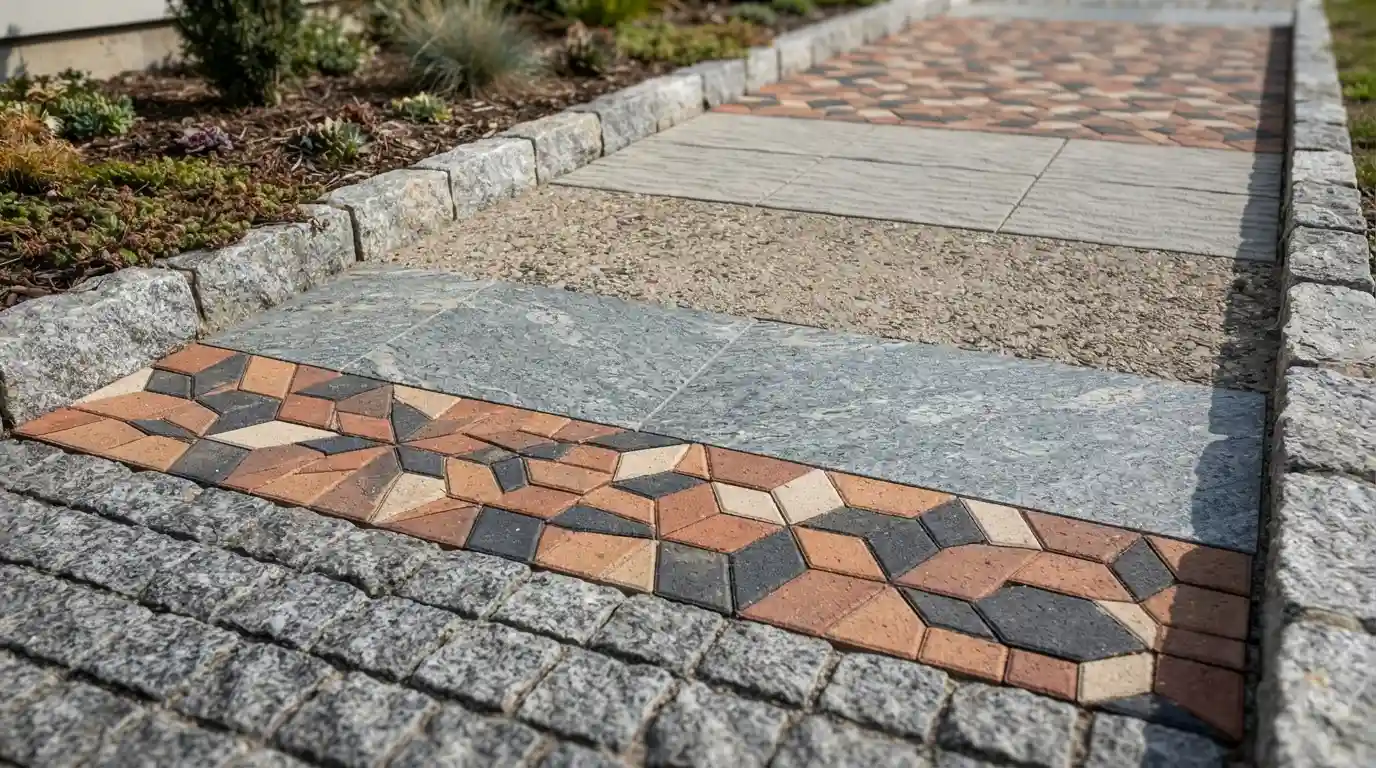
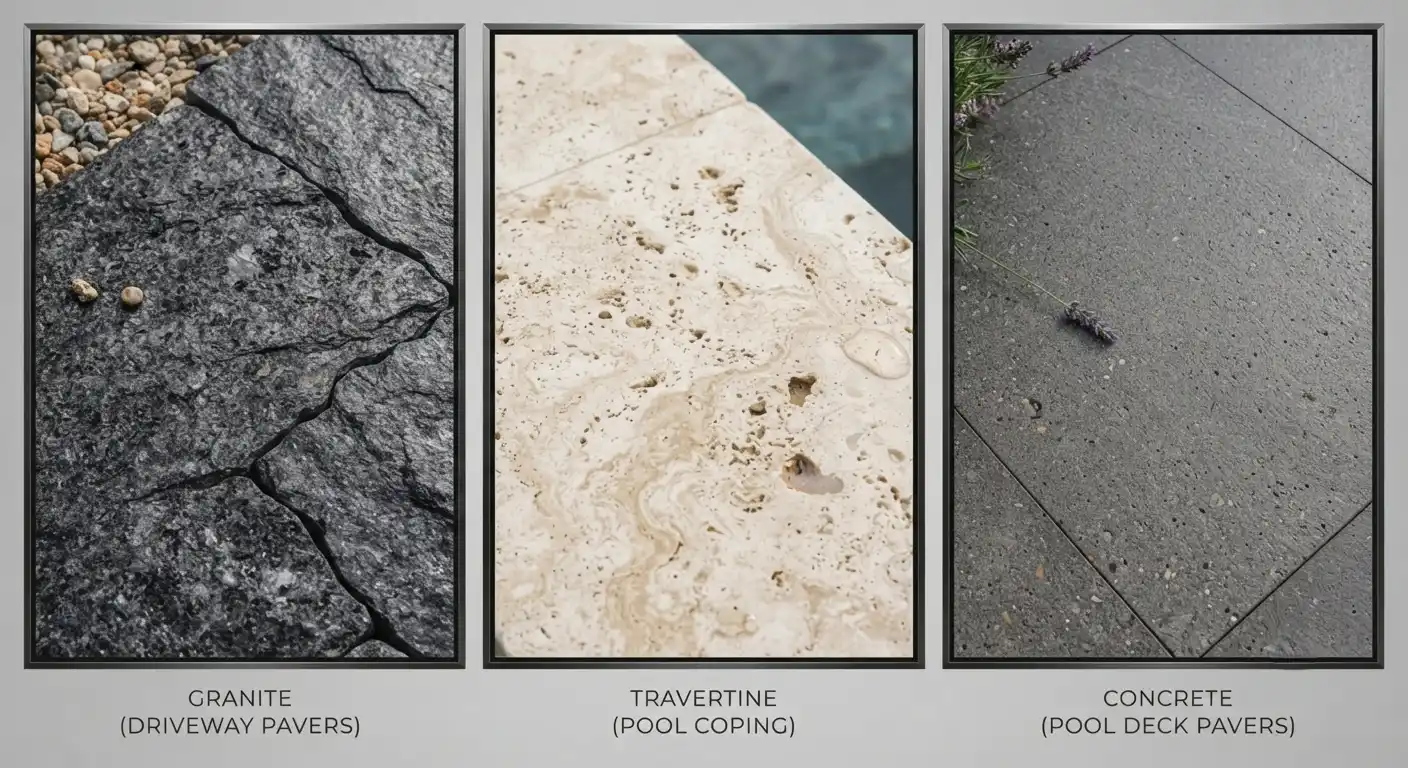
Granite is one of the most heat-tolerant natural stones available. It’s dense, low-porosity, and resistant to thermal cracking, making it a top choice for driveways, patios, and pool decks.
2. Porcelain Pavers
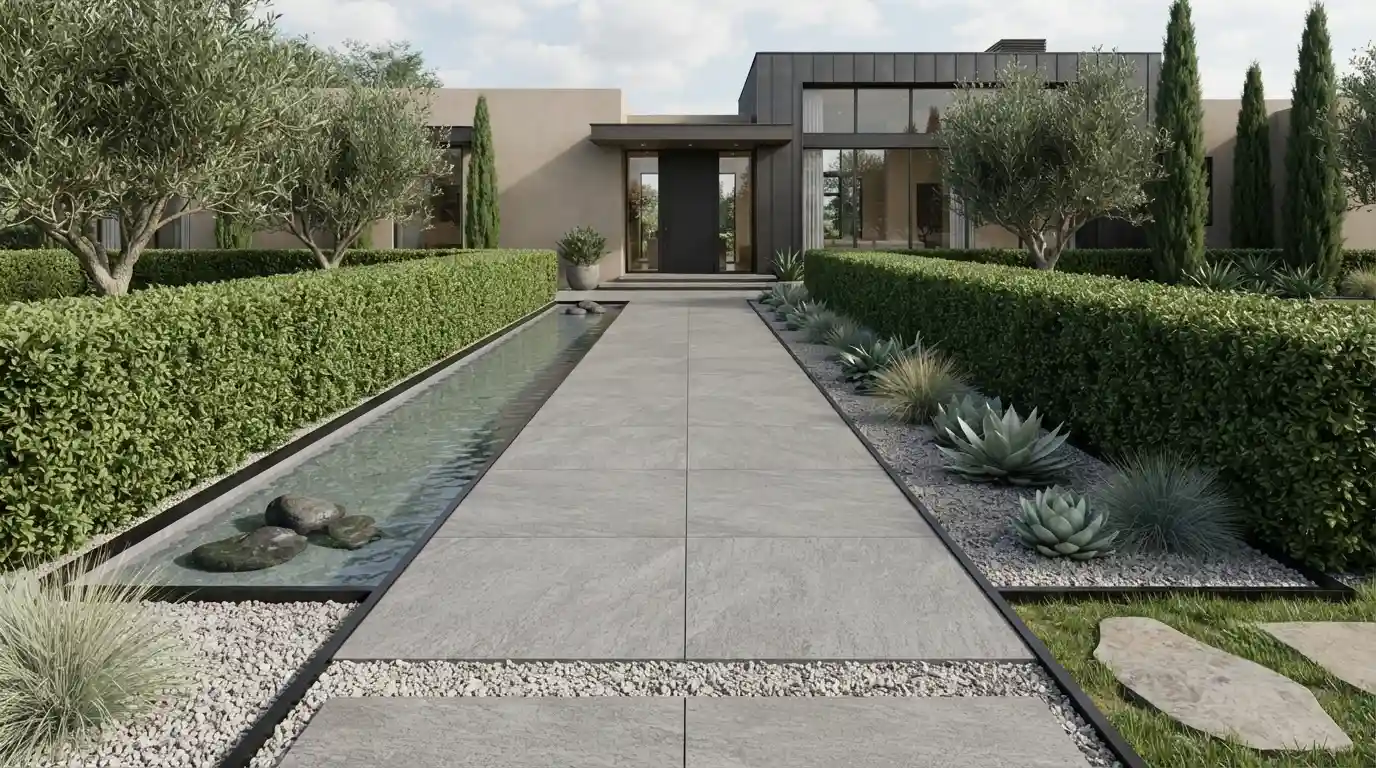
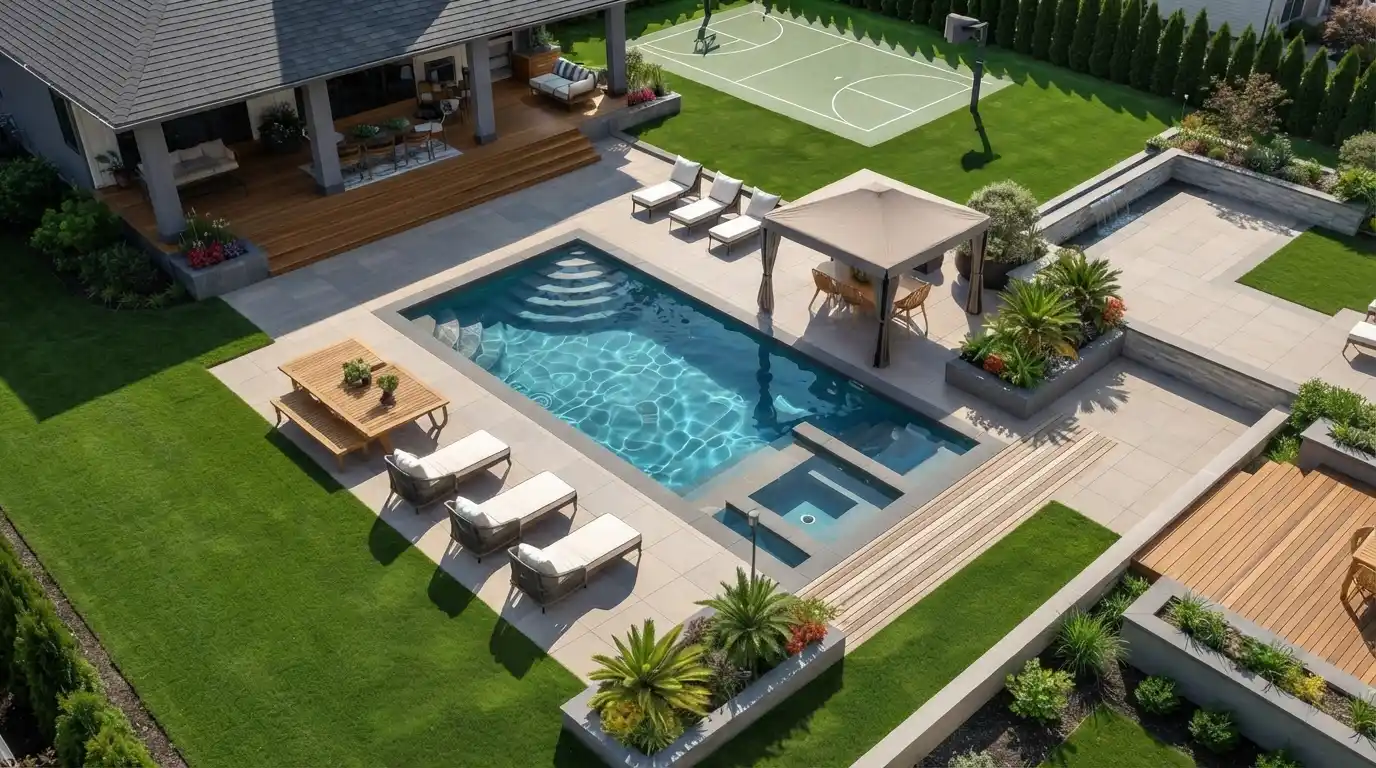
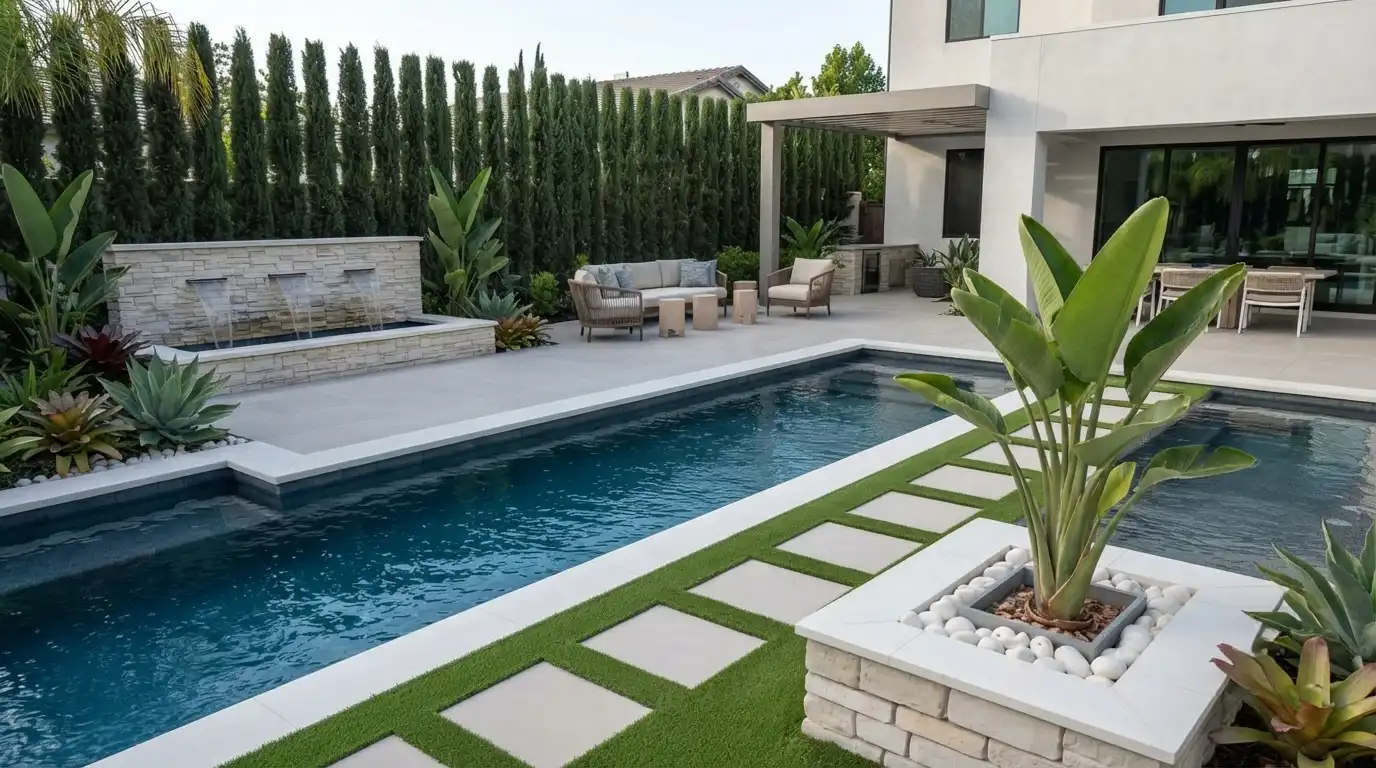
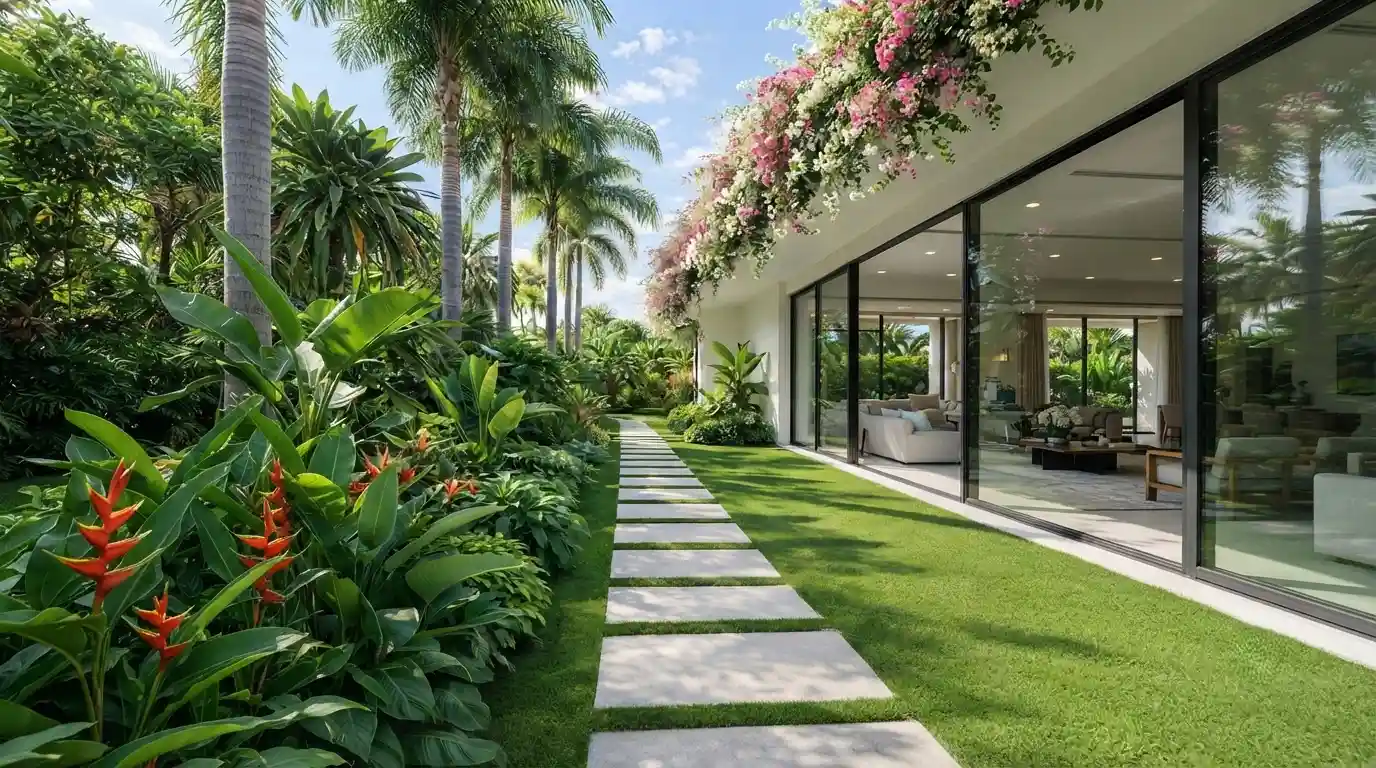
Porcelain pavers are manufactured to be UV-stable and virtually non-porous. They don’t fade, stain, or absorb heat like traditional concrete, and they’re increasingly popular for villa gardens and rooftop terraces across Dubai.
3. Travertine
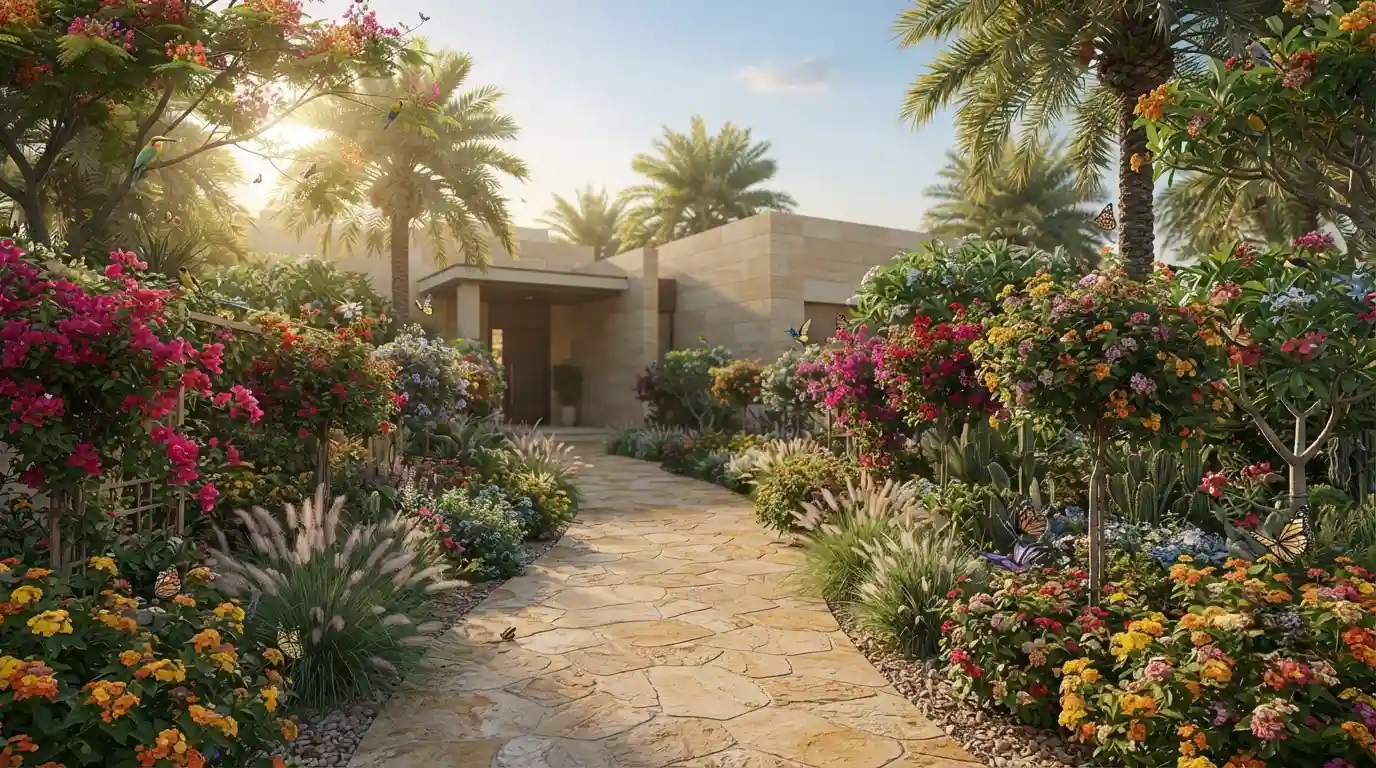
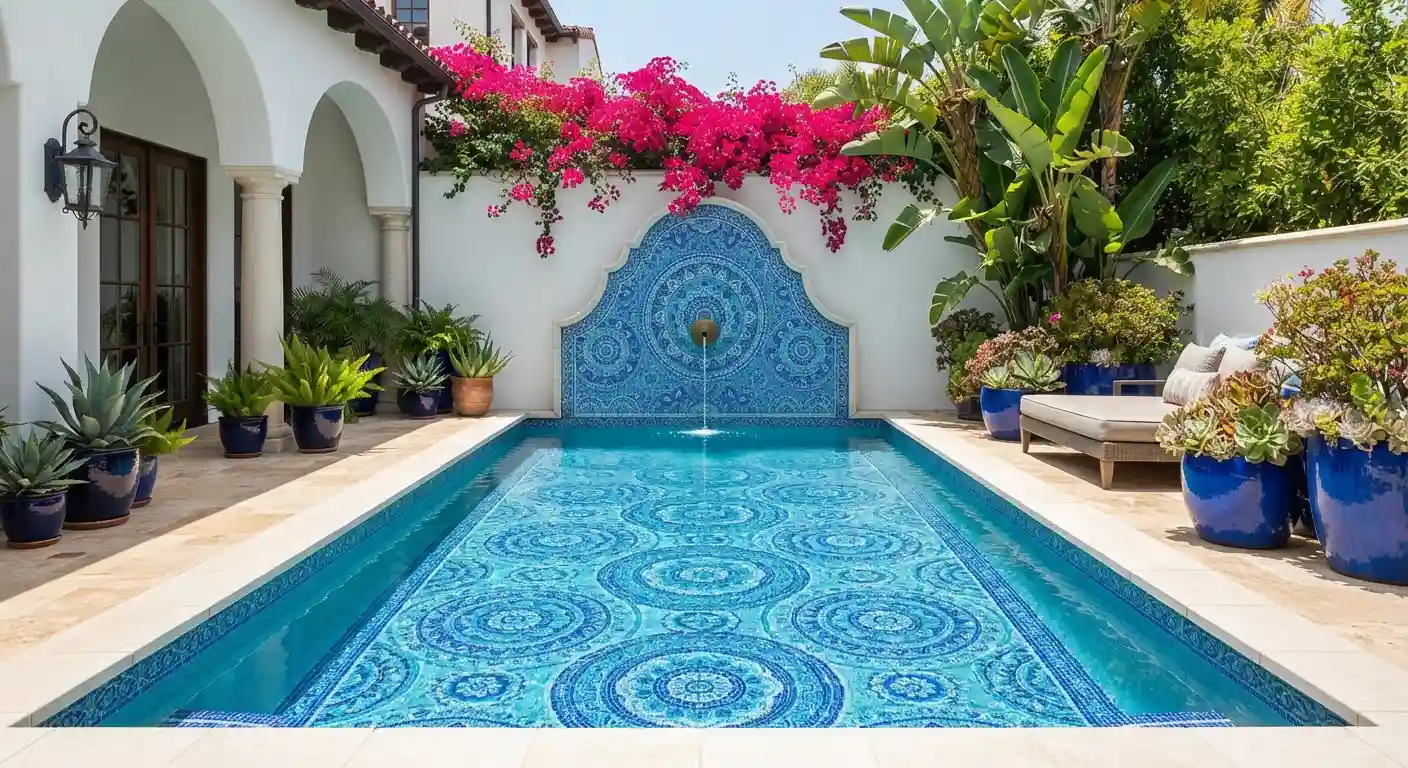
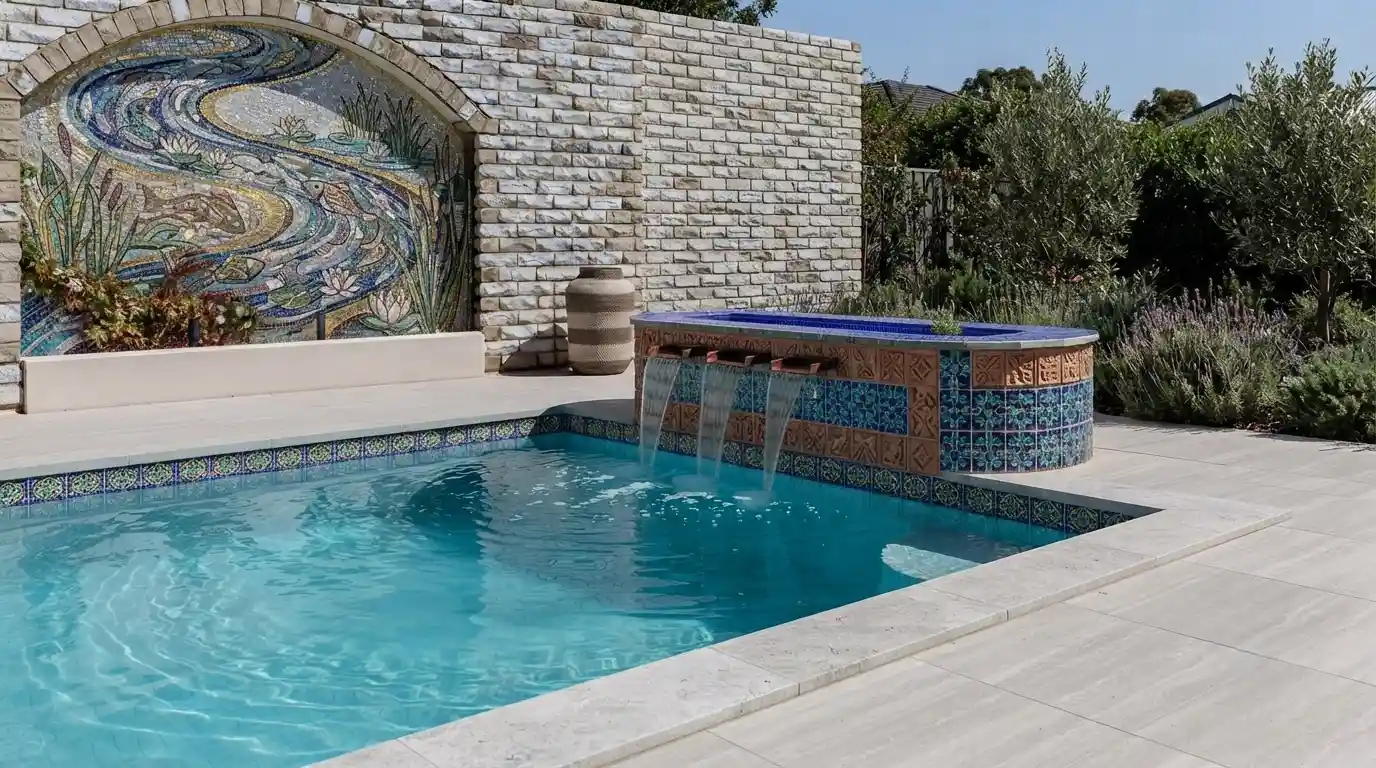
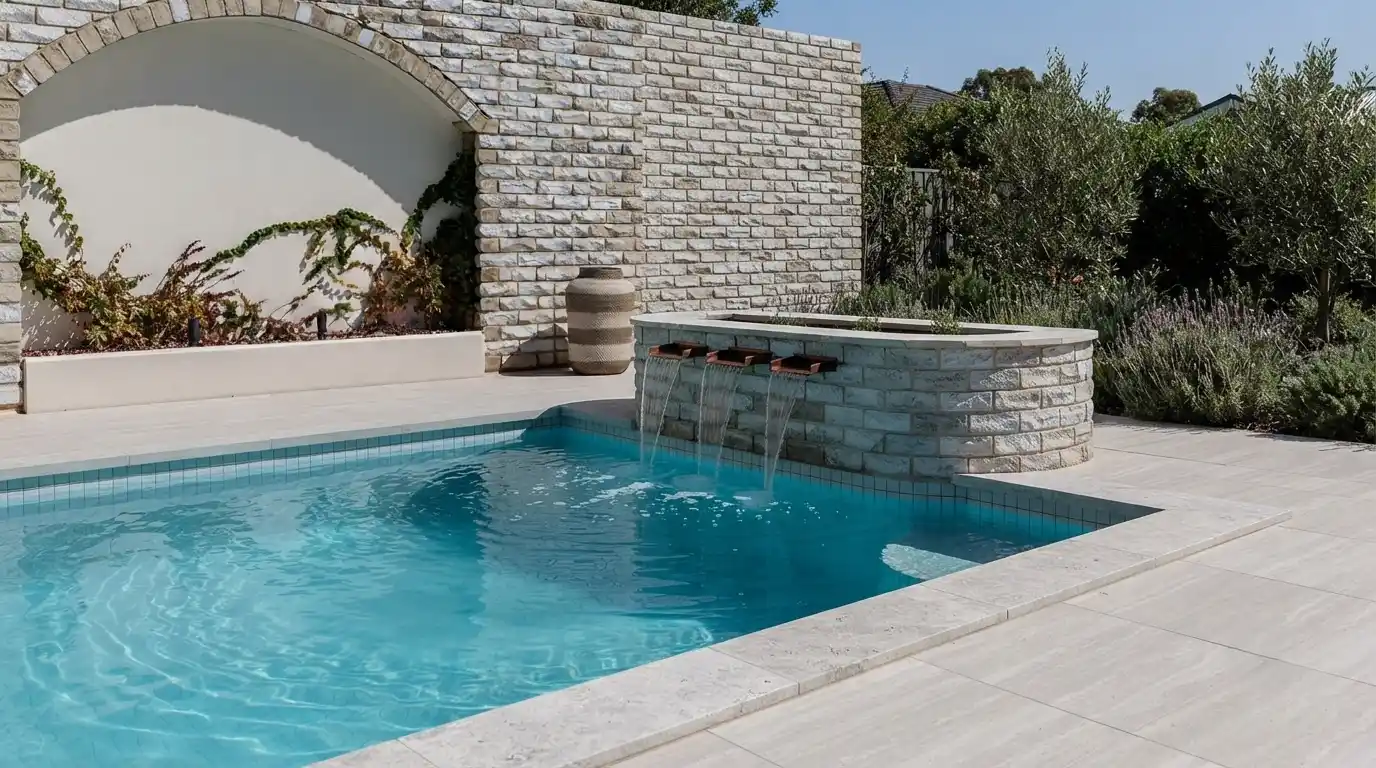
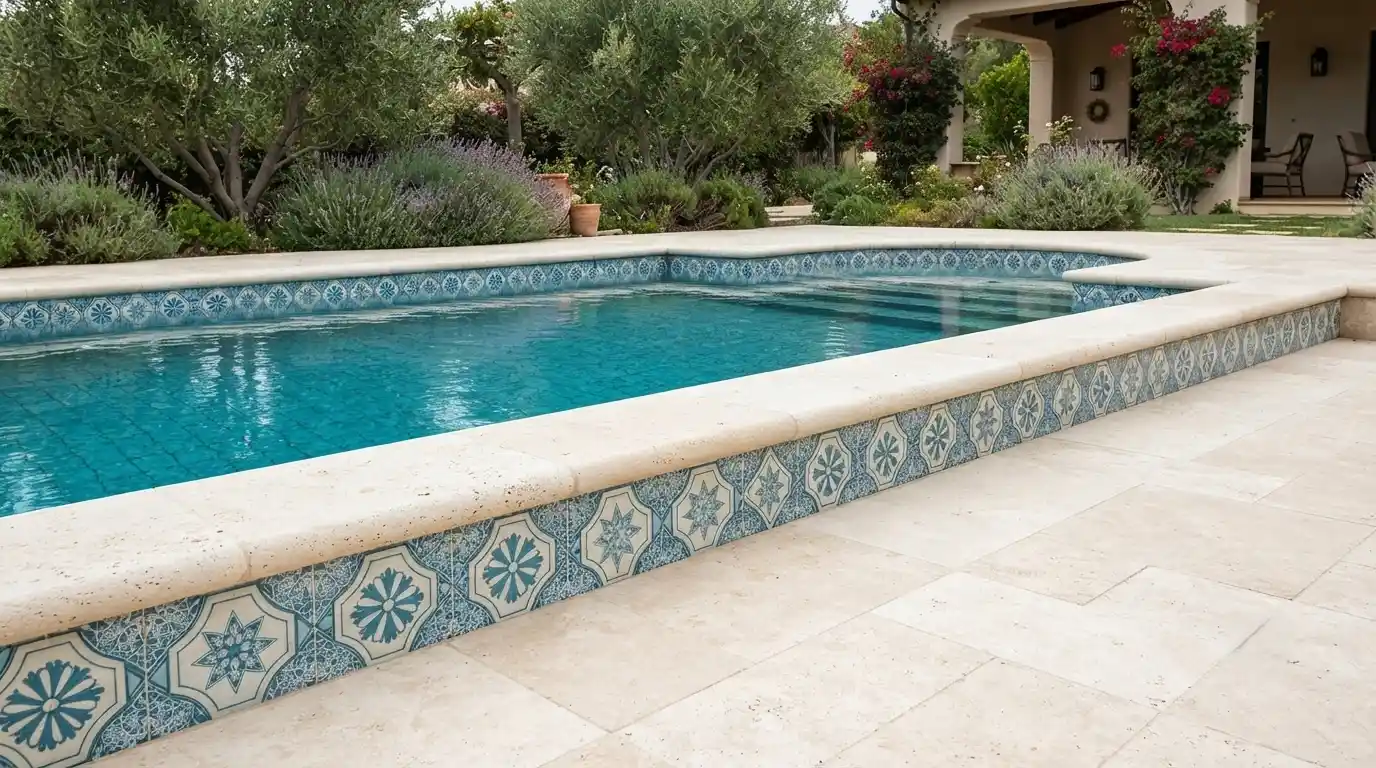
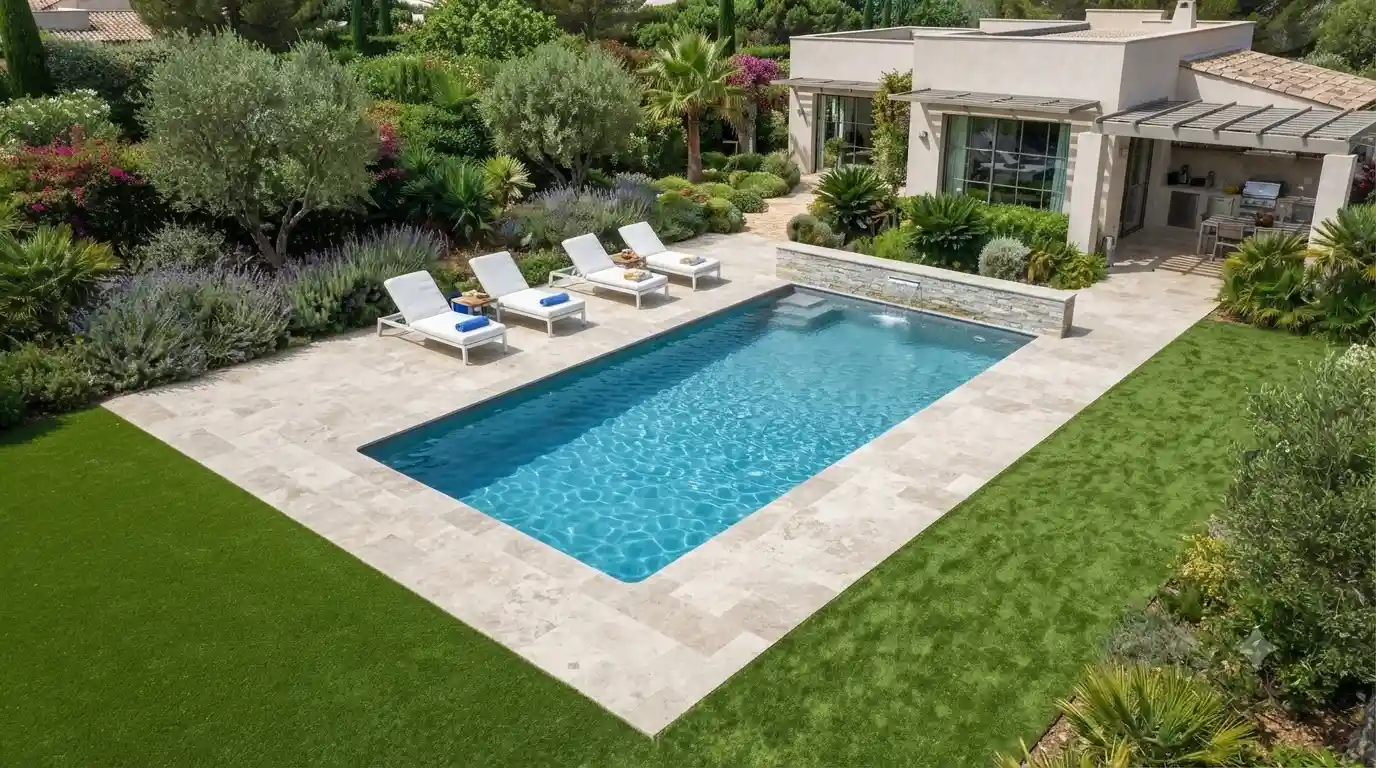
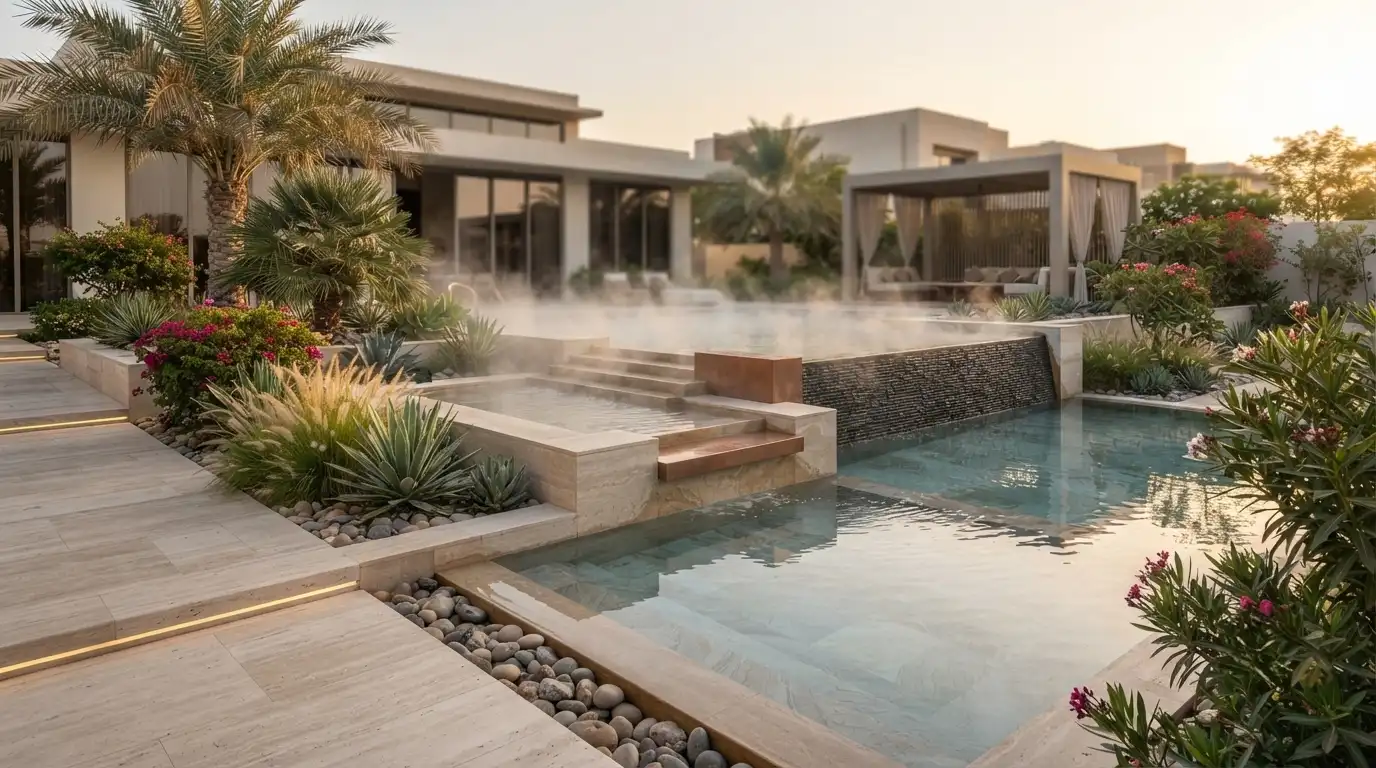
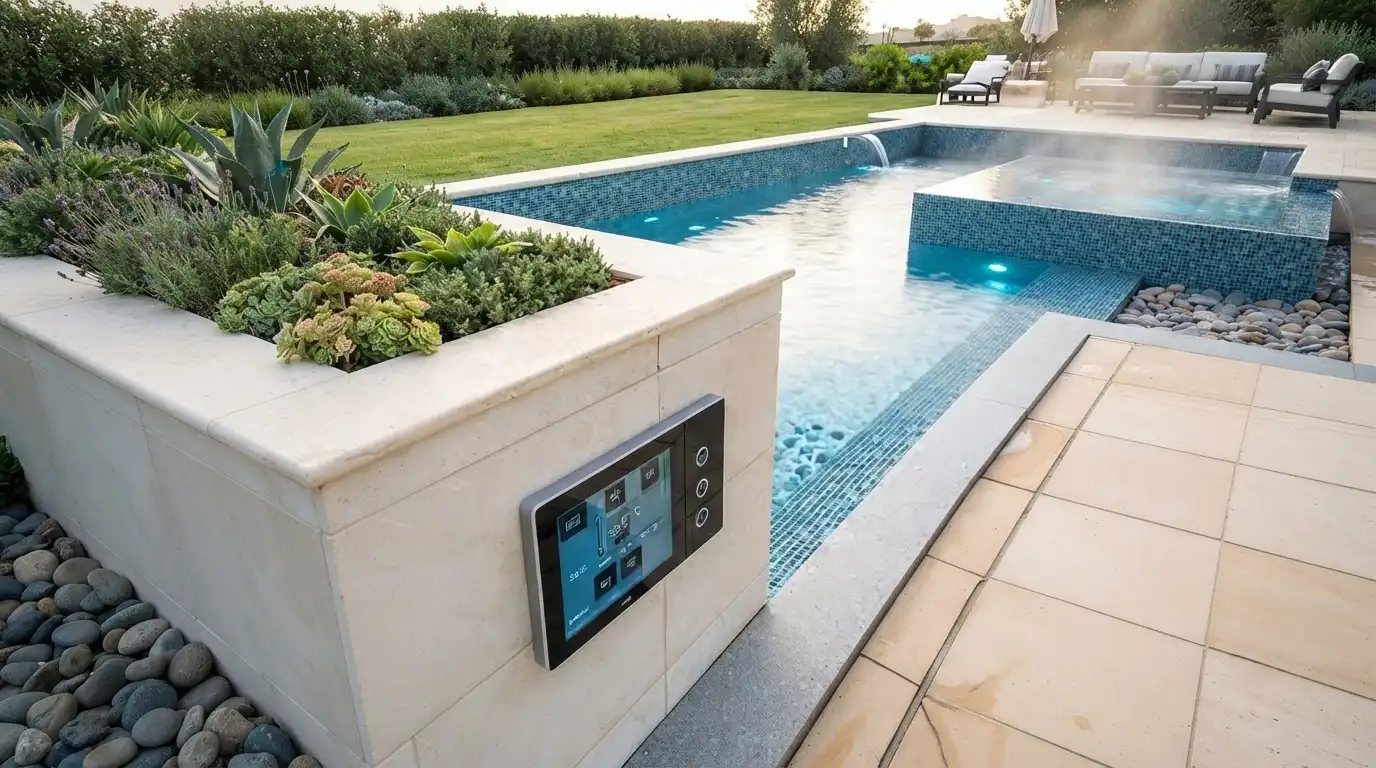
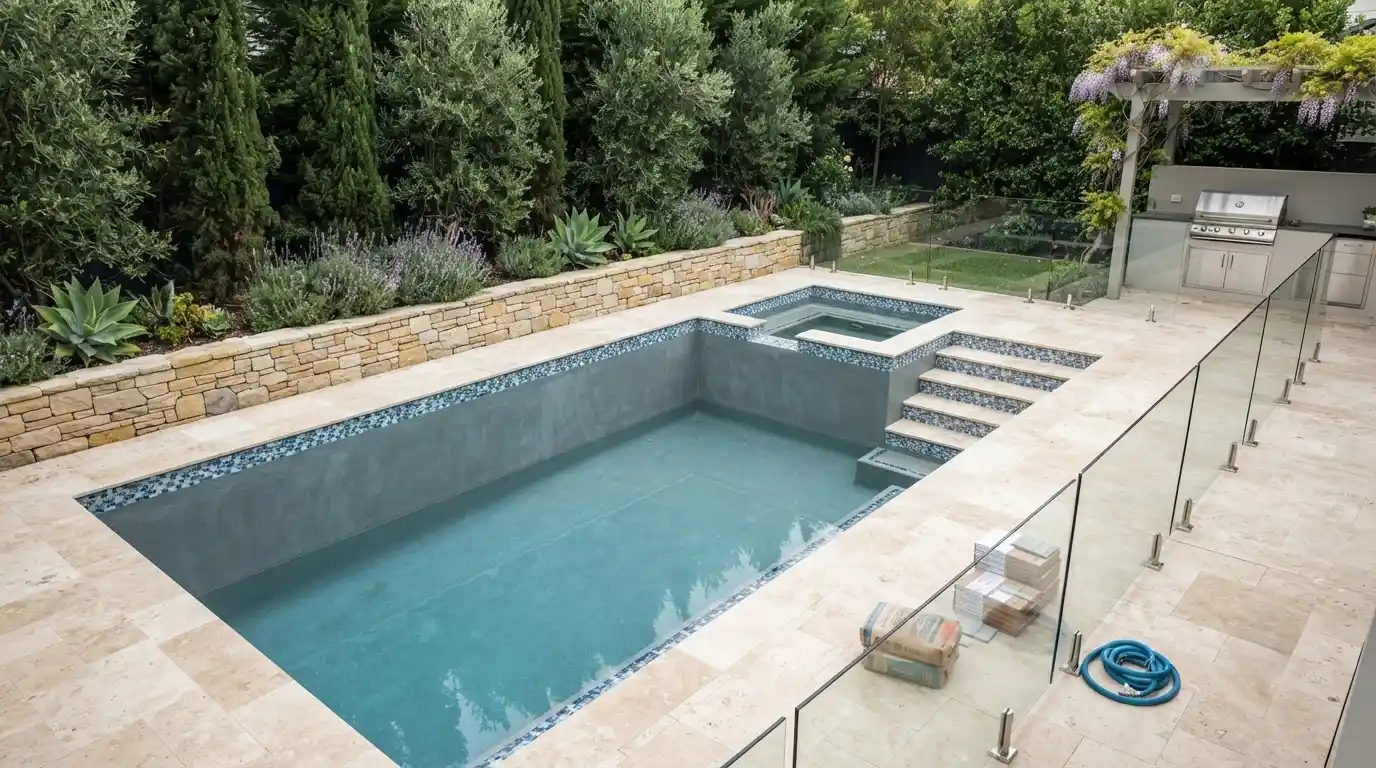
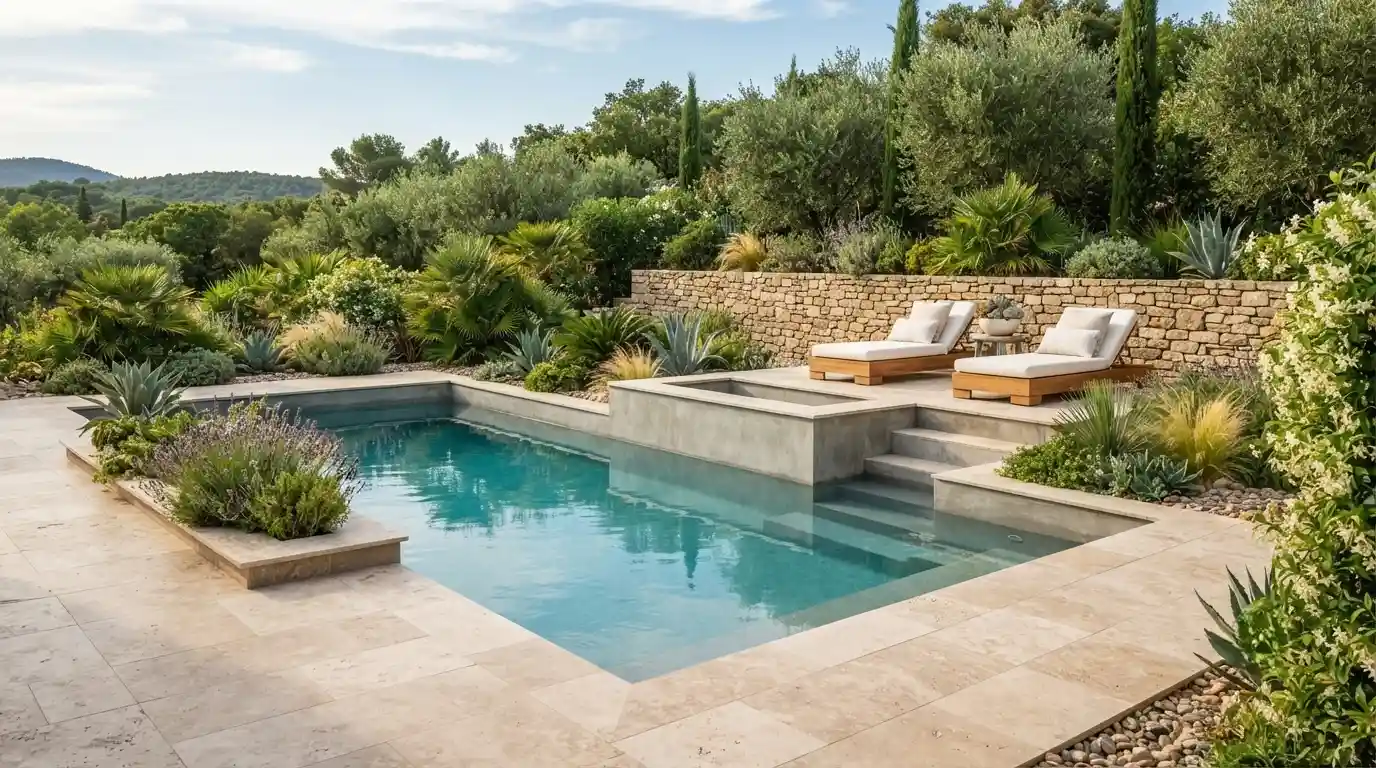
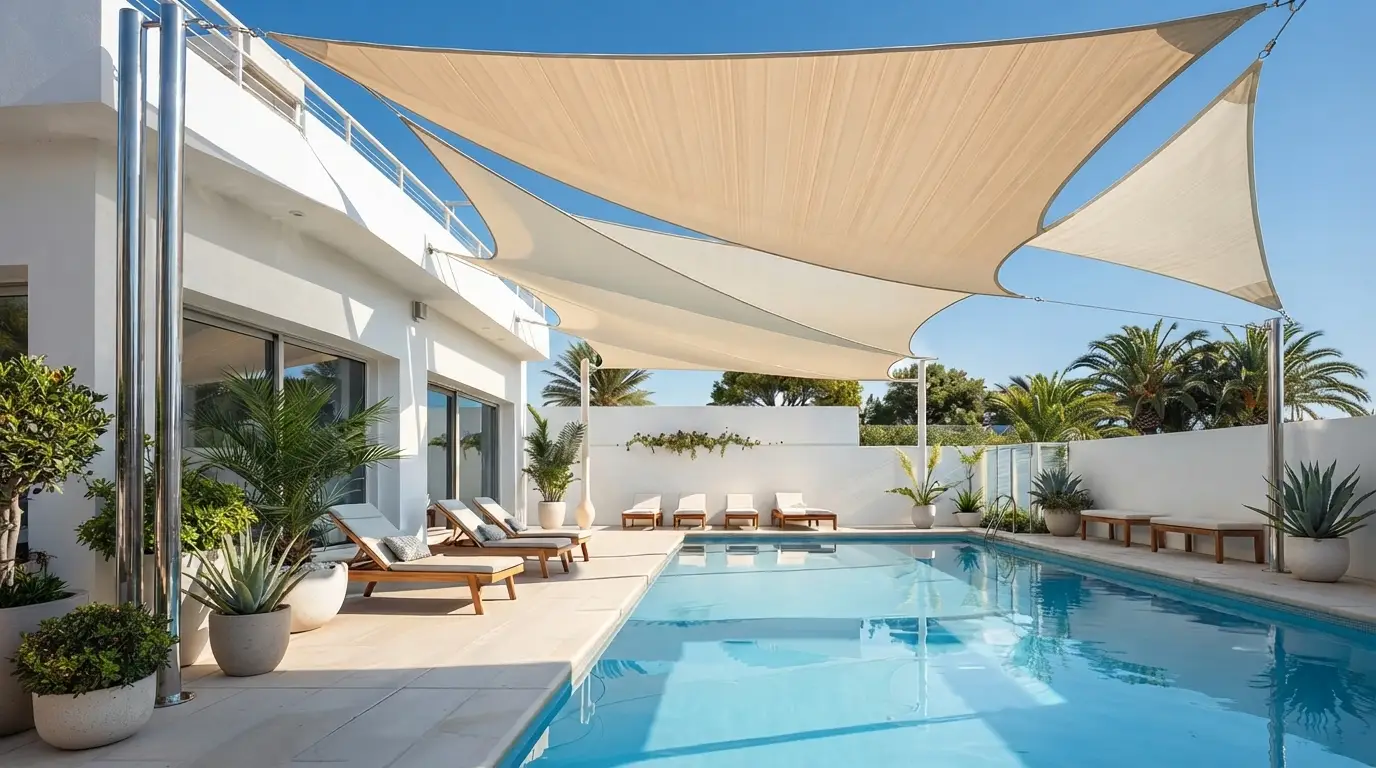
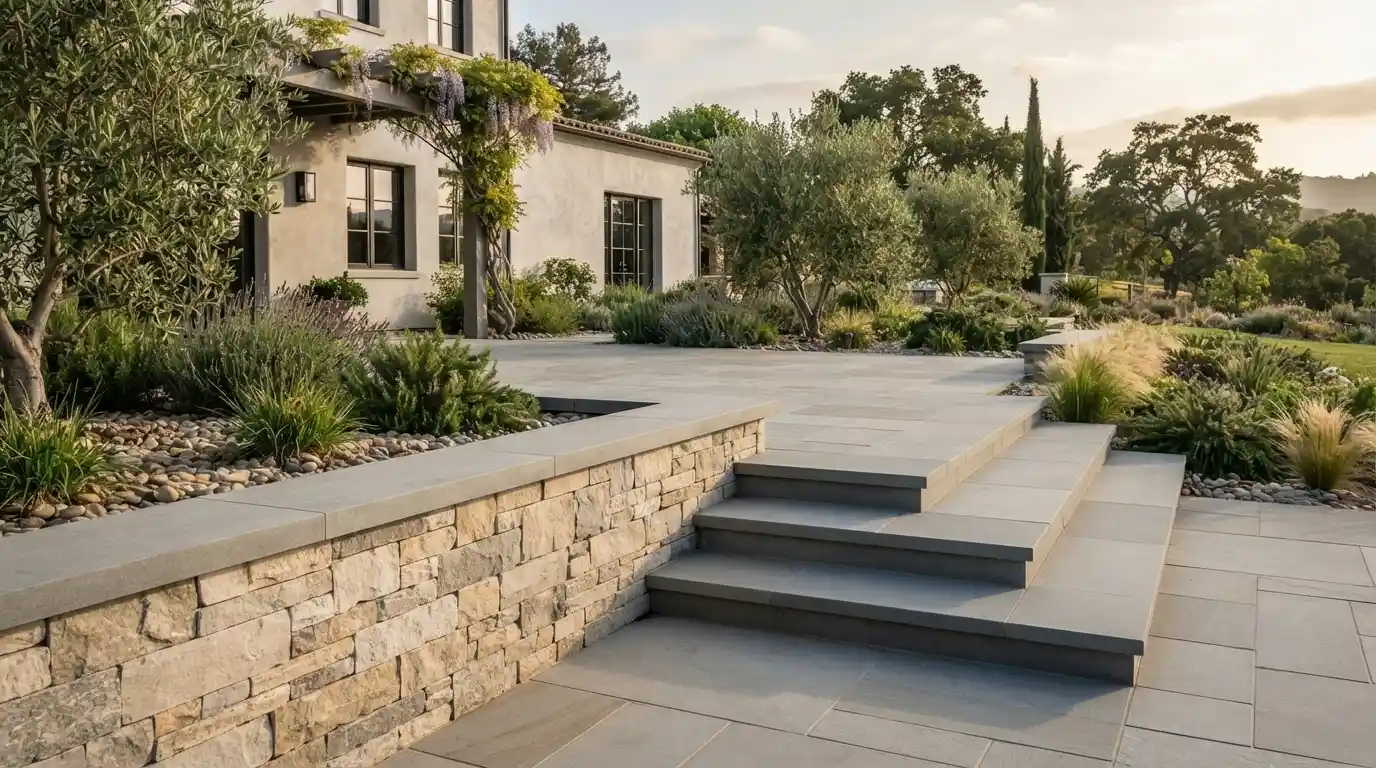
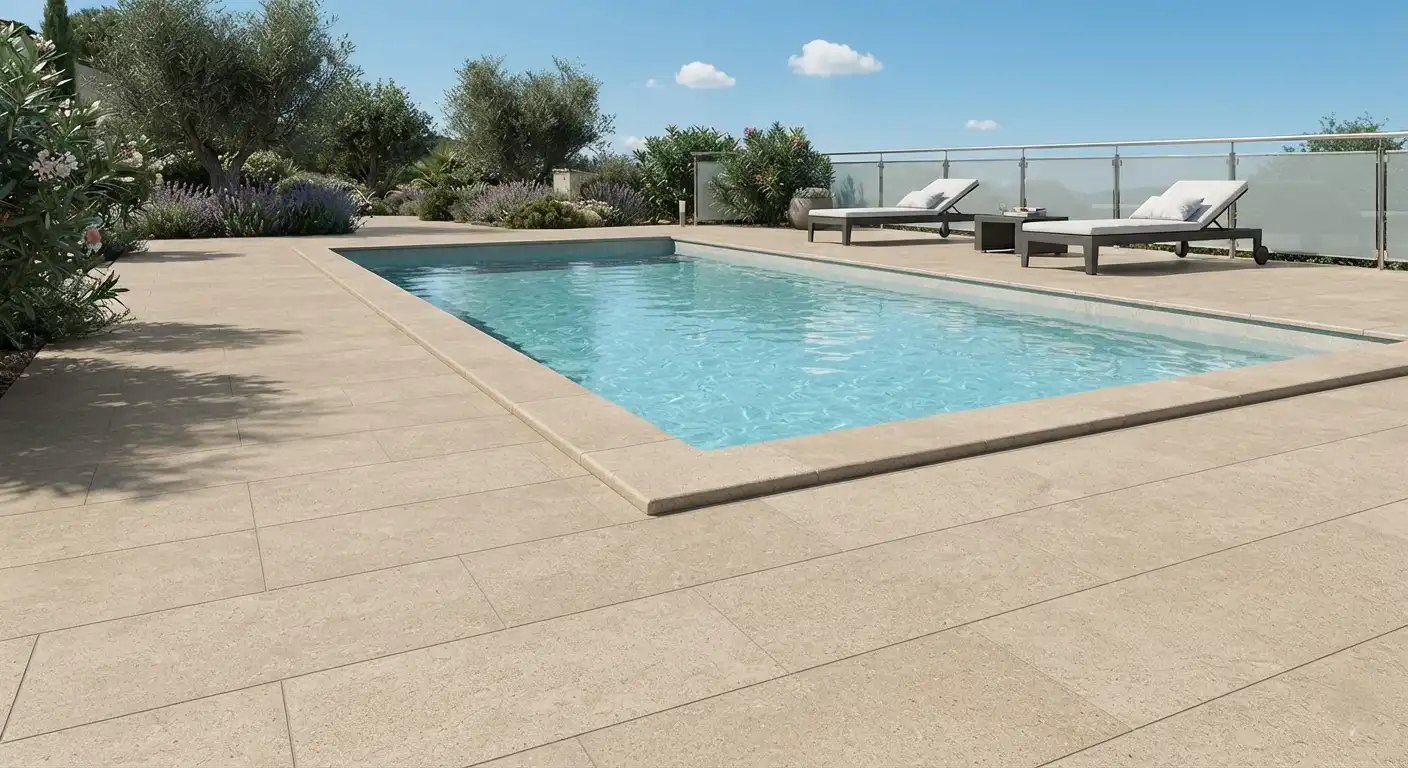
Travertine stays noticeably cooler underfoot than concrete or dark stone, which is why it’s widely used around swimming pools in the UAE. It’s naturally slip-resistant when honed and tumbled.
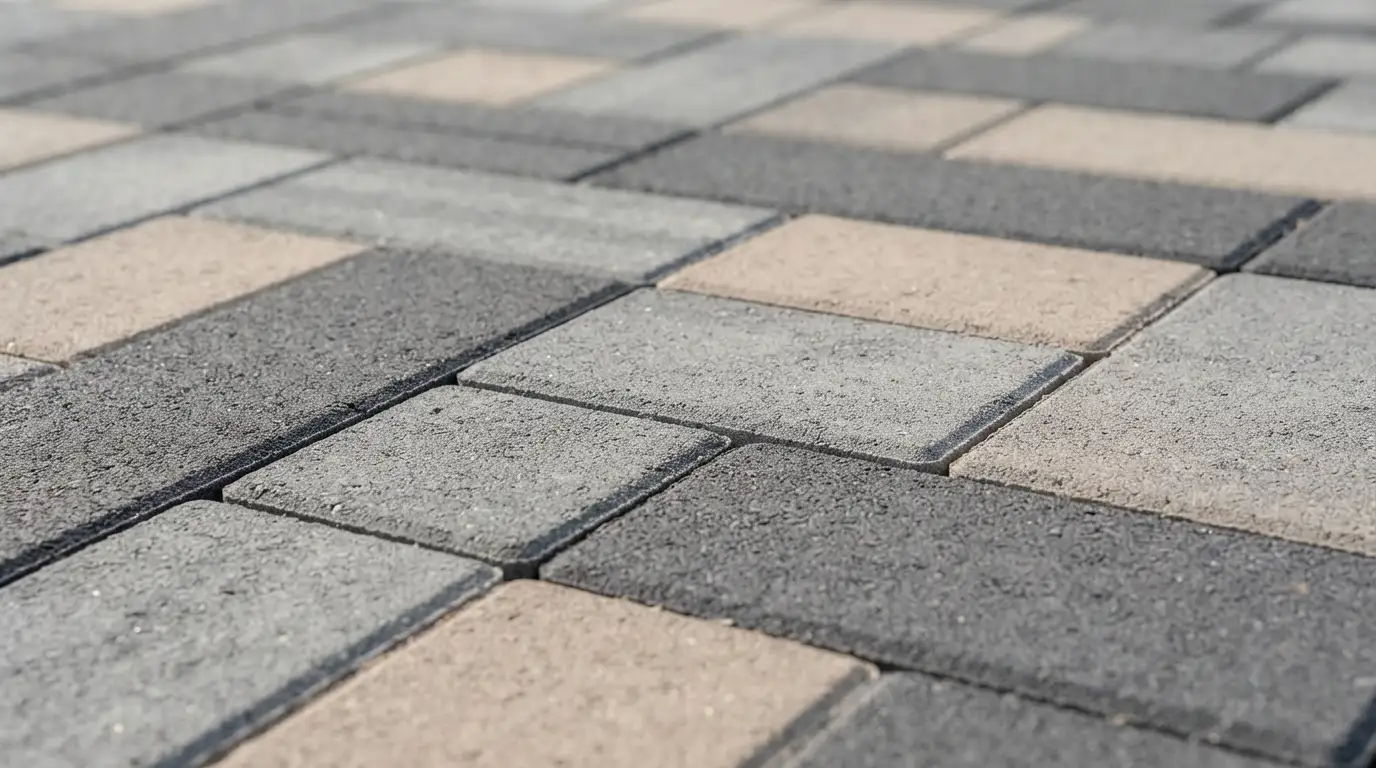
4. Light-Colored Concrete Pavers
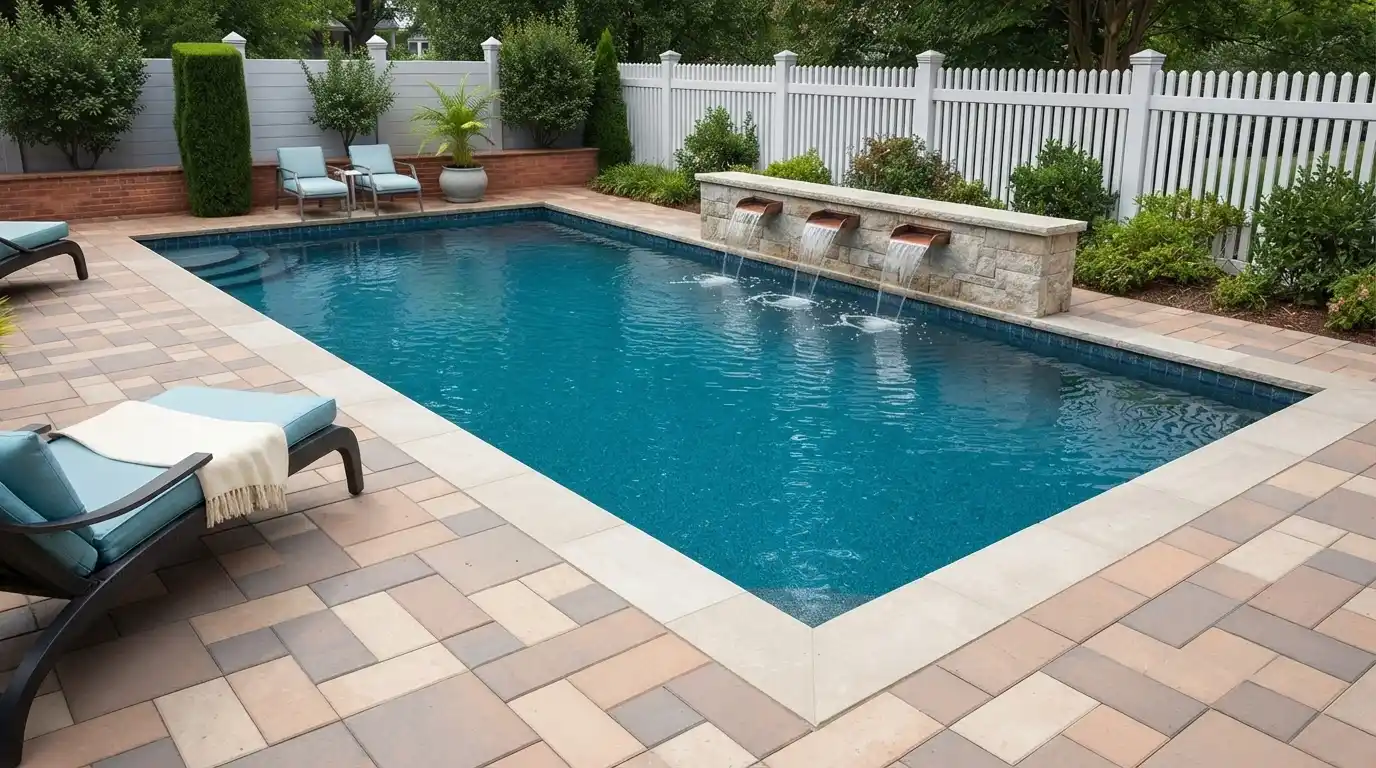
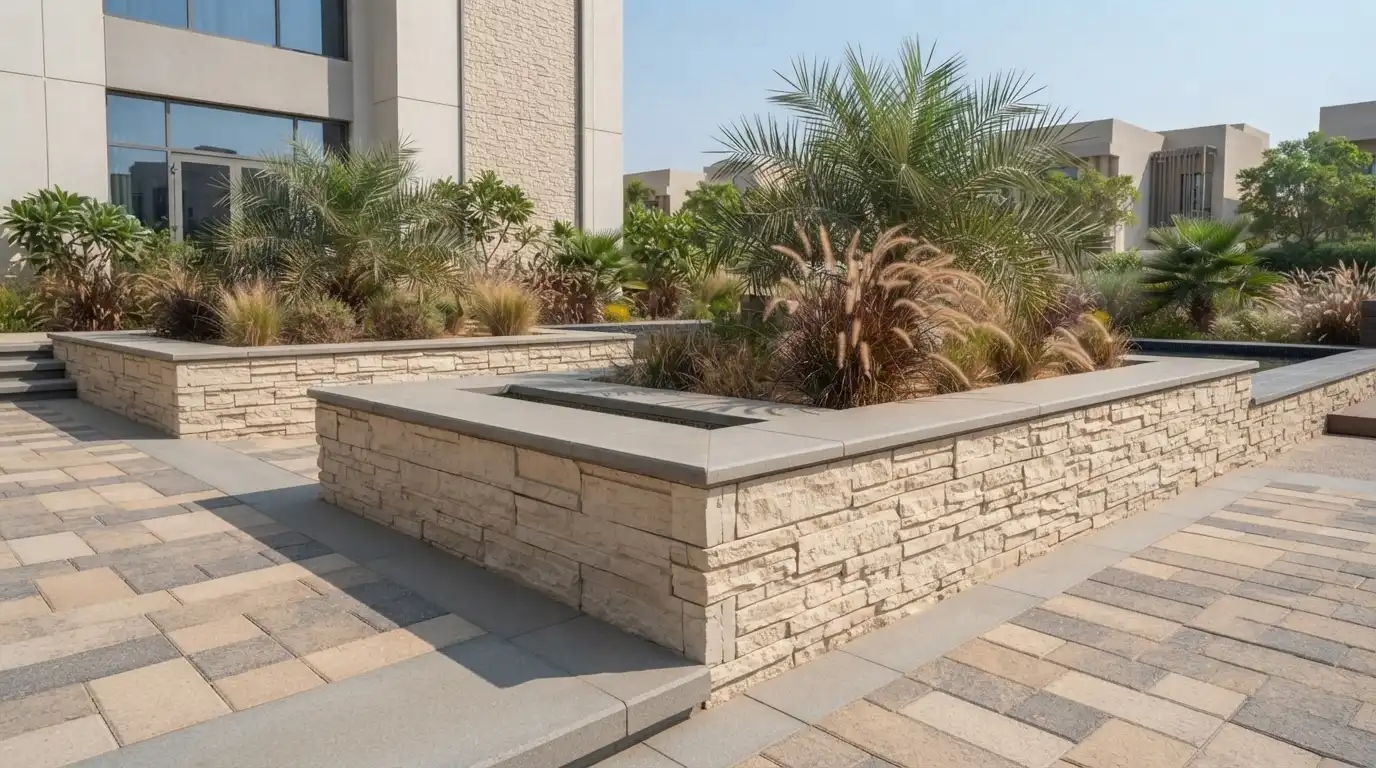
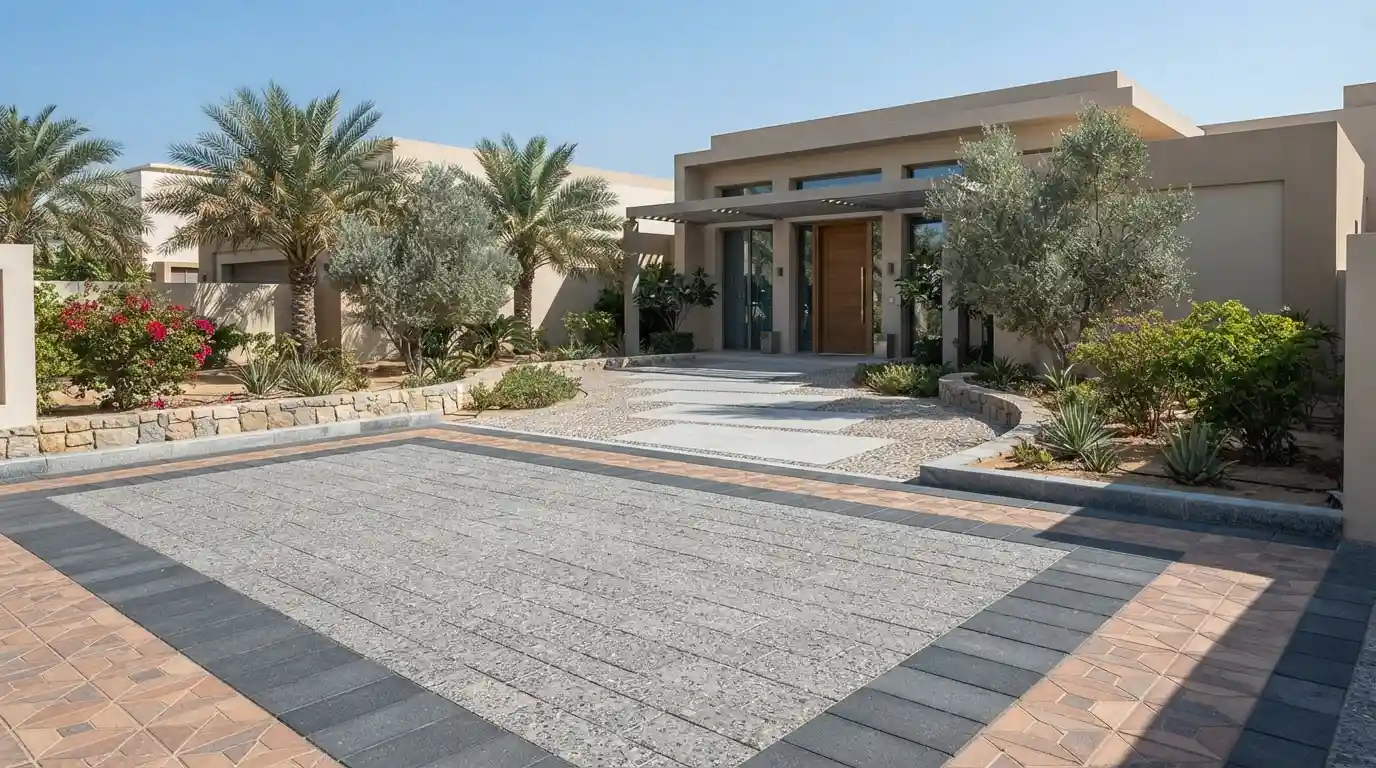
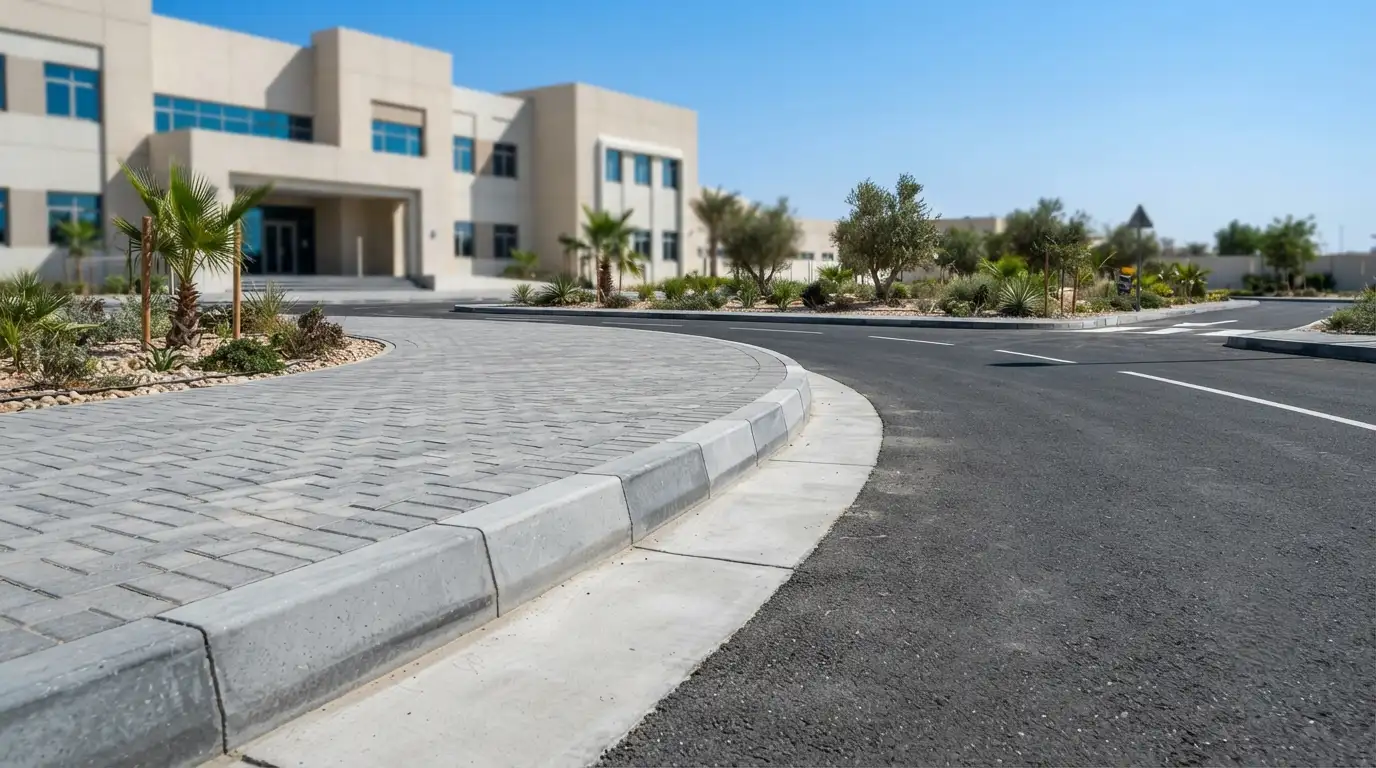
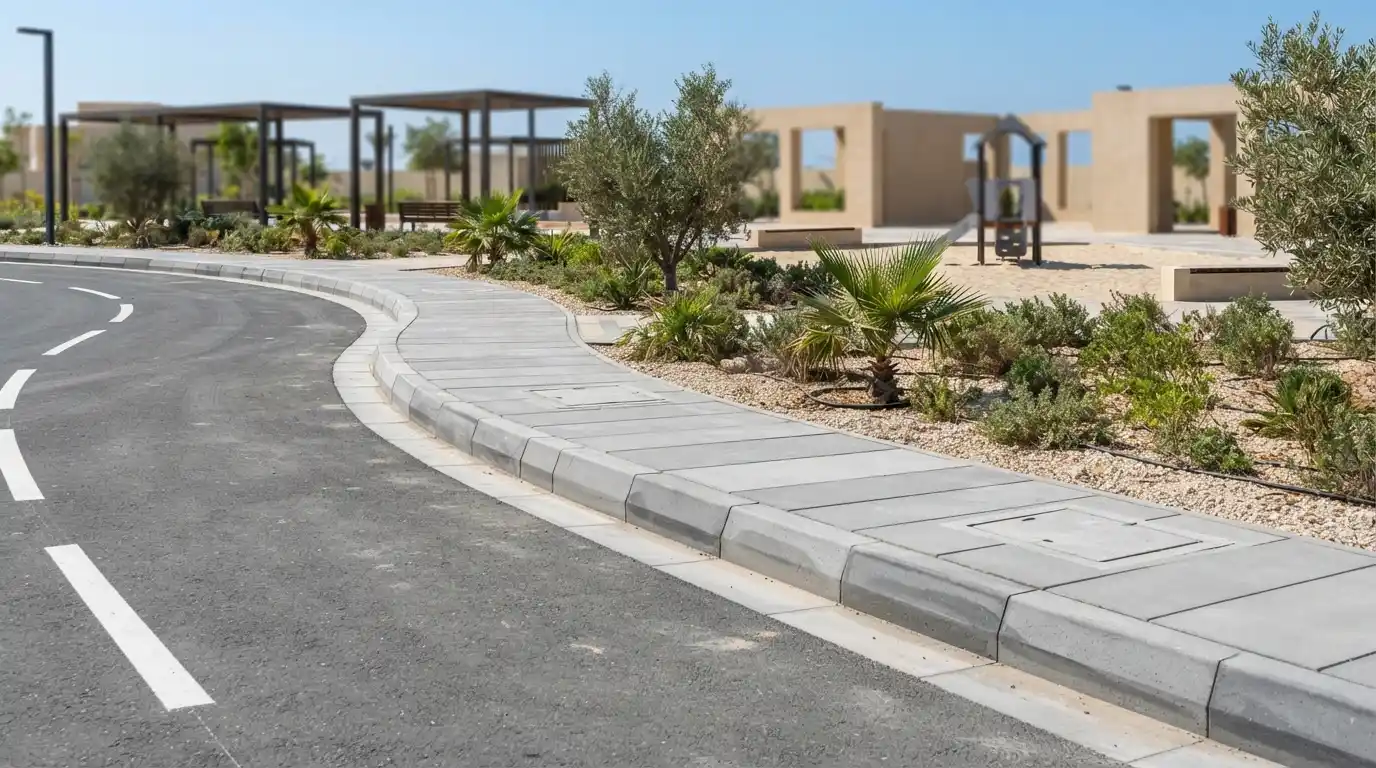
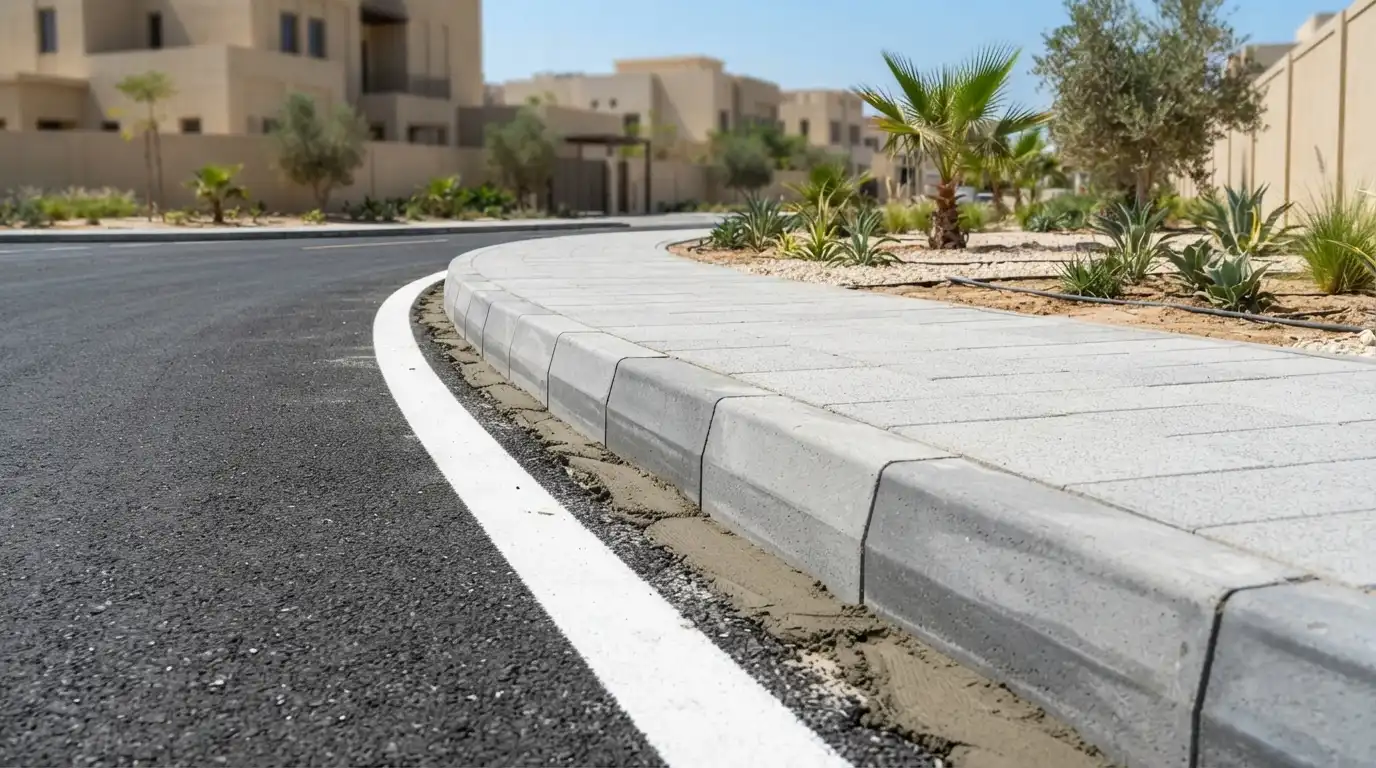
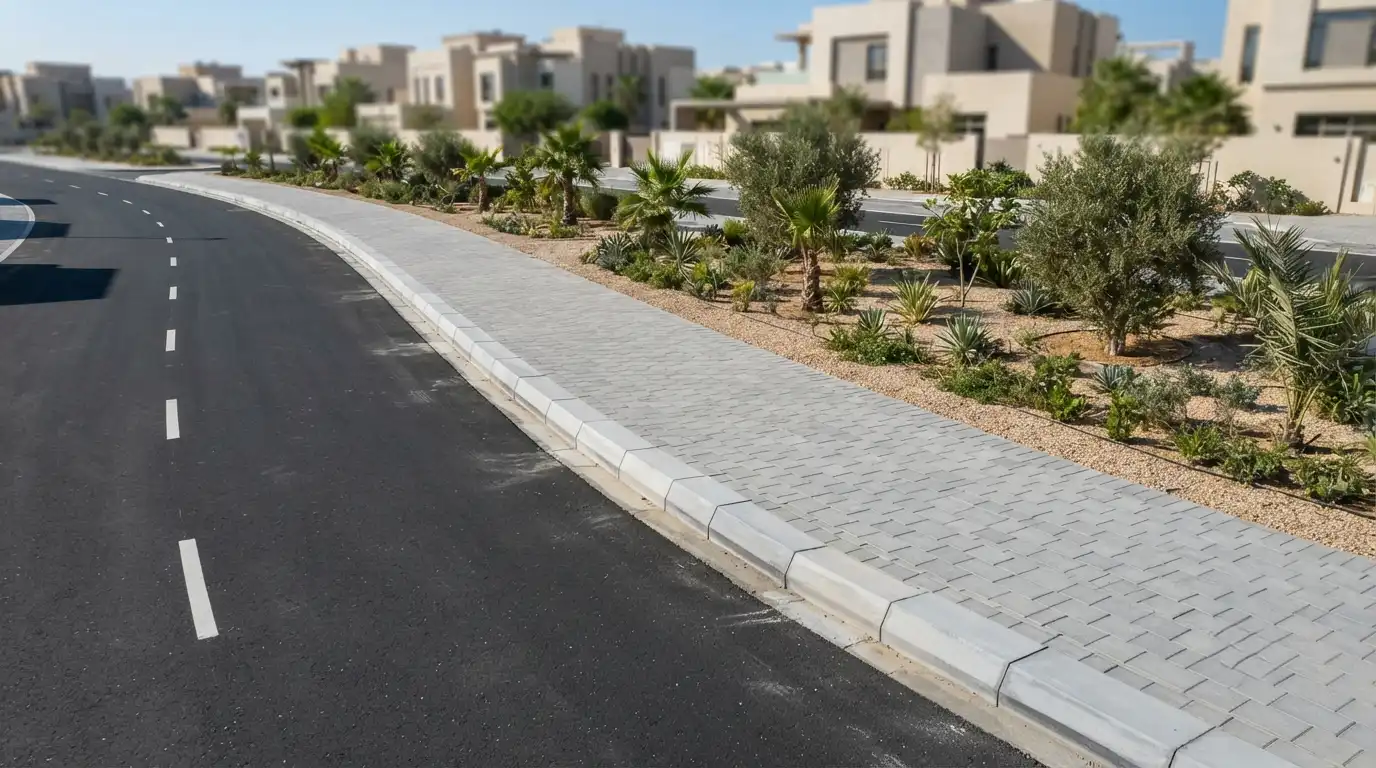
Reflective, light-toned concrete pavers absorb less heat than dark asphalt or charcoal-colored tiles. When properly sealed, they resist cracking and efflorescence caused by heat and humidity cycles.
5. Composite Decking (UAE-Rated)
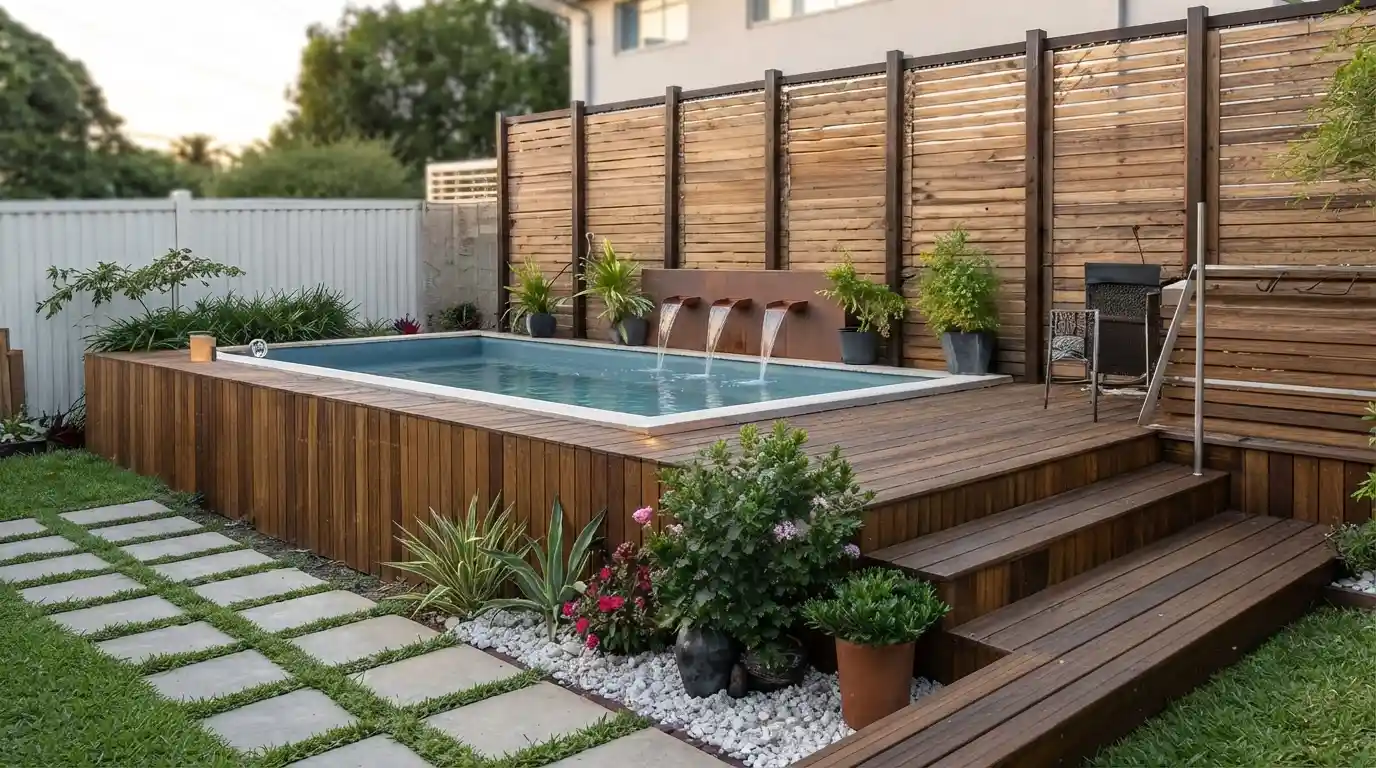
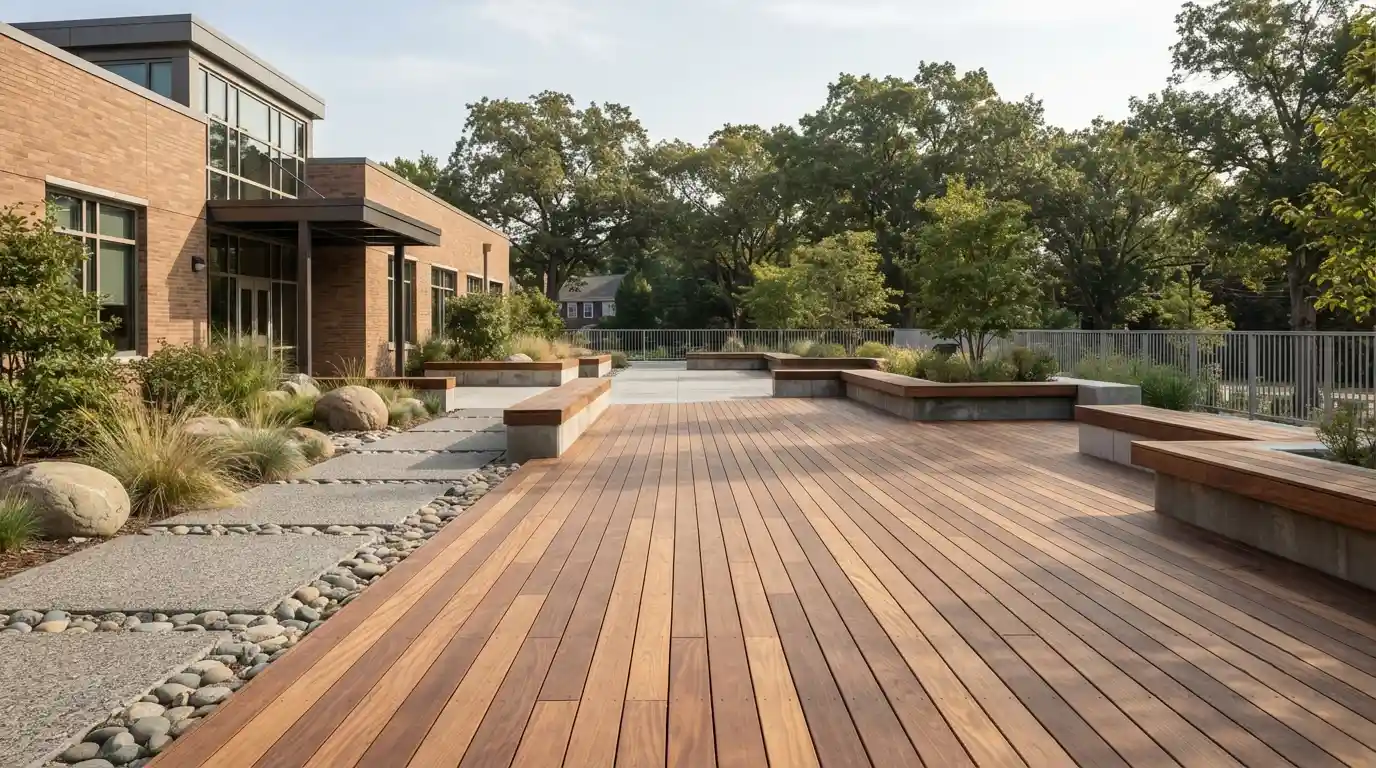
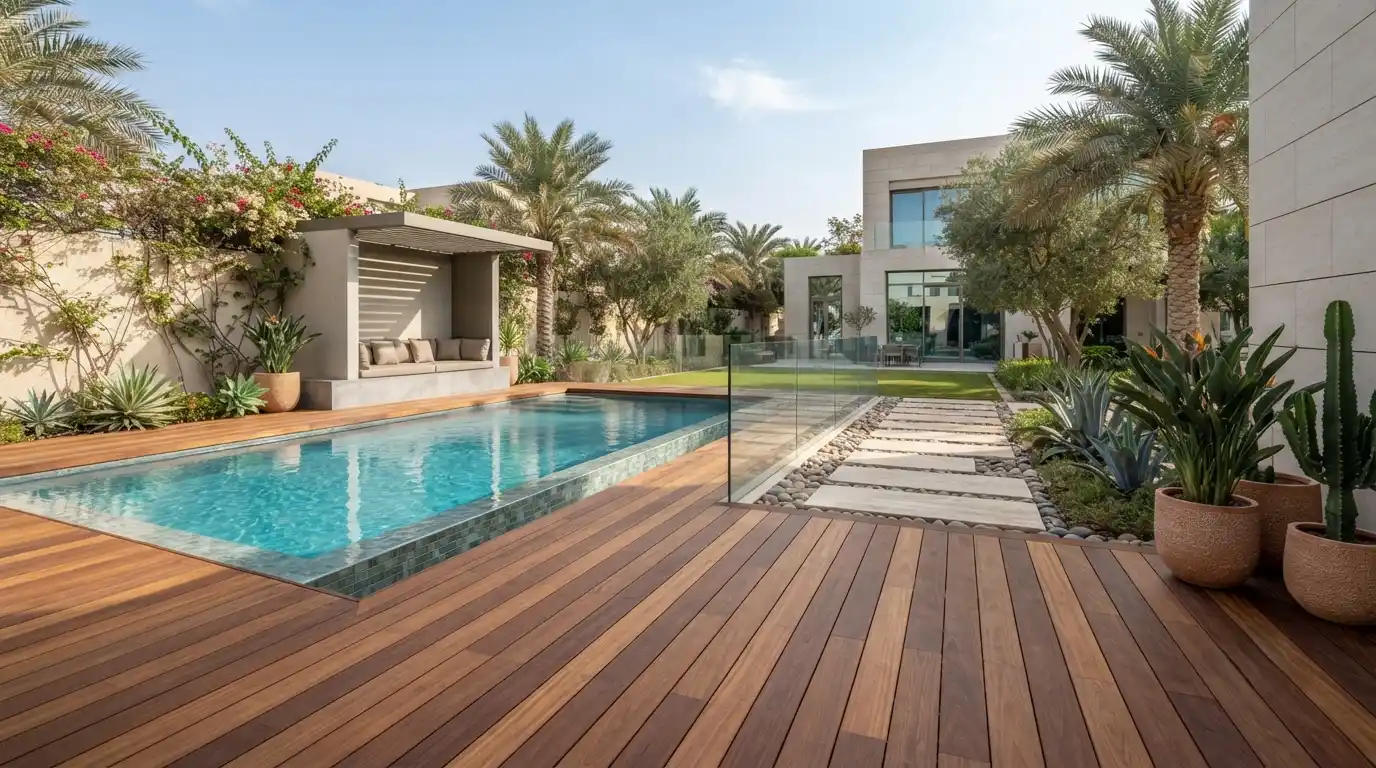
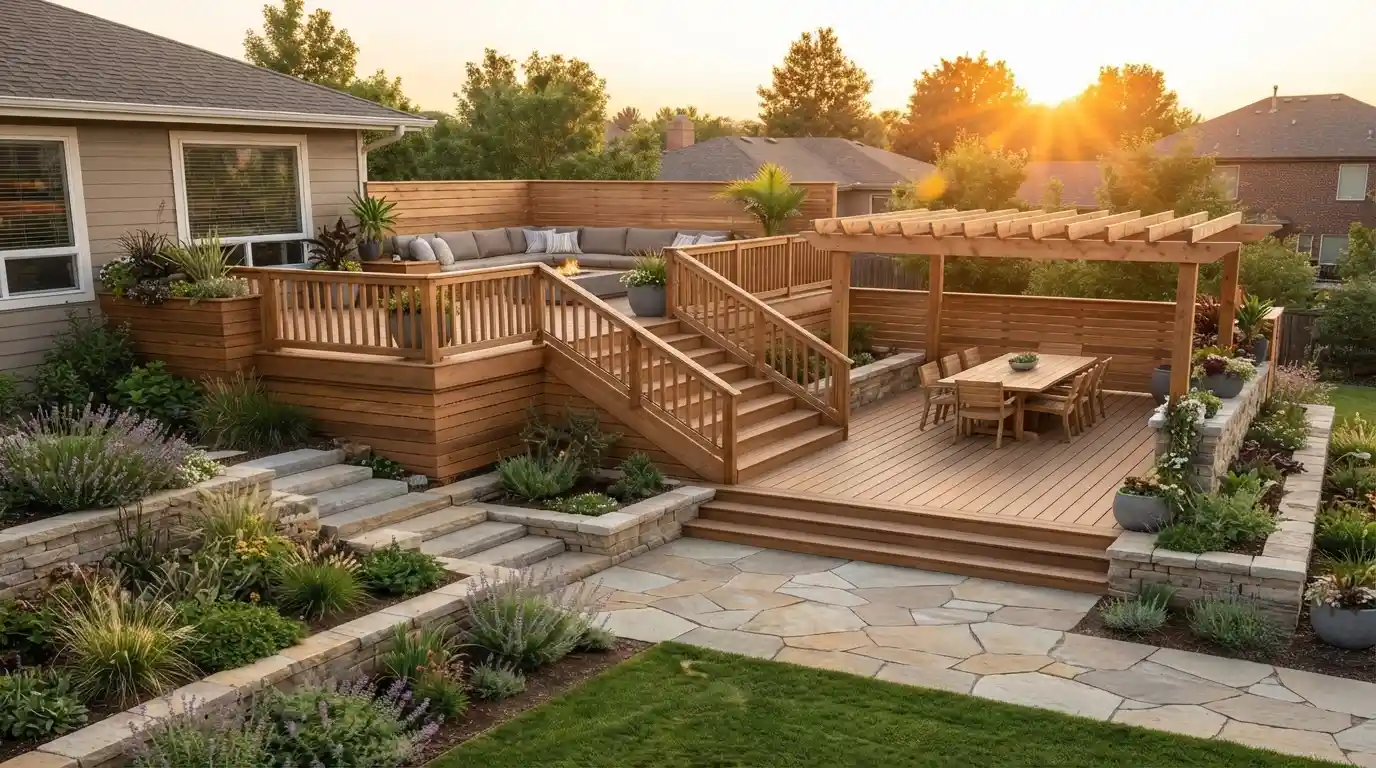
Standard wood decking warps and cracks quickly in Dubai’s heat. UAE-rated composite decking, engineered specifically for high-UV climates, offers a wood-like finish without the maintenance burden.
Comparison Table: Hardscaping Materials for Dubai Heat
| Material | Heat Resistance | UV Fade Resistance | Maintenance | Best Use |
|---|---|---|---|---|
| Natural Granite | Excellent | Excellent | Low | Driveways, patios |
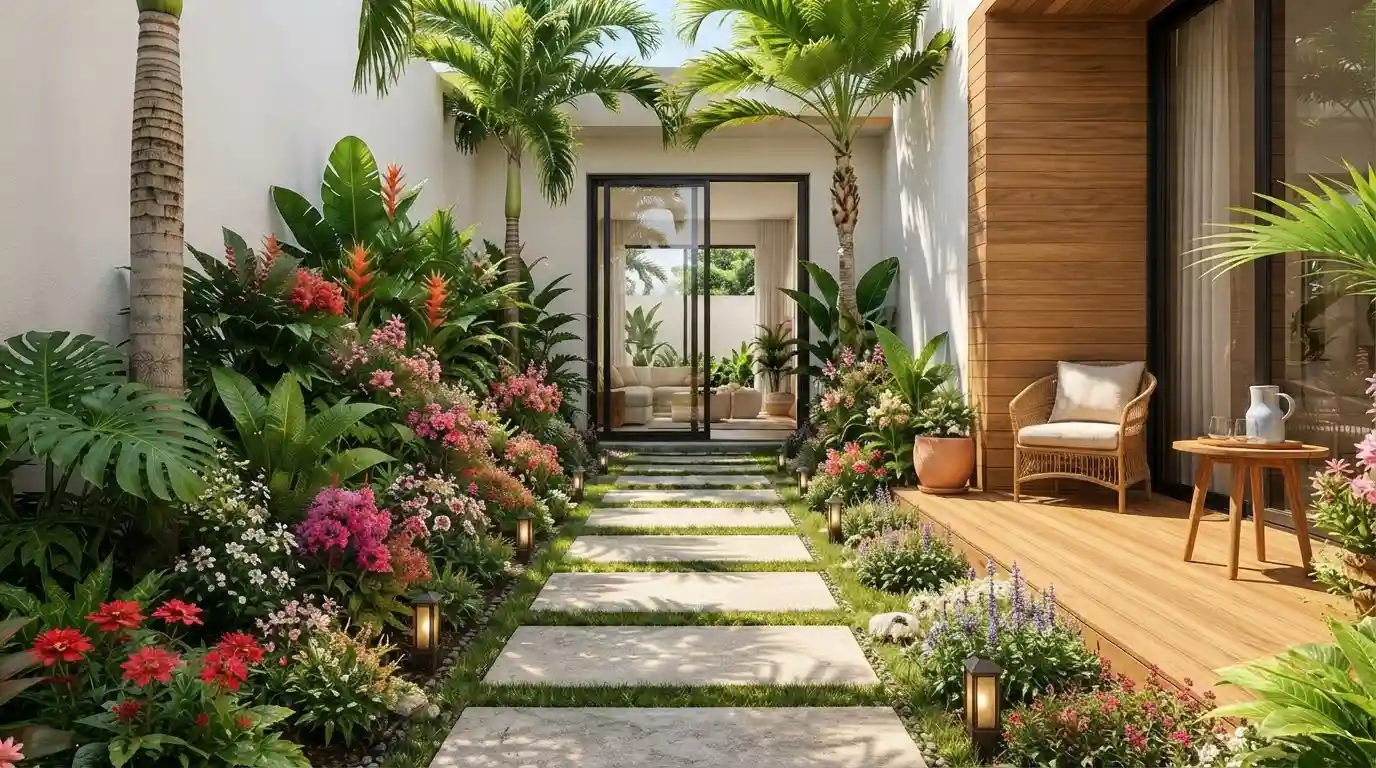
| Porcelain Pavers | Excellent | Excellent | Very Low | Terraces, walkways |
| Travertine | Very Good | Good | Medium | Pool decks |
| Light Concrete Pavers | Good | Good | Low | Pathways, courtyards |
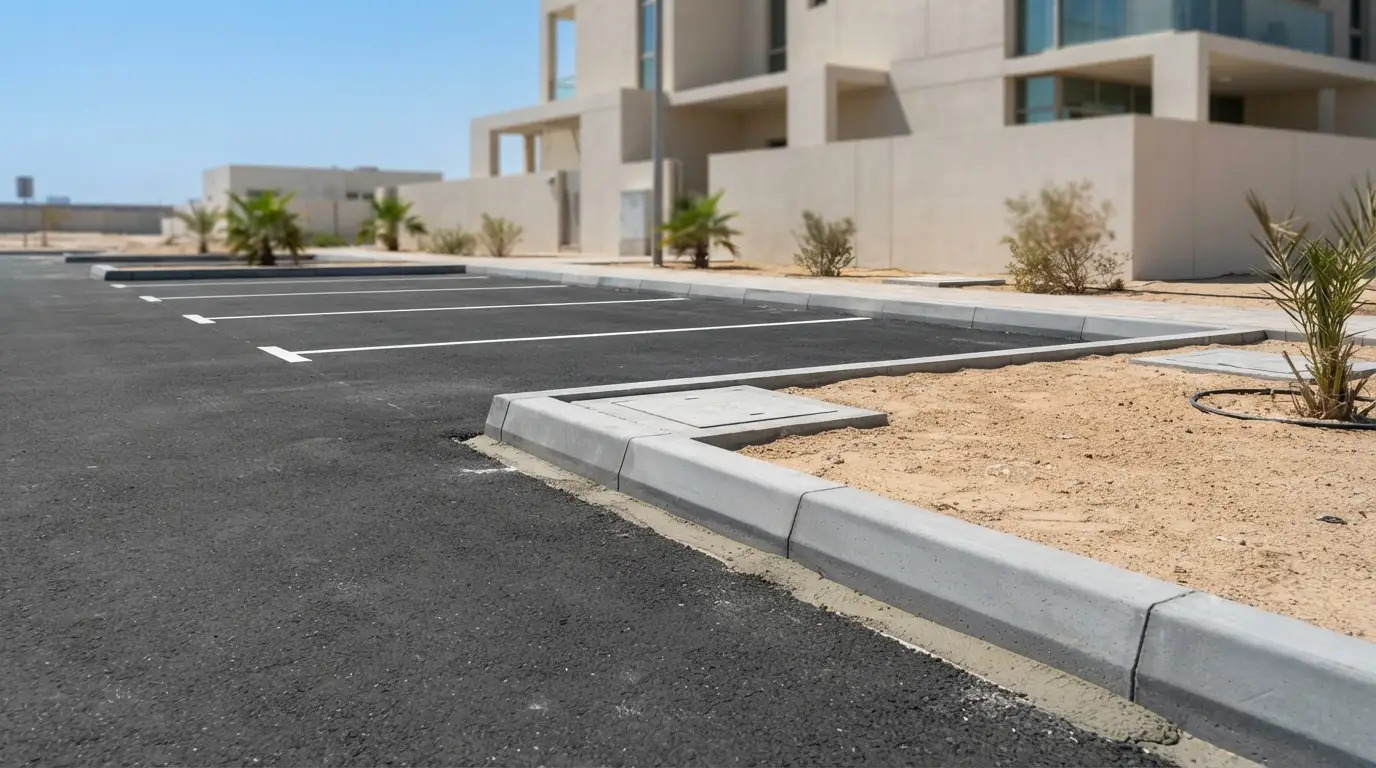
| Standard Asphalt | Poor | Poor | High | Not recommended |
| Untreated Wood Decking | Poor | Poor | High | Not recommended |
Step-by-Step: Choosing the Right Material for Your Property
- Assess the application — Driveway, pool deck, walkway, and commercial courtyard each have different load and slip requirements.
- Check porosity ratings — Lower porosity means better heat and stain resistance.
- Match color to heat exposure — Lighter tones reduce surface temperature by up to 20%.
- Verify UV and thermal certifications — Ask suppliers for climate-rated product data.
- Factor in slip resistance — Especially critical for pool areas and public spaces like hotels and schools.
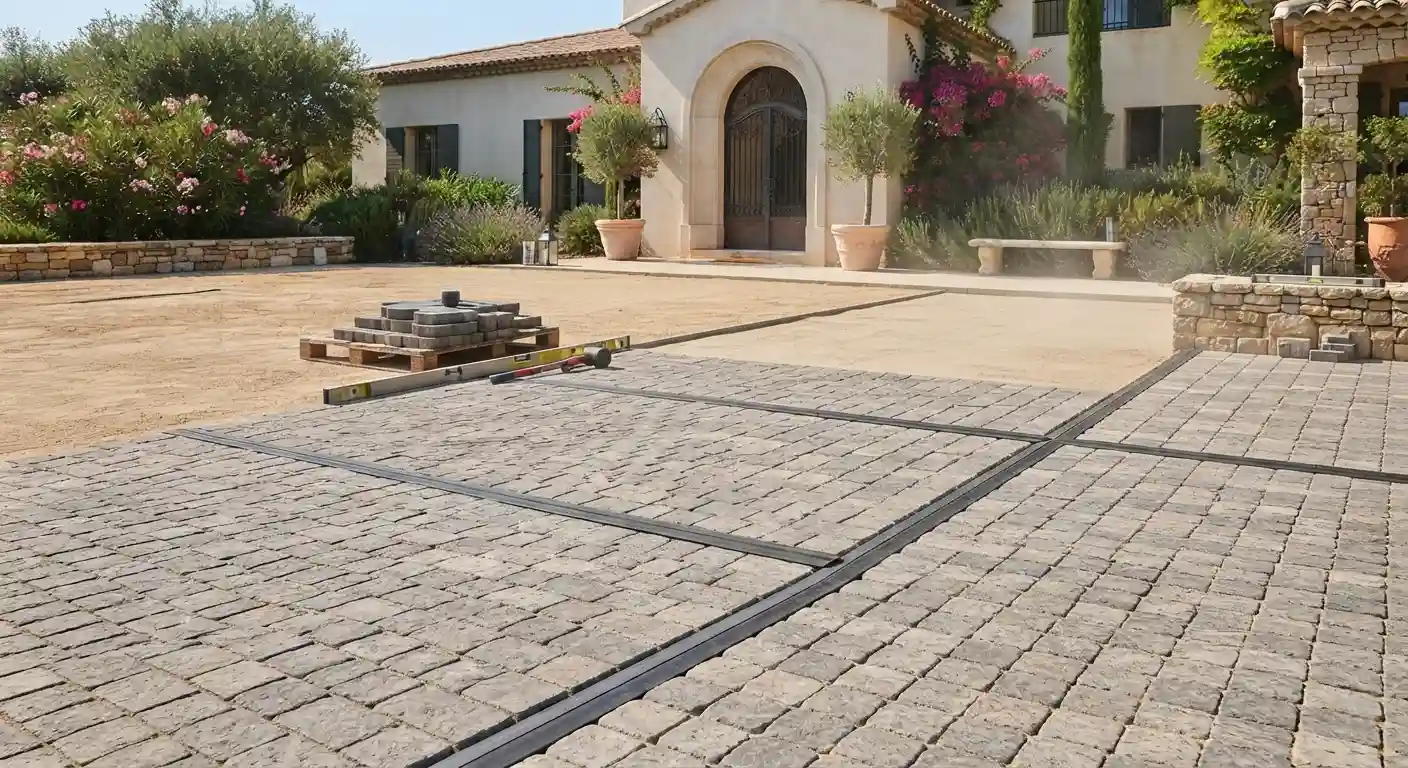
- Plan for expansion joints — Proper installation prevents cracking during thermal cycles.
- Consult a licensed landscaping contractor — Professional assessment prevents costly material mismatches.
Benefits of Heat-Resistant Hardscaping
- Lower surface temperatures — Safer for bare feet around pools and play areas.
- Reduced long-term maintenance — Less cracking, fading, and repair work.
- Higher property value — Durable, attractive hardscaping boosts resale and rental appeal.
- Better safety compliance — Especially important for schools, hospitals, and commercial developments.
- Lower water and cooling demand — Reflective materials reduce heat radiating into nearby buildings.
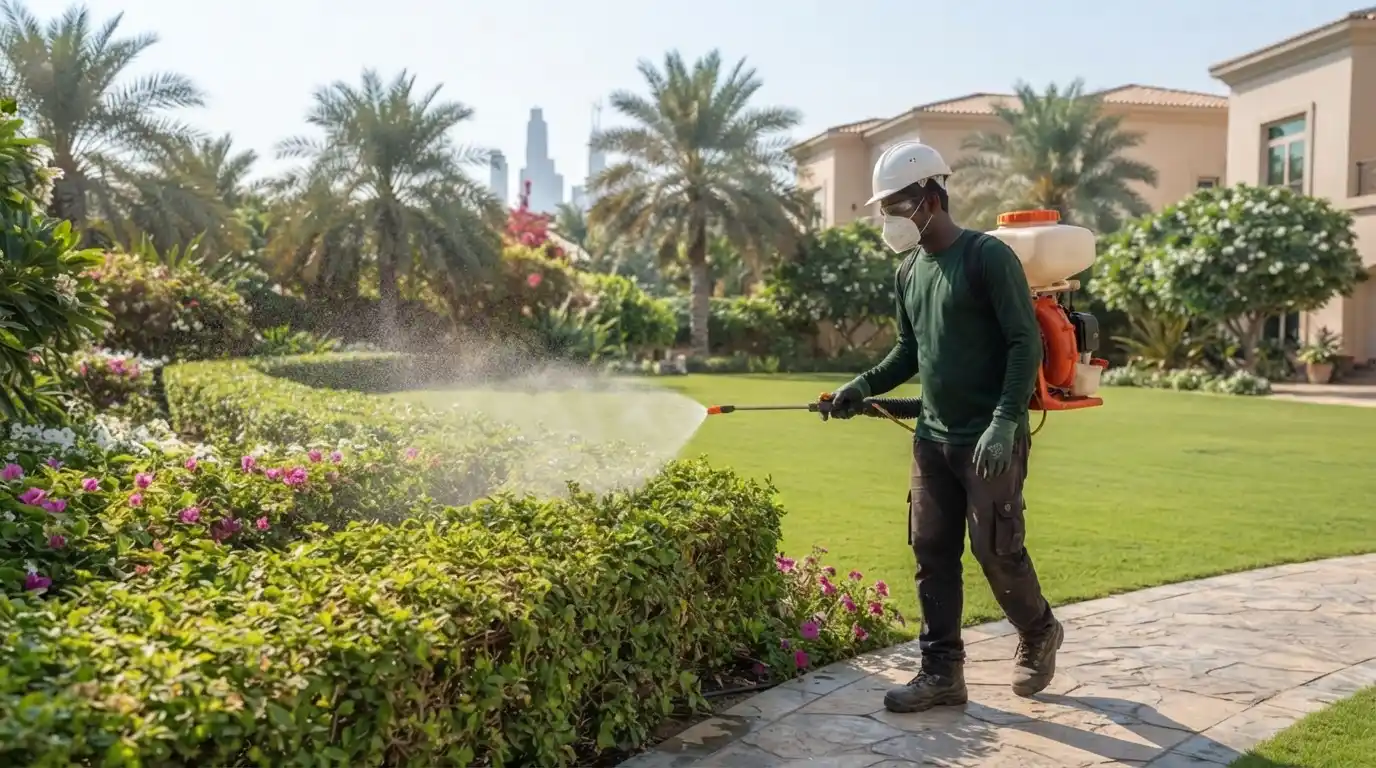
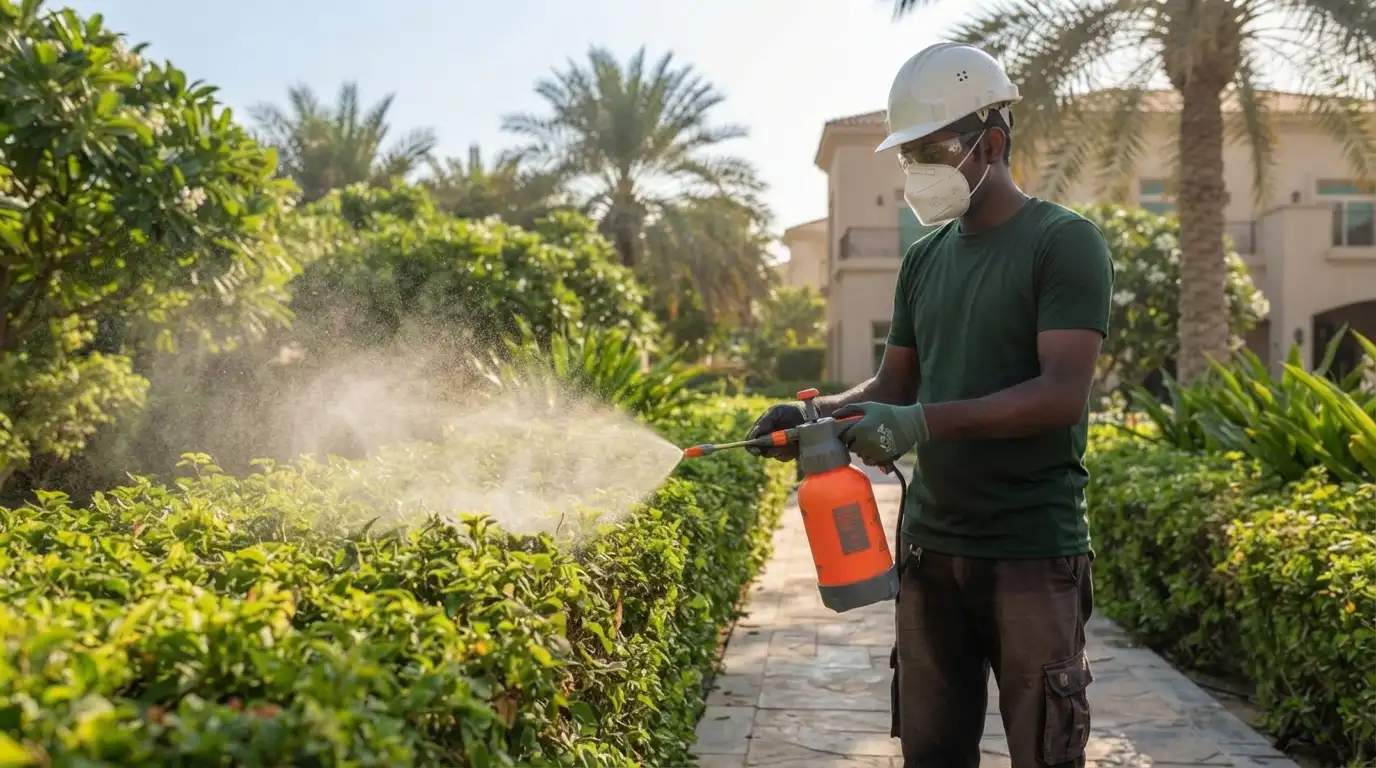
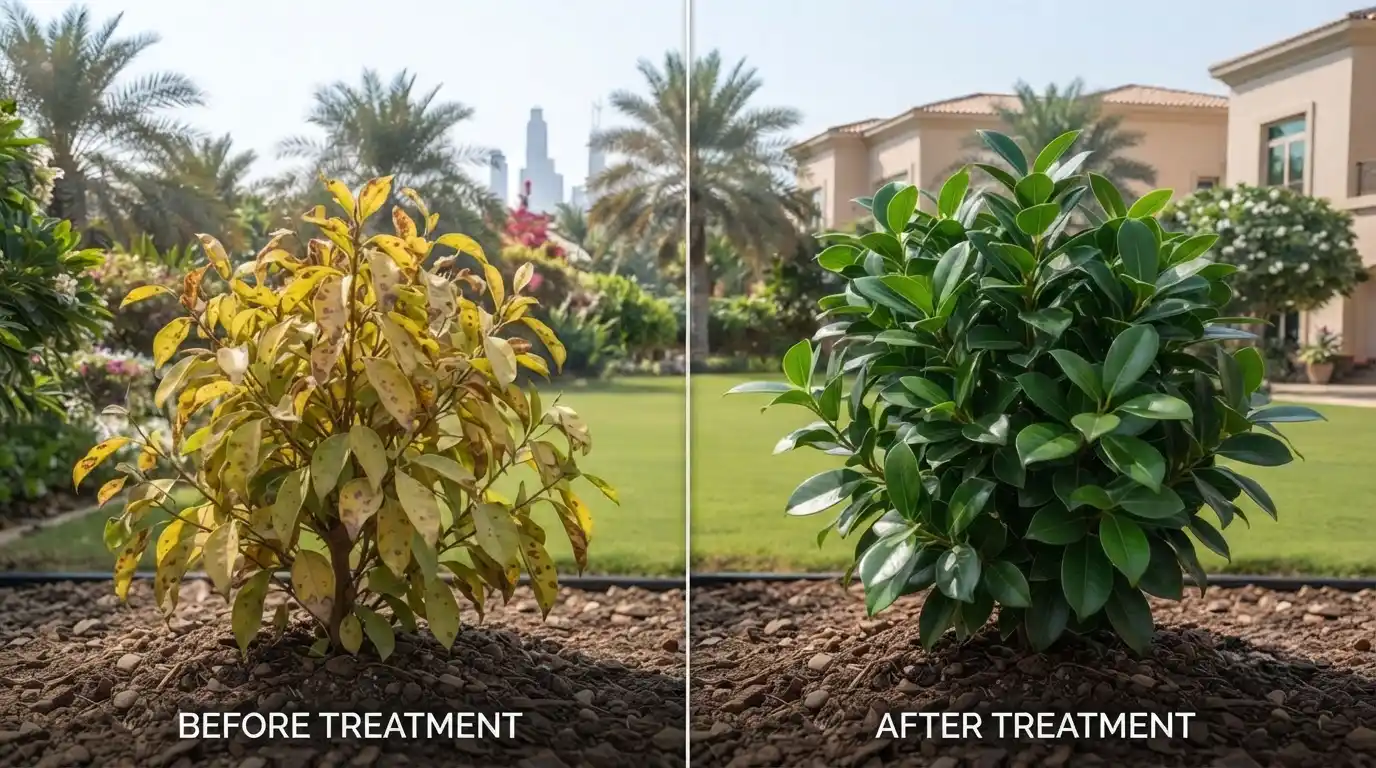
- Reduced pest habitat — Dense, non-porous materials like porcelain and granite leave fewer gaps and moisture pockets where pests can nest, which is a helpful complement to routine garden pest control UAE practices for villa and commercial gardens.
Common Mistakes Homeowners Make
- Choosing materials based on price alone — Cheap pavers often crack within one or two summers.
- Ignoring color impact on heat absorption — Dark surfaces can be 15–25°C hotter than light ones.
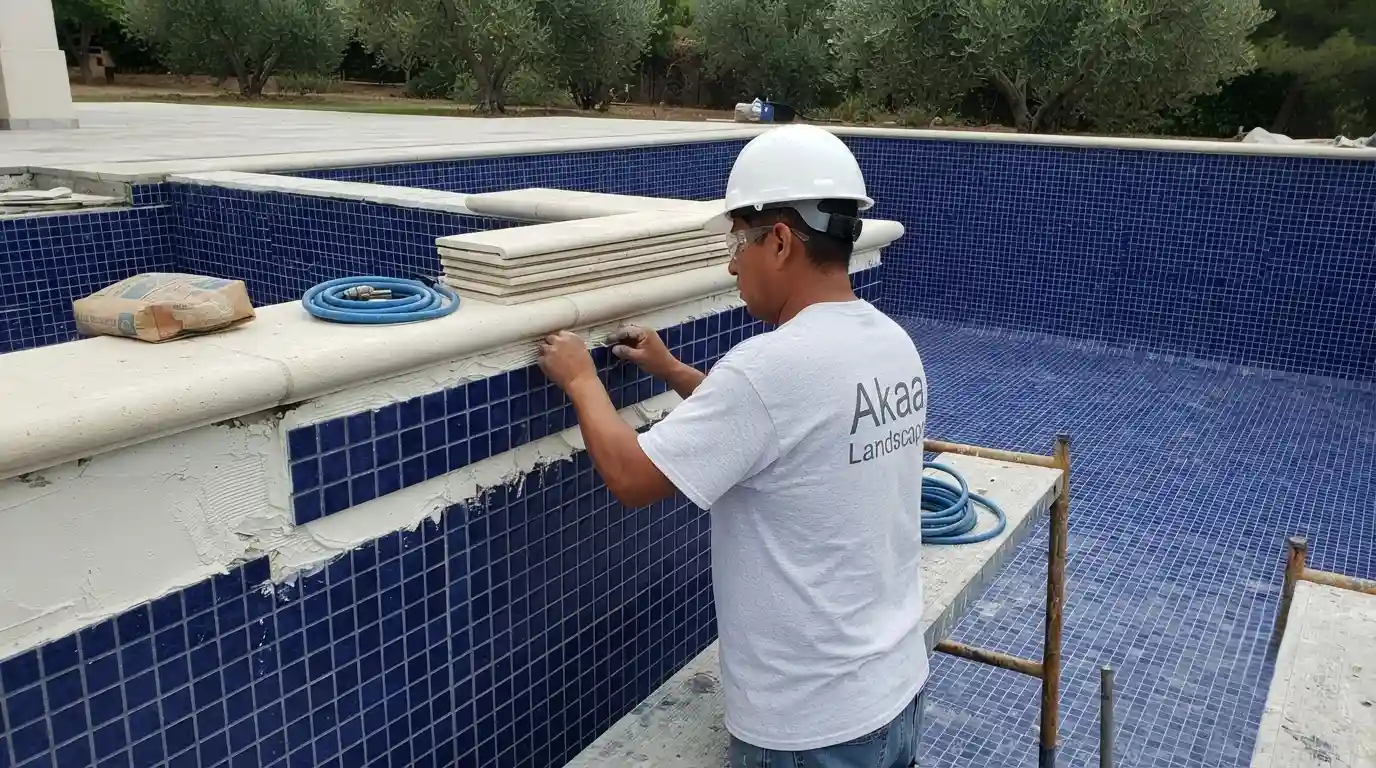
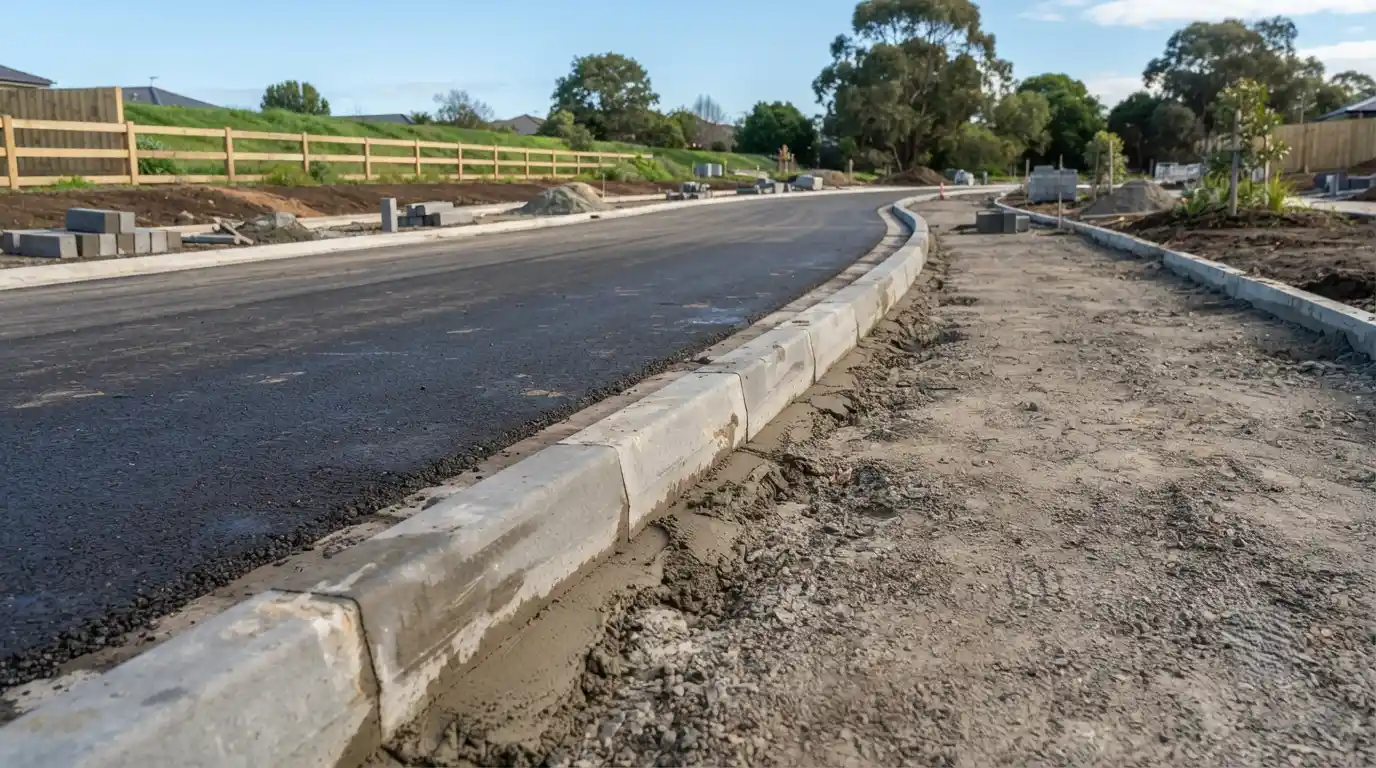
- Skipping proper substrate preparation — Poor base compaction causes uneven settling and cracking.
- Using indoor tiles outdoors — Indoor porcelain isn’t always rated for UV or thermal cycling.
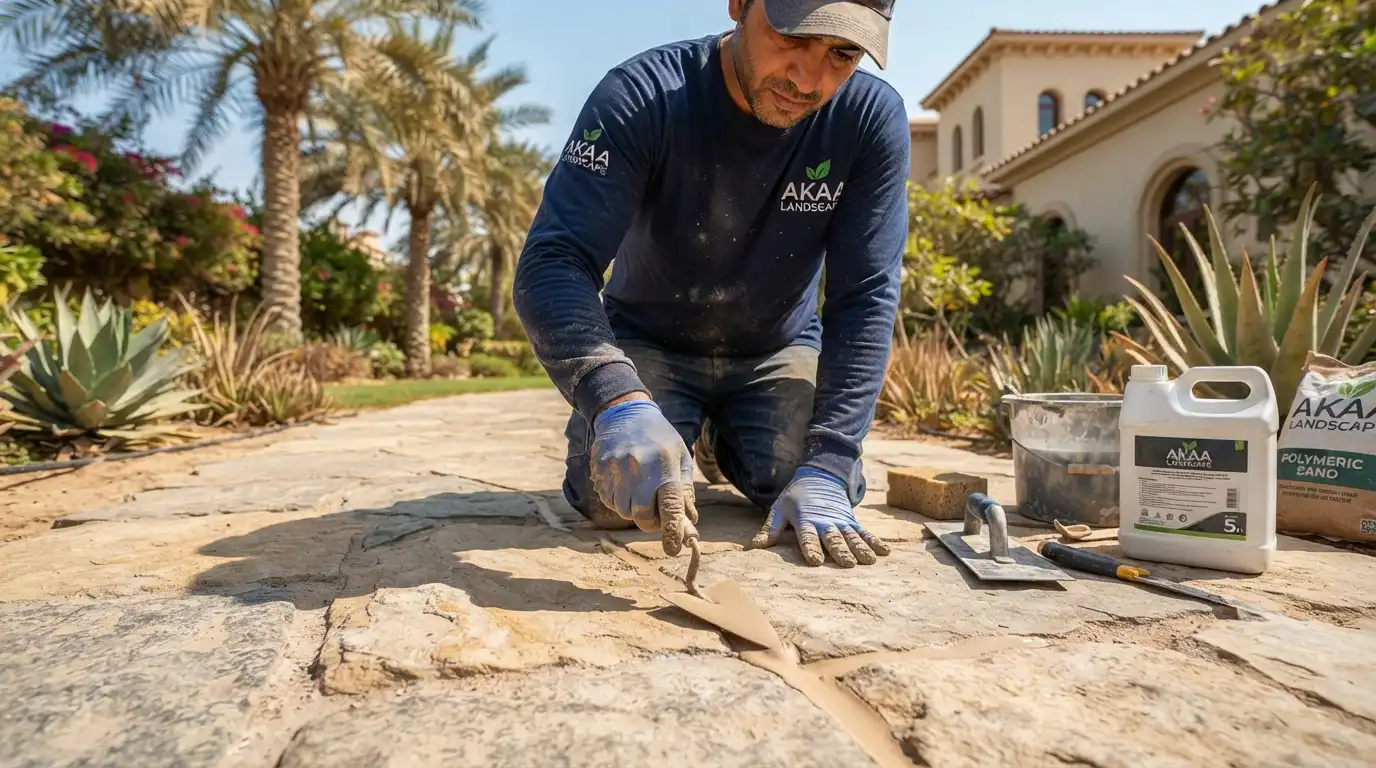
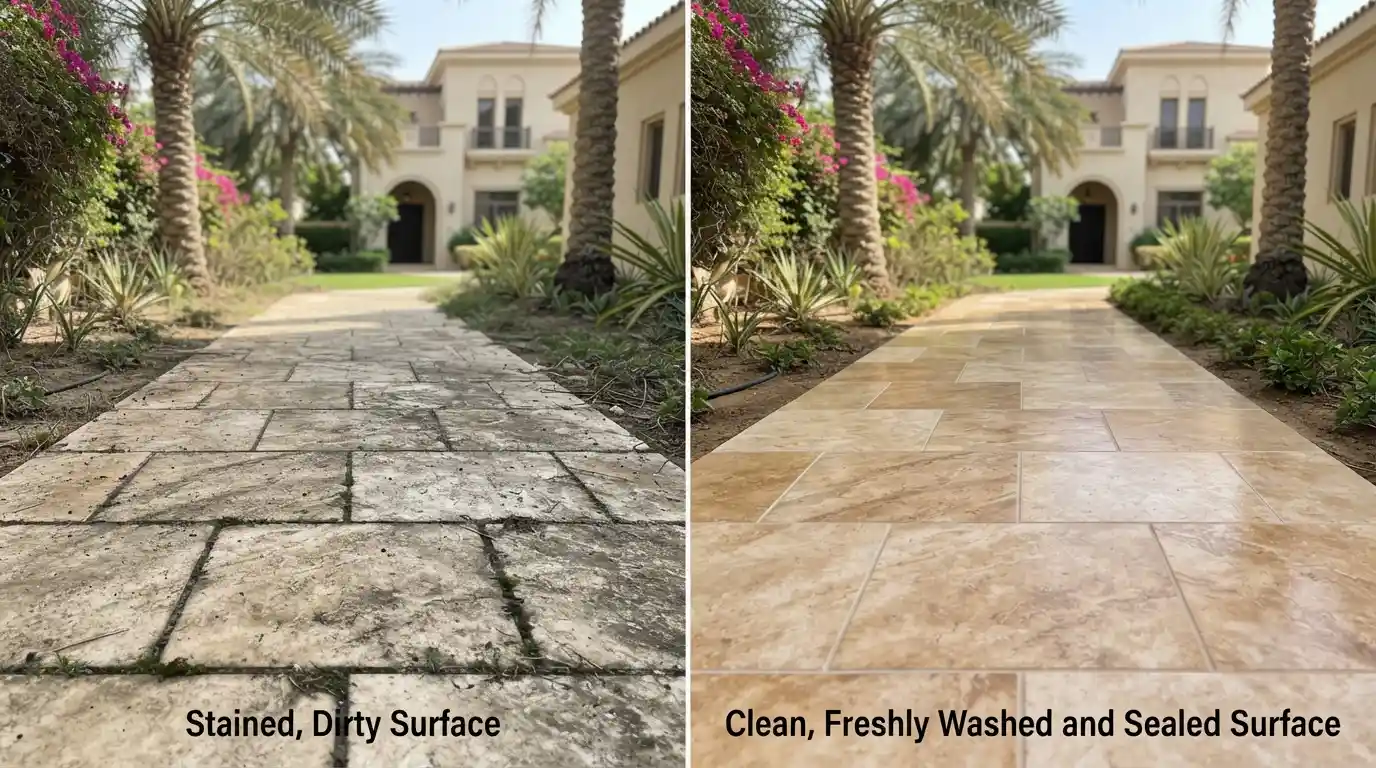
- Neglecting sealing and joint maintenance — Unsealed natural stone stains and weakens faster.
Expert Tips from Akaa Landscape
- Always request the Solar Reflectance Index (SRI) rating for paving materials before purchase.
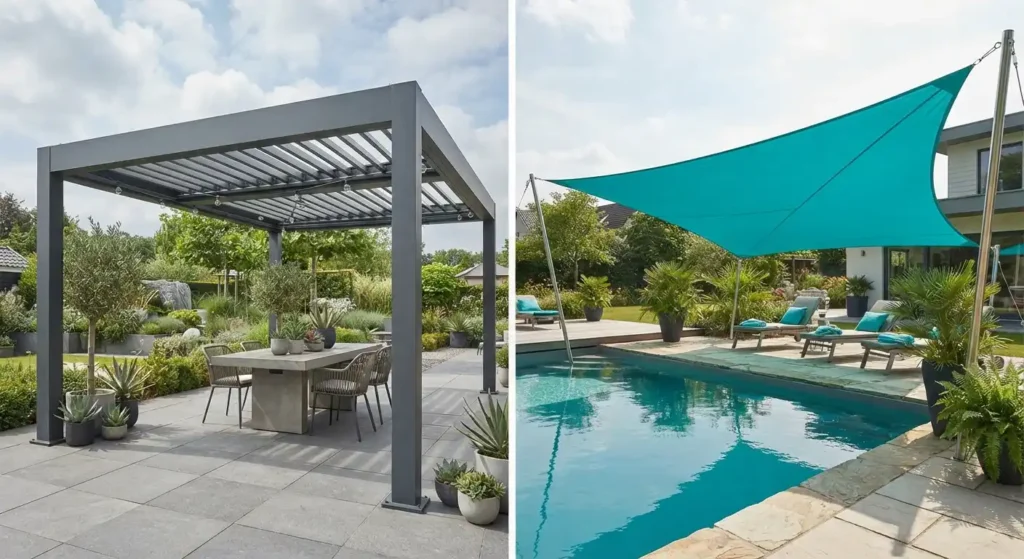
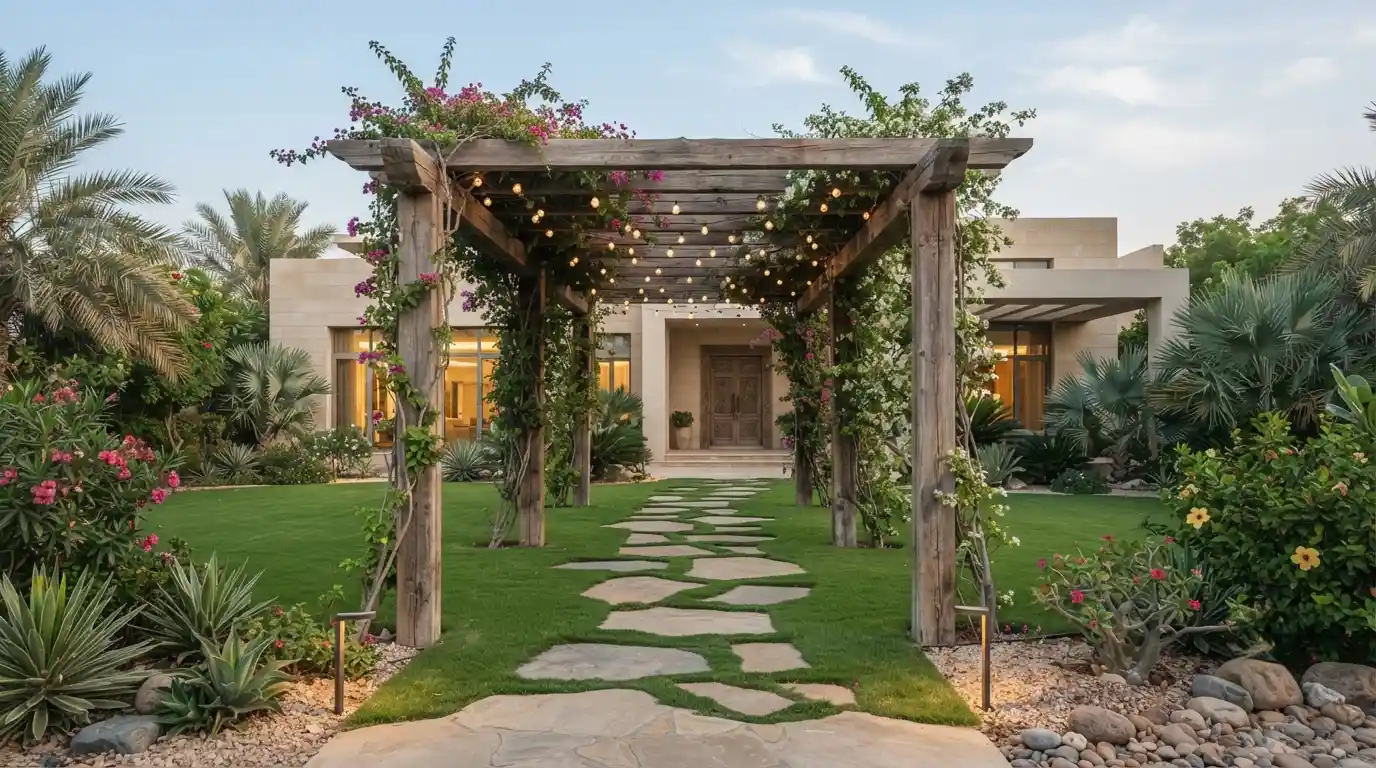
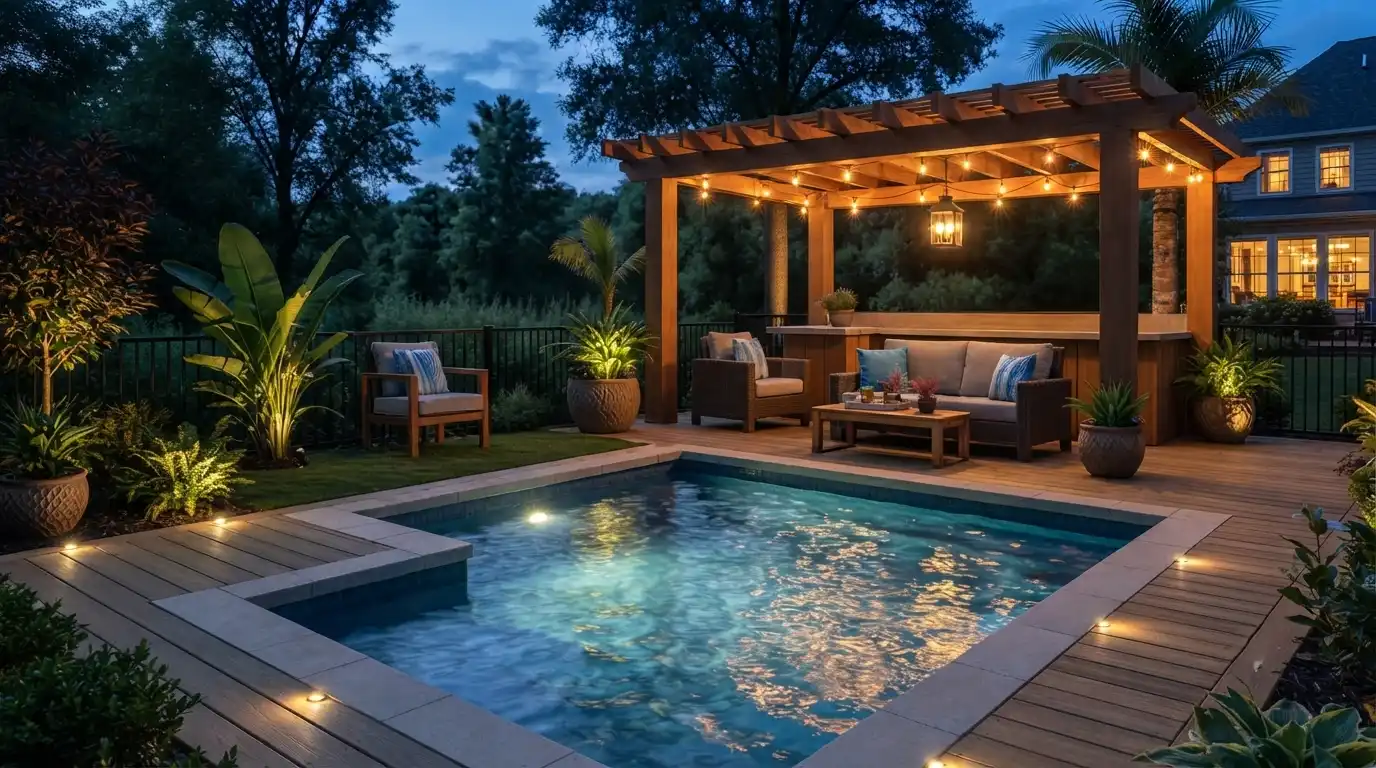
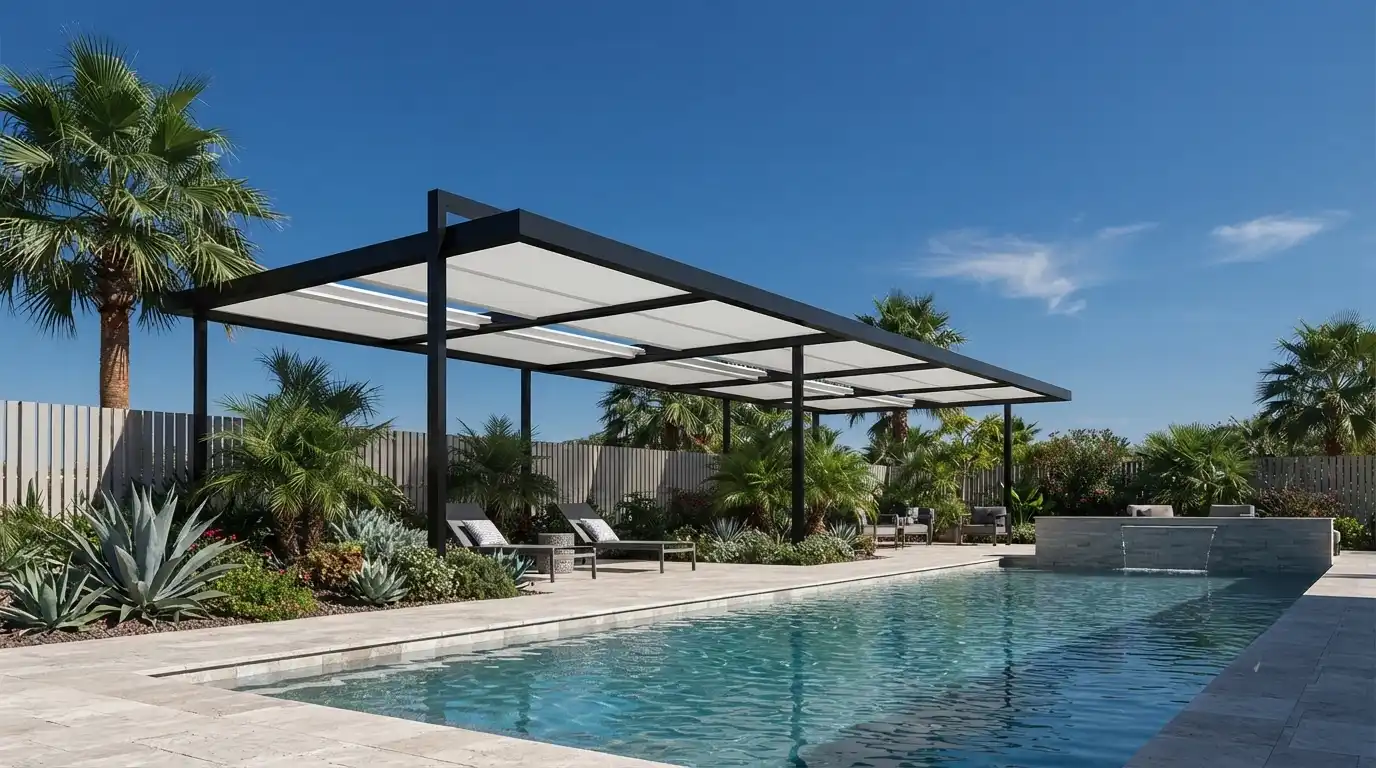
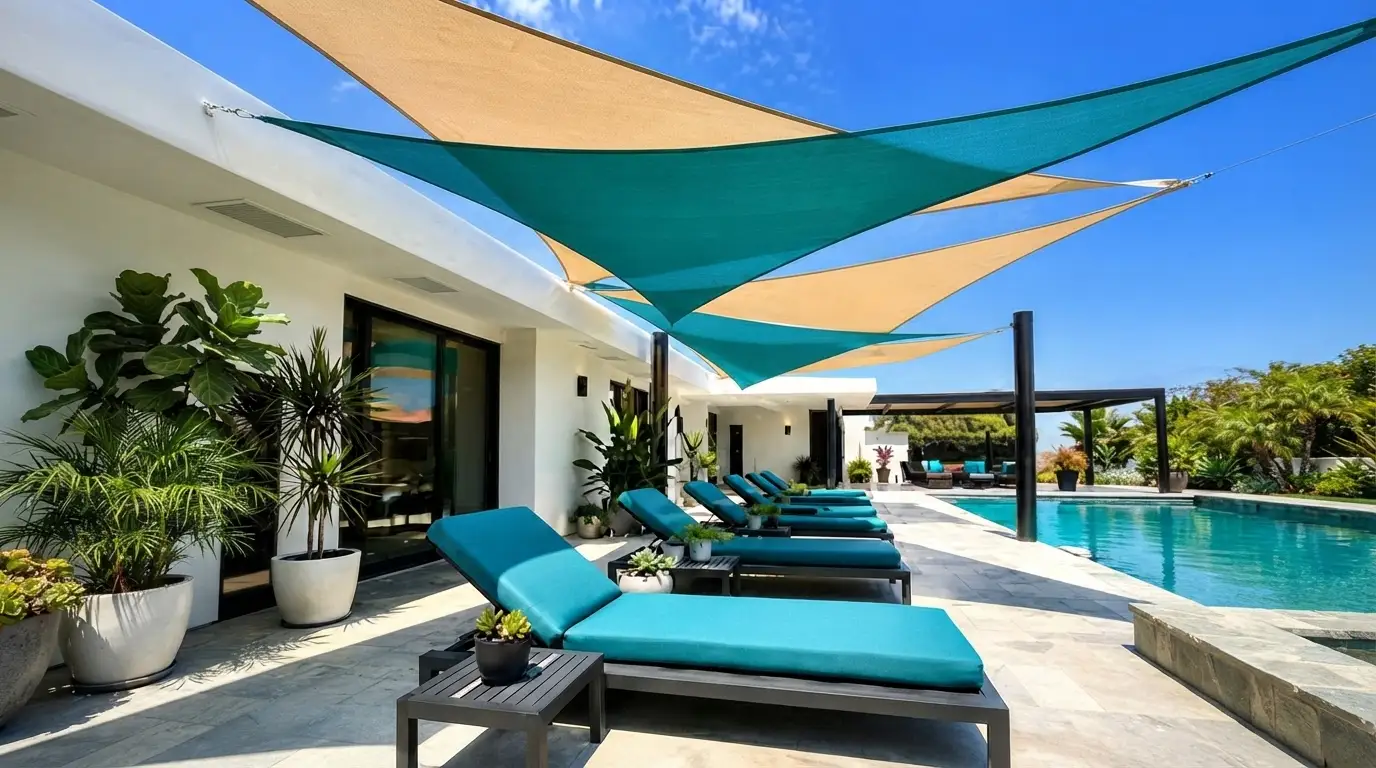
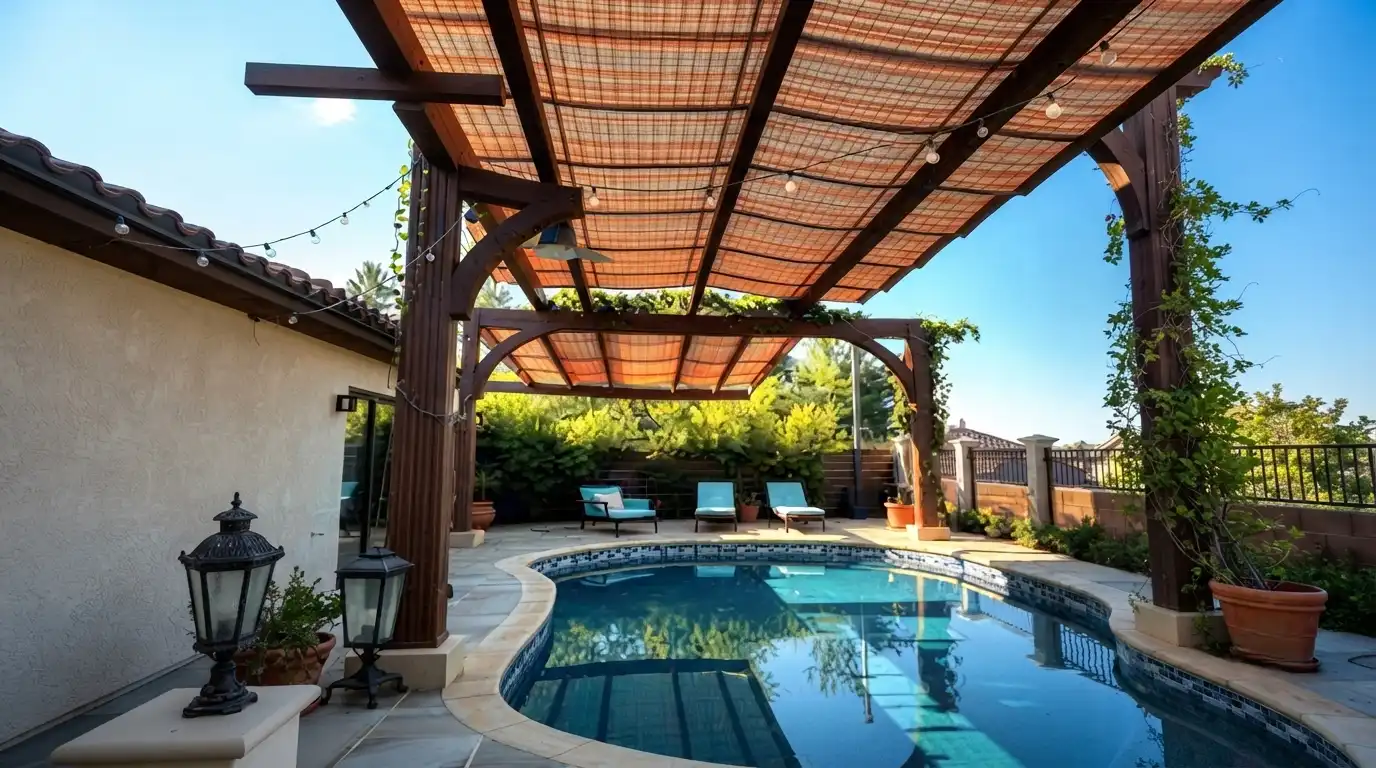
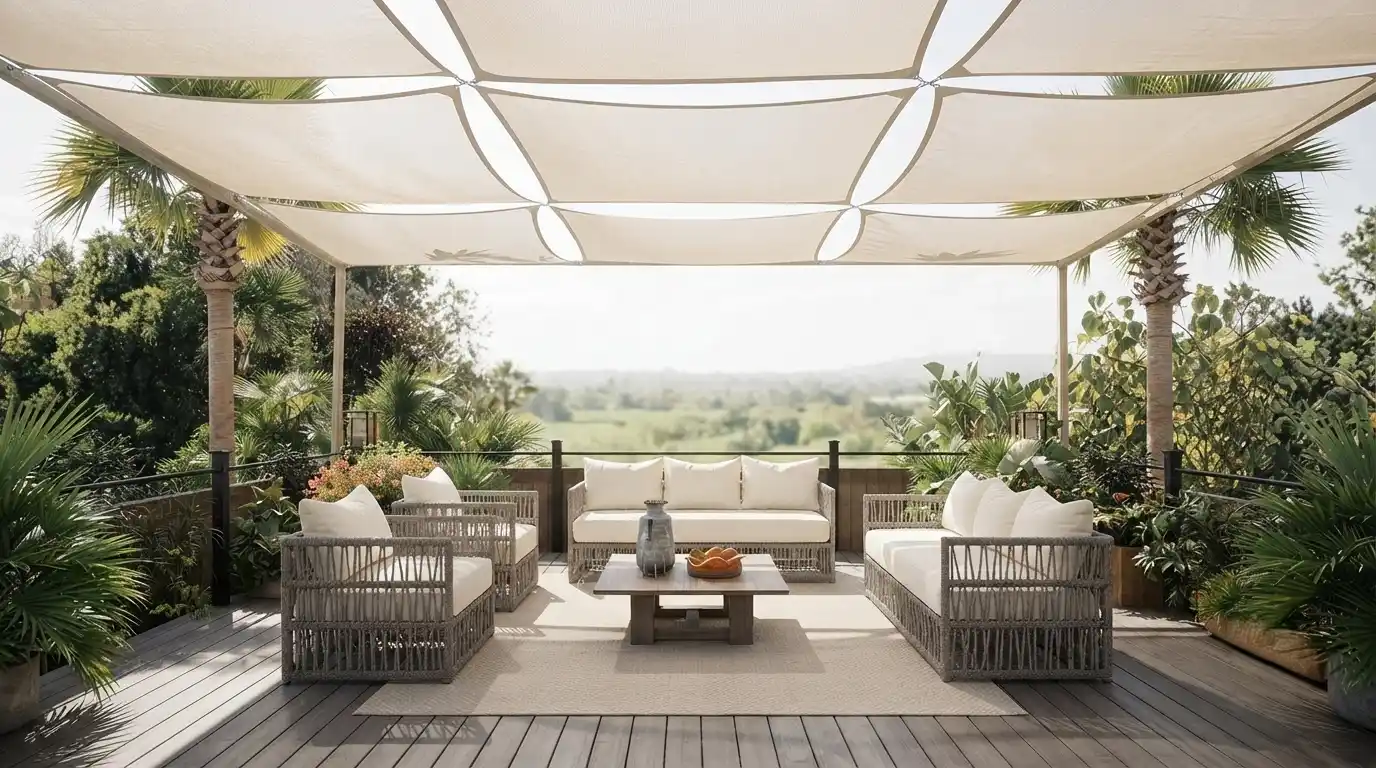
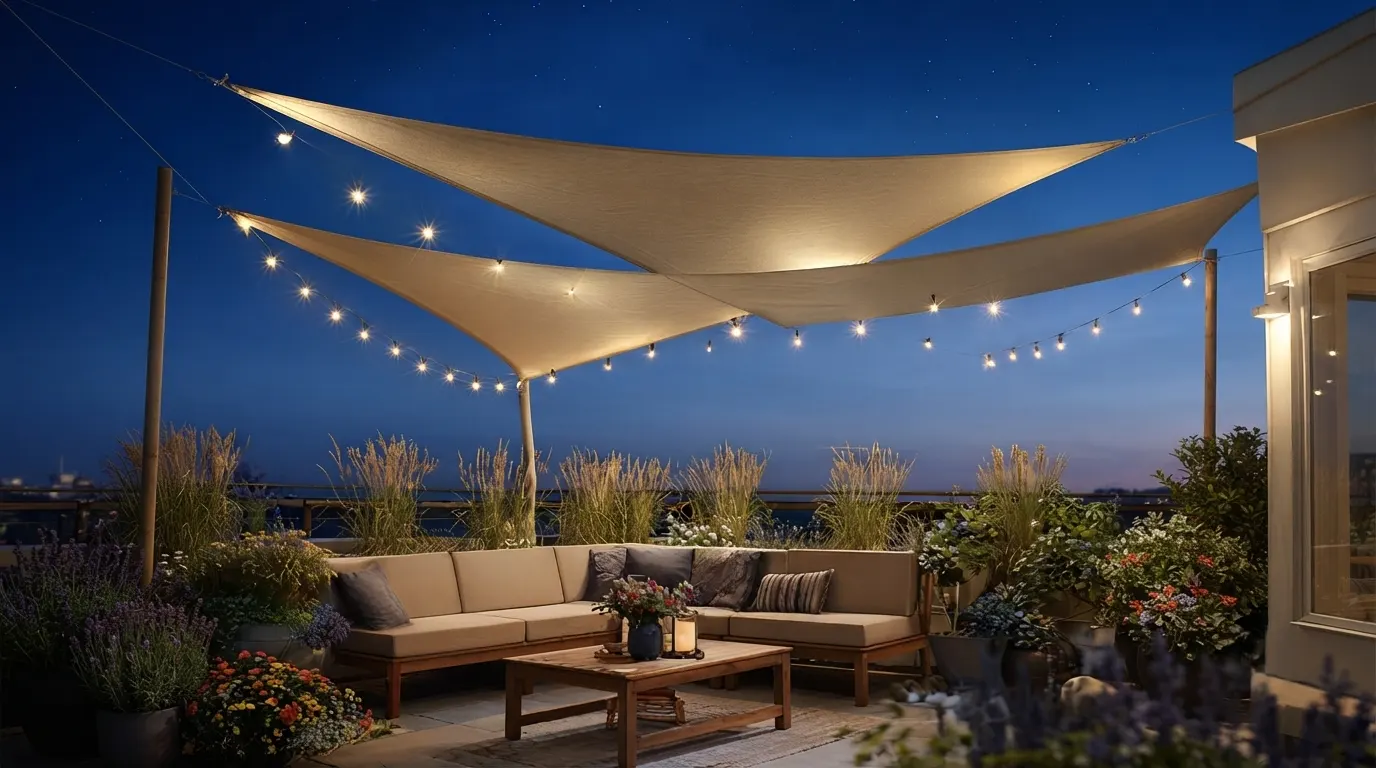
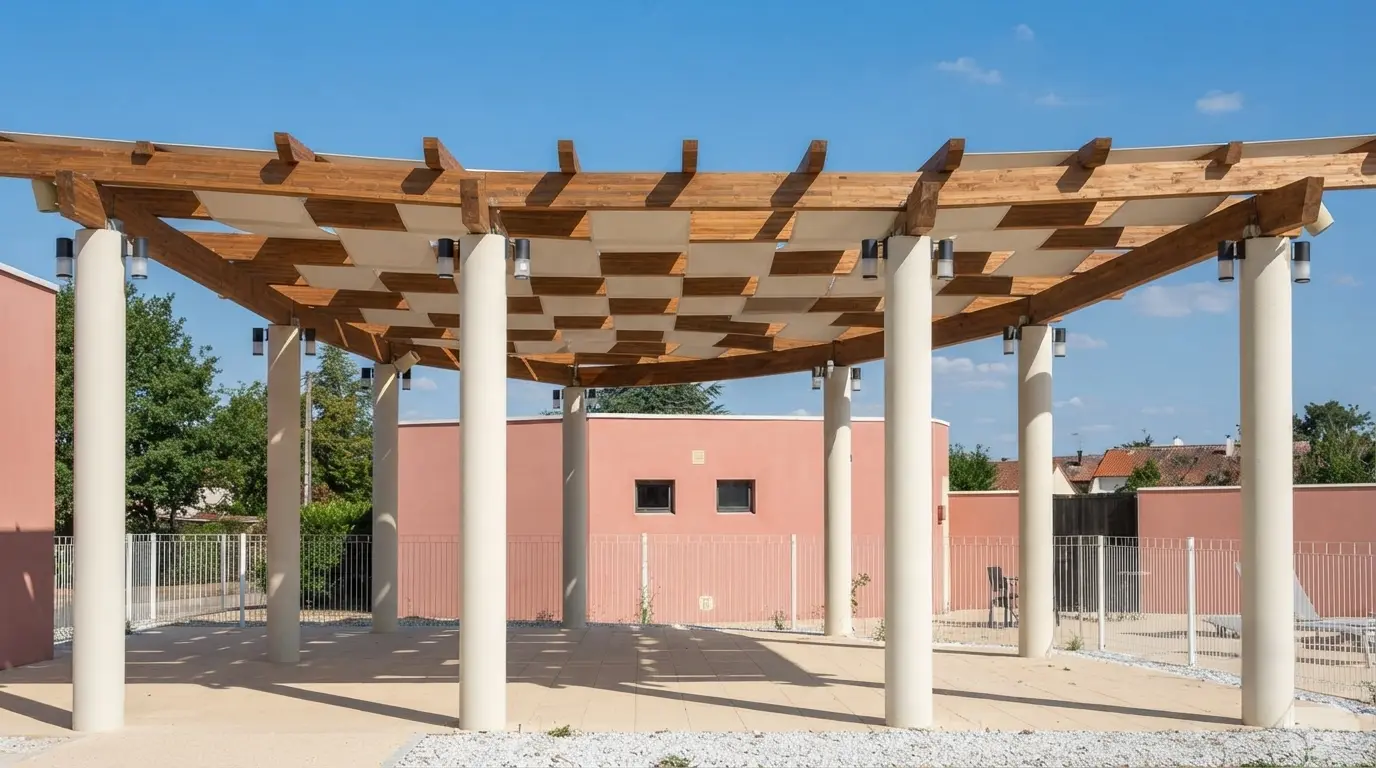
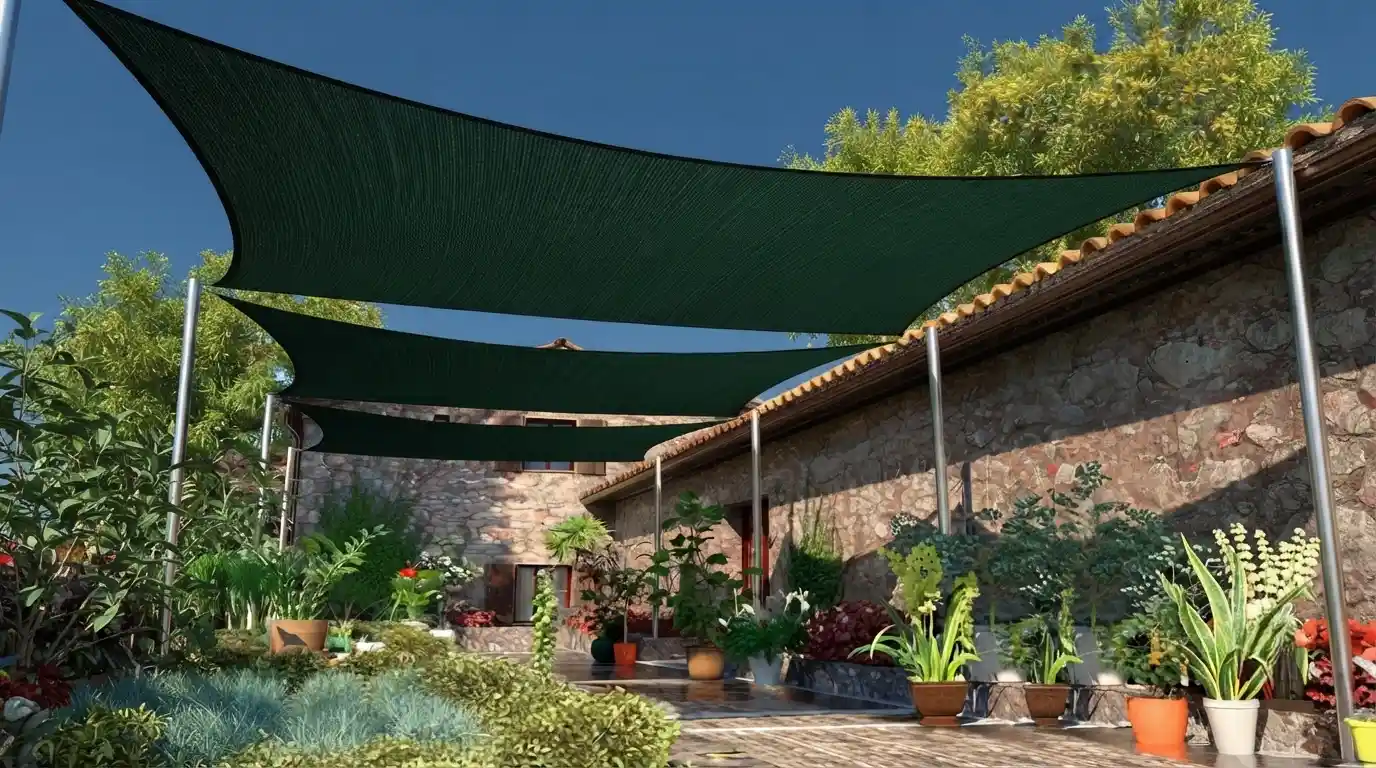
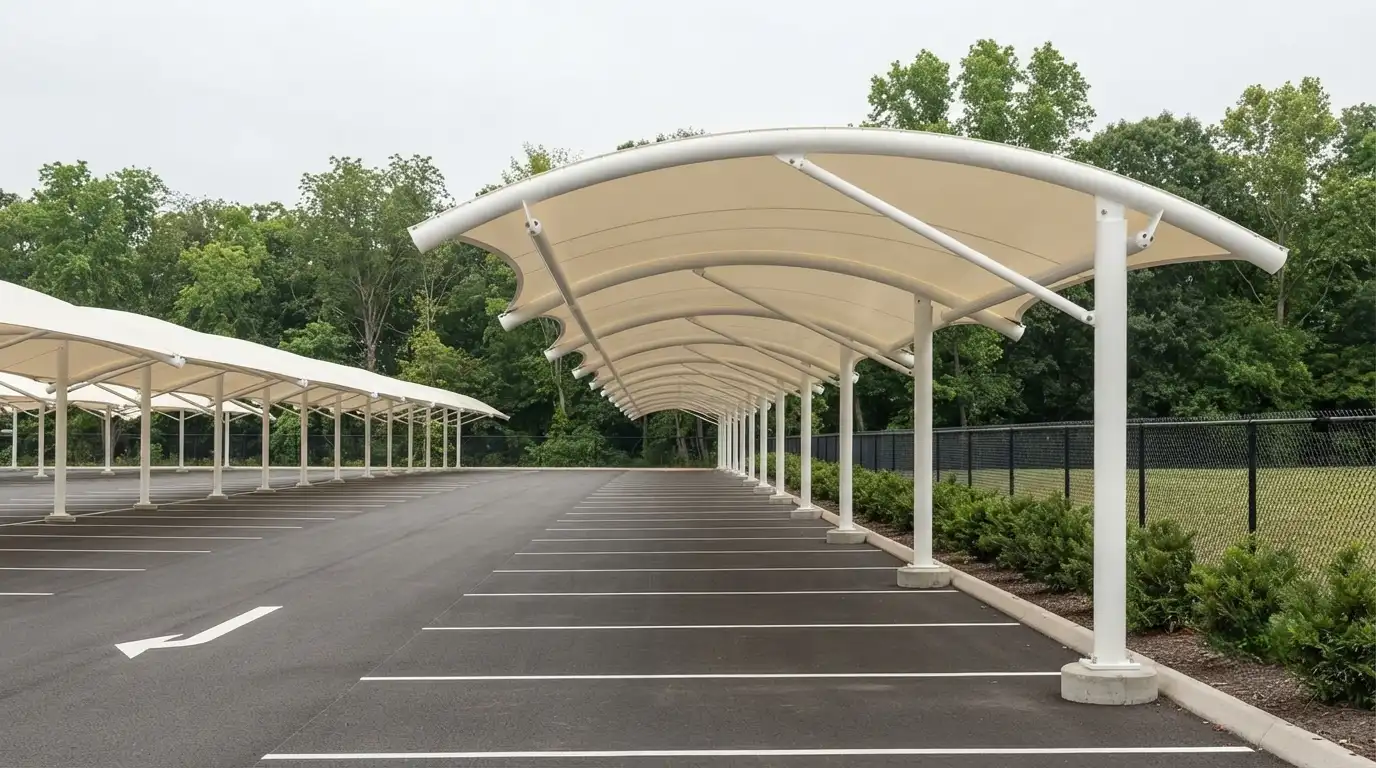
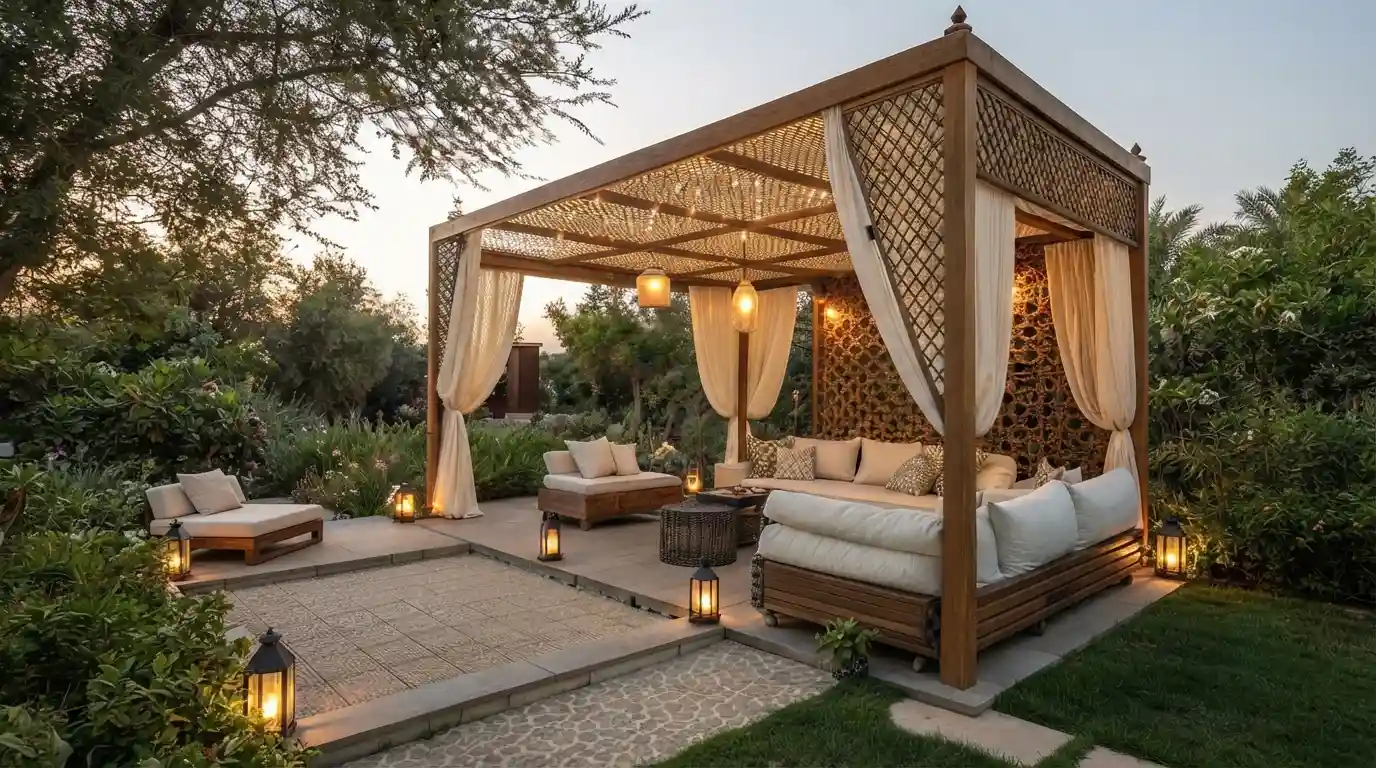
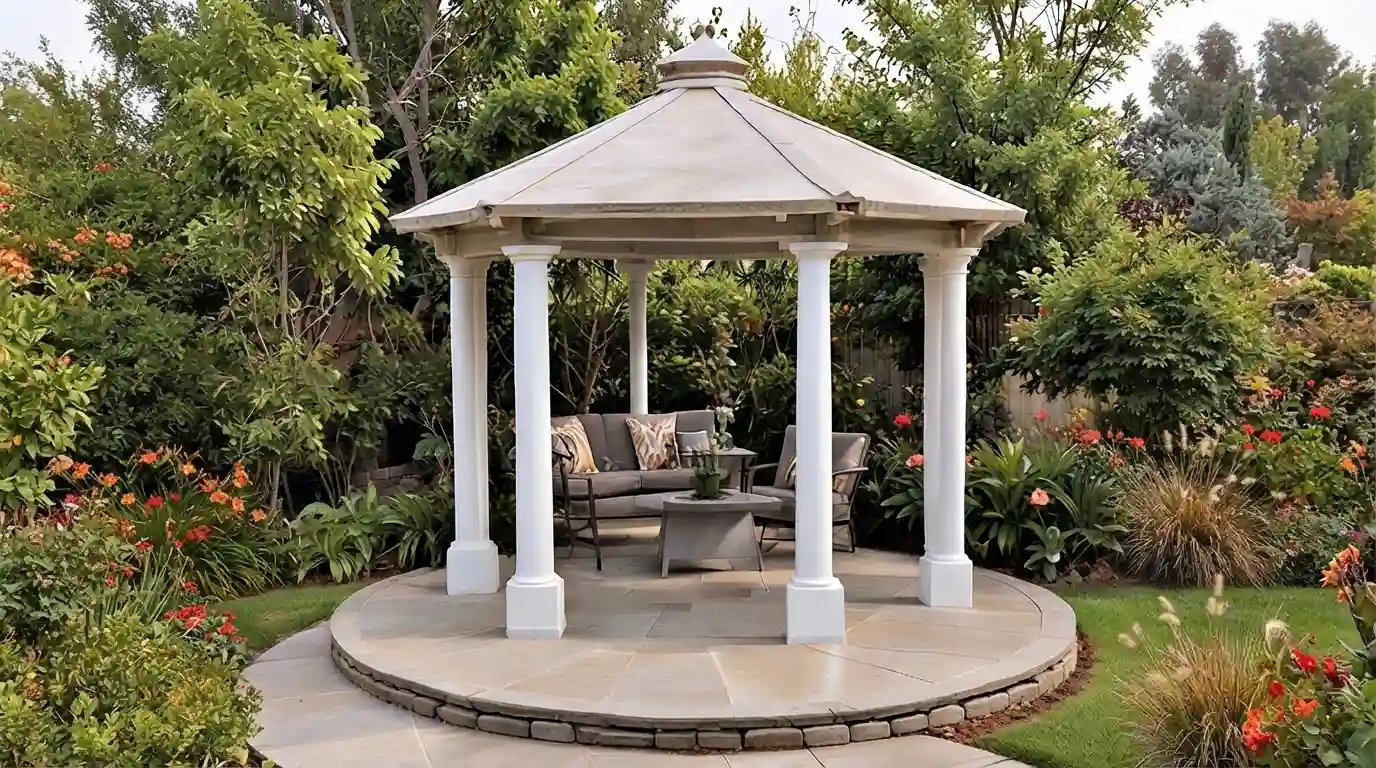
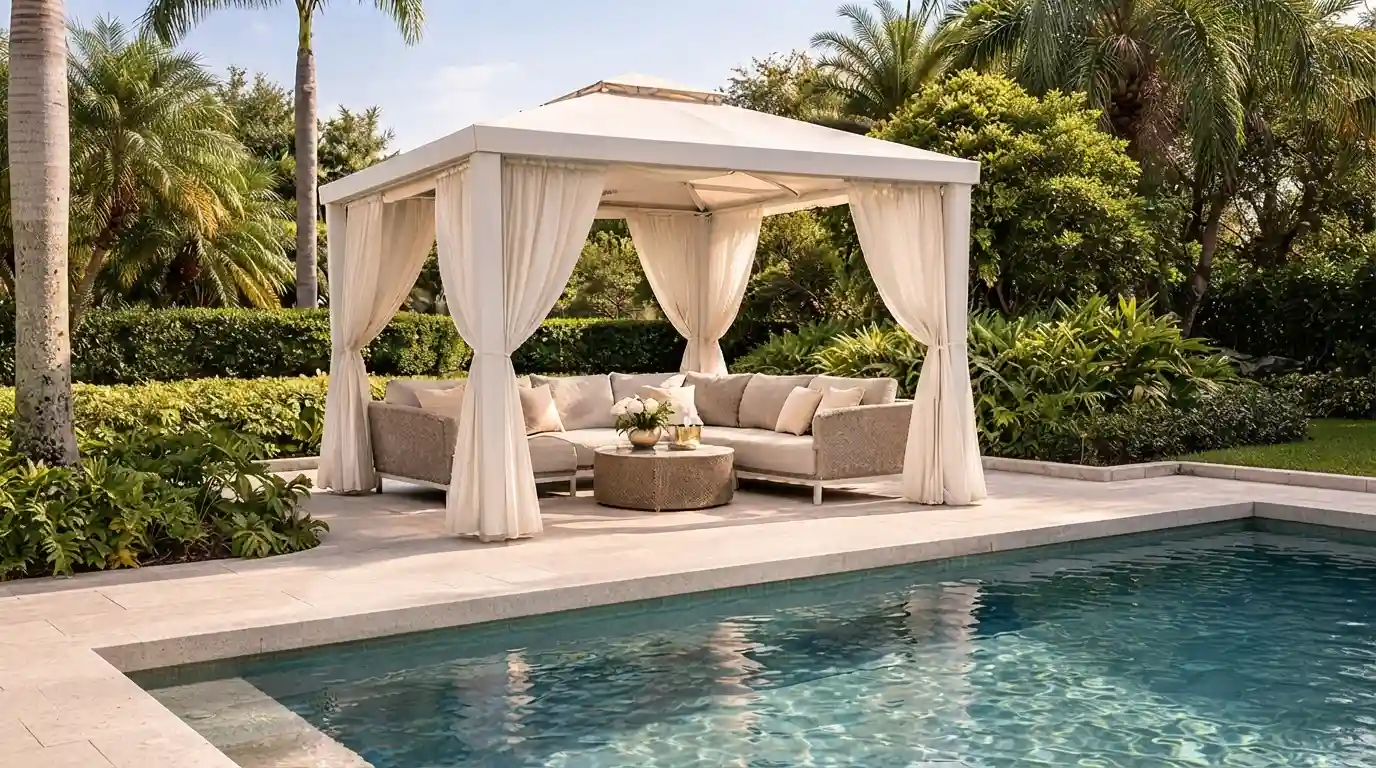
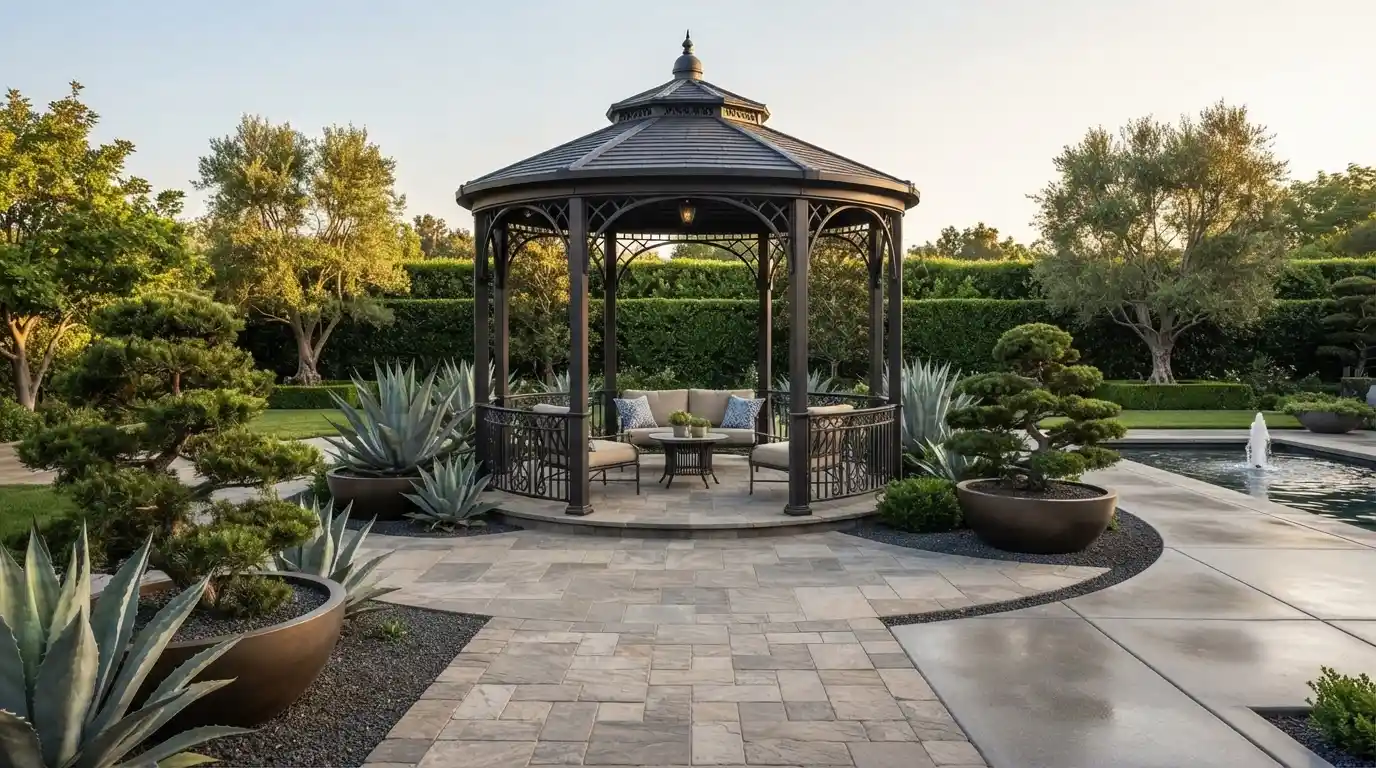
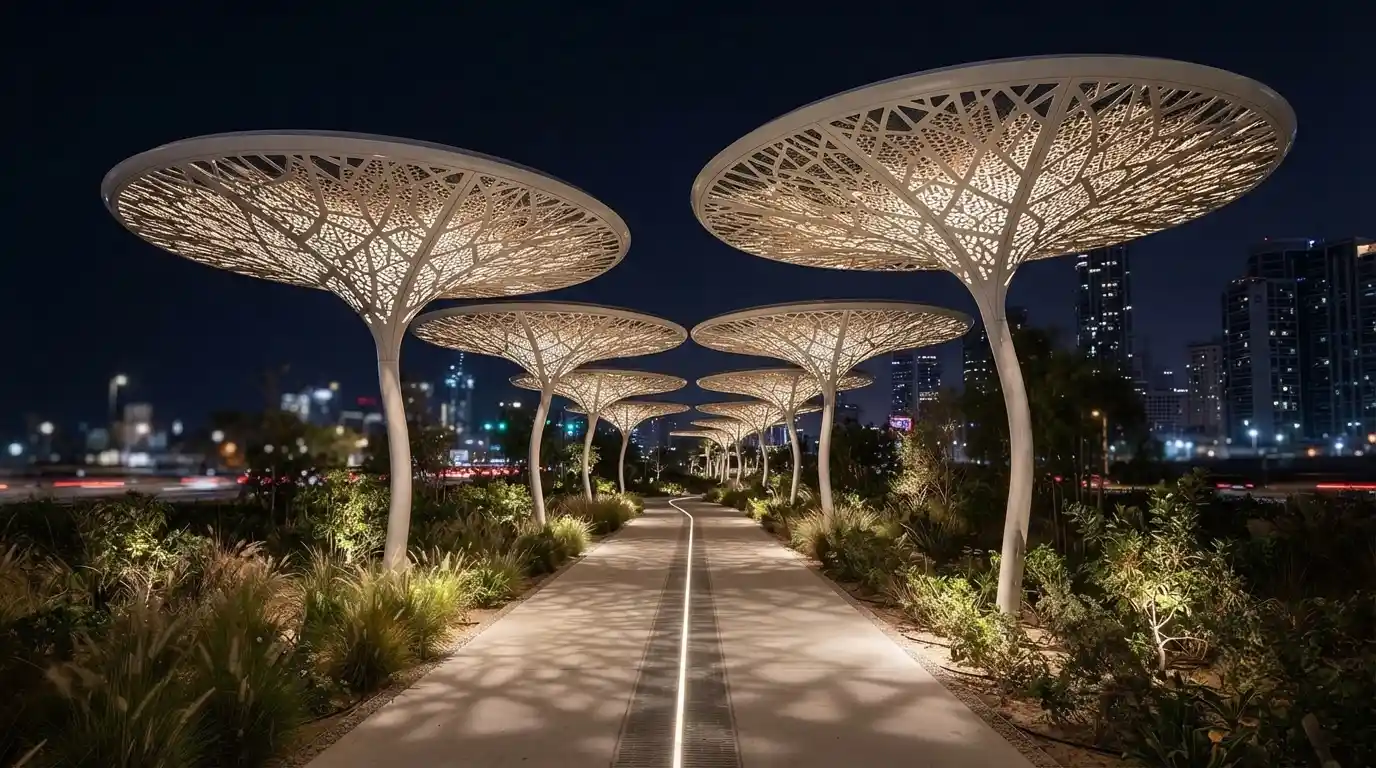
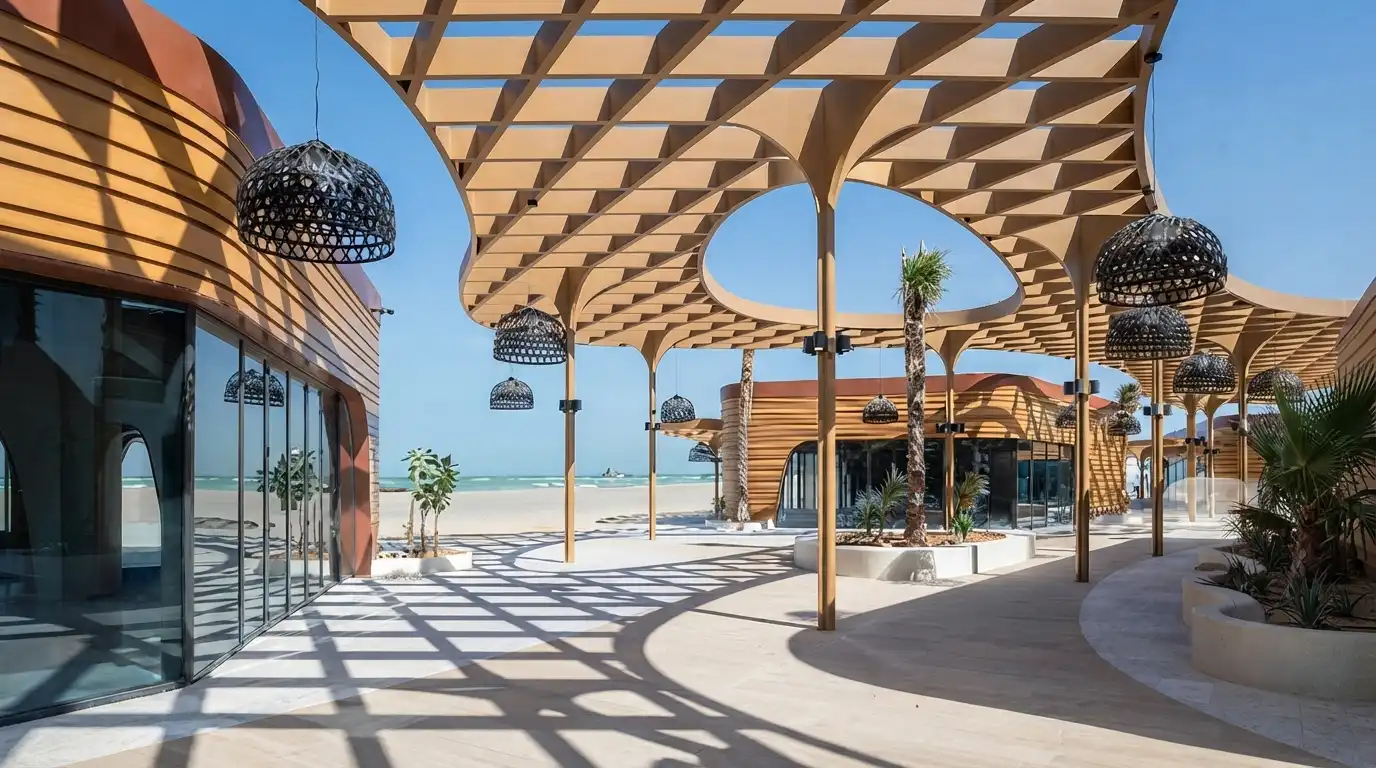
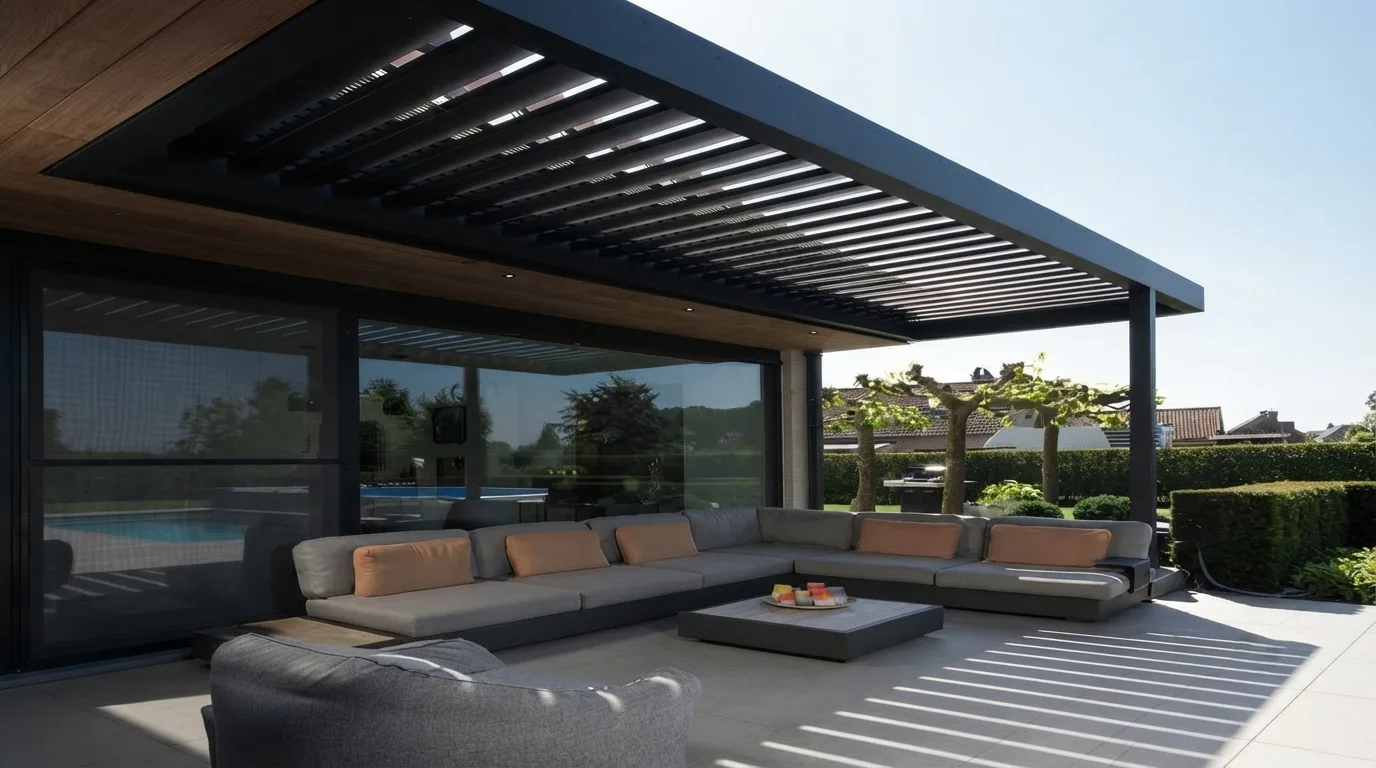
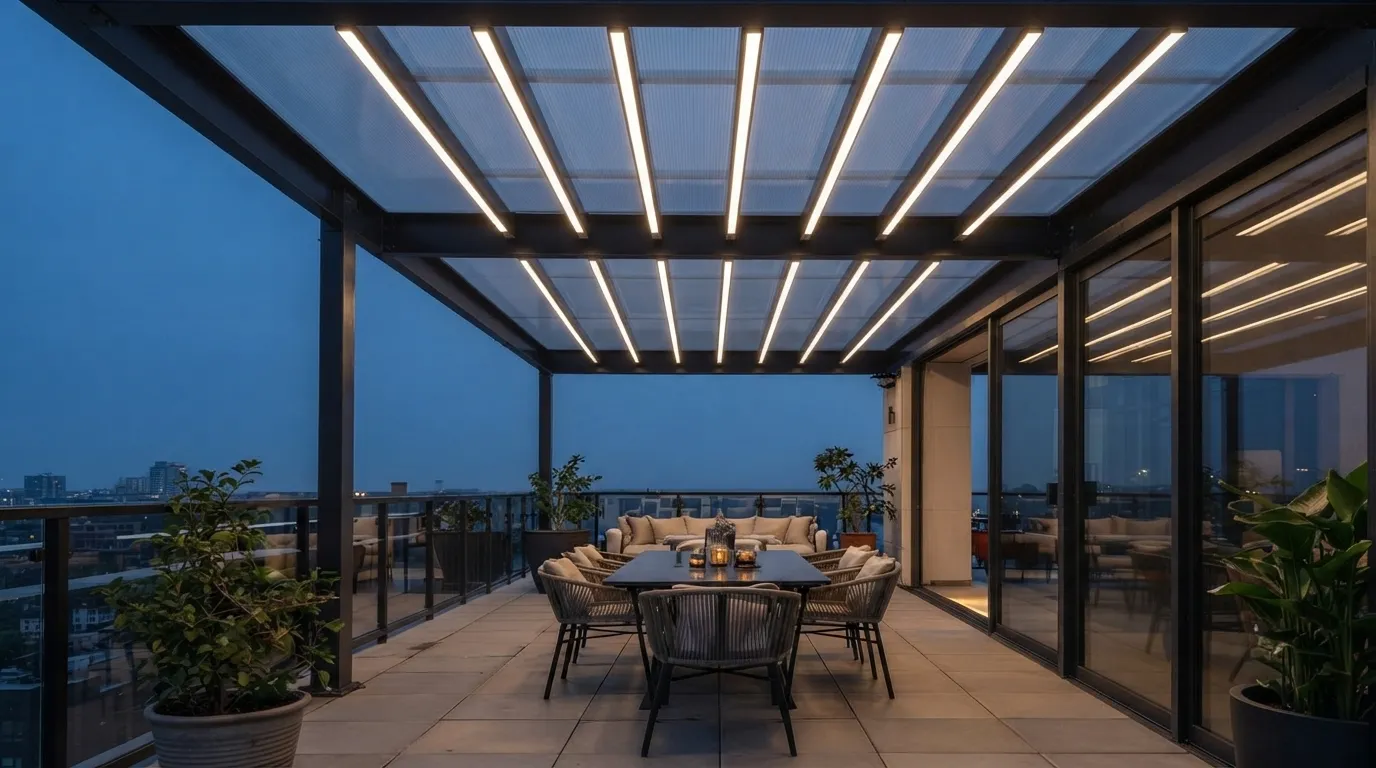
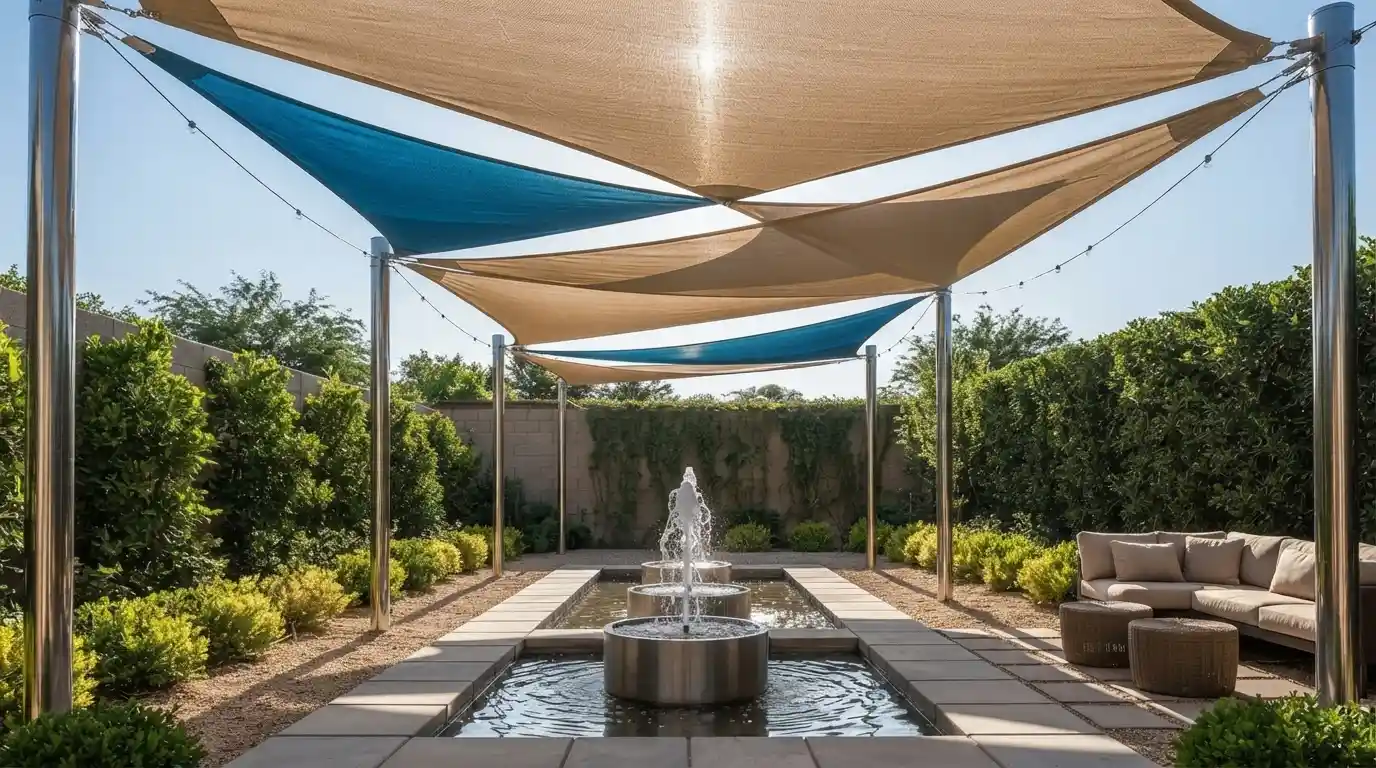
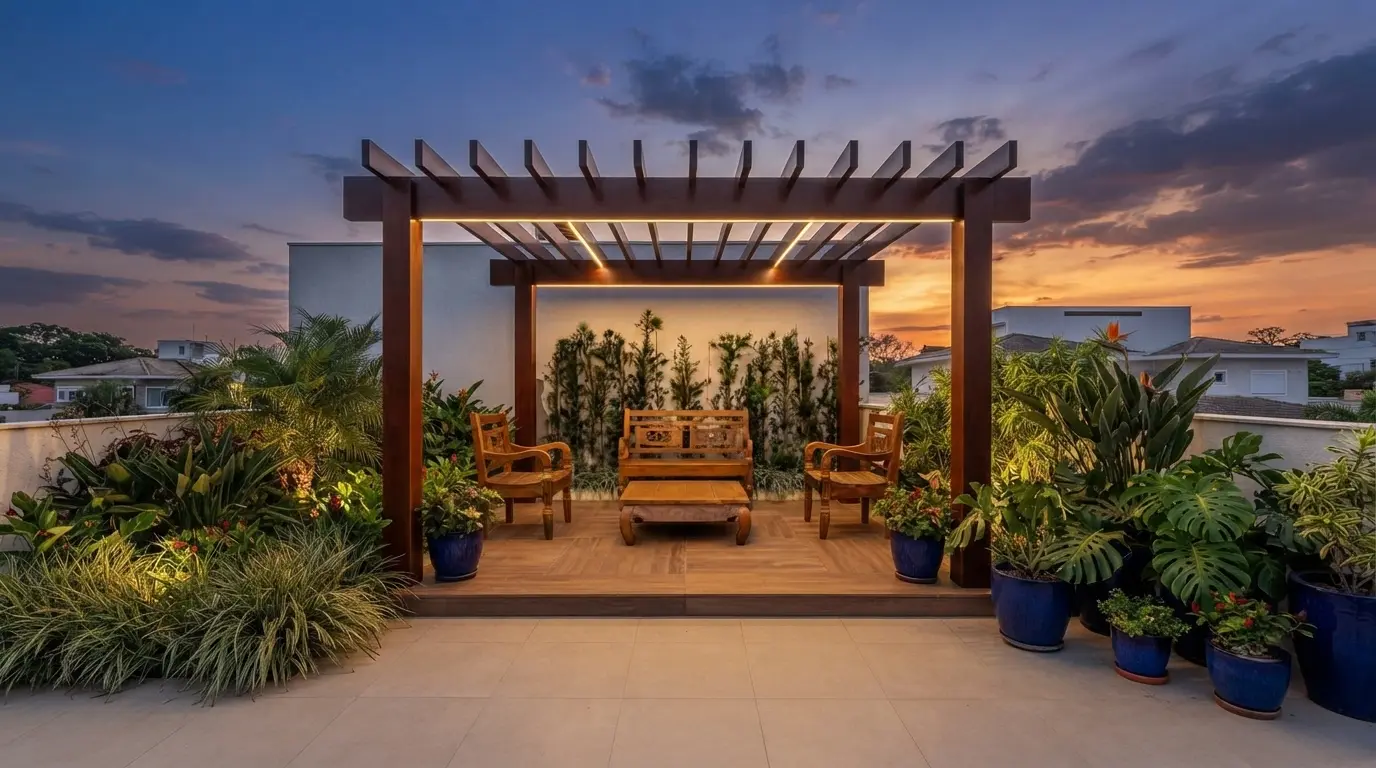
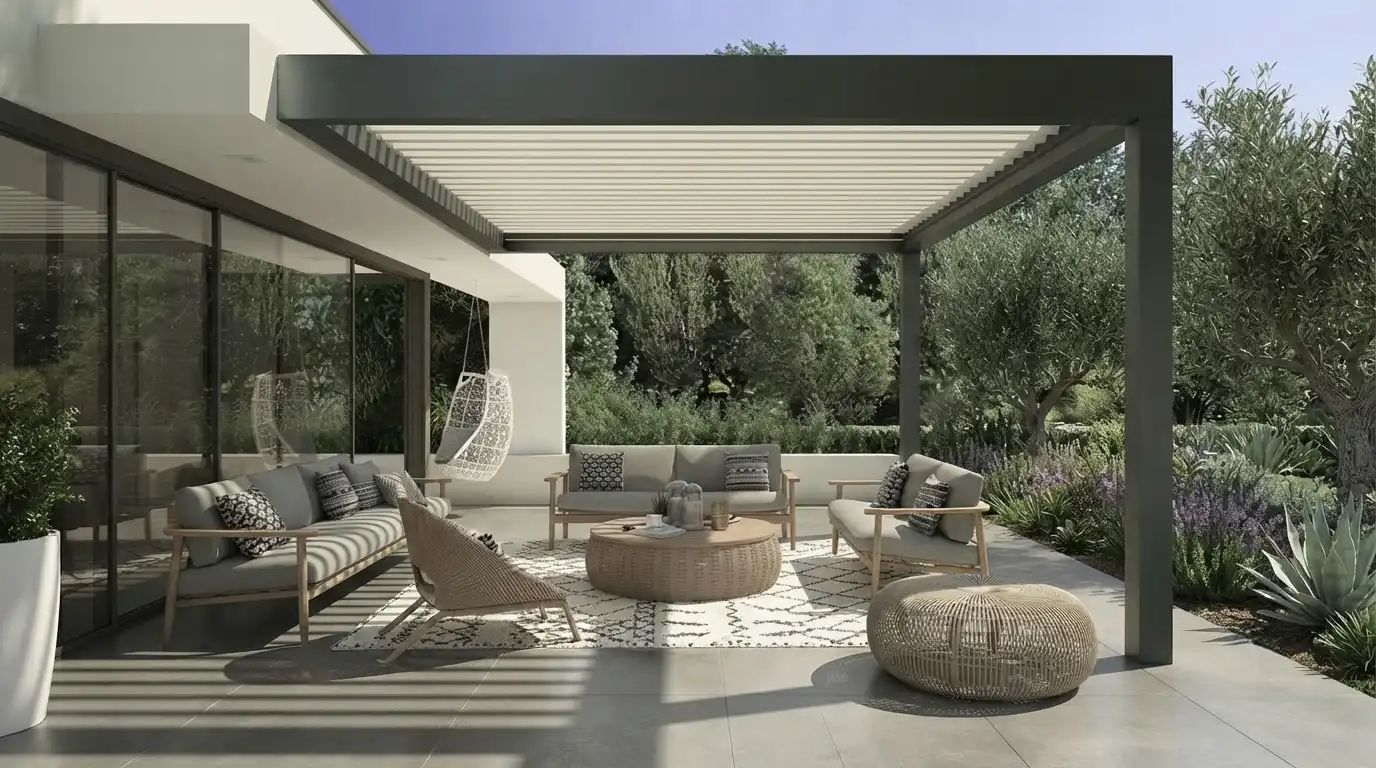
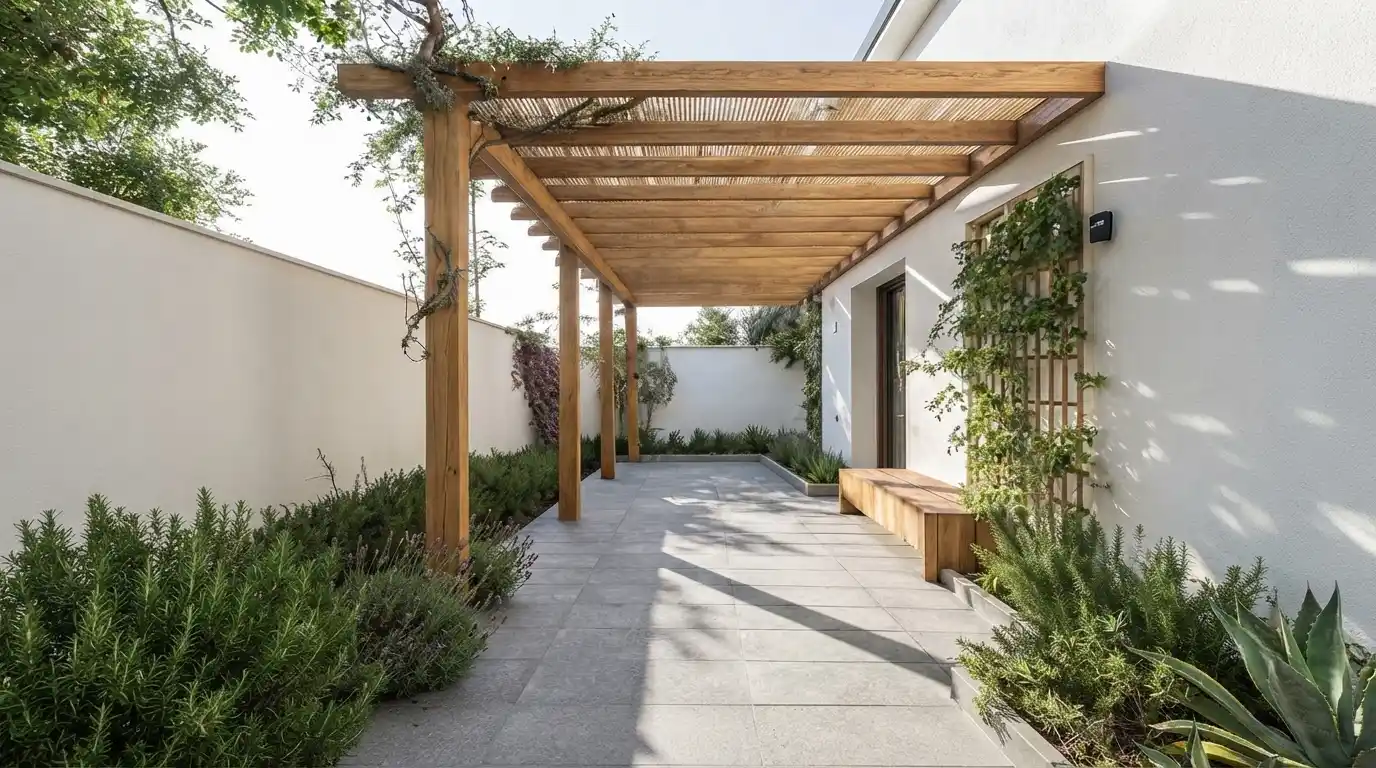
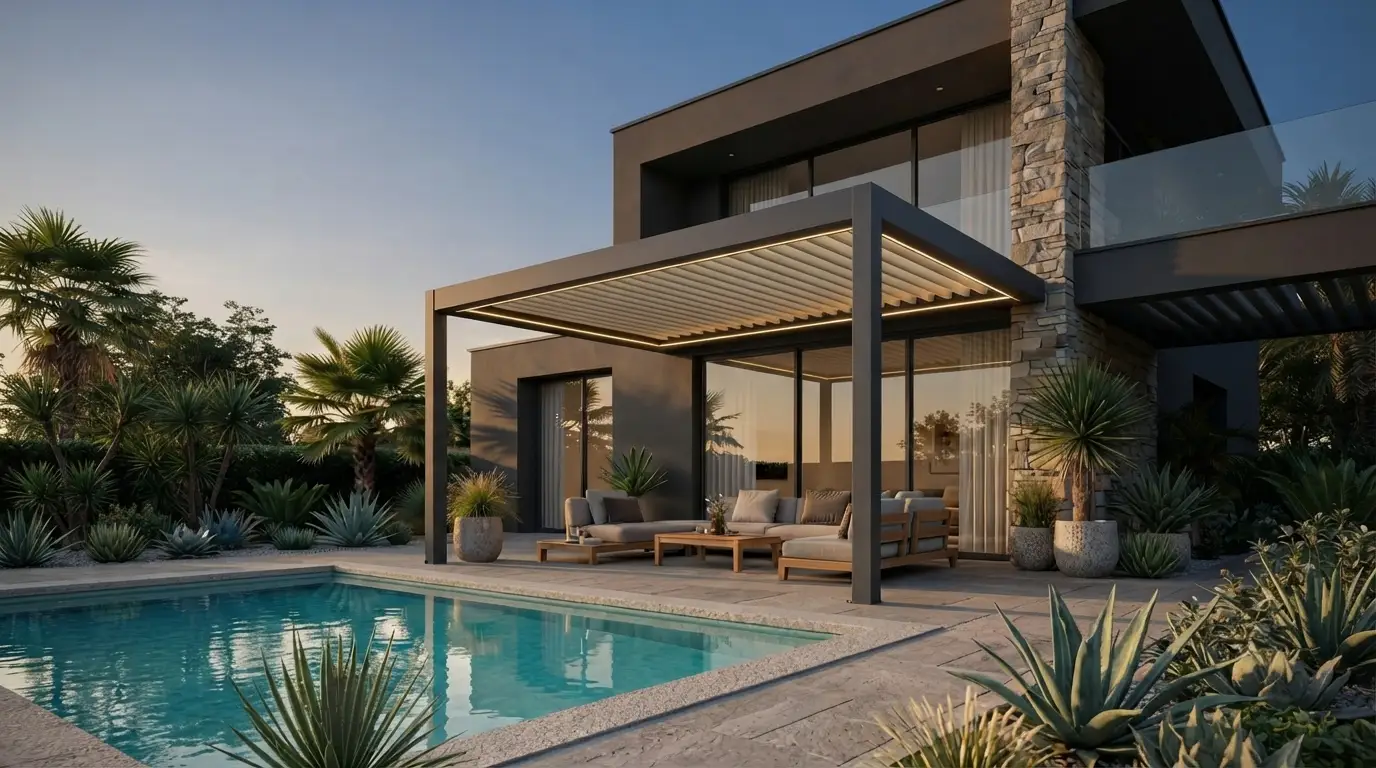
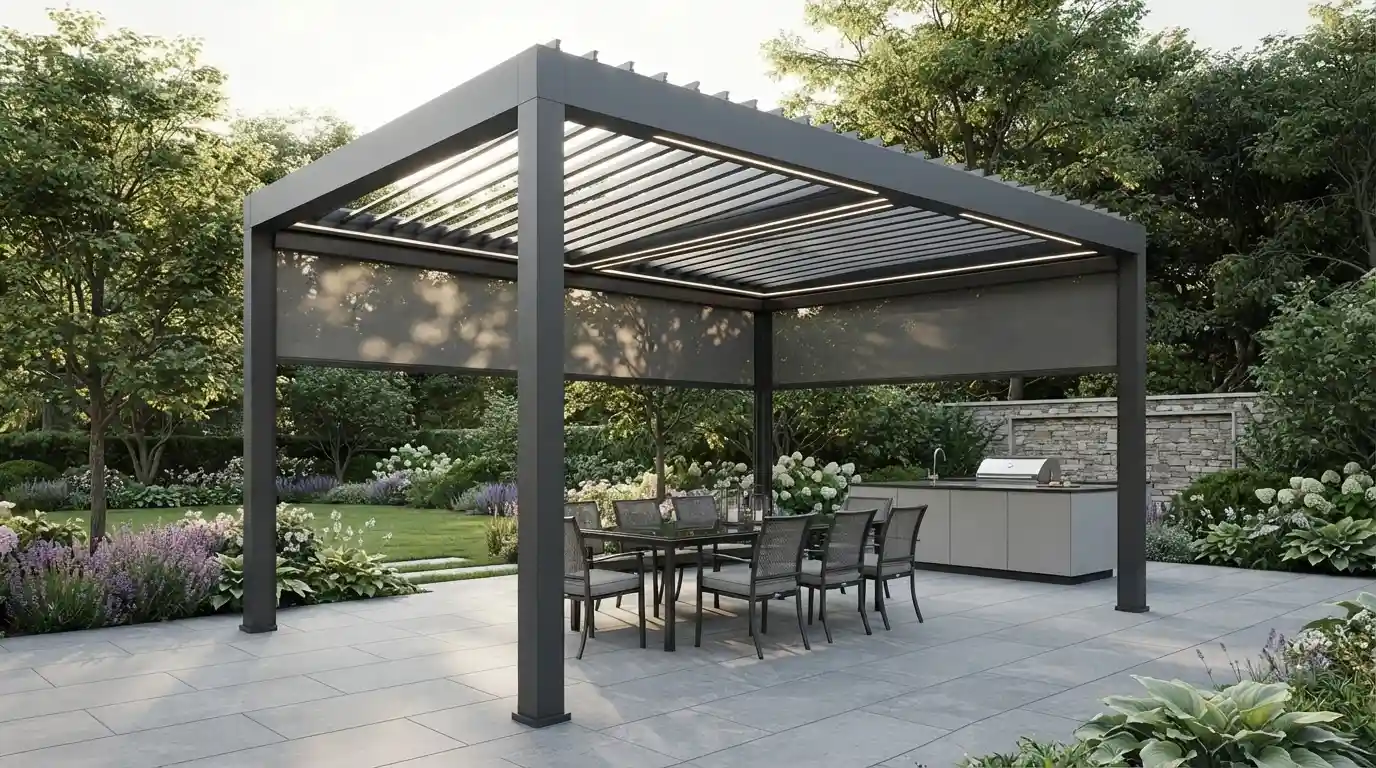
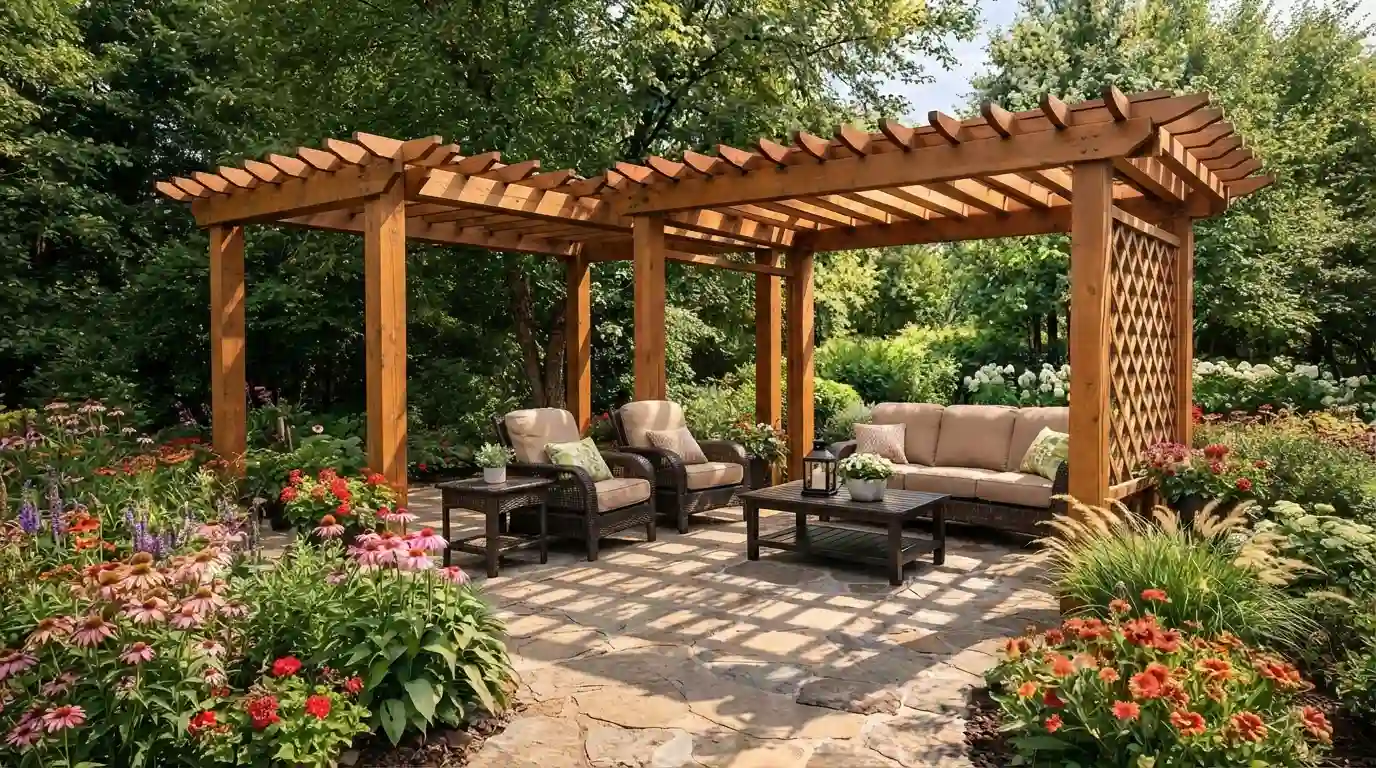
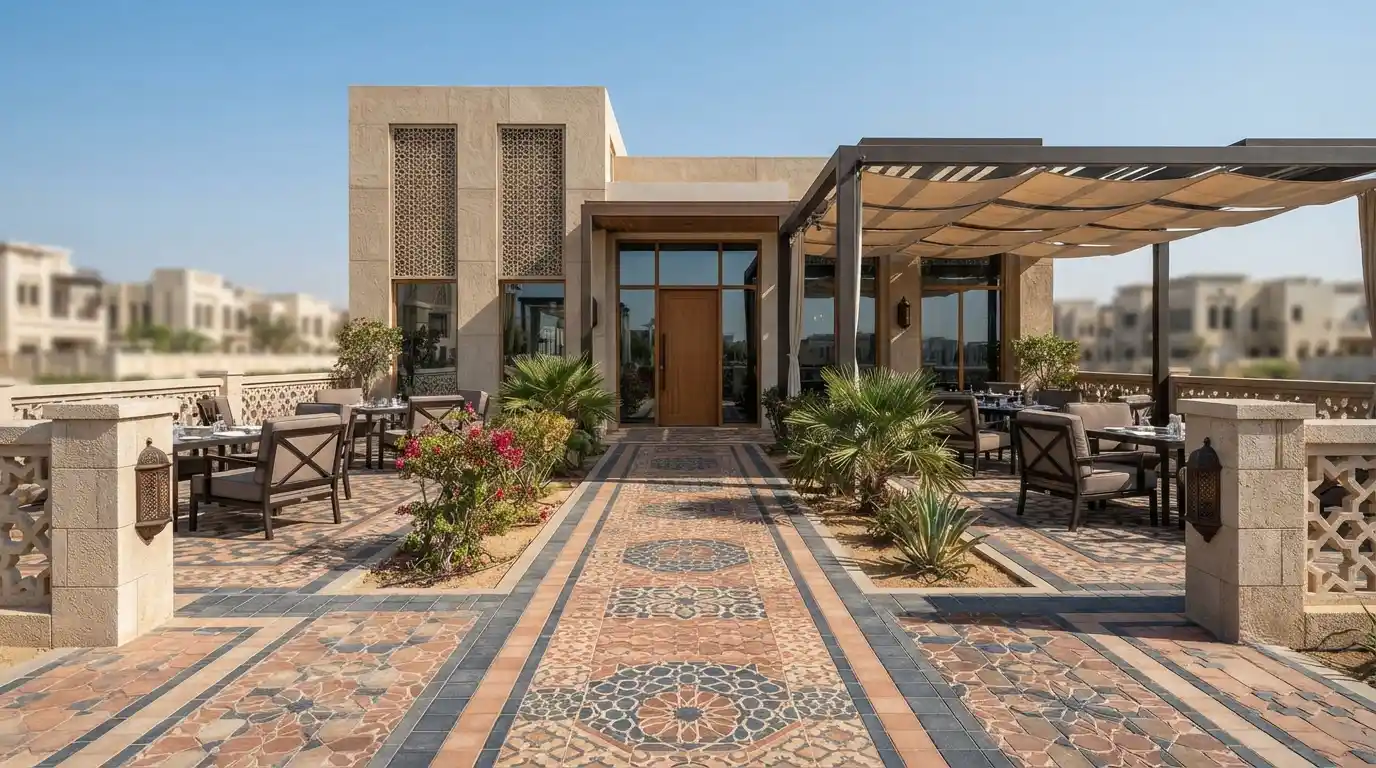
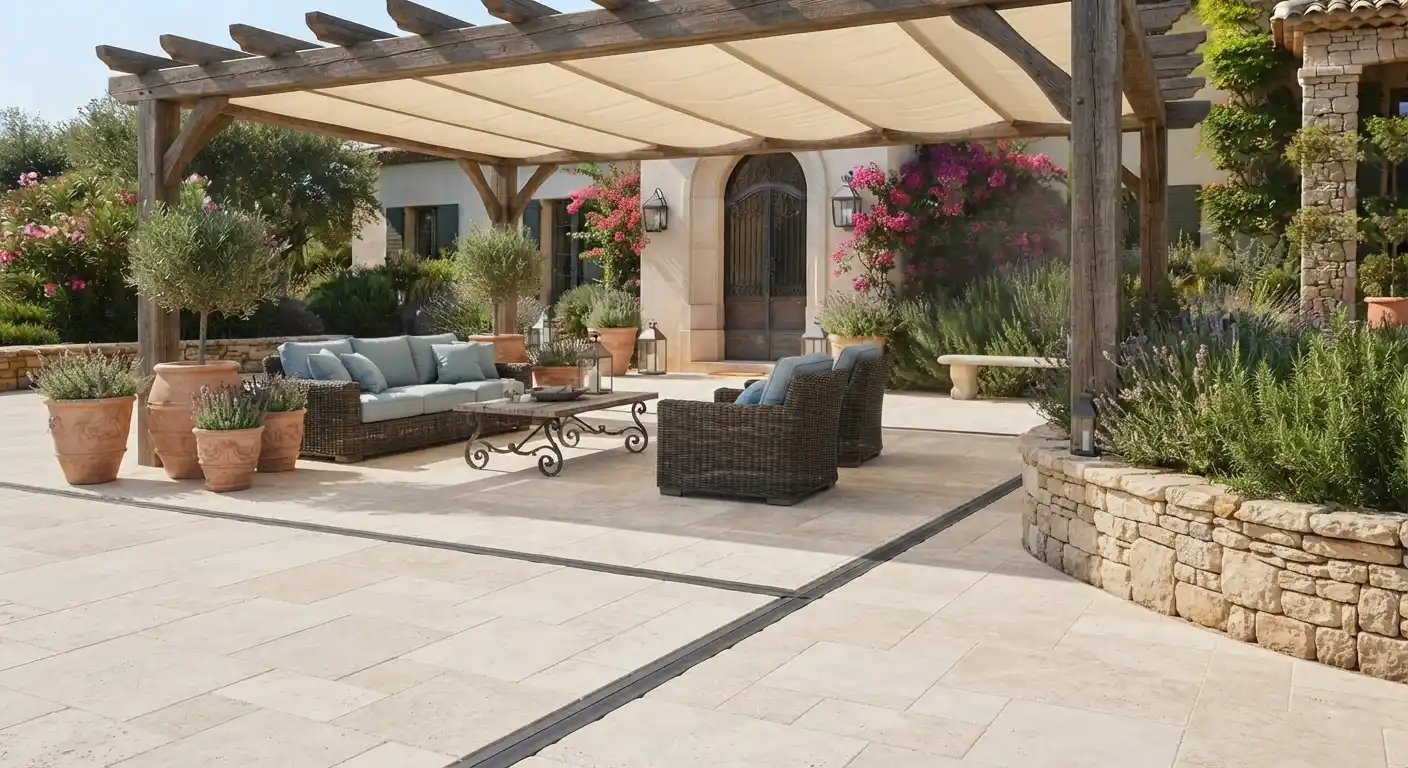
- Combine heat-resistant hardscaping with shade structures like pergolas to further reduce surface temperature.
- Schedule material installation during cooler months (November–March) for better curing and bonding.
- For commercial properties, pair hardscaping upgrades with a professional pest control company UAE teams trust, since new landscaping projects can disturb existing pest nesting areas.
- Reseal natural stone every 12–18 months to maintain heat and stain resistance.
Frequently Asked Questions
Q1: What is the most heat-resistant paving material in Dubai?
Natural granite and porcelain pavers are considered the most heat-resistant options for Dubai’s climate due to their low porosity and high UV stability.
Q2: Do light-colored pavers really stay cooler than dark ones?
Yes. Light-colored pavers can be 15–25°C cooler than dark-colored surfaces under direct summer sun.Q3: How often should hardscaping be resealed in the UAE?
Natural stone hardscaping should typically be resealed every 12 to 18 months to maintain heat and moisture resistance.Q4: Is wood decking suitable for Dubai gardens?
Standard wood decking is not recommended. UAE-rated composite decking is a better alternative, as it resists warping, cracking, and UV fading.Q5: Can heat-resistant materials reduce pest problems in my garden?
Dense, non-porous materials reduce moisture retention and hiding spots, which can lower pest activity. However, they should still be paired with regular garden pest control UAE treatment for full protection.Conclusion
Choosing the right heat-resistant landscaping materials UAE properties depend on is one of the most important decisions you’ll make for any outdoor space. From granite driveways to porcelain pool decks, the right material protects your investment, keeps your property safe, and reduces long-term maintenance costs in one of the world’s harshest climates.
At Akaa Landscape, we help homeowners, villa owners, developers, and facility managers across Dubai and Abu Dhabi select and install hardscaping that’s built to last.
Contact Akaa Landscape today for a free consultation and quotation.